Airport Hotel Cost & Value Calculator
Determine if paying the "convenience premium" for an airport hotel actually saves you money compared to staying in town.
Total Estimated Expense
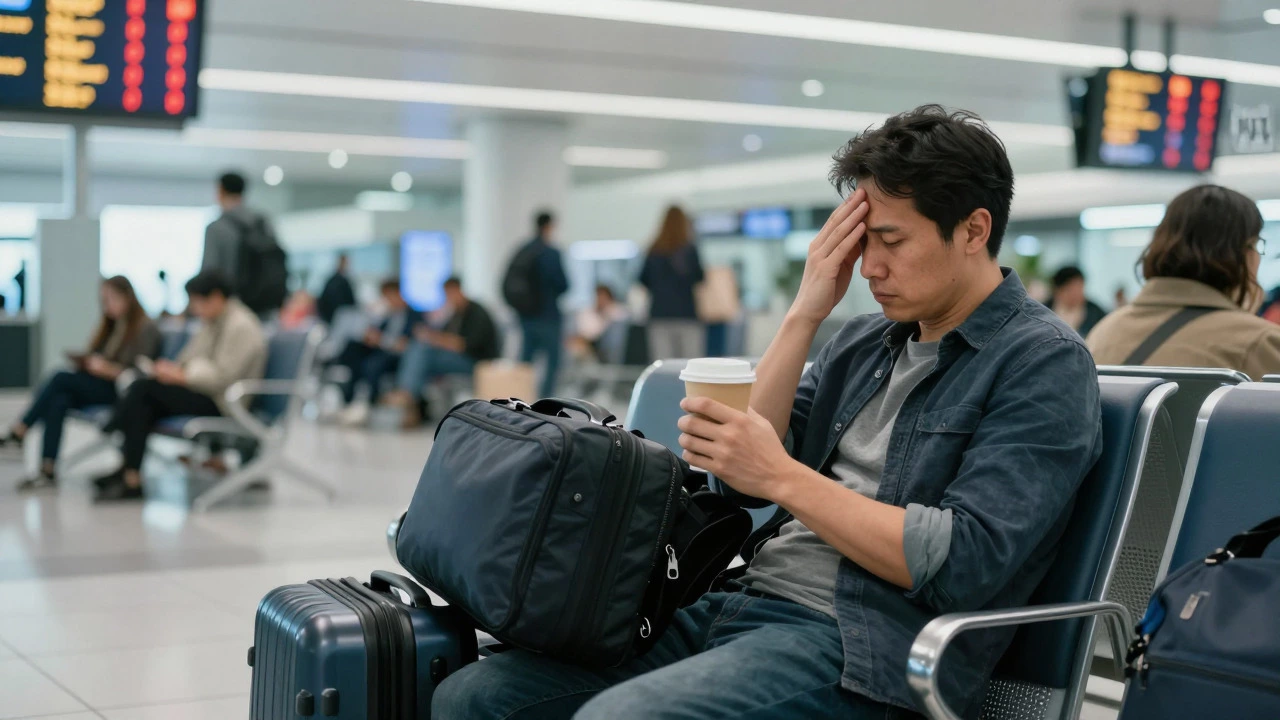
Imagine this: your flight is delayed by six hours. The terminal is chaotic, the coffee is lukewarm, and you’re sitting on a hard plastic chair with your bag on your lap. In that moment, an airport hotel is a lodging facility located within or directly connected to an international or domestic airport terminal, designed for short-term stays during layovers or early departures. You might think, "Is it really worth paying double for a room just to sleep near my plane?" The answer isn't a simple yes or no. It depends entirely on your schedule, your budget, and how much stress you’re willing to handle.
The Real Cost of Convenience
Let’s talk money first, because that’s usually the biggest hesitation. Airport hotels typically charge a premium for their location. You’re not just paying for a bed; you’re paying for proximity. On average, rates are 30% to 50% higher than comparable hotels in the city center or suburbs. But when you factor in the hidden costs of staying elsewhere, the math changes.
If you book a hotel in town, you need to account for:
- Transportation: Taxis or ride-shares can cost $40-$80 round trip per person.
- Time buffer: You need to arrive at the airport 2-3 hours before an international flight. That means leaving your hotel much earlier.
- Risk: Traffic jams, missed connections, or car breakdowns can turn a minor delay into a missed flight.
For a solo traveler or a couple with a tight layover, the airport hotel often saves more in transport costs and peace of mind than it costs in the room rate. For families, though, the price tag gets steep fast. Four people times a high nightly rate plus food can easily exceed the cost of a decent suburban hotel plus two taxi rides.
When an Airport Hotel Makes Sense
There are specific scenarios where staying at an airport hotel is almost mandatory. If you have a red-eye flight departing at 5:00 AM, trying to navigate the city at 2:00 AM is a nightmare. An airport hotel lets you sleep until 3:00 AM, shower, and walk straight to the gate. No alarms, no traffic, no panic.
Another strong case is the long layover. If you have a 10-hour connection in a foreign country, going into the city requires visas (sometimes), complex transit systems, and a lot of energy. Staying airside (inside security) or landside (outside security but inside the airport complex) allows you to rest without the hassle of immigration or local navigation. Many modern airports, like Singapore Changi or Dubai International, have integrated hotels that make this transition seamless.
Business travelers also benefit significantly. If you’re flying out for a meeting at 6:00 AM, an airport hotel ensures you’re fresh and on time. The ability to work in a quiet room rather than a noisy terminal lounge is a major productivity boost.

When You Should Skip the Airport Hotel
Conversely, there are times when an airport hotel is a poor choice. If your layover is less than four hours, the check-in and check-out process might eat up half your time. Unless the hotel is truly inside the terminal, the logistics aren’t worth it. In these cases, look for paid lounges or sleeping pods instead.
If you’re traveling with children who need space to move around, a small hotel room can become a cage. A nearby hotel with a pool or playground offers a better experience for the kids, even if it’s 15 minutes away by car. Also, if you’re on a strict budget, the premium pricing of airport accommodations can drain your travel fund quickly. In that scenario, a hostel or a budget chain in the city center might be a smarter financial play, provided you leave plenty of buffer time.
Airside vs. Landside: Know the Difference
This is a crucial distinction that confuses many travelers. Airside refers to the area beyond passport control and security checks, while landside is the public area outside these checkpoints. Your choice between them dictates your entire experience.
| Feature | Airside (Inside Security) | Landside (Outside Security) |
|---|---|---|
| Access | Requires boarding pass and ID check | Public access, standard hotel entry |
| Check-in Time | Usually limited to flight departure day | Standard 24-hour availability |
| Food & Drink | Limited options, higher prices | Full restaurant/bar service |
| Best For | Long layovers, avoiding visa issues | Early flights, business stays, families |
| Cost | Often slightly higher due to exclusivity | Competitive market rates |
Choosing airside is ideal if you want to avoid re-doing security lines after a nap. However, amenities are often stripped back. Landside hotels offer more comfort, better dining, and sometimes gym access, but you must clear security again in the morning. Always check which side the hotel is on before booking.
Tips for Booking the Right Room
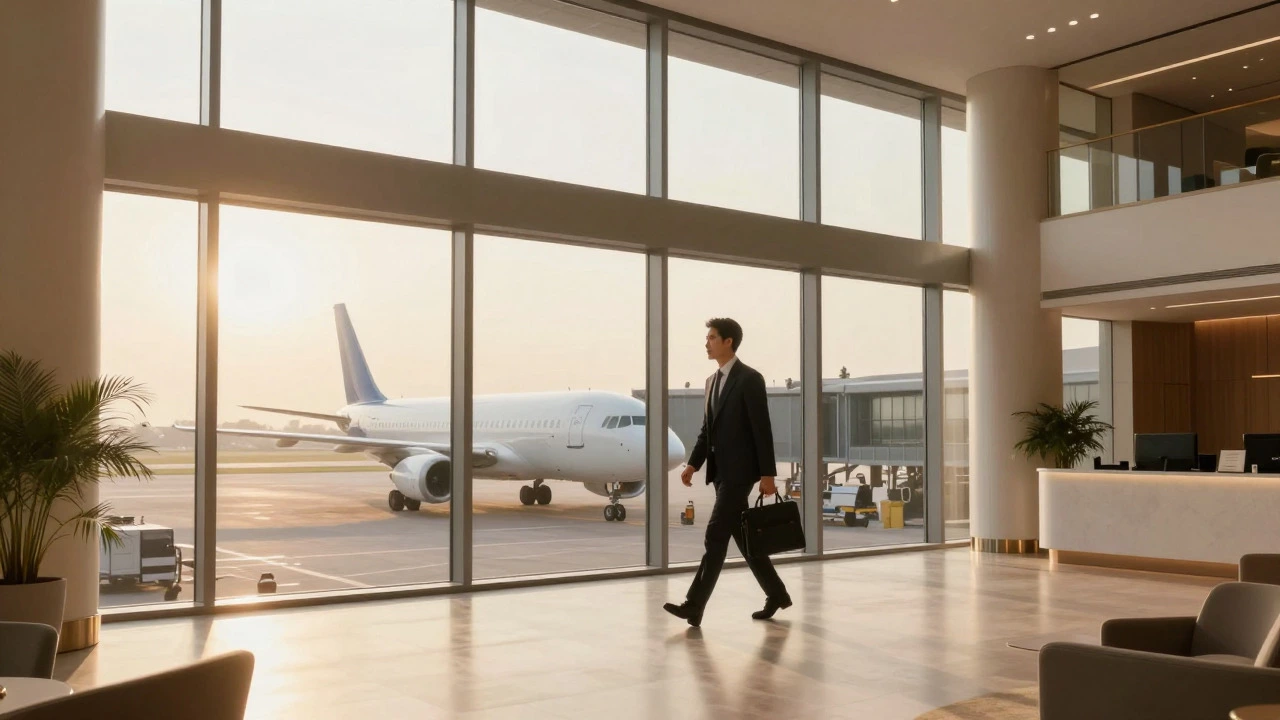
If you’ve decided an airport hotel is the right move, here’s how to maximize your stay. First, look for free shuttle services. Not all hotels provide them, and some only run during peak hours. Confirm the schedule against your flight times. Second, read recent reviews specifically mentioning noise. Even the best hotels can suffer from jet engine roar if they’re too close to the runway. Look for comments about "soundproofing" or "quiet rooms."
Third, consider the breakfast. A good, hot breakfast included in the rate adds significant value, especially for early flights. Finally, check the cancellation policy. Flight delays happen. If your flight is pushed back by 24 hours, you don’t want to pay for a night you didn’t use. Flexible rates are worth the small premium.
Alternatives to Consider
Sometimes, a traditional hotel isn’t the only option. Many airports now offer sleeping pods, capsule hotels, or day-use suites. These are cheaper and faster to book. They lack the privacy of a full room but are perfect for a 3-4 hour power nap. Some airlines also partner with specific hotels for frequent flyers, offering discounted rates or points accrual. Check your loyalty program before booking directly.
Are airport hotels always more expensive?
Generally, yes. Due to high demand and limited supply, airport hotels command a premium of 30-50% over city hotels. However, when factoring in transport costs and time savings, the total expense can sometimes be lower for short-stay travelers.
Can I stay in an airport hotel without a flight ticket?
It depends on the location. Landside hotels usually accept any guest. Airside hotels often require a valid boarding pass for the same day. Always verify the access policy with the hotel before booking if you don’t have immediate flight details.
What is the best time to book an airport hotel?
Book as soon as your itinerary is confirmed. Airport hotels have limited inventory compared to city hotels, so rates rise quickly as the date approaches. Early booking also secures the best room types and flexible cancellation policies.
Do airport hotels have gyms or pools?
Most mid-range and luxury airport hotels have basic fitness centers. Pools are rarer due to space constraints but are found in larger complexes or resort-style airport hotels. Check the amenities list carefully, as "fitness center" does not always mean a full gym.
Is it safe to stay in an airport hotel late at night?
Yes, generally very safe. Airport areas are heavily patrolled and well-lit. For solo female travelers or those unfamiliar with the area, an airport hotel eliminates the risk of navigating unknown neighborhoods late at night.