Boutique vs. Chain Hotel Value Calculator
Are you overpaying for style? Enter your trip details to see if the boutique premium is justified by location savings and included amenities.
Trip Details
Enter your data and click Calculate to see the comparison.
You book a night at a sleek, design-forward hotel in the city center. The photos look incredible, the reviews rave about the personalized service, and the vibe feels exclusive. Then you see the price tag. It’s significantly higher than the standard four-star chain just two blocks away. Your first thought is usually, "Why am I paying more for fewer rooms?"
This is the million-dollar question in modern hospitality: Are boutique hotels more expensive? Generally, yes, but often due to higher per-guest service ratios, unique architectural preservation costs, and niche amenities rather than just brand markup. But "expensive" is a relative term. If you are looking for a bed to sleep in, a boutique hotel is almost always pricier. If you are looking for an experience that saves you time, offers superior local access, or provides a level of privacy big chains cannot match, the math changes completely.
The Short Answer: Why The Price Gap Exists
Let's cut through the marketing fluff. Boutique hotels cost more primarily because they lack economies of scale. A large Hilton or Marriott can buy linens, toiletries, and food in bulk quantities that would make a boutique owner weep with envy. They also spread their fixed costs-like staff salaries, building maintenance, and software licenses-across hundreds of rooms. A boutique property might have only twenty rooms. To keep the lights on and pay skilled staff who actually know your name, they must charge a premium per room.
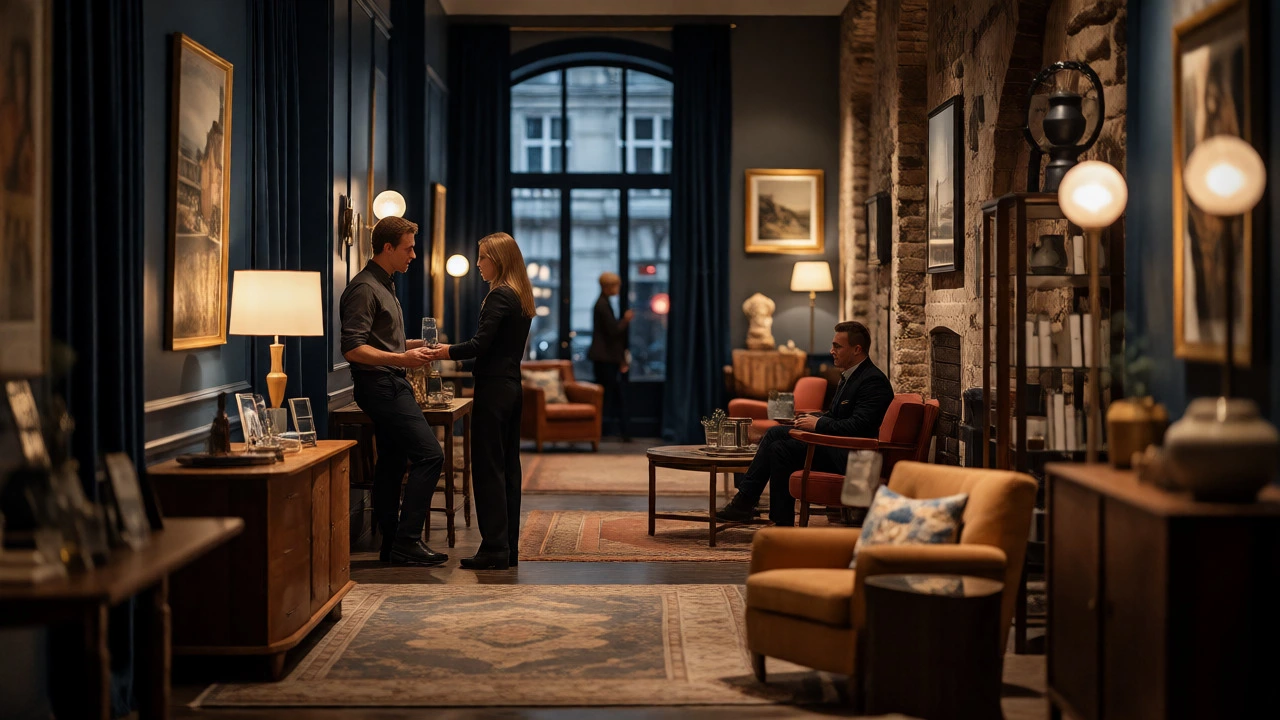
But it isn't just about overheads. It's about what you get. When you stay at a Boutique Hotel, you are paying for curation. Every chair, every piece of art, and every playlist has been selected by someone with taste. You aren't getting a cookie-cutter lobby; you're getting a space designed to feel like a private club. That design effort costs money. Furthermore, many boutique properties occupy historic buildings. Maintaining a Georgian townhouse in Bath or a converted warehouse in Brooklyn is far more expensive than maintaining a concrete box built in 1995.
Boutique vs. Chain: A Value Comparison
To understand if you're getting ripped off or getting value, you need to compare apples to apples. Let's look at a typical mid-range scenario in a major European city.
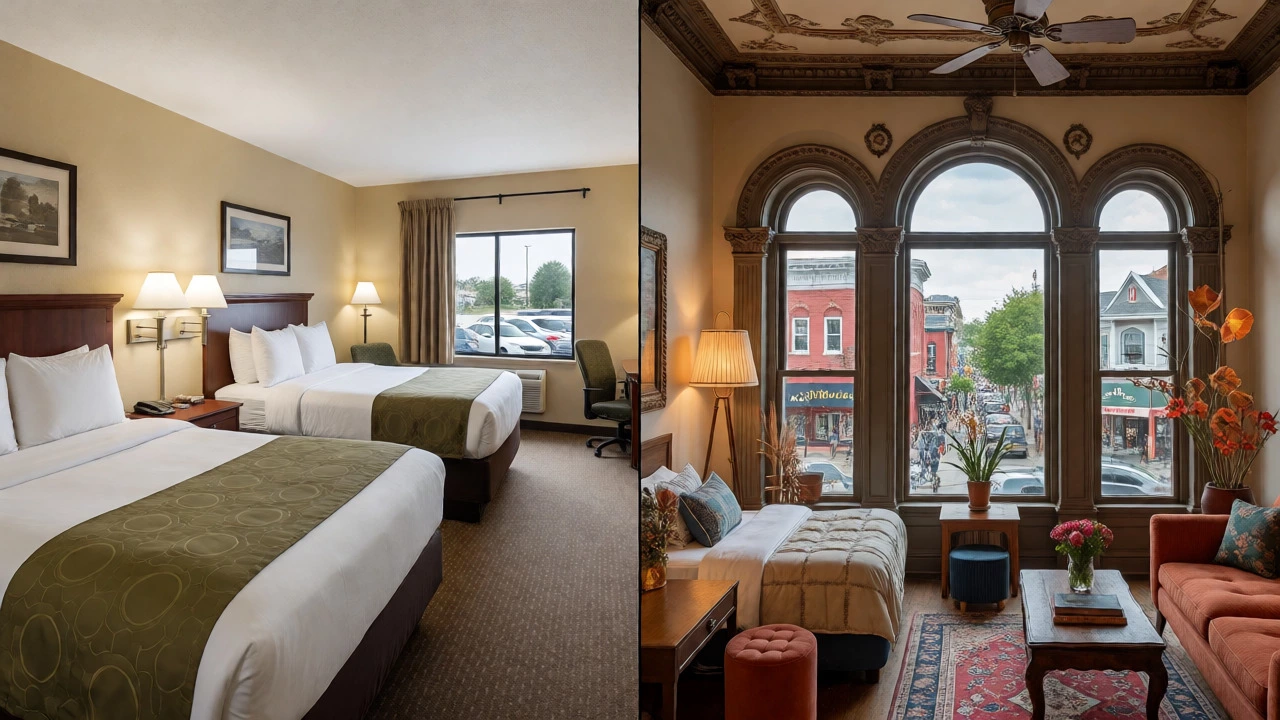
| Feature | Major Chain (4-Star) | Boutique Hotel |
|---|---|---|
| Average Nightly Rate | $180 - $220 | $250 - $350 |
| Room Size | Standardized (often smaller) | Varies (often larger or uniquely shaped) |
| Staff-to-Guest Ratio | Low (high volume) | High (personalized attention) |
| Dining Options | Generic buffet or room service | Local chef-driven menus, high-quality ingredients |
| Loyalty Program | Strong points system, global redemption | Rarely exists, or non-transferable perks |
| Location | Often suburban or business districts | Frequently central, historic, or trendy neighborhoods |
Notice the location factor. Chains often build where land is cheap. Boutiques thrive where culture lives. If you save $50 on the room rate but spend $60 on taxis because your hotel is ten miles from the action, the boutique was actually cheaper. This is the hidden cost of "cheap" lodging.
Hidden Costs and Hidden Savings
Here is where things get tricky. Boutique hotels are notorious for adding extras that chains include for free-or vice versa. You need to read the fine print before you decide which is truly more expensive.
- Wi-Fi: Many chains now offer free Wi-Fi as a loyalty perk. Some independent boutiques still charge $10-$15 per day. However, some high-end independents include it in the base rate to compete.
- Breakfast: A chain might offer a mediocre continental breakfast for $25 extra. A boutique might include a gourmet, locally sourced breakfast in the room rate. If you eat out, that included meal could offset the higher room price.
- Resort Fees: While more common in US resorts, some urban boutiques add "destination fees" for using the gym, pool, or providing bottled water. Always check the total tax-inclusive price.
- Minibar: In a chain, the minibar is likely overpriced soda and nuts. In a boutique, it might be artisanal snacks and local wine. You'll probably spend more there, but you might actually enjoy it.
Conversely, boutiques often save you money on experiences. Because they are embedded in the neighborhood, the concierge isn't reading from a script. They might tell you about a pop-up market happening next Tuesday or a reservation-only jazz bar around the corner. Finding these places yourself takes time and research. For a busy traveler, that time is money.
When Is A Boutique Hotel Worth The Premium?
If you are traveling for strict business and just need a reliable shower and a desk, skip the boutique. You won't notice the curated art, and you don't want to chat with the owner about their vintage furniture collection when you have a conference call. But consider the premium worth it in these scenarios:
- Romantic Getaways: The atmosphere matters. Big hotels feel institutional. Boutiques feel intimate. If you are celebrating an anniversary, the mood is part of the product.
- First-Time City Visits: If you don't know the area, a boutique's local expertise is invaluable. They curate the destination for you.
- Design Enthusiasts: If you appreciate architecture, interior design, or history, the hotel itself is an attraction. Staying in a restored Art Deco mansion is an experience, not just accommodation.
- Solo Travelers Seeking Safety and Community: Smaller lobbies mean you are more likely to meet other travelers. The staff knows everyone. It feels safer and less isolating than a massive lobby where you are anonymous.

How to Find Affordable Boutique Experiences
Just because they are generally more expensive doesn't mean you can't find a deal. The key is timing and flexibility.
Book Direct: Independent hotels rarely have the budget for massive advertising campaigns. They rely on word-of-mouth and direct bookings. Call them. Ask if they have any unpublished rates or if they will waive the resort fee if you book directly through their website. Often, you can negotiate a better rate than what you see on Booking.com or Expedia.
Travel Off-Peak: Boutique hotels are sensitive to demand. If you visit a coastal town in November instead of July, prices can drop by 40%. Since they have fewer rooms, they are desperate to fill them during slow periods.
Look for "Soft Opening" Rates: New boutique properties often launch with introductory pricing to generate reviews. Check social media for new openings in your destination. You might get a five-star experience for a three-star price while they work out the kinks.
Consider "Boutique-Style" Chains: Some larger brands have launched lifestyle sub-brands that mimic the boutique aesthetic at a lower price point. Think Canopy by Hilton or Moxy Hotels. These offer the design-forward vibe without the full independent overhead, though you lose some of the genuine local character.
The Verdict: Are You Overpaying?
No, you aren't overpaying if you value service, location, and uniqueness. Yes, you are overpaying if you treat the hotel purely as a utility for sleeping.
Think of it this way: A chain hotel is like buying a suit off the rack. It fits well enough, it looks professional, and it’s affordable. A boutique hotel is like having a suit tailored. It costs more upfront, but it fits you perfectly, makes you feel confident, and lasts longer. Whether that tailoring is worth the extra cash depends entirely on how much you care about the fit.
In today's travel landscape, the gap is narrowing. As consumers demand more authenticity, even big chains are trying to become more "boutique." Meanwhile, some boutiques are raising prices so high they lose their charm. Do your homework. Read recent reviews specifically mentioning value for money. Look for photos of the actual room, not just the lobby. And remember, the most expensive thing on your trip isn't the hotel-it's the regret of staying somewhere soulless when you could have stayed somewhere special.
Why are boutique hotels so expensive compared to hostels?
Hostels sell beds in shared spaces with minimal services. Boutique hotels sell private, curated experiences with high staff-to-guest ratios, premium locations, and bespoke amenities. The cost difference reflects the shift from basic shelter to hospitality and comfort.
Do boutique hotels offer loyalty programs?
Most independent boutique hotels do not have traditional loyalty programs like Marriott Bonvoy or Hilton Honors. However, many join collective networks like Small Luxury Hotels of the World (SLH) or Leading Hotels of the World, which offer some recognition and perks across their member properties.
Is the internet speed worse in boutique hotels?
Not necessarily. While older historic buildings may have infrastructure challenges, many boutique hotels invest heavily in high-speed fiber optics to attract digital nomads. Always check recent reviews for comments on Wi-Fi reliability, as this varies more by individual property than by hotel type.
Can I negotiate rates at a boutique hotel?
Yes, especially for longer stays or last-minute bookings. Unlike large chains with rigid revenue management algorithms, boutique owners often have discretion to adjust rates. Calling the front desk directly and asking for a best available rate can sometimes yield a discount or added perks like late checkout.
What defines a 'boutique' hotel exactly?
There is no single legal definition, but generally, boutique hotels are small (usually under 100 rooms), independently owned or part of a small group, and feature distinctive, stylish design and personalized service. They prioritize atmosphere and local character over standardized consistency.