Glamping Toilet Calculator
Your Glamping Details
Your Results
Your Expected Toilet Type
Key Features
What to Pack
When you picture glamping, you might think of cozy beds under the stars, wood-burning stoves, and sunrise coffee on a wooden deck. But one question keeps popping up: are there toilets in glamping tents? The answer isn’t simple-it depends on where you are, how much you’re willing to pay, and what kind of experience you’re after.
Glamping Isn’t One Thing
The word "glamping" is a mix of "glamorous" and "camping," but that doesn’t mean every glamping site is the same. Some are basic safari-style tents with shared bathroom blocks. Others are luxury pods with en-suite bathrooms, heated floors, and rainfall showers. The level of comfort varies wildly, and toilets are no exception.Most modern glamping sites-especially those marketed as eco-friendly-offer private or semi-private sanitation options. You won’t find pit toilets in the woods unless you’re paying $30 a night. If you’re spending $150 or more per night, you’re almost certainly getting your own toilet.
Types of Toilets You’ll Find
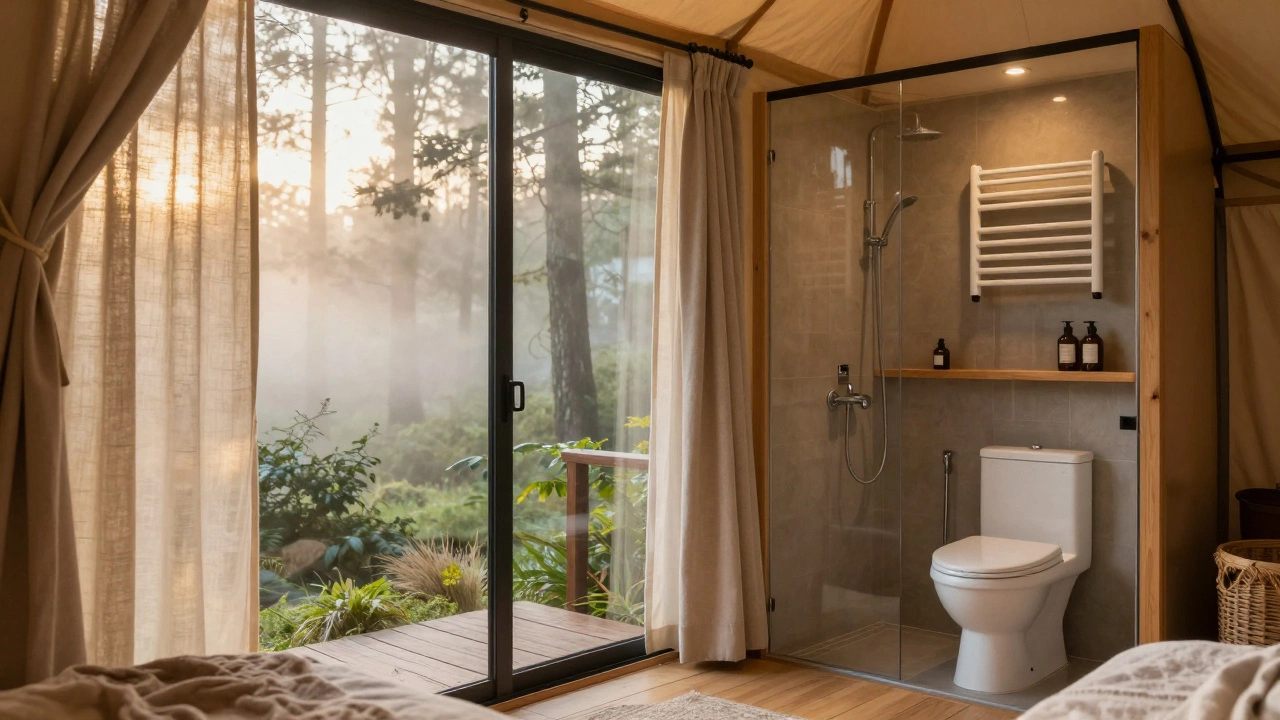
There are three main setups you’ll come across:- En-suite bathrooms inside the tent: These are the gold standard. Think flush toilets, running water, and real plumbing. They’re common in upscale glamping sites in Europe, Canada, and the U.S. Pacific Northwest. Some even have heated towel rails and organic toiletries.
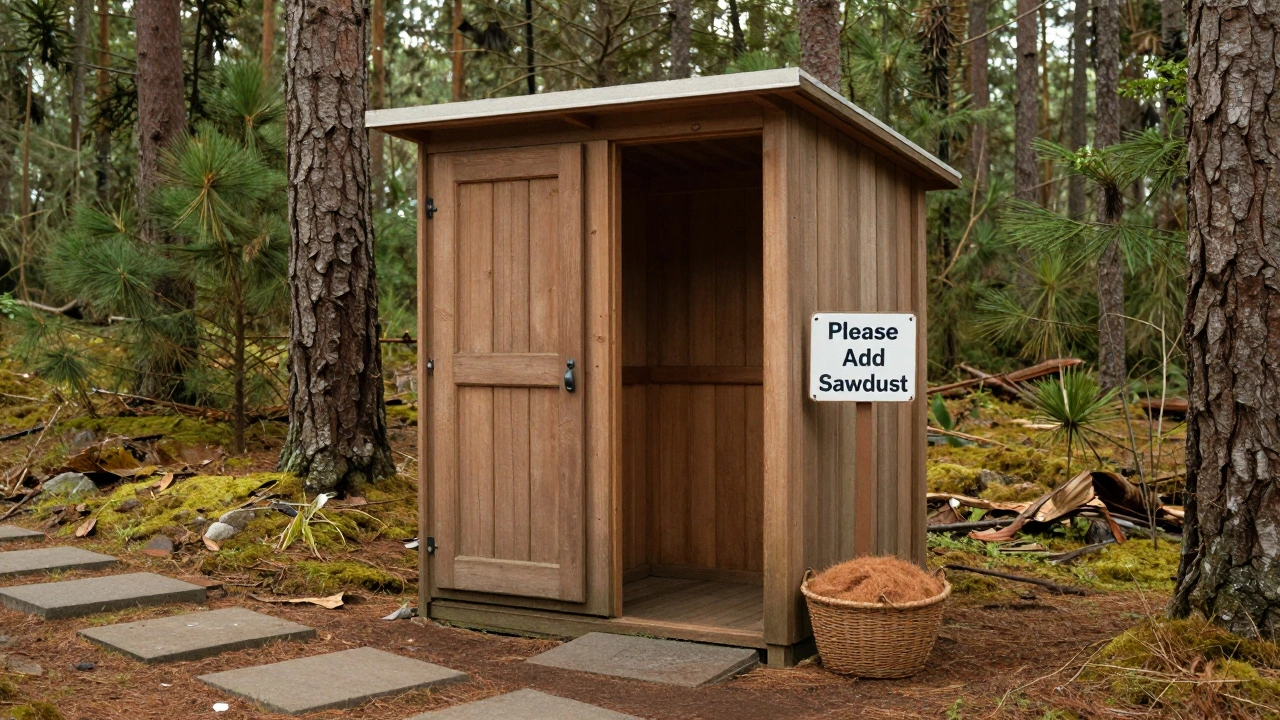
- Private outdoor toilets: A small wooden shed a few steps from your tent, with a composting or flush toilet. These are popular in eco-conscious spots that avoid burying pipes. You get privacy, but no running water inside your living space.
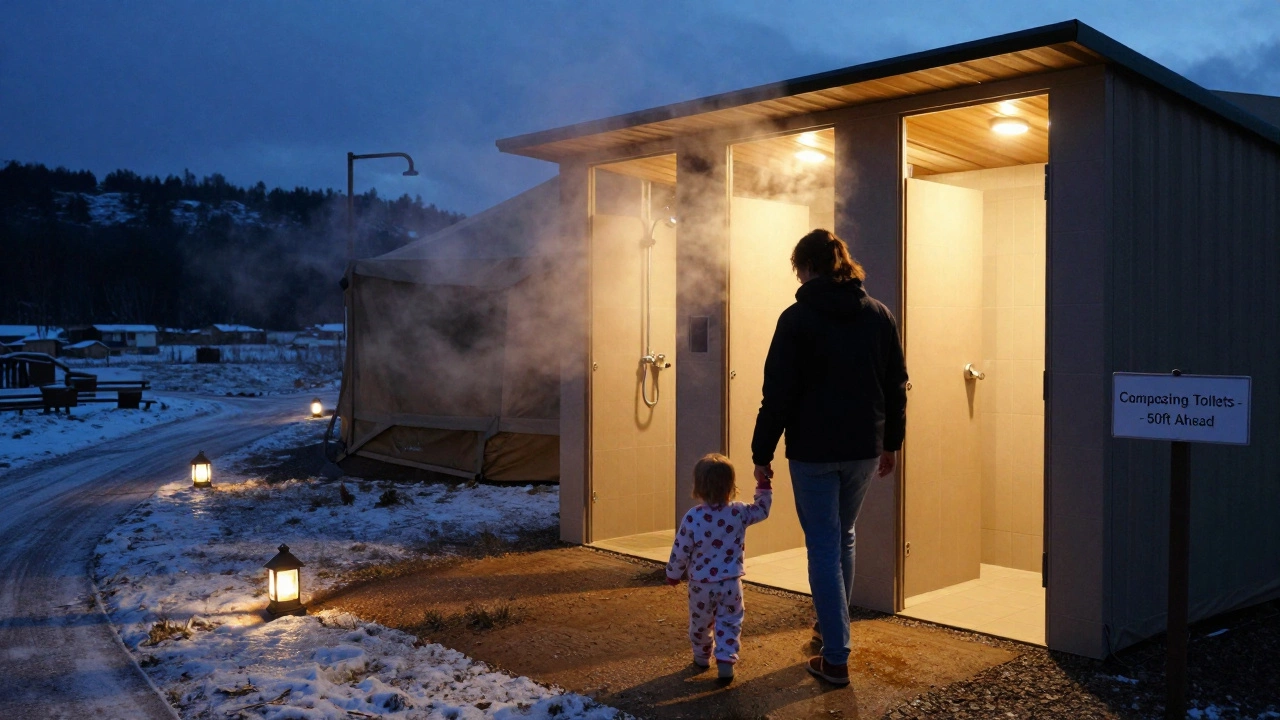
- Shared bathroom blocks: Found at mid-range sites. These are clean, well-maintained facilities with multiple stalls, sinks, and showers. They’re often heated and stocked with soap. You’ll walk 50 to 150 feet to use them.
Composting toilets are becoming the norm in eco-friendly glamping. They don’t need water or sewage lines. Instead, they break down waste naturally using sawdust or coconut coir. They’re odor-free when maintained properly and leave zero environmental footprint. Many sites proudly advertise them as part of their sustainability story.
What Makes a Glamping Toilet "Eco-Friendly"?
Eco-friendly doesn’t just mean no chemicals. It means:- No connection to municipal sewage systems
- Waterless or low-flow fixtures
- Renewable energy powering lighting or ventilation
- Biodegradable cleaning products
- Waste turned into compost for landscaping
For example, a site in the Scottish Highlands uses solar-powered ventilation in each composting toilet and collects greywater from sinks to irrigate native wildflowers. Another in Oregon uses rainwater harvesting to flush toilets-no groundwater drawn at all.
These systems aren’t just gimmicks. They’re practical. In remote locations, running sewer lines or water pipes is expensive, disruptive to wildlife, and often against local conservation rules. Glamping sites that invest in smart sanitation do it because they have to-and because it works.
What to Ask Before You Book
Don’t assume. Always check the details. Here’s what to look for:- Does the listing say "private bathroom" or "en-suite"? That usually means flush toilet inside.
- Is there a photo of the toilet? If not, message the host. Some sites hide this info to avoid scaring people off.
- Look for keywords: "composting toilet," "off-grid sanitation," "eco-loo," or "outdoor privy." These tell you what you’re getting.
- Check reviews. Someone always mentions the bathroom. Read the 1-star reviews-they’re brutally honest.
- Ask about maintenance. How often are the toilets emptied or serviced? A composting toilet that hasn’t been touched in a month can start to smell.
One guest at a popular glamping site in Vermont wrote: "The tent was perfect, but the composting toilet hadn’t been emptied in three days. I had to use the shared block. Never again." That’s the kind of detail you want to know before you go.
Family-Friendly or Romantic? Toilets Matter
If you’re bringing kids, you’ll want an en-suite or very close toilet. A 200-foot walk at night with a toddler in pajamas? Not fun. Many family-focused glamping sites now include baby-changing stations in bathrooms or even portable potties for kids near the tent.For couples, privacy and ambiance matter. A flush toilet with soft lighting and a window view can be part of the romance. A shared block with noisy showers and flickering lights? Not so much. Some luxury glamping sites even install heated floors and aromatherapy diffusers in the bathroom-yes, really.
What About Winter?
In cold climates, plumbing freezes. That’s why many glamping sites switch to composting toilets or chemical toilets in winter. Some use insulated pipes with heat tape. Others simply shut off water lines and rely on dry systems.One site in Banff, Canada, uses a hybrid system: flush toilets in summer, composting toilets in winter. They label each tent clearly so guests know what to expect. They also provide warm hand sanitizer and heated towel rails-small touches that make a big difference when it’s -20°C outside.
Bottom Line: Yes, But It Depends
Are there toilets in glamping tents? Yes-most of the time. But they’re not always what you’d find at a hotel. You might get a quiet, elegant composting toilet that turns your waste into soil for wildflowers. Or you might walk to a clean, heated block down the path. Rarely will you be left with a hole in the ground.The key is matching your expectations to the price and location. If you want hotel-level comfort, pay for it. If you want to be off-grid and eco-conscious, embrace the composting loo. Either way, you’re not sacrificing dignity-you’re choosing a different kind of luxury.
What to Pack for Glamping Toilets
Even if your tent has a flush toilet, bring these:- Hand sanitizer (in case the soap runs out)
- Small towel or toilet paper holder (some sites provide thin, low-quality TP)
- Biodegradable wipes (for composting toilets-never flush regular wipes)
- Flashlight or headlamp (for nighttime walks to shared facilities)
- Small trash bag (for used wipes or feminine products-never leave them in the toilet)
And remember: if you’re using a composting toilet, always add a scoop of sawdust after use. It’s not optional-it’s how the system works.
Do all glamping tents have toilets?
No. Some glamping sites offer en-suite bathrooms, others have private outdoor toilets, and some rely on shared bathroom blocks. Budget glamping may not include any toilet inside the tent. Always check the listing details or message the host before booking.
Are composting toilets clean and odor-free?
Yes, when properly maintained. Composting toilets use natural decomposition and ventilation to break down waste without smell. Sites that take pride in their eco-standards empty and service them regularly. If a composting toilet smells bad, it’s usually because it hasn’t been maintained-not because the system doesn’t work.
Can I flush toilet paper in a glamping toilet?
Only if it’s a flush toilet connected to a septic or sewer system. In composting toilets or portable chemical toilets, flushable toilet paper can clog the system. Always look for signs or ask the host. When in doubt, use only the toilet paper provided or bring biodegradable options.
Are glamping toilets suitable for children?
It depends. En-suite bathrooms are easiest for kids. Private outdoor toilets are manageable if they’re close and well-lit. Shared blocks can be intimidating for young children, especially at night. Look for sites that mention family-friendly features like low sinks, step stools, or changing tables.
Why don’t all glamping sites have indoor plumbing?
Many glamping sites are in protected natural areas where installing pipes and sewage systems is illegal or environmentally harmful. Off-grid solutions like composting toilets, rainwater harvesting, and solar power let guests enjoy nature without damaging it. It’s not a limitation-it’s a design choice rooted in sustainability.