
Travel Style Matcher
Discover which type of vacation best matches your current needs. Based on your responses, we'll recommend whether a beach holiday or city break is the right choice for you right now.
Think about the last time you planned a trip. Did you lie awake at night wondering whether you’d rather wake up to waves lapping at your toes or the sound of a city coming alive at 7 a.m.? It’s not just about where you go-it’s about what kind of energy you’re looking for. A beach holiday promises slow days, sunburns, and zero plans. A city break delivers museums, street food, and a packed schedule that somehow still leaves you exhausted in the best way. But which one’s actually better? The answer isn’t about which is prettier or more Instagrammable. It’s about what you need right now.
What a Beach Holiday Actually Gives You
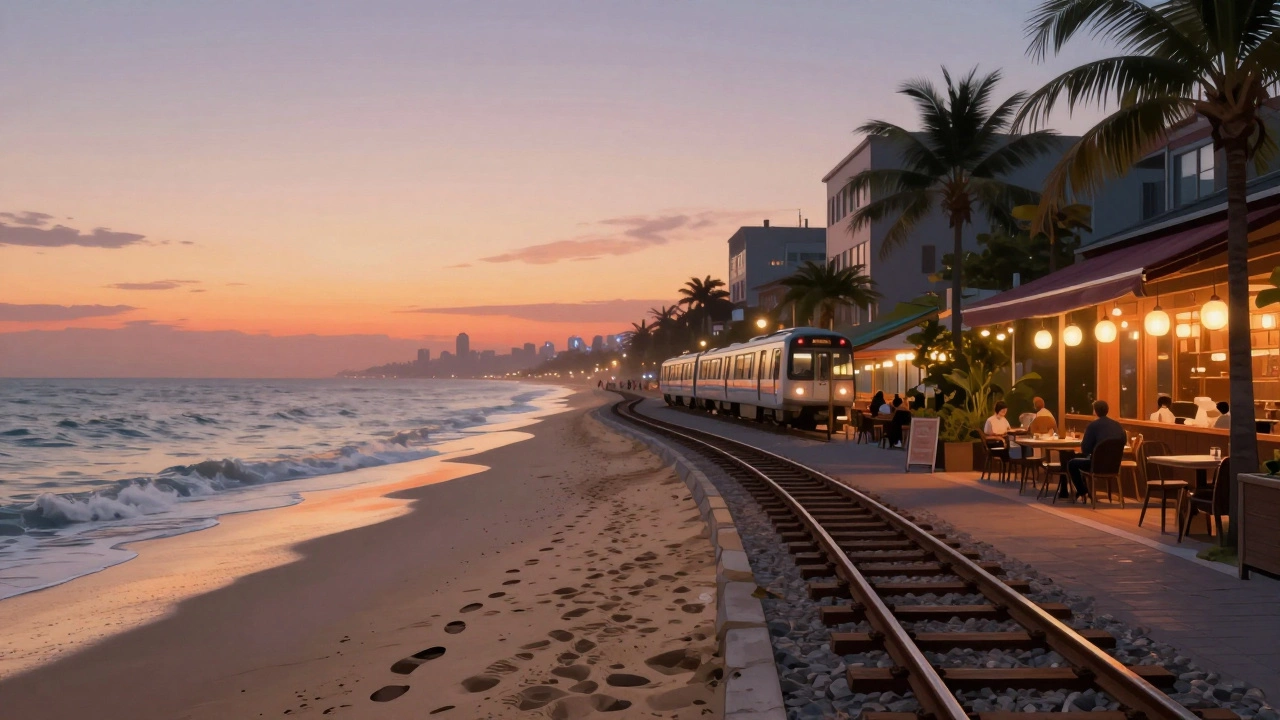
A beach holiday isn’t just sand and sun. It’s a reset button. When you’re lying under a sun umbrella with a book you’ve been meaning to read for six months, you’re not just relaxing-you’re recharging your nervous system. Studies show that being near water lowers cortisol levels. That’s not a marketing slogan. That’s science. The rhythm of the tide, the sound of gulls, the way the light hits the water at sunset-these aren’t just nice to have. They’re biological calming agents.
But here’s the catch: beach holidays demand time. You can’t do a beach holiday in three days. You need at least five, ideally seven, to really unwind. If you’re trying to escape burnout, you need space to let your brain stop buzzing. That means no checking emails, no planning the next day’s itinerary. You show up, you sink into the rhythm, and you let the days blur. The best beach destinations-think the Algarve, the Outer Banks, or the Greek islands-don’t have Wi-Fi in every café. And that’s the point.
But if you’re the kind of person who gets restless sitting still, a beach holiday can feel like punishment. No museums. No live music. No spontaneous tapas crawl at midnight. Just you, the ocean, and the slow creep of time. For some, that’s heaven. For others, it’s boredom in slow motion.
What a City Break Actually Delivers
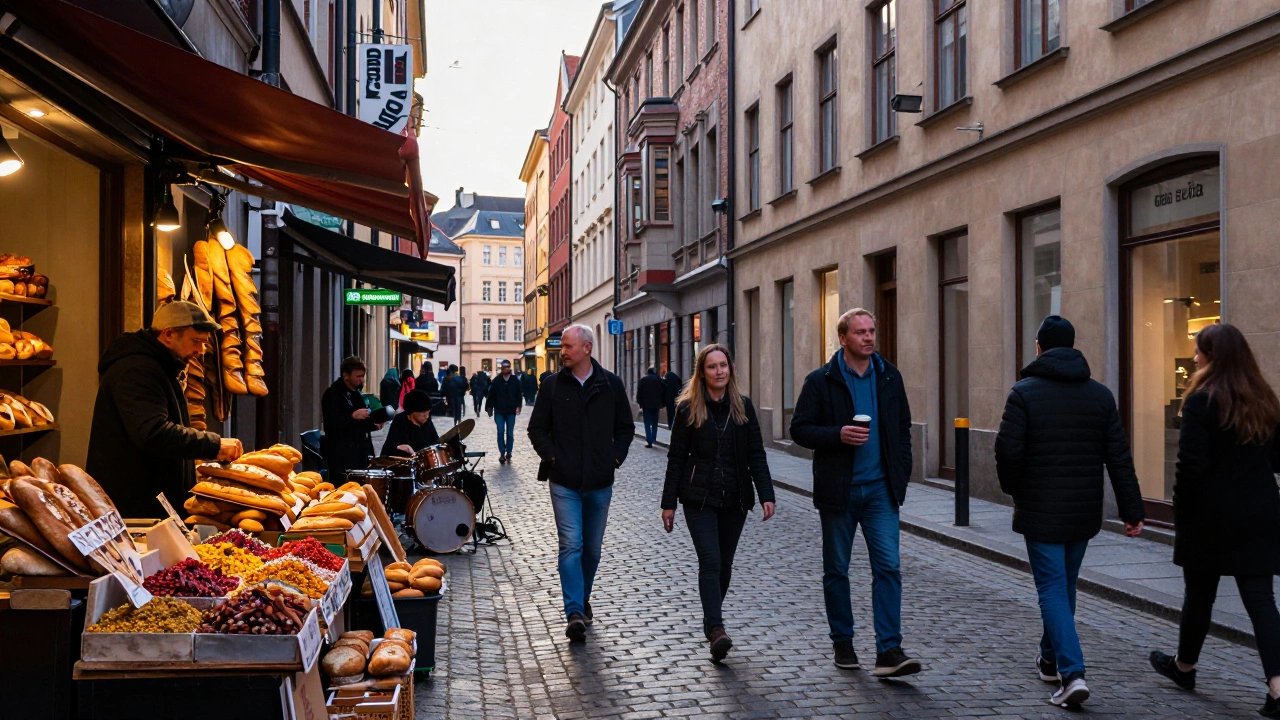
A city break is a sensory overload-and that’s the whole point. You wake up, grab a coffee from a corner shop that’s been there since 1987, and spend the morning wandering through a market where the smell of fresh bread mixes with incense and diesel. You stumble into a tiny gallery you’ve never heard of, then end up in a basement bar where a jazz trio is playing for tips and a bottle of wine.
Cities like Lisbon, Berlin, or Kyoto don’t just have things to do-they have layers. You can visit a 12th-century cathedral in the morning and eat vegan dumplings in a converted subway station by lunch. You can take a guided walking tour about the city’s hidden resistance history, then spend the afternoon people-watching in a park while sipping a cheap beer. There’s no downtime because you don’t need it. The city itself is the entertainment.
And here’s the truth most travel blogs won’t tell you: city breaks are often cheaper than beach holidays. You don’t need a villa. You don’t need to rent a car. You walk everywhere. A €15 hotel room in Prague, a €3 tram ticket, and a €7 dinner at a local spot can give you a full day of unforgettable experiences. Beach resorts? They charge you €12 for a soda. You’re paying for the view, not the experience.
The Hidden Cost of Each Choice
Beach holidays look simple. But they come with hidden expenses. Flights to tropical destinations are expensive. You need sunscreen, beach towels, snorkel gear, and a rental car if you want to explore beyond your resort. And if you’re traveling with kids? You’re paying for babysitters, kids’ clubs, and extra meals. The all-inclusive package? It’s a trap. You pay upfront for everything, then realize you’re eating the same buffet three times a day and spending your days waiting for a lounge chair to free up.
City breaks have their own traps. You might book a hotel that looks great online, only to find it’s above a noisy bar. You might end up walking 10 miles a day because you didn’t realize how spread out everything is. You might get pickpocketed if you’re not careful. But here’s the thing: these aren’t deal-breakers. They’re part of the experience. The city doesn’t care if you’re tired. It keeps going. And that’s what makes it alive.
Who Wins If You’re Traveling With Kids?
Beach holidays win for toddlers. Sand is free entertainment. Water is a natural playground. You don’t need to plan a single activity-just hand them a bucket and let them go. But for older kids? A city break can be more exciting. They’ll love riding the metro, eating ice cream from a street cart in Rome, or hunting for hidden murals in Berlin. Cities have museums designed for kids, interactive science centers, and parks with playgrounds that actually have slides, not just swings.
And let’s be real: kids get bored on beaches too. After two days of digging holes and chasing crabs, they’re begging for something to do. A city gives you options. You can switch from a history museum to a chocolate factory tour to a rooftop playground in under an hour. You’re not stuck. You’re exploring.
Who Wins If You’re Traveling With a Partner?
If you want to disconnect and reconnect, go to the beach. No distractions. Just you, your partner, and the sound of the tide. You can hold hands walking at sunset. You can read together under a towel. You can have long, slow conversations without the buzz of notifications in the background.
But if you want to feel alive again-to rediscover excitement, curiosity, even a little spark-a city break does that better. You try new food together. You get lost in a neighborhood and laugh about it. You find a hidden jazz club and dance badly. You argue over which museum to visit next. You come home tired, but not empty. You feel like you’ve done something real.
The Real Question: What Are You Running From?
Here’s the secret nobody talks about: you don’t choose a beach holiday because you want sun. You choose it because you’re running from noise. You choose a city break because you’re running toward energy. One is about escape. The other is about engagement.
If you’ve been working 60-hour weeks, drowning in Zoom calls, and can’t remember the last time you took a full breath-you need the beach. You need silence. You need to feel the sun on your skin and let your mind go quiet.
If you’ve been stuck in a rut, feeling like life is passing you by, and you’re craving something that makes you feel awake-you need the city. You need to be surprised. You need to taste something new. You need to feel the pulse of a place that never sleeps.
What If You Can’t Decide?
Here’s a trick that works: do both. Book a five-day trip. Spend the first two days in a city-explore, eat, wander. Then take a train or a short flight to a coastal town. Spend the next three days doing nothing. You get the best of both. You leave the city buzzing with ideas, then let the sea wash them away.
Some of the best trips I’ve taken were hybrids. A weekend in Barcelona, then three days on the Costa Brava. A trip to Amsterdam, then a train ride to the Dutch coast. You don’t have to pick one. You just have to let yourself want both.
Final Thought: It’s Not About the Place. It’s About the State of Mind.
There’s no objectively better option. A beach holiday isn’t more relaxing if you’re checking your phone every hour. A city break isn’t more exciting if you’re just taking selfies in front of landmarks. What matters is whether you’re truly present. Whether you’re letting the place change you, even a little.
So ask yourself: do you need to slow down? Or do you need to wake up?
Is a beach holiday cheaper than a city break?
Not usually. Beach holidays often cost more because of flights to tropical destinations, resort fees, and the need for rentals like cars or beach equipment. City breaks can be cheaper-you can stay in budget hotels, use public transport, eat at local markets, and walk everywhere. A €20 daily budget in a European city is doable; the same in the Caribbean usually isn’t.
How long should a city break be?
Three to four days is ideal. Enough time to explore without burnout. You need one full day for sightseeing, one for wandering, one for food and culture, and a half-day to relax or shop. Anything shorter feels rushed. Longer than five days, and you start to miss the rhythm of home.
Can you do a beach holiday in Europe without flying far?
Absolutely. The Adriatic coast in Croatia, the Algarve in Portugal, the French Riviera, and the Greek islands are all reachable by short flights or even overnight trains. Even in the UK, places like Cornwall, the Jurassic Coast, or the Isle of Wight offer real beach time without leaving Europe.
Are city breaks good for solo travelers?
Yes, better than beaches. Cities have hostels with social spaces, walking tours that connect you with others, cafes where you can sit alone without feeling weird, and events like pub quizzes or live music that make it easy to meet people. Beaches, especially all-inclusive ones, can feel isolating when you’re alone.
What’s the best time of year for a city break?
Spring (April-May) and fall (September-October) are ideal. The weather is mild, crowds are thinner, and prices are lower than in summer. Winter can be great too-think Christmas markets in Vienna or cozy cafés in Prague. Avoid July and August in popular cities unless you want to pay double and wait in lines.
Do you need to speak the local language for a city break?
No, but learning a few phrases helps. Saying "thank you," "hello," and "where is the bathroom?" in the local language opens doors. Locals appreciate the effort. In cities like Paris, Berlin, or Tokyo, English is widely spoken in tourist areas, but you’ll find better food and service when you make the effort.
If you’re still unsure, try this: look at your calendar. What’s the next break you can take? Two days? Five? What do you feel like doing when you’re not working? That’s your answer.