Short Break Destination Matcher
What is your nightly accommodation budget?
This helps us filter cities that fit your financial comfort zone.
How much time can you spend traveling?
Door-to-door time matters. Do you want to minimize transit or are you willing to fly?
What kind of vibe are you looking for?
Match the city's personality to your current mood.
How long is your break?
This helps us suggest cities that can be explored efficiently in your timeframe.
Your Top Matches
Running out of steam? You don't need a two-week flight to Lisbon or a complicated visa application to feel refreshed. A short break is the perfect antidote to burnout, offering a quick reset without draining your holiday allowance. Whether you have just 48 hours or a long weekend, the right destination can make a huge difference. The key is choosing a place that balances accessibility with enough charm to pull you out of your daily routine.
Living in Bath gives me a unique perspective on what makes a short trip work. It’s close enough to London for a day trip, yet far enough to feel like an escape. But when you step beyond the county lines, the options explode. From the buzzing streets of Manchester to the quiet corners of Edinburgh, there’s a vibe for every traveler. Let’s look at where you should actually go if you want to maximize those few days off.
Why City Breaks Are the Best Use of Your Time Off
There is a reason why urban escapes dominate the travel calendar. Unlike remote beach resorts that require significant transit time, cities are often reachable by train or direct flight within three hours. This efficiency means you spend more time experiencing the destination and less time in transit. For many, the energy of a city is exactly what they lack during the week. The noise, the lights, and the sheer density of people can be invigorating rather than exhausting.
However, not all city breaks are created equal. Some cities feel like museums, while others feel like living organisms. The best short breaks offer a mix of iconic sights and hidden gems. You want a place where you can see the main attractions in one day but still find yourself wandering into a local market or a quiet park the next morning. This balance prevents decision fatigue and ensures you leave feeling satisfied, not rushed.
Top UK Destinations for a Quick Reset
If you prefer to stay domestic, the UK offers some incredible options that are easily accessible from most major hubs. These destinations combine rich history with modern amenities, making them ideal for travelers who want depth without the hassle of international borders.
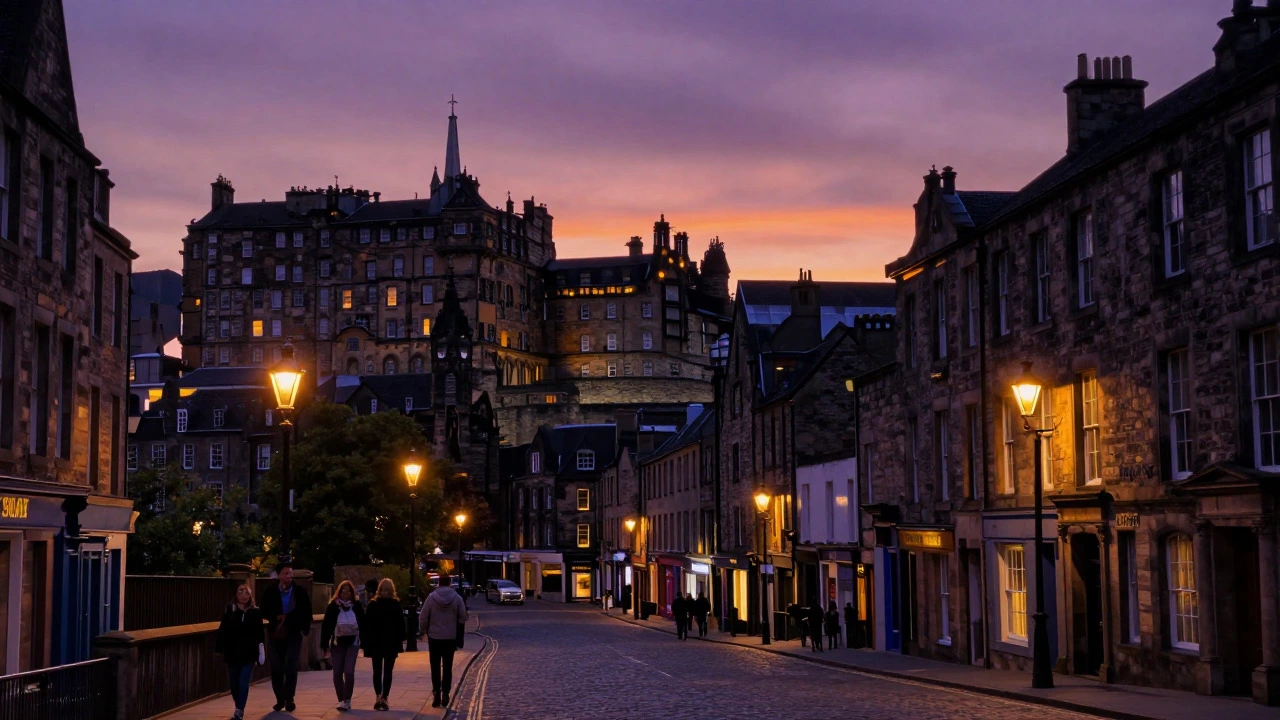
- Edinburgh: The capital of Scotland is a masterpiece of medieval architecture and modern culture. The Royal Mile is crowded, but the Old Town closes are surprisingly quiet. You can visit the castle in the morning, explore the independent bookshops in the afternoon, and catch a live music session in a pub in the evening. It’s intense, atmospheric, and unforgettable.
- Bristol: Known for its street art and creative scene, Bristol feels younger and edgier than its neighbors. The harborside is great for food, but the real magic is in the independent galleries and the Clifton Suspension Bridge views. It’s a city that rewards curiosity.
- Manchester: Often underrated as a tourist destination, Manchester is vibrant and affordable. The Northern Quarter is a hub for fashion and food, while the Albert Hall hosts world-class concerts. It’s perfect for those who want a lively nightlife scene without the London prices.
- Cardiff: Wales’ capital is compact and manageable. You can walk the entire city center in an hour. The Cardiff Castle is impressive, and the waterfront has been transformed into a sleek area with excellent restaurants. It’s a great choice for a relaxed weekend.
Each of these cities has a distinct personality. Edinburgh is dramatic, Bristol is artistic, Manchester is energetic, and Cardiff is welcoming. Choosing one depends on what kind of energy you’re seeking. Do you want to be overwhelmed by history, or do you want to relax in a trendy café? Match the city to your mood.
European Escapes That Fit Into a Long Weekend
If you’re willing to take a short flight, Europe opens up a world of possibilities. Many European capitals are within a three-hour flight from the UK, making them feasible for a four-day trip. The key here is to pick a city that doesn’t require too much internal transport. Walking-friendly cities are best for short stays.
- Brussels: The heart of Europe is smaller than people think. You can see the Grand Place, the Atomium, and countless museums in a single day. The food scene is exceptional, with waffles, chocolates, and beer being just the tip of the iceberg. It’s a great gateway to other parts of Belgium.
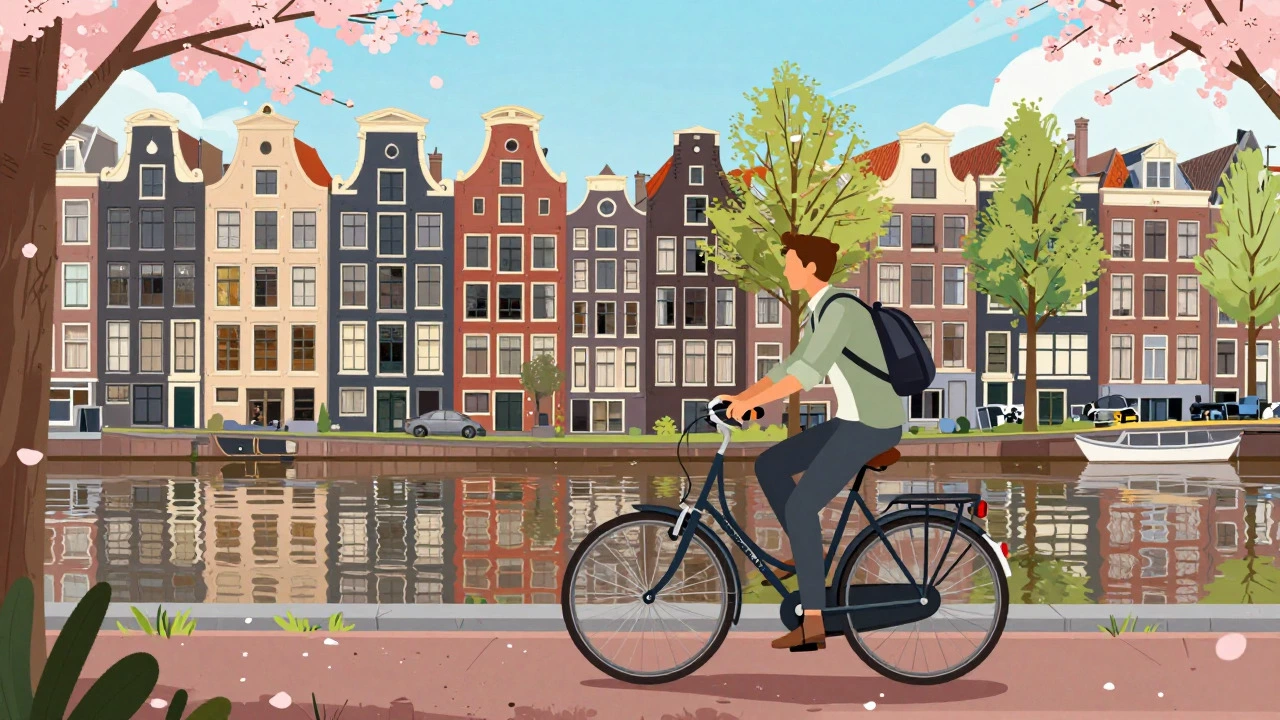
- Amsterdam: While famous for its canals, Amsterdam is also a city of parks, museums, and cycling. Renting a bike is the best way to explore. The city is flat, so it’s easy to cover ground quickly. The Rijksmuseum and Van Gogh Museum are world-class, but even just walking through the Jordaan district is worth the trip.
- Barcelona: A bit further away, but still doable. Barcelona is a feast for the senses. The architecture of Gaudí is surreal, the beaches are nearby, and the tapas culture is unmatched. It’s a city that demands you slow down and savor each moment.
- Lisbon: Portugal’s capital is hilly, colorful, and full of soul. The trams, the tiles, and the pastéis de nata create an experience that feels almost magical. It’s slightly more expensive than other European cities, but the value in terms of atmosphere is hard to beat.
When choosing a European destination, consider the season. Summer is peak time, which means higher prices and larger crowds. Spring and autumn offer milder weather and fewer tourists. If you can flex your dates, you’ll get a better deal and a more authentic experience.
How to Choose the Right Destination for Your Needs
Selecting the right short break isn’t just about picking a pretty city. It’s about matching the destination to your specific needs and constraints. Here are a few factors to consider before you book.
- Budget: Be realistic about what you can spend. City breaks can range from very cheap (hostels in Eastern Europe) to very expensive (hotels in Paris). Decide on a budget per night and stick to it. Don’t forget to factor in food and transport.
- Travel Time: How much time are you willing to spend getting there? A train journey can be relaxing, but it takes longer. A flight is faster but involves airport security and check-in. Calculate the total door-to-door time.
- Interests: What do you enjoy? If you love art, go to a city with great museums. If you love food, go to a culinary capital. If you love nightlife, go to a city known for its bars and clubs. Aligning the destination with your interests ensures you won’t get bored.
- Accommodation: Where will you stay? Staying in the city center is convenient but can be noisy. Staying on the outskirts is quieter but requires more travel time. Consider the location carefully.
It’s also worth thinking about who you’re traveling with. A solo trip might suit a fast-paced city like Tokyo or New York, while a couple might prefer a romantic spot like Venice or Prague. Families need different considerations, such as proximity to parks or family-friendly activities.
Packing Light for Maximum Flexibility
One of the biggest mistakes people make on short breaks is overpacking. You only need a few days of clothes, so keep it minimal. A carry-on bag is ideal because it eliminates the risk of lost luggage and allows you to move quickly through airports and stations. Pack versatile clothing that can be mixed and matched. Comfortable shoes are non-negotiable; you’ll be doing a lot of walking.
Bring a universal power adapter if you’re traveling internationally. Download offline maps and translation apps in case your phone signal drops. And always have a backup plan for bad weather. Rainy days can be a blessing in disguise, giving you time to explore indoor attractions like museums or markets.
Maximizing Your Time: Tips for Efficient Exploration
To get the most out of a short break, you need to be strategic. Start your day early. The best sights are less crowded in the morning, and the light is better for photography. Book tickets for popular attractions in advance to skip the queues. Use public transport instead of taxis to save money and see more of the city. And don’t try to see everything. Pick three or four must-see spots and focus on those. The rest can wait for your next visit.
Leave some time unstructured. Sometimes the best moments happen when you’re not following a strict itinerary. Wander into a side street, sit in a park, or chat with a local. These unplanned interactions often become the highlights of the trip.
| Destination | Average Cost (Per Night) | Best For | Travel Time from London |
|---|---|---|---|
| Edinburgh | £150 - £250 | History, Culture | 4.5 hours by train |
| Brussels | €100 - €180 | Food, Architecture | 1.5 hours by flight |
| Amsterdam | €120 - €200 | Cycling, Art | 1 hour by flight |
| Manchester | £80 - £150 | Nightlife, Shopping | 2 hours by train |
Frequently Asked Questions
What is the cheapest city for a short break?
Cities in Eastern Europe, such as Budapest, Prague, and Krakow, tend to be the most affordable. You can often find accommodation for under €50 per night and enjoy great food and drink for a fraction of Western European prices.
How many days do I need for a city break?
Three to four days is the sweet spot for most city breaks. This gives you enough time to see the main attractions, explore local neighborhoods, and relax without feeling rushed. Two days is possible but tight, while five days might be overkill unless you’re visiting a massive metropolis like New York or Tokyo.
Is it better to fly or take the train for a short break?
For distances under 500 miles, the train is often better. It’s usually cheaper, avoids airport delays, and gets you closer to the city center. For longer distances, flying is faster. Consider the total time from home to hotel when making your decision.
What should I pack for a short city break?
Pack light. Bring comfortable walking shoes, versatile clothing, a small backpack for day trips, a universal power adapter, and any necessary medications. Avoid heavy luggage, as you’ll likely be moving around a lot.
Can I go on a short break alone?
Absolutely. Solo travel is growing in popularity. Cities are generally safe and social, making them ideal for solo travelers. You’ll have the freedom to do what you want, when you want, without compromising for a partner or group.