All-Inclusive Tipping Calculator
Calculate your expected tipping costs based on your destination and stay duration.
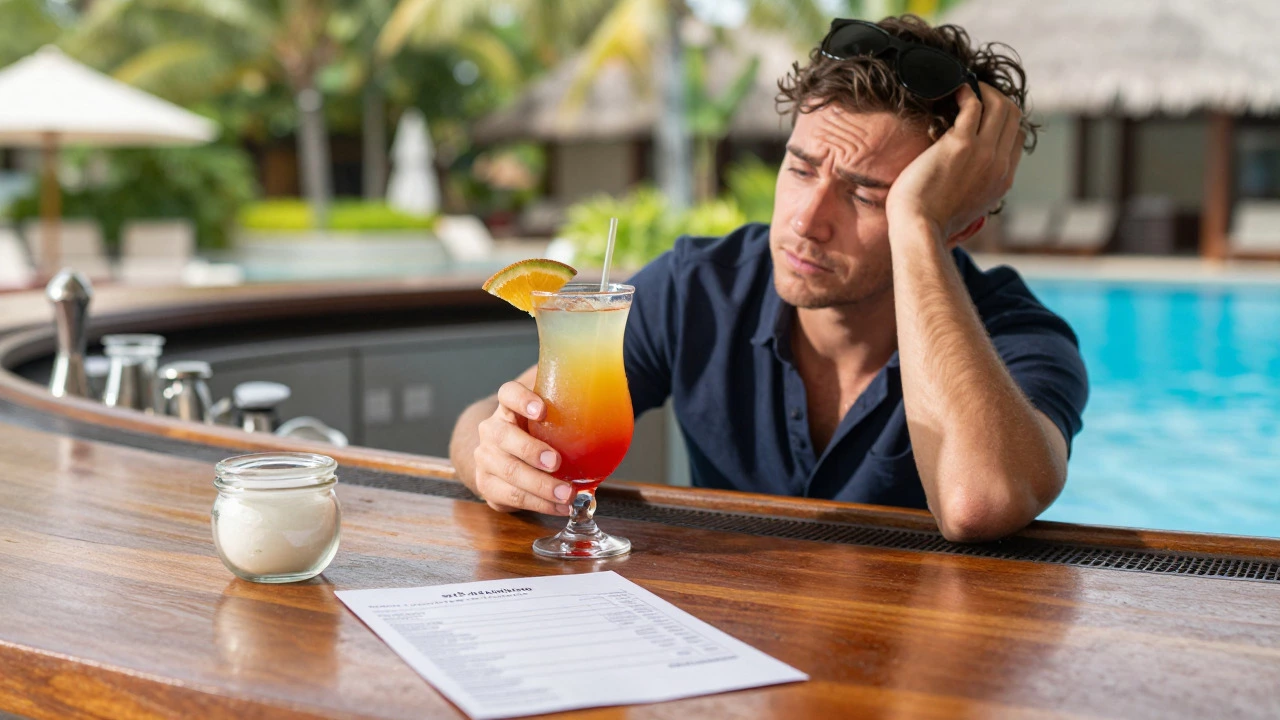
You’ve just arrived at your dream resort. The brochure promised 'everything included.' You’re sipping a cocktail by the pool, feeling relaxed, when you notice a tip jar on the bar counter or a line item for 'service charges' on your final bill. A nagging question pops into your head: If I already paid a premium for this all-inclusive package, do I actually have to pay extra? Can you refuse to pay gratuities at all-inclusive hotels?
The short answer is yes, you can usually refuse. But the longer answer involves understanding hotel policies, cultural norms, and the reality of how staff get paid in different parts of the world. Skipping tips isn’t always as simple as leaving the cash in your pocket; it depends heavily on where you are staying and what the fine print says about mandatory service charges.
Understanding the "All-Inclusive" Promise
To figure out if you need to tip, you first need to understand what you bought. The term all-inclusive is a hospitality model where room, food, drinks, and often activities are bundled into one upfront price. However, this definition varies wildly between brands and regions.
In many cases, especially with major chains like Sandals in the Caribbean or certain resorts in Mexico, the phrase "no tipping allowed" is part of their marketing strategy. They collect a higher base rate from guests and distribute that money to staff through a structured bonus system rather than direct cash tips. In these scenarios, refusing to tip isn't just an option; it’s often encouraged by management to maintain fairness among employees.
However, not every resort operates this way. Many properties, particularly independent hotels or those in Europe and Asia, use the all-inclusive label to mean "food and drink are included," but they leave service compensation entirely up to the guest. Here, the expectation of tipping remains strong, even if it’s not explicitly written on your welcome packet.
Mandatory Service Charges vs. Voluntary Tips
One of the biggest sources of confusion is the difference between a mandatory service charge and a voluntary gratuity. When you check out, look closely at your bill.
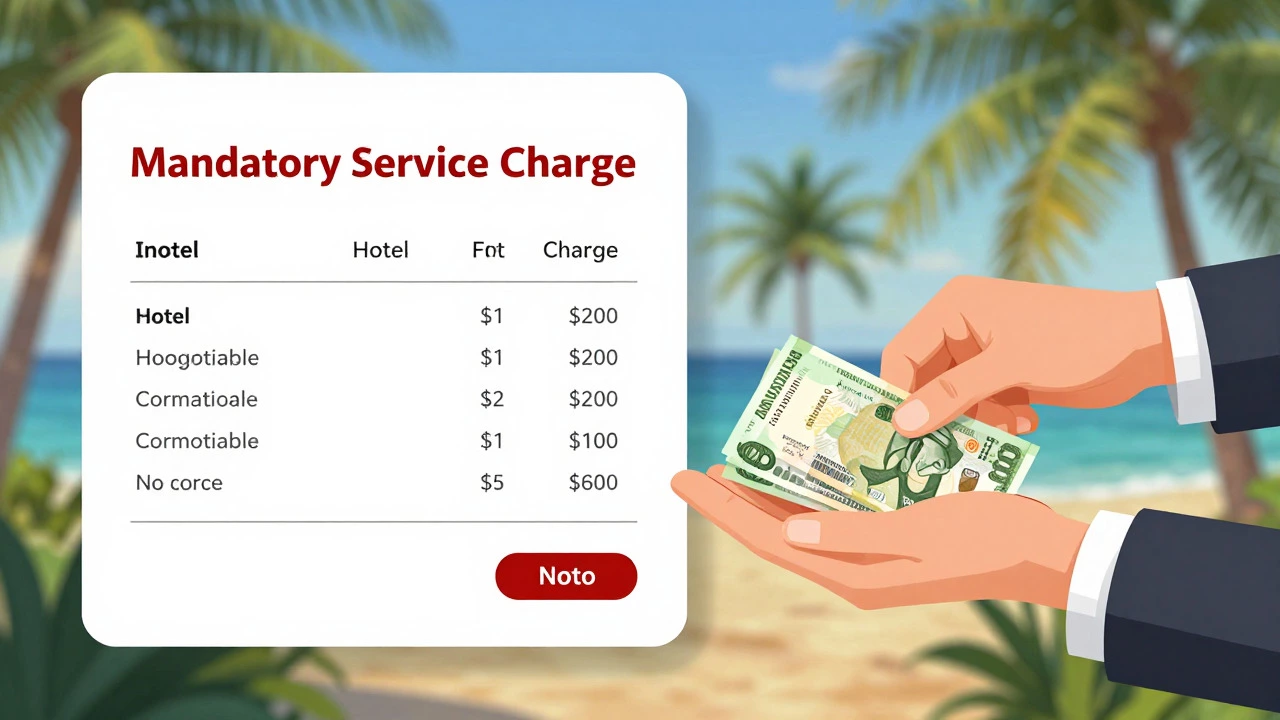
- Mandatory Service Charge: This is a fee added to your bill by the hotel, often ranging from 10% to 15%. It is non-negotiable. Legally, you are paying for this as part of your contract. While some hotels claim this goes directly to staff, others keep a portion for administrative costs. You cannot refuse this without disputing the entire bill.
- Voluntary Gratuity: This is the cash you hand to a server, housekeeper, or concierge. This is truly optional unless the hotel has a strict "no tipping" policy (in which case, handing over cash might even be frowned upon).
If your bill includes a mandatory service charge, you are already contributing to the service fund. Adding extra cash on top of that is a gesture of appreciation for exceptional service, not a requirement. If there is no service charge listed, the expectation for tipping is significantly higher.
Regional Differences: Where Are You Staying?
Your location plays a huge role in tipping etiquette. What is considered rude in one country might be standard practice in another. Let’s break down the most popular all-inclusive destinations.
| Region | Typical Policy | Should You Tip? |
|---|---|---|
| Caribbean (e.g., Jamaica, Barbados) | Often "No Tipping" chains or high service charges | Check policy first. If no policy, $1-2 per drink is common. |
| Mexico & Central America | Tipping expected despite all-inclusive labels | Yes. 10-15% in restaurants, $1-2 for bartenders. |
| Europe (e.g., Turkey, Greece) | Service charge often included | Optional. Small change for good service is appreciated. |
| Asia (e.g., Thailand, Bali) | Tipping not traditionally expected | Optional. Small amounts ($1-5) go a long way. |
| USA & Canada | Tipping is culturally mandatory | Yes. Even at all-inclusives, 15-20% is standard. |
In Mexico, for example, while many resorts advertise all-inclusive packages, local wages for service staff are low. Servers rely heavily on tips to make a living wage. If you refuse to tip here, you aren’t just breaking a social norm; you’re impacting someone’s ability to pay rent. Conversely, in Japan, tipping can sometimes be seen as insulting, implying the staff wasn’t paid enough by their employer. Always research the local culture before you book.
How Staff Are Paid: The Reality Behind the Smile
Why does this matter? Because understanding the economics helps you decide if your refusal to tip is fair. In many developing nations, the base wage for hotel staff is below the minimum wage required to survive. Hotels compensate for this by allowing tipping.
When a hotel enforces a "no tipping" policy, they theoretically redistribute the collected revenue. However, critics argue that this system can lead to favoritism or unequal distribution. Staff members who work harder or interact more with guests may feel disadvantaged compared to those in back-of-house roles. Direct tipping allows guests to reward individual effort.
If you choose to refuse tipping, ask yourself: Is the service genuinely poor, or am I just trying to save money? If the service was excellent, withholding a tip in a region where tips are expected can feel petty. If the service was mediocre, you can simply skip the tip without confrontation.
How to Politely Decline or Manage Tipping
Maybe you’ve decided you don’t want to tip, or perhaps you’re worried about carrying too much cash. Here’s how to handle the situation gracefully.
- Read the Fine Print: Before you arrive, check the hotel’s website for their official gratuity policy. Some will state clearly that tips are included. Others will say they are discretionary.
- Ask at Check-In: It’s perfectly acceptable to ask the front desk, "Is tipping expected here, or is it included in the rate?" This shows respect and clarifies expectations.
- Use Digital Tips: Many modern resorts now allow you to add tips via your room key or a mobile app. This reduces the need for physical cash and makes tracking easier.
- The "Small Change" Strategy: If you don’t want to tip large amounts, keep small bills handy. Leaving $1 or €1 for housekeeping or a bartender is a polite gesture that acknowledges their work without breaking the bank.
- Say Thank You: If you truly refuse to tip, ensure you are verbally appreciative. A sincere "thank you" goes a long way in maintaining a positive relationship with staff.

Pitfalls to Avoid When Refusing Tips
Refusing to tip isn’t illegal, but it can have social consequences. Here are some mistakes to avoid:
- Being Confrontational: Never argue with a waiter about why you aren’t tipping. Just smile, say thank you, and move on. Arguments create tension for everyone involved.
- Assuming All Resorts Are Equal: Don’t assume because one resort had a no-tipping policy, the next one will too. Each property sets its own rules.
- Ignoring Housekeeping: People often forget to tip housekeepers. If you’re staying five nights, leaving a small amount daily ensures the person cleaning your room gets recognized, not just the person who cleaned it on checkout day.
- Using Old Bills: In some countries, very old currency notes might be rejected by vendors. Make sure any cash you carry is current and clean.
When Is It Okay to Withhold a Tip?
There are valid reasons to withhold a gratuity. If a server is rude, ignores your table for an extended period, or brings you the wrong order multiple times without apology, you are under no obligation to tip. In these cases, consider speaking to a manager first. Sometimes, issues can be resolved immediately, and you might still choose to tip a reduced amount.
However, be cautious. If you’re dining at a buffet-style restaurant within the resort, tipping expectations are lower than à la carte dining. If you’re ordering from a room service menu that lists prices separately, tipping is expected regardless of the all-inclusive status of your room.
Final Thoughts on Gratuities
So, can you refuse to pay gratuities at all-inclusive hotels? Yes. But should you? That depends on the destination, the hotel’s policy, and the quality of service you received. Tipping is a complex mix of cultural expectation, economic necessity, and personal gratitude. By understanding the nuances, you can navigate these situations with confidence and respect, ensuring your holiday remains stress-free and enjoyable for both you and the staff who help make it happen.
Is tipping mandatory at all-inclusive resorts?
Generally, no. Tipping is rarely legally mandatory unless a specific service charge is added to your bill. However, socially and economically, it may be expected depending on the region and hotel policy. Always check the resort's specific guidelines.
What happens if I don't tip at an all-inclusive hotel?
In most cases, nothing bad will happen. Staff are professionals and won't confront you. However, in regions where wages are low, skipping tips might mean less income for the workers who served you. In "no-tipping" resorts, refusing to tip is actually the norm.
Do all-inclusive hotels include tips in the price?
Some do, particularly high-end chains in the Caribbean. They often add a service charge to your room rate. Check your confirmation email or the hotel website for details on whether gratuities are pre-paid.
How much should I tip at an all-inclusive resort in Mexico?
In Mexico, tipping is customary even at all-inclusive resorts. Consider tipping $1-2 USD per drink, $5-10 USD per day for housekeeping, and 10-15% for sit-down dinner service if the service was good.
Can I refuse to pay a mandatory service charge?
If the service charge is listed on your bill as a separate line item, it is technically part of your contract. Refusing to pay it may require disputing the charge with your credit card company or hotel management, which can be time-consuming and stressful.