Sustainable Home Cost & Savings Calculator
Estimate your budget requirements and potential annual savings by comparing standard builds against enhanced eco-homes or Passivhaus standards.
Project Details
Enter details to see estimated costs and savings.
Most people assume going green means paying a hefty premium. It’s the first thing that comes to mind when you hear "sustainable house": expensive materials, complex tech, and a budget that spirals out of control. But here is the twist: by September 2026, the math has shifted. The upfront cost might still be slightly higher than a standard brick-and-mortar box, but the long-term savings on energy bills, maintenance, and even insurance can make a sustainable house cheaper over its lifetime. If you are planning to build in the UK right now, understanding where your money actually goes is the only way to stop the budget from blowing up.
A Sustainable House is a residential building designed and constructed to minimize environmental impact through energy efficiency, sustainable materials, and renewable energy integration. Unlike traditional homes that rely heavily on fossil fuels for heating and cooling, these structures prioritize passive design principles and high-performance envelopes. In the context of the 2026 market, this definition extends to include smart grid compatibility and water neutrality as core attributes, not just optional extras.
The Real Price Tag: What You’re Actually Paying For
Let’s cut through the noise. A standard new-build home in the UK costs between £1,800 and £2,500 per square meter. That’s your baseline. When you start adding sustainable features, that number climbs. But how much? For a truly sustainable build-think Passivhaus standards or net-zero carbon targets-you are looking at £2,400 to £3,200 per square meter. Yes, that is a 20-30% premium. But wait before you panic. This isn’t just about buying nicer bricks. It’s about buying a machine that heats itself.
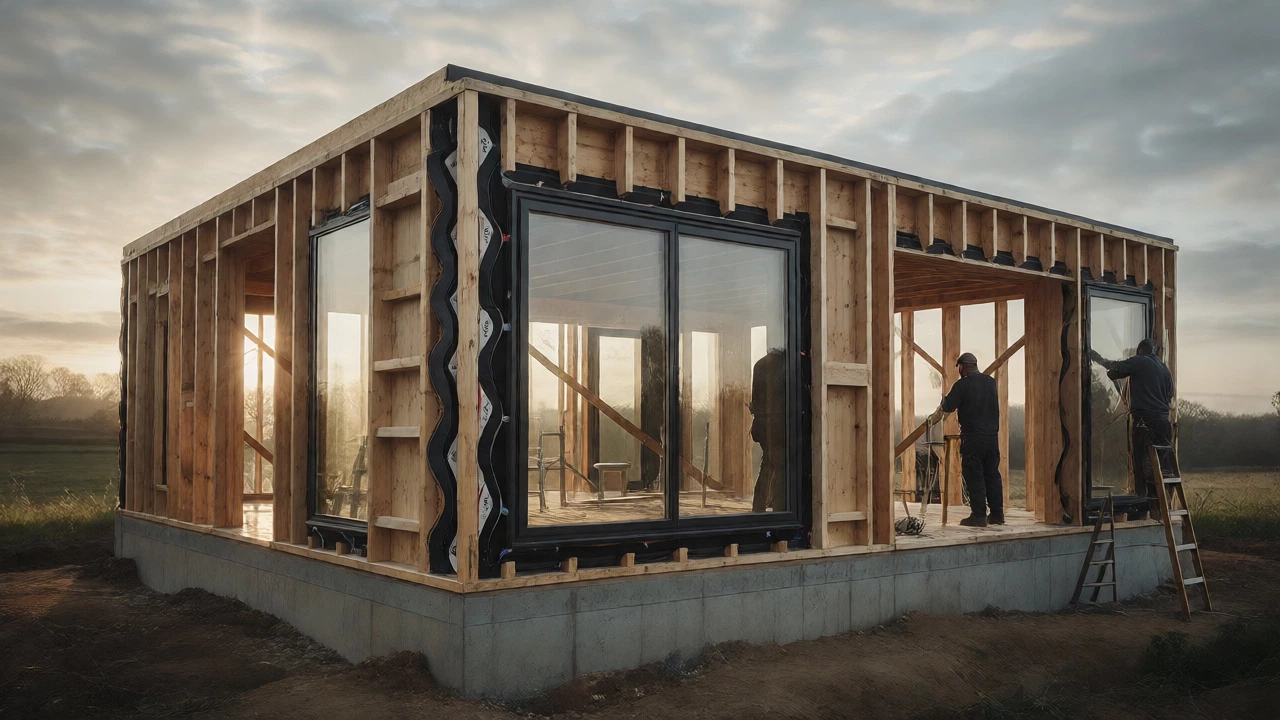
The biggest chunk of that extra cost goes into the envelope. We are talking about triple-glazed windows, super-insulated walls, and airtight membranes. These aren’t luxury items; they are the engine of your sustainability. If you skip them, you end up with a "green" label but a leaky bucket that still needs a boiler roaring all winter. The other major cost driver is labor. Sustainable builds require precision. You can’t just slap plasterboard on a wall and hope for the best. Builders need specific training to handle thermal bridges correctly. If you hire a crew who hasn’t built a passive house before, expect to pay more for their learning curve-or risk paying double later to fix drafts.
Material Choices: The Hidden Cost Variables
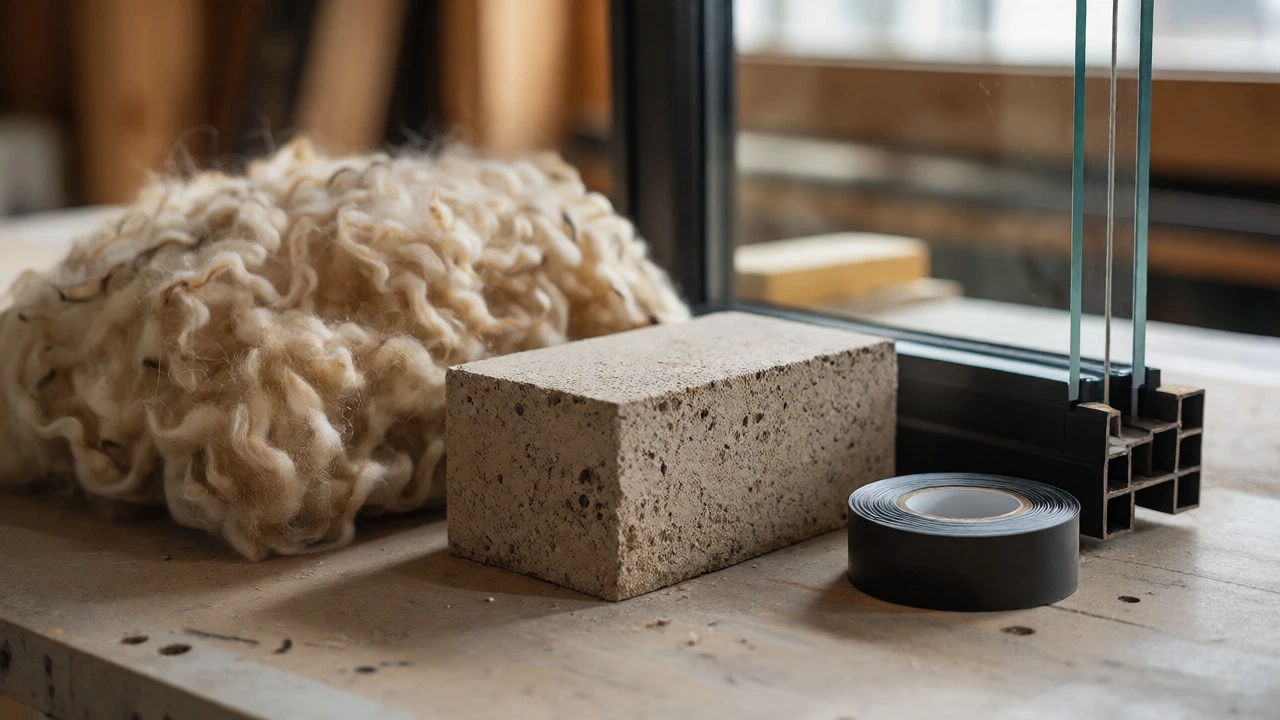
Materials are where budgets live or die. Concrete is cheap but carbon-heavy. Timber is lighter and stores carbon, but it requires careful sourcing to avoid deforestation-linked price spikes. In 2026, cross-laminated timber (CLT) has become more accessible in the UK due to improved local supply chains, bringing costs down by roughly 15% compared to five years ago. However, natural insulation materials like sheep’s wool, hempcrete, or wood fiber still carry a premium over mineral wool or PIR foam.
Here is a practical rule of thumb: if you want to keep costs down, stick to locally sourced materials. Transporting imported stone or exotic hardwoods adds both carbon and cash to your bill. A hempcrete block wall might cost 10% more than a cavity wall filled with synthetic insulation, but it regulates humidity naturally, saving you on dehumidifiers and mold treatments later. It’s a trade-off between upfront capital and operational comfort.
| Build Type | Cost per m² (Low) | Cost per m² (High) | Key Features |
|---|---|---|---|
| Standard New Build | £1,800 | £2,500 | Basic insulation, gas boiler, single/double glazing |
| Enhanced Eco-Home | £2,400 | £2,900 | Heat pump, solar PV, improved insulation, LED lighting |
| Passivhaus Standard | £2,800 | £3,500 | Triple glazing, MVHR system, airtightness <0.6 ACH, no active heating |
| Net Zero / Regenerative | £3,200 | £4,500+ | Off-grid capability, rainwater harvesting, circular materials, battery storage |
Systems That Save Money Long-Term
You don’t need every gadget on the market to have a sustainable home. Focus on the systems that pay for themselves. Heat pumps are the obvious choice. Replacing a gas boiler with an air-source heat pump costs around £12,000-£15,000 installed. It sounds steep until you realize gas prices are volatile and likely to rise due to carbon taxes. A heat pump uses one unit of electricity to move three units of heat. Your running costs drop by 40-60% immediately.
Solar panels are another no-brainer. With current feed-in tariffs and self-consumption rates, a 4kW system pays back its cost in 7-9 years. After that, it’s essentially free electricity. Pair this with a battery storage system like a Tesla Powerwall or a local equivalent, and you can store that daytime sun for evening use. This reduces your reliance on the grid during peak pricing hours, which are becoming more frequent and expensive.
Don’t forget water. Installing a rainwater harvesting system for toilets and garden irrigation costs £3,000-£5,000. In areas like Bath, where water scarcity is becoming a seasonal issue, this isn’t just eco-friendly-it’s resilient. Greywater recycling systems are pricier and require more maintenance, so weigh the complexity against the actual water savings before jumping in.
Planning Permission and Regulatory Hurdles
Building sustainably often means fighting red tape. Local councils in the UK vary wildly in their appetite for green innovation. Some embrace Passivhaus designs; others see non-standard cladding or flat roofs as eyesores. Before you spend a penny on materials, get pre-application advice from your local planning authority. Ask specifically about energy performance requirements. Since the Future Homes Standard implementation accelerated in 2025, many councils now mandate 75-80% reduction in carbon emissions compared to older regulations. Meeting this without extreme measures can save you thousands in unnecessary upgrades.
Also, check for grants. The Boiler Upgrade Scheme and various local council incentives for solar installations are still active in 2026. These can knock £5,000-£7,000 off your total project cost. Missing out on these because you didn’t apply early is a common and painful mistake.
Labor Costs: The Skill Gap Premium
This is the part most guides gloss over. Sustainable houses fail when built poorly. An airtight seal isn’t something you can fix easily after the plaster is on. You need a builder who understands vapor barriers, thermal bridging, and mechanical ventilation with heat recovery (MVHR). In rural areas, finding such contractors is hard. In cities like Bristol or London, demand drives prices up.
If you are managing the project yourself, factor in a 10-15% contingency for specialist trades. If you hire a main contractor, ensure they have a track record with low-energy builds. Ask for references from completed projects. Visit them. Feel the draft. Check the condensation levels. A well-built sustainable house should feel consistent in temperature throughout. If you walk from the living room to the bedroom and shiver, the build failed, regardless of what the certificate says.
Is It Worth the Investment?
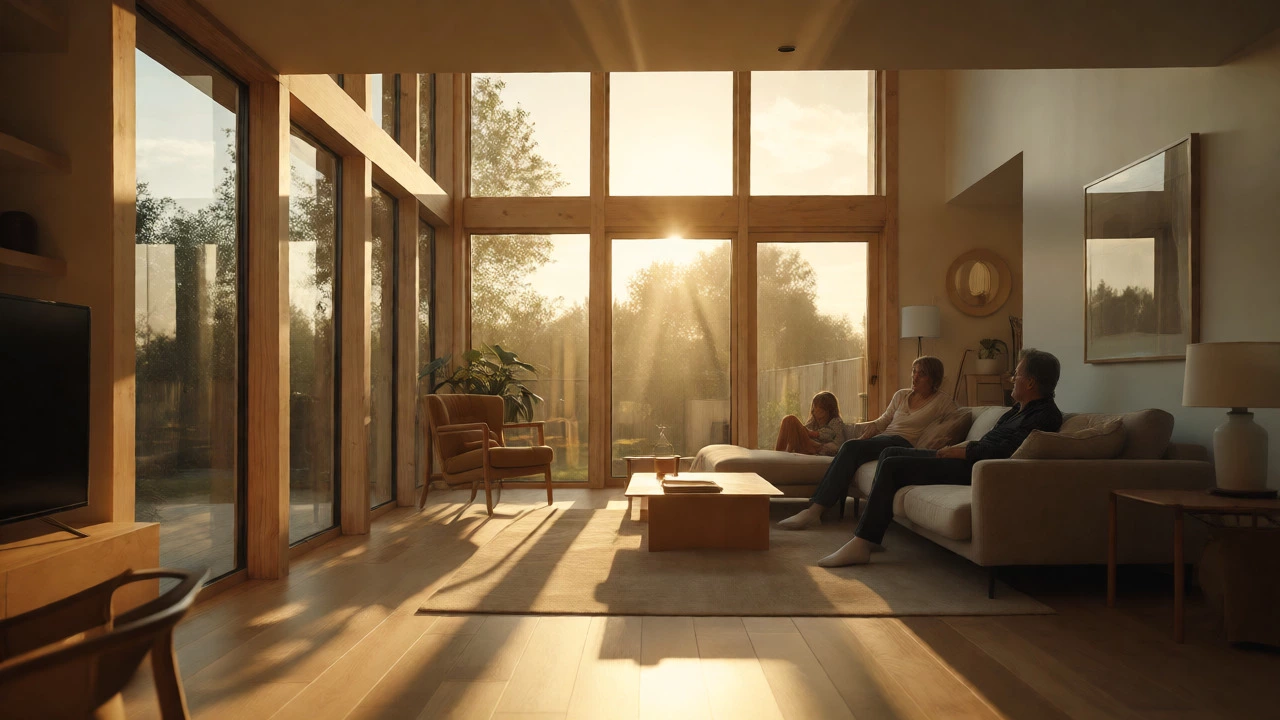
Run the numbers for a 10-year horizon. A standard house might cost £250,000 to build but will incur £2,500/year in energy and maintenance. A sustainable house costs £320,000 but incurs £800/year in energy and minimal maintenance. Over ten years, the standard house costs £275,000 total. The sustainable house costs £328,000. Still more expensive? Maybe. But add in rising energy costs (projected at 5% annually), potential property value increases (green homes sell faster and higher), and tax benefits, and the gap narrows significantly. Plus, there is the intangible value of comfort. No cold spots, no noisy boilers, fresh filtered air. That quality of life is hard to put a price tag on, but it’s real.
If you plan to stay in the house for less than five years, the premium might not pay off. But if you are building a forever home, the equation flips in your favor. You are investing in lower operating costs and future-proofing against regulatory changes that could penalize inefficient homes further.
Frequently Asked Questions
Does a sustainable house cost more to insure?
Generally, no. Many insurers offer discounts for homes with modern security systems, fire-resistant materials, and low flood risk profiles associated with sustainable drainage. However, some specialized insurers may charge more for unique materials like thatch or rammed earth due to repair complexities. Always shop around and provide full specifications to your broker.
Can I retrofit an existing house instead of building new?
Yes, and it is often more affordable. Deep retrofits focusing on insulation, windows, and heating systems can achieve similar efficiency gains for 40-50% of the cost of a new build. However, structural limitations and heritage constraints can make achieving Passivhaus standards difficult in older properties. Start with an energy audit to identify the highest-impact improvements.
What is the biggest hidden cost in sustainable building?
Labor errors and rework. Because sustainable builds require tight tolerances, mistakes are costly to fix once walls are closed up. Poorly sealed joints leading to moisture damage or thermal bridges requiring external insulation fixes are common pitfalls. Investing in skilled supervision and third-party quality assurance checks early saves significant money later.
Do sustainable houses hold their value better?
Data suggests yes. As energy regulations tighten and buyer awareness grows, homes with EPC ratings of A or B command a premium of 3-5% over comparable C-rated homes. In 2026, buyers increasingly view high energy bills as a liability, making efficient homes more attractive in the resale market.
Is it possible to build a sustainable house on a tight budget?
Absolutely. Simplify the design. A compact, rectangular footprint minimizes surface area and heat loss. Use standard-sized windows and doors to reduce custom fabrication costs. Prioritize insulation and airtightness over fancy finishes. You can always upgrade kitchens and bathrooms later, but you cannot easily change the thermal envelope.
Next Steps for Your Project
Ready to move forward? First, define your priorities. Is it lowest upfront cost, lowest running cost, or maximum comfort? These goals sometimes conflict. Next, assemble your team. Find an architect experienced in passive design and a quantity surveyor who understands green material costs. Don’t rely on generalist estimators. Finally, secure your financing. Some mortgage lenders now offer "Green Mortgages" with better interest rates for high-efficiency homes. Check with your bank before finalizing your budget.