Cottage vs. Farmhouse Matcher
Answer the questions below to find out which rural dwelling style aligns best with your ideal getaway or future home.
Why this fits:
Select your preferences and click "Find My Match" to see your recommendation.
You’re scrolling through listings for a weekend escape, and the terms blur together. One says "rustic country cottage," the next boasts "authentic farmhouse charm." They both promise stone walls, rolling hills, and a slow pace of life. But if you book the wrong one expecting the other, you might be in for a surprise. A farmhouse isn’t just a big cottage. A cottage isn’t just a small farm.
The distinction matters more than you think, especially if you’re planning a holiday rental or looking to buy a rural home. The architecture, the history, and even the vibe are fundamentally different. Let’s break down what actually separates these two iconic rural dwellings so you know exactly what you’re getting into.
Origins and Purpose
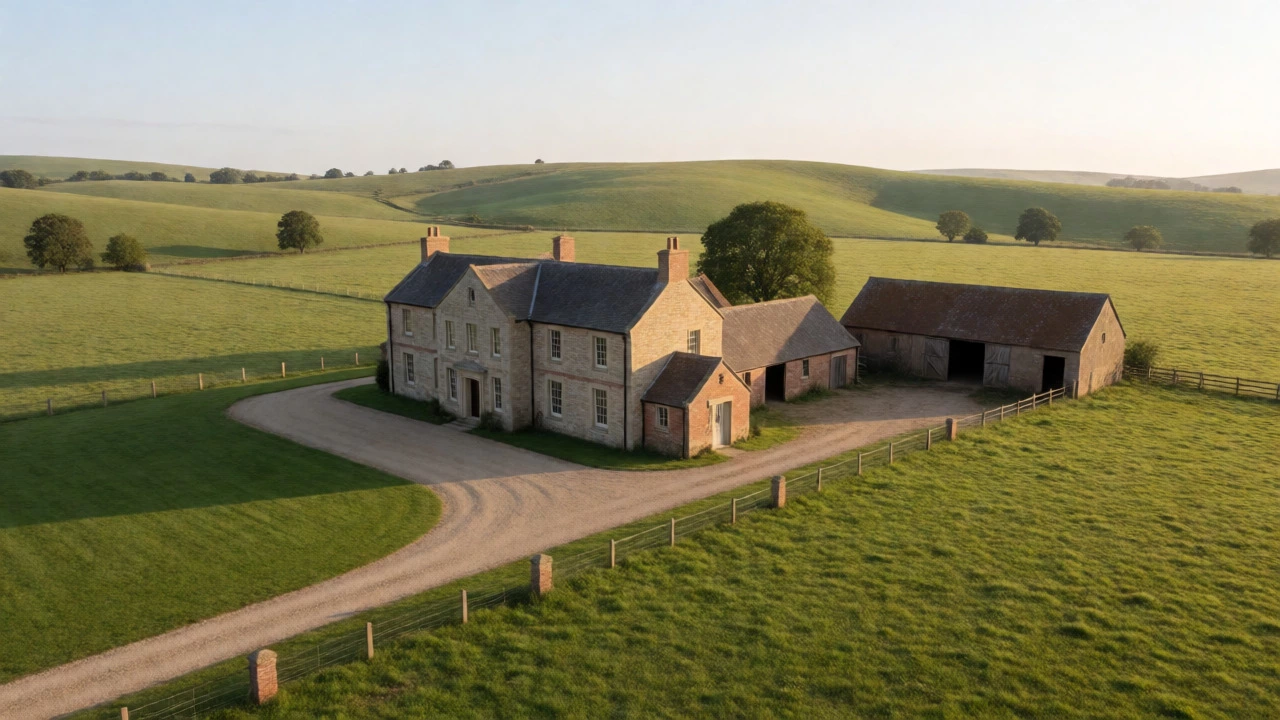
To understand the difference, you have to look at why these buildings were built in the first place. Farmhouses are working structures. Historically, they served as the administrative hub of an agricultural estate. They weren’t just homes; they were offices, storage units, and sometimes even processing centers for crops or livestock. The layout reflects this utilitarian purpose. You’ll often find large kitchens designed for feeding crews, sturdy floors that can handle heavy traffic, and outbuildings like barns or stables attached or nearby.
Country cottages, on the other hand, started as housing for laborers. Think of the village blacksmith, the shepherd, or the tenant farmer who didn’t own the land but worked it. These were modest, compact dwellings meant for efficiency, not administration. They were built close to the main house or within a village cluster. Their design prioritized warmth and shelter over space. If a farmhouse is the CEO’s office turned living room, the cottage is the employee’s cozy break room.
Architectural Features and Layout
Walk into a traditional farmhouse, and you’ll notice the scale immediately. Ceilings are higher. Rooms are larger. Windows are often bigger to let in light for reading accounts or inspecting produce. The construction materials tend to be robust-thick stone or brick meant to last centuries and withstand harsh weather. Many farmhouses feature a central hallway with rooms branching off, allowing for separate functions (kitchen, parlor, bedrooms) without too much noise transfer.
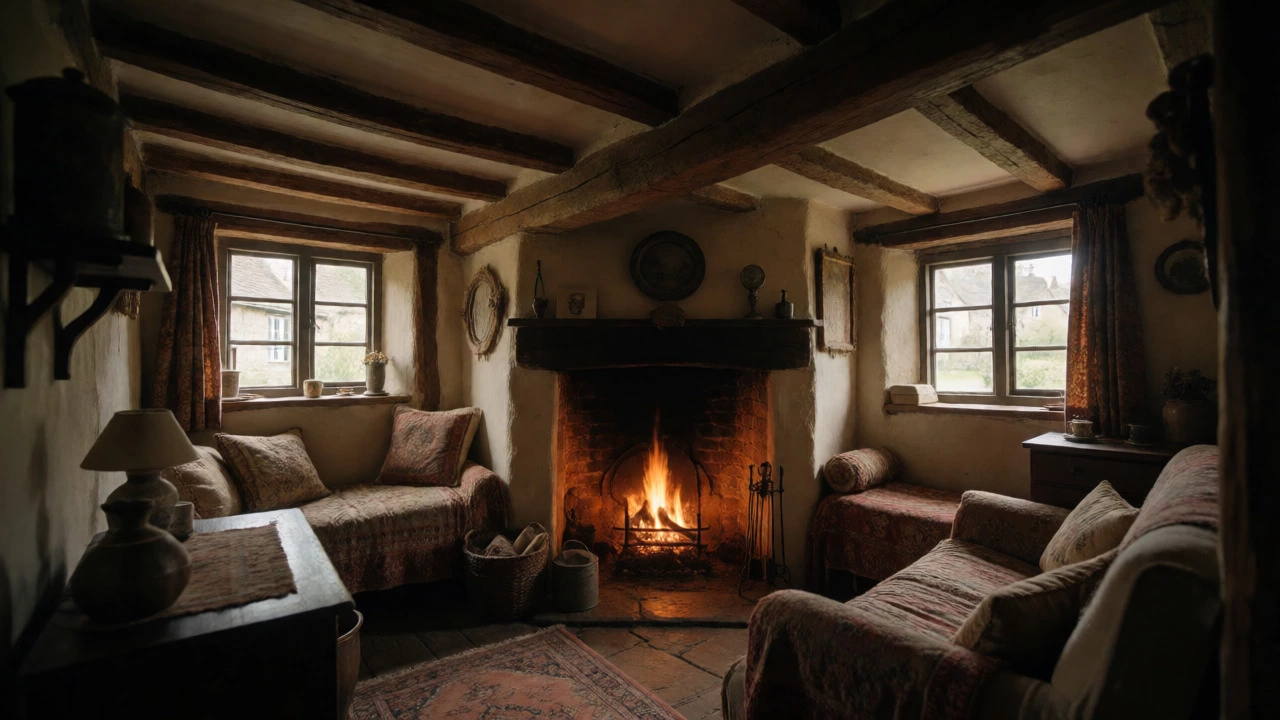
Cottages feel tighter. The ceilings might be lower, creating a snug atmosphere. The floor plan is often irregular because these homes grew organically over time. Maybe a family added a bedroom when a child was born, or extended the kitchen when they got a new stove. This results in quirky layouts with nooks and crannies. Exposed beams are common, not just for style, but because timber framing was cheaper and easier for smaller builders to work with than massive stone arches.
| Feature | Farmhouse | Country Cottage |
|---|---|---|
| Original Purpose | Agricultural management & residence | Laborer housing / Smallholding |
| Typical Size | Large (4+ bedrooms) | Small (1-3 bedrooms) |
| Ceiling Height | High (9ft+) | Lower (7-8ft) |
| Layout | Formal, symmetrical, distinct zones | Irregular, open-plan or cramped |
| Outbuildings | Barns, stables, silos | Small garden shed, coal store |
| Garden | Large acreage, paddocks | Small plot, herbaceous borders |
Location and Setting
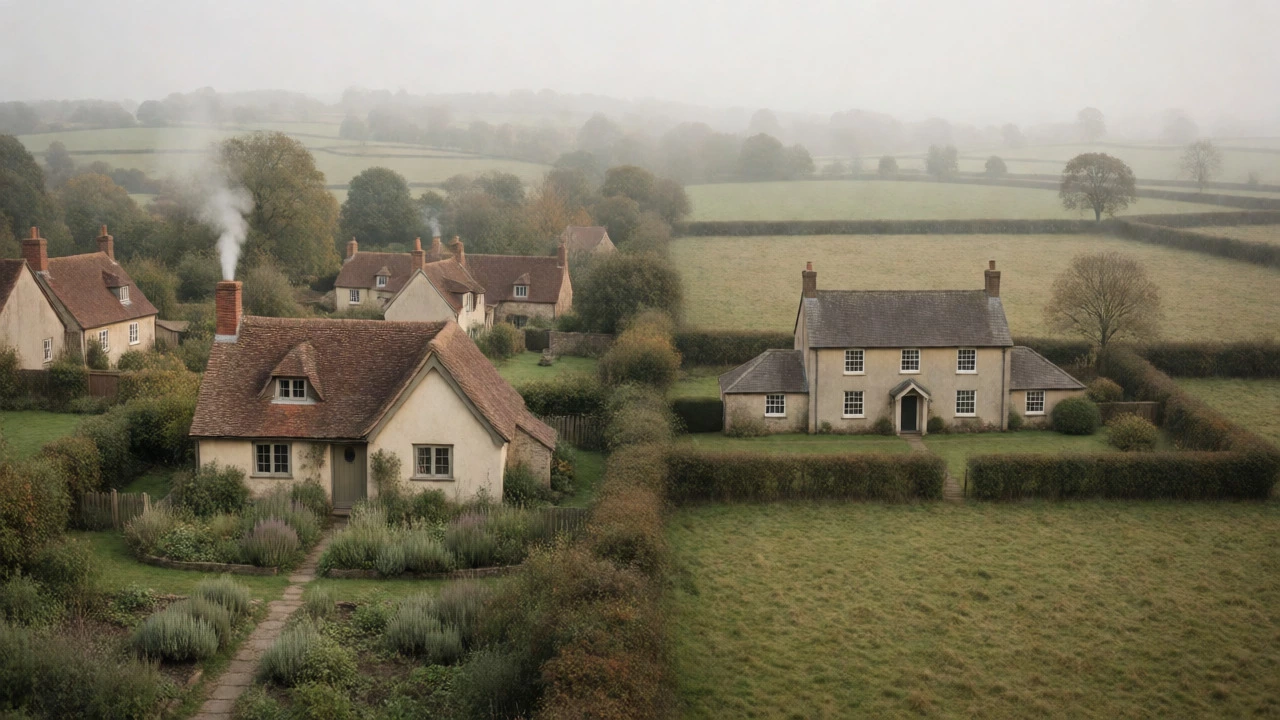
Where you find them tells you a lot about their character. Farmhouses usually sit on their own land. They need space for animals, crops, and machinery. You’ll often find them isolated from neighbors, surrounded by fields, hedgerows, or forests. Access might involve a long gravel driveway. This isolation offers privacy but requires a car for almost everything.
Cottages are social creatures. They cluster in villages, hamlets, or along rural lanes. They rely on community infrastructure-the local pub, the post office, the church. You might hear your neighbor’s dog barking or see smoke from their chimney. This proximity means better access to amenities but less privacy. If you want to watch stars without light pollution, a farmhouse wins. If you want to walk to a bakery for fresh croissants, the cottage is your best bet.
Interior Vibe and Modern Adaptations
Today, most people aren’t running farms or living as laborers. So how do these spaces function now? Farmhouses have been converted into luxury retreats. High ceilings make them perfect for modern minimalism or grand rustic decor. Large windows frame views. Owners often convert barns into guest suites or swimming pools. The vibe is spacious, airy, and impressive. It’s great for groups, families, or anyone who hates feeling enclosed.
Cottages lean into coziness. Low ceilings encourage intimate gatherings around a fireplace. Small windows create dramatic lighting effects. Decor tends to be eclectic-vintage finds, soft textiles, warm colors. It’s harder to put a king-size bed in a tiny cottage bedroom, so flexibility is key. For couples or solo travelers seeking romance or solitude, the cottage’s tight quarters can feel comforting rather than restrictive.
Which One Should You Choose?
Your choice depends entirely on your goals for the stay. Are you bringing six friends and three dogs? Go for the farmhouse. You need the square footage, the multiple bathrooms, and the outdoor space for chaos to unfold. Do you want a quiet romantic getaway where you spend most evenings reading by a fire? Pick the cottage. The intimacy forces connection. There’s nowhere to hide, which can be a good thing.
Consider maintenance if you’re buying. Farmhouses require significant upkeep. Roofs are vast. Heating costs are high due to volume. Land needs managing. Cottages are cheaper to heat and maintain, but older ones may have structural quirks like damp issues or outdated electrics that are expensive to fix in confined spaces.
Common Misconceptions
People often assume "cottage" implies poverty and "farmhouse" implies wealth. That’s outdated. Today, renovated cottages can cost more per square foot than sprawling farmhouses because of their scarcity and charm. Conversely, some farmhouses are dilapidated ruins waiting for a developer’s touch.
Another myth is that all cottages are old. Many modern builds mimic the cottage aesthetic-steep roofs, small windows, cozy interiors. True historic cottages have listed building status, meaning you can’t change the exterior without permission. Check if the property is truly historic or just styled that way. Authenticity affects renovation possibilities and insurance costs.
Can I keep animals in a country cottage?
It depends on the local zoning laws and the size of the garden. Most traditional cottages have small plots suitable only for pets like cats or small dogs. Keeping chickens might be possible if you have a secure run, but livestock like sheep or cows generally require the acreage associated with a farmhouse or smallholding.
Are farmhouses always more expensive than cottages?
Not necessarily. While farmhouses have larger total prices due to size and land, price-per-square-foot can vary wildly. A rare, perfectly restored Grade II listed cottage in a desirable area might command a higher premium than a large, unrenovated farmhouse needing extensive work. Location and condition matter more than the label.
What heating challenges do these properties face?
Farmhouses are expensive to heat due to high ceilings and large volumes; underfloor heating or wood burners are common upgrades. Cottages can suffer from damp and poor insulation in older walls. Both types benefit from energy audits before purchase or long-term rental to avoid surprise utility bills.
Is parking easier at a farmhouse or a cottage?
Farmhouses typically offer ample private parking on-site. Cottages, especially in villages, may have limited or no off-street parking, requiring guests to park on narrow lanes or shared village areas. Always check parking provisions if you’re traveling with multiple cars.
Do cottages have Wi-Fi?
Rural broadband availability varies. While many cottages now have fiber connections, remote locations may still rely on slower satellite or mobile data. Farmhouses with land might have better options for installing external antennas. Ask specifically about upload/download speeds if you plan to work remotely.