Romantic Hotel Cost Estimator
Compare the ability to afford a high-end "curated experience" for a few hours versus a standard overnight stay.
$0
Total Cost$0
Total CostThe Shift from Neon Jungles to Design Boutiques
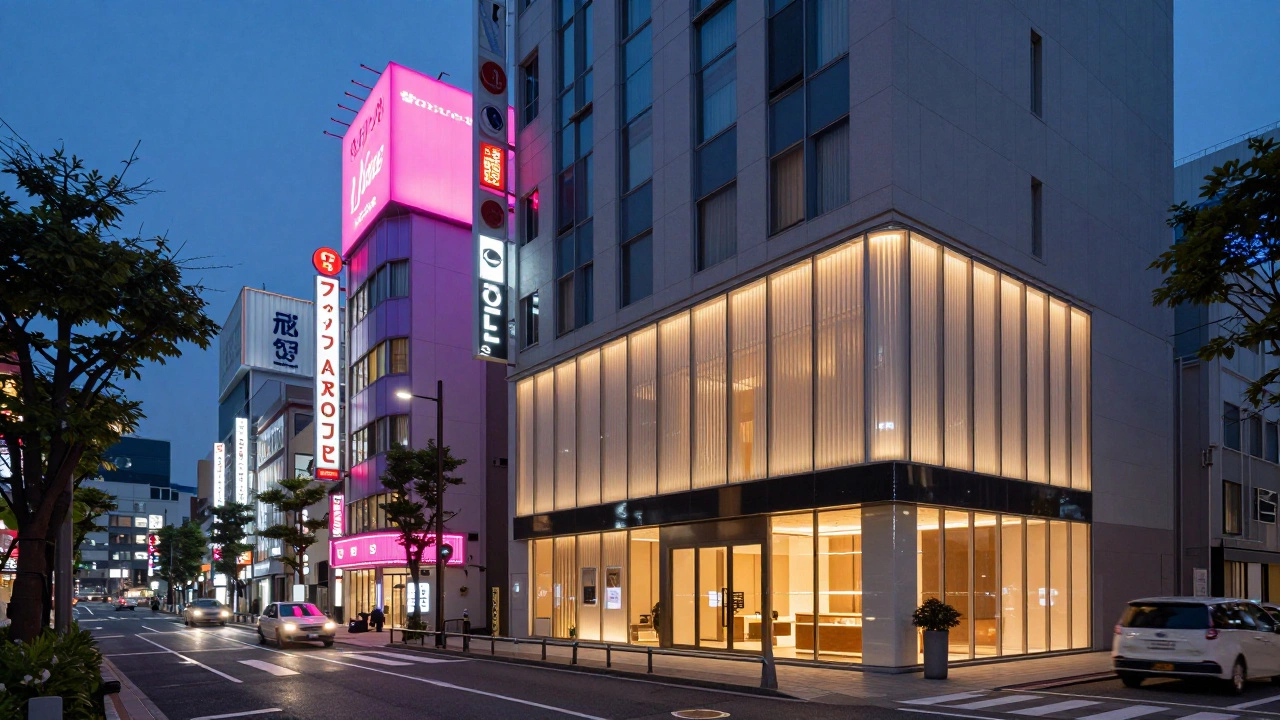
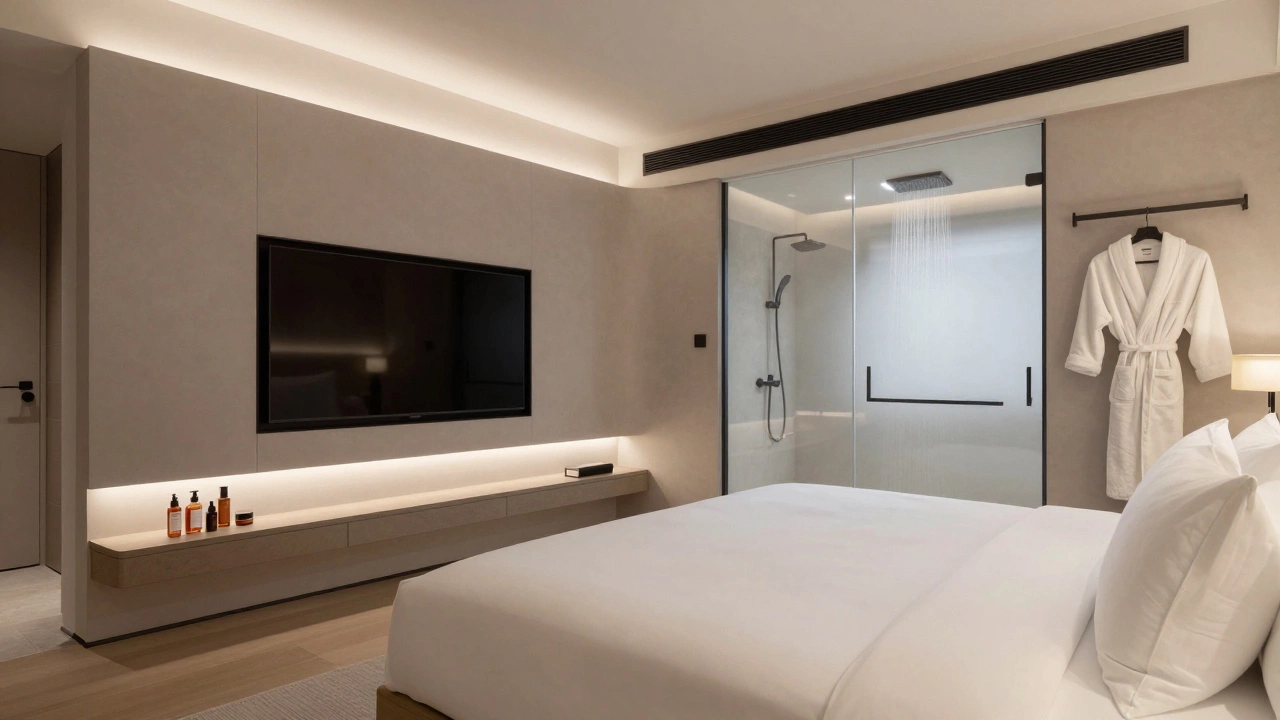
For decades, the image of a love hotel was a flashy, neon-soaked building where you checked in via a vending machine to avoid eye contact with anyone. While some of those quirky spots still exist, the industry has pivoted toward high-end aesthetics. Modern versions are now essentially luxury romantic hotels that happen to offer flexible check-in times. Instead of leopard-print carpets and rotating beds, you're more likely to find minimalist Scandinavian design, rainfall showers, and high-end skincare products provided for free in the room.
This change happened because the audience shifted. It's no longer just about a quick escape for married couples in crowded apartments. Younger generations, particularly in East Asia, use these spaces as "date night" hubs where they can enjoy a cinematic experience, a fancy karaoke machine, and a high-quality bed without the pressure of a long-term commitment or the cost of a full-night stay at a five-star resort.
How the Business Model Actually Works
The magic of these hotels lies in their pricing structure. Unlike a standard Marriott or Hilton where you pay per night, these venues operate on a "rest" (short-stay) and "stay" (overnight) system. A "rest" might last anywhere from two to four hours and cost a fraction of a full night's stay. This makes them incredibly accessible for people who just want a few hours of peace.
| Feature | Standard Hotel | Modern Love Hotel |
|---|---|---|
| Payment Basis | Per Night | Hourly (Rest) or Per Night (Stay) |
| Check-in Process | Lobby Reception/ID Check | Automated Kiosks/High Privacy |
| Amenities | Basic Bed/Towels | Jacuzzis, Karaoke, High-end Cosmetics |
| Primary Goal | Tourism/Business Sleep | Intimacy and Privacy |
The Cultural Strongholds: Japan and South Korea
You can't talk about this topic without mentioning Japan is the birthplace of the modern love hotel industry, where these establishments are deeply integrated into urban planning ]. In Japanese cities, these hotels often cluster in specific districts. They serve a vital social function in a country where multi-generational housing is common. When you live with your parents and siblings in a small apartment, a love hotel is often the only place to find genuine solitude.
In South Korea is another major hub where "motels" (a local term for these boutique love hotels) are ubiquitous ], the trend has moved toward "theme rooms." Some rooms are designed to look like luxury villas, while others might mimic a futuristic spaceship. They have become a form of affordable luxury-a way to experience a high-end environment for a few hours without spending a thousand dollars on a luxury suite.
Why They Haven't Gone Extinct
One might assume that dating apps and more liberal attitudes toward cohabitation would kill the demand for these hotels. Surprisingly, the opposite is true. The demand for "curated experiences" has actually boosted them. Many couples now book these rooms specifically for the amenities. Why go to a movie theater when you can rent a room with a massive 80-inch screen and a plush sofa?
Moreover, the pandemic accelerated the need for private, sanitized spaces. People grew tired of crowded public dates and started looking for "safe bubbles." This led to a surge in "staycations" where couples spend an entire Saturday in a themed room, ordering gourmet room service and ignoring the outside world. It's less about the "secret" aspect now and more about the "wellness and escape" aspect.
The Global Ripple Effect: Hourly Hotels in the West
While the neon-lit love hotel is a specifically Asian phenomenon, the concept is leaking into Western markets under different names. In the US and Europe, we're seeing the rise of "day-use hotels." Apps like Dayuse or HotelsByDay allow people to book a room from 9 AM to 5 PM. While they don't always have the rotating beds or themed walls, the intent is the same: providing a private sanctuary for a short burst of time.
In cities like London or New York, these are often used by business travelers needing a nap between flights, but a significant portion of users are couples looking for a discreet place to spend time. The taboo is fading, and the convenience is winning. The difference is that Western versions are more clinical and less "fantastical" than their Eastern counterparts.
Common Misconceptions and Pitfalls
There's a lingering belief that these hotels are seedy or unsafe. In reality, most modern love hotels are cleaner than your average budget motel. Because they have a high turnover of guests, the cleaning staff works relentlessly to keep rooms pristine. However, if you're visiting one for the first time, there are a few things to keep in mind:
- The Kiosk System: Don't be confused by the screens in the lobby. They are designed to let you pick your room and pay without speaking to a human. Just follow the prompts; they are usually available in English.
- The "Rest" Time Limit: If you book a "rest" for three hours, be aware that the staff will actually come to knock or call the room when time is up. It's not a suggestion; it's a hard deadline.
- Amenity Overload: Some hotels provide everything from pajamas to high-end facial masks. Don't bother packing a bag; the room usually has everything you need.
What the Future Holds for Intimacy Spaces
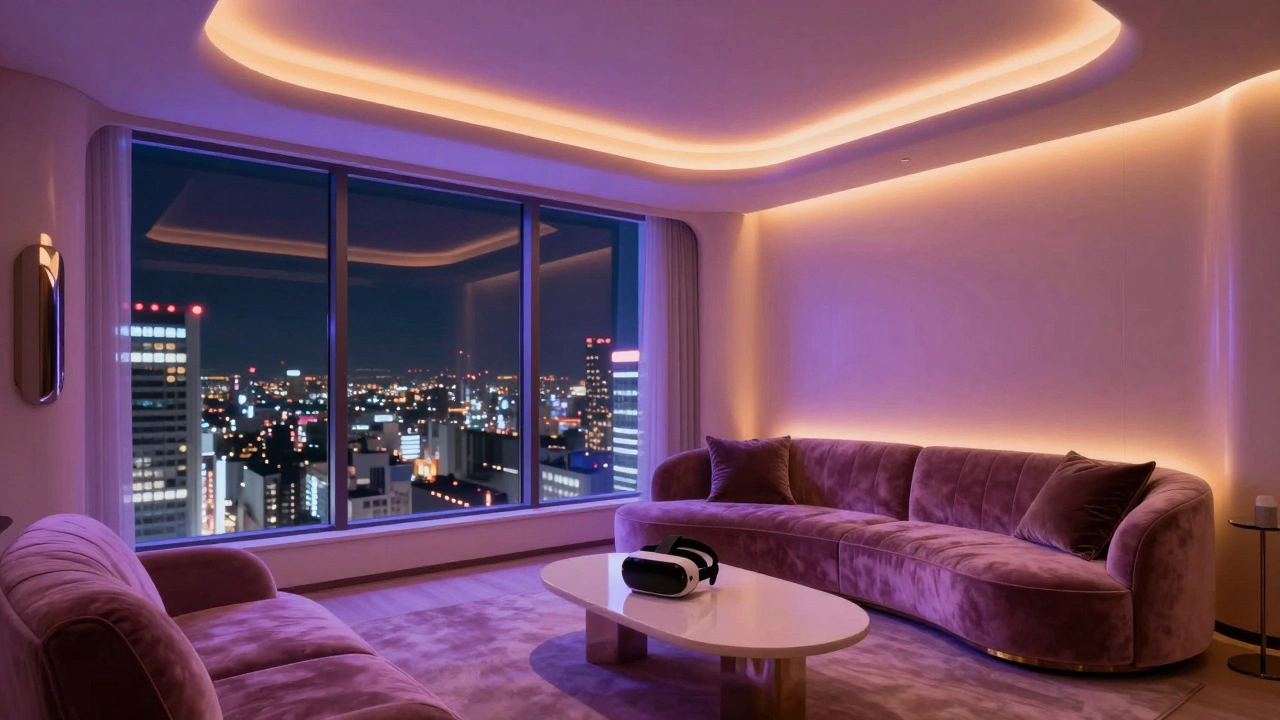
As we move further into the 2020s, the line between a "love hotel" and a "boutique hotel" is blurring. We are seeing a shift toward "experience design." Imagine a room that uses smart lighting to change the mood based on the music playing, or VR headsets that transport you to a beach in Bali while you're actually in a concrete jungle in Osaka. The hardware is changing, but the human need for a private, exciting space remains the same.
We're also seeing a push toward sustainability. The old model of replacing every single towel and sheet every few hours was wasteful. New operators are integrating eco-friendly linens and energy-efficient climate control, ensuring that the pursuit of romance doesn't come at the cost of the planet.
Are love hotels legal in most countries?
Yes, they are completely legal. In Japan and South Korea, they are regulated businesses that pay taxes and follow health and safety laws. They are simply a specific niche of the hospitality industry focusing on short-term stays and privacy.
Can a single person stay at a love hotel?
Technically, yes, but it depends on the hotel. Some strictly market themselves to couples, while others are happy to rent to anyone. In recent years, some have even marketed "solo-stay" packages for people who just want a luxury room to relax in for a few hours.
How do you find a reputable love hotel?
The best way is to look for "boutique hotels" or use specialized apps in the region. In Japan, searching for the term "Love Hotel" on map services will bring up plenty of options. Look for recent reviews that mention the cleanliness of the facilities and the quality of the amenities.
Is it weird to use a love hotel if you're married?
Not at all. In fact, a huge percentage of their clientele are married couples. In cultures with high population density, these hotels provide a necessary escape from the domestic responsibilities of home and family life.
Do they only exist in Asia?
The specific "love hotel" culture with themed rooms and hourly rates is most prominent in East Asia. However, the concept of an hourly or "day-use" hotel exists globally, though it's often marketed as a convenience for travelers or business people rather than a romantic destination.