All-Inclusive Drink Cost Calculator
Understanding the Tiers
| Tier Level | What's Included? | Example Brands | Extra Costs? |
|---|---|---|---|
| Standard | Local beer, house wine, generic spirits | Generic Rum, Local Lager | High (Name brands cost extra) |
| Premium | Named mid-range spirits & wines | Bacardi, Jack Daniel's, Moët | Medium (Top-shelf costs extra) |
| Luxury | Top-shelf brands & imports | Grey Goose, Hennessy, Dom Pérignon | Low/None (Most included) |
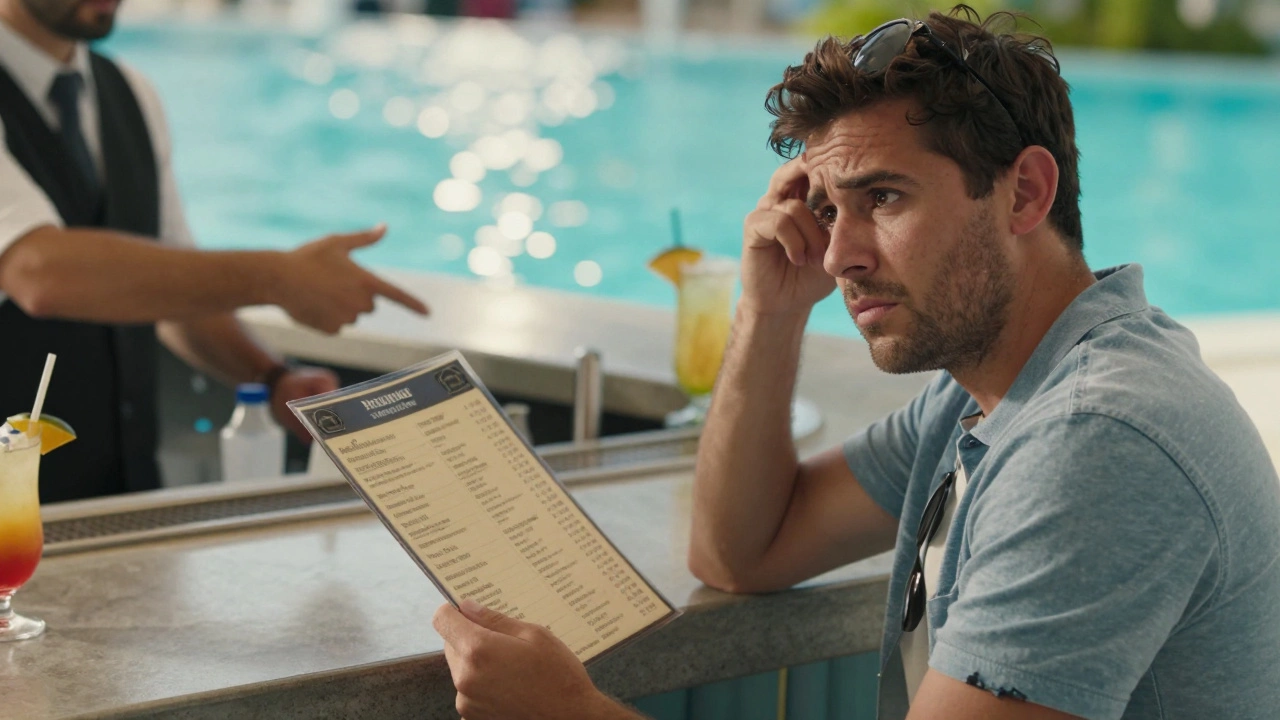
Picture this: You’ve booked a dream holiday. You’re lying by the pool, sipping a cocktail, and then you see the bill at the end of the week. It’s not zero. Or worse, you ask for a specific brand of whiskey at the bar, and the bartender looks confused before handing you a menu with prices. If you’ve ever wondered if "all-inclusive" actually means "free alcohol," you are not alone. It is one of the biggest misconceptions in the travel industry.
The short answer is: usually, yes, but with major caveats. The definition of "all-inclusive" has shifted dramatically over the last decade. What used to be a simple promise of unlimited local beer and wine has evolved into a complex tiered system involving house brands, premium upgrades, and hidden restrictions. Understanding these nuances before you pack your bags can save you from disappointment and unexpected costs.
The Basic Rule: House Brands Are Included
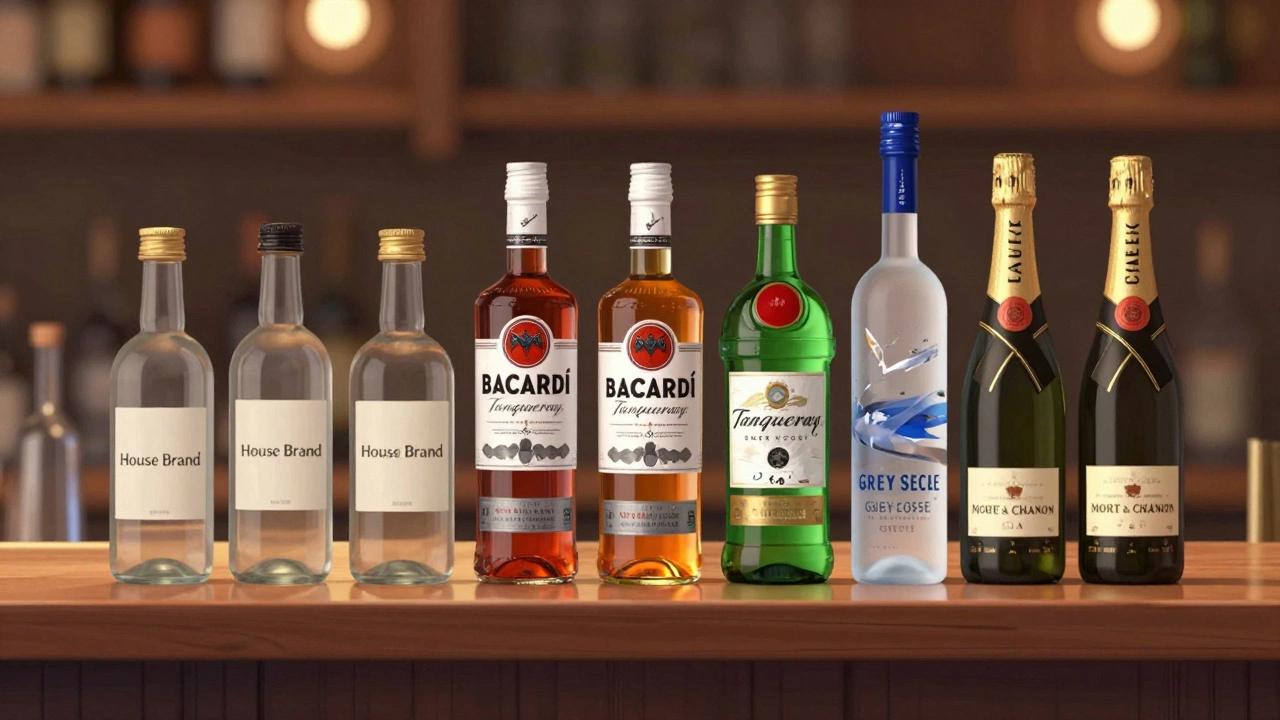
When you book a standard All-Inclusive Hotel is a type of accommodation where the upfront price covers lodging, meals, and beverages. In the vast majority of cases, this includes alcoholic beverages. However, there is a catch. The alcohol included in your base rate is typically limited to "house brands." These are cheaper, often locally produced or private-label spirits, beers, and wines.
Think of it like buying a budget airline ticket. You get a seat, but legroom and priority boarding cost extra. Similarly, your all-inclusive package gets you a drink, but the *kind* of drink matters. If you order a generic rum punch or a local lager, it will likely be covered. If you ask for a specific name-brand vodka, gin, or imported scotch, you will probably be charged an additional fee. This practice is known as "premium upcharging," and it is becoming the industry standard rather than the exception.
Premium vs. Standard: Decoding the Tiers
To understand what you are paying for, you need to look at the tiers of service. Most resorts now operate on a multi-tier model:
- Standard All-Inclusive: Includes local beers, house wines, and basic spirits (often unbranded). Cocktails made with these ingredients are included. Premium brands incur a surcharge.
- Premium All-Inclusive: Includes a wider selection of named brands. For example, instead of just any gin, you might get Tanqueray or Bombay Sapphire included. Imported wines may also be part of the package.
- Luxury/Ultra-All-Inclusive: Often found in high-end destinations like the Maldives or parts of the Caribbean. Here, top-shelf brands (Hennessy, Grey Goose, Moët & Chandon) are included without extra charge. Some even offer 24-hour room service minibars stocked with premium alcohol.
| Tier | Alcohol Coverage | Typical Brands Included | Upsell Potential |
|---|---|---|---|
| Standard | Local/House Brands Only | Generic Rum, Local Beer, House Wine | High (Premium brands cost extra) |
| Premium | Named Mid-Range Brands | Bacardi, Jack Daniel's, Selected Wines | Medium (Top-shelf costs extra) |
| Luxury | Top-Shelf & Imports | Grey Goose, Hennessy, Champagne | Low (Most brands included) |
Hidden Costs and Restrictions to Watch For
Even when alcohol is "included," there are rules that can limit your enjoyment or add costs. Always check the fine print regarding these common restrictions:
- Time Limits: Many resorts only serve included alcohol during specific hours, such as 10 AM to 11 PM. Nightcaps after midnight might require payment.
- Location Restrictions: Alcohol might be free at the main pool bar but charged at the beach bar, the sports bar, or via room service. Some properties restrict included drinks to certain venues only.
- Corkage Fees: If you bring your own bottle of wine or champagne to a restaurant, many hotels charge a corkage fee, even if they are all-inclusive. This fee can range from $25 to $100 per bottle.
- Minibar Restocking: While luxury resorts include minibar restocks, standard all-inclusives often do not. The initial supply might be free, but once it’s gone, refills cost money.
- Expedited Service Fees: Some places charge for "priority" service or special requests, like a specific ice sculpture or a personalized cocktail presentation.
Regional Differences: Where Does the Policy Vary?
The generosity of your all-inclusive package often depends on where you go. Cultural norms and local laws play a huge role in what is considered standard.
In the Caribbean, particularly in Mexico and the Dominican Republic, all-inclusive resorts are highly competitive. Standard packages often include decent local rums and beers, but premium upcharges are very common. In contrast, European destinations like Spain or Greece tend to have stricter regulations on alcohol service, which can sometimes mean more limited hours or fewer types of included spirits. Asian resorts vary wildly; some in Thailand or Bali offer extensive bars, while others focus more on dining experiences with minimal alcohol inclusion.
If you are traveling to a Muslim-majority country, note that "all-inclusive" rarely includes alcohol at all, or it is strictly regulated and served only in specific international hotel zones. Always verify local laws before booking.
How to Ensure Your Drinks Are Truly Free
You don’t have to guess. Here is how to protect yourself from surprise bills:
- Read the Fine Print: Look for phrases like "premium brands available at an additional cost" or "local beverages included." If it doesn’t say "unlimited premium brands," assume it isn’t included.
- Contact the Resort Directly: Don’t rely on the travel agent’s summary. Email the resort’s concierge or guest services. Ask specifically: "Which brands of spirits, wine, and beer are included in my room category?" Get the answer in writing.
- Check Reviews: Recent reviews on platforms like TripAdvisor often mention whether the included drinks were disappointing or if the upcharges were aggressive. Look for comments about "cheap liquor" or "expensive upgrades."
- Consider Travel Insurance or Protection Plans: Some higher-tier booking options include "resort credit" that can offset premium drink costs. This can be cheaper than paying full price for every premium cocktail.
Is the Upgrade Worth It?
If you find yourself craving premium brands, consider upgrading your room category. Many resorts offer "Club Level" or "Executive Lounge" access for a small daily fee. These lounges often provide complimentary premium cocktails, appetizers, and late-night snacks. For heavy drinkers, this can be significantly cheaper than paying $15-$20 per premium cocktail at the main bar.
Alternatively, some resorts sell "drink packages" separately from the room rate. If you booked a non-alcoholic all-inclusive deal, adding a premium drink package mid-stay might be less expensive than paying per drink. Calculate your expected consumption: if you plan to have three premium drinks a day for seven days, that’s 21 drinks. At $15 each, that’s $315. A premium upgrade might cost $200 total. Do the math before you arrive.
Frequently Asked Questions
Does all-inclusive always mean free alcohol?
No, not always. While most all-inclusive hotels include some form of alcohol, it is often limited to local or house brands. Premium name-brand spirits, wines, and champagnes frequently incur additional charges. Additionally, some budget-friendly all-inclusive deals may exclude alcohol entirely, offering only soft drinks and water.
What happens if I order a premium drink at an all-inclusive resort?
If you order a premium brand that is not included in your package, you will be charged an extra fee. This fee varies by resort but typically ranges from $5 to $20 per drink. The bartender will usually inform you of the cost before preparing the drink. You can pay this charge to your room or directly at the bar.
Are soft drinks and water included in all-inclusive packages?
Yes, almost universally. Soft drinks, juices, coffee, tea, and bottled water are included in virtually all all-inclusive packages, regardless of the tier. Even if alcohol is excluded, non-alcoholic beverages are standard. However, premium bottled waters or specialty coffees might sometimes be excluded in lower-tier packages.
Can I take drinks out of the bar area?
Policies vary. Many resorts allow you to take a single drink to your poolside or beach lounger, but prohibit taking bottles back to your room. Some luxury resorts offer 24-hour room service where you can order included drinks to your room. Always check the specific resort’s policy, as violating it could result in a charge or loss of privileges.
Do all-inclusive resorts serve alcohol 24/7?
Not necessarily. While many large resorts have multiple bars open until late night, few serve alcohol 24 hours a day unless you have a luxury room with a stocked minibar. Standard bars often close between 11 PM and 1 AM. If 24-hour access is important to you, look for resorts that advertise "24-hour beverage service" or book a suite with a private bar.