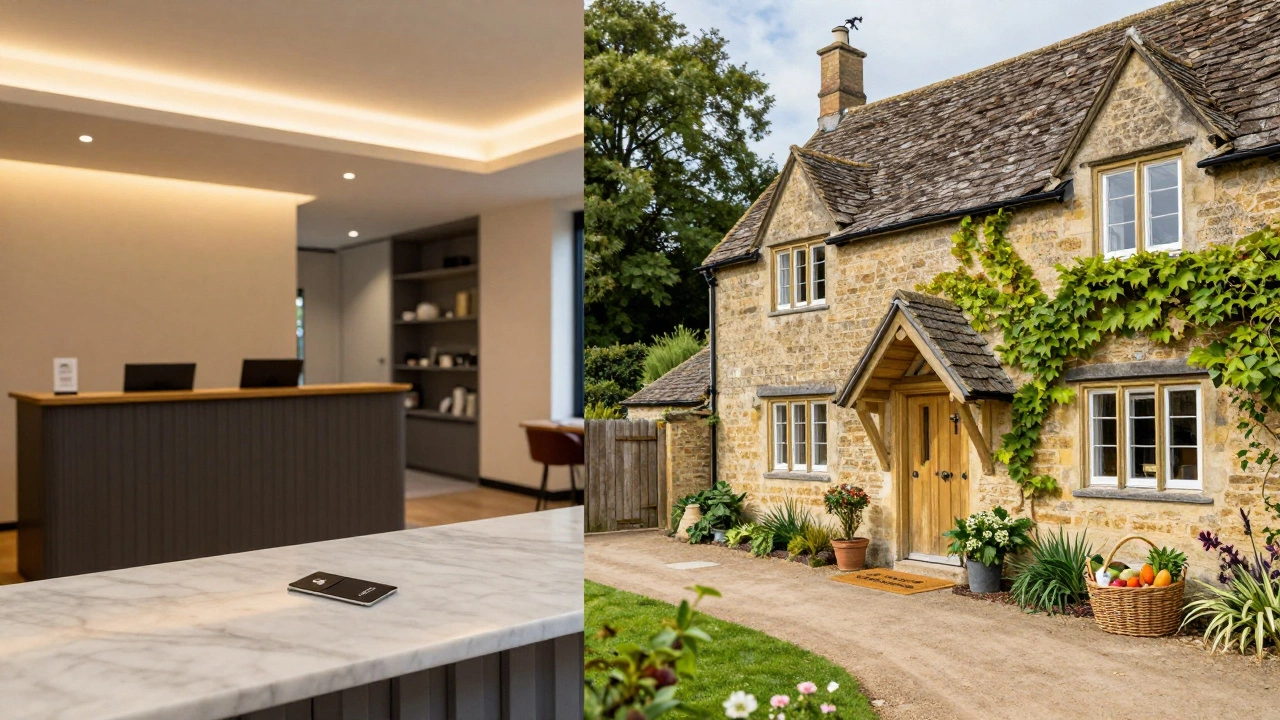
UK Staycation Cost Calculator: Hotel vs Airbnb
Estimate the total cost of your stay by factoring in hidden fees like cleaning charges, service fees, parking, and food options.
Cost Breakdown
Hotel Estimate
- Base Accommodation:
- Parking:
- Food & Drink:
- Total Hotel Cost:
Airbnb Estimate
- Base Accommodation:
- Cleaning Fee:
- Service Fee:
- Parking:
- Food & Drink:
- Total Airbnb Cost:
It’s June 2026, and the British summer is finally showing its face. You’ve booked the time off, packed the sunscreen, and now you’re staring at two tabs on your laptop: one for a local boutique hotel, the other for an entire cottage on Airbnb is a global online marketplace that connects people who want to rent out their homes with people who are looking for accommodations in specific locales.. The price per night looks similar. So, which one is actually cheaper?
The short answer? It depends entirely on how many people are traveling and how long you’re staying. But if you dig into the hidden costs-the cleaning fees, the resort charges, the breakfast taxes-the winner changes fast. For a solo traveler or a couple doing a quick weekend break, hotels often win on simplicity and total cost. For families or groups of four plus, Airbnb usually undercuts hotels once you factor in the ability to cook meals and save on extra beds.
The Base Price Trap: Why Nightly Rates Lie
When you search for accommodation in the Cotswolds or Cornwall, the first number you see is rarely the final number. This is the biggest pitfall in comparing UK staycations is domestic tourism within the United Kingdom where residents travel to different regions for leisure instead of going abroad.. Hotels tend to display a cleaner base rate, while marketplaces like Airbnb hide significant fees until the very last step of checkout.
Let’s look at a typical scenario in Bath. A standard double room at a mid-range hotel might list at £120 per night. That’s it. You book, you pay, you go. Now, look at a comparable two-bedroom apartment nearby. It lists at £130 per night. Sounds more expensive, right? Wrong. If you add the mandatory cleaning fee (often £50-£80) and the service fee (usually 14% of the subtotal), that “£130” apartment suddenly costs £190 for the same night. Suddenly, the hotel looks like the bargain.
However, this dynamic flips when you extend your stay. If you stay five nights, that fixed cleaning fee gets diluted across more days. The hotel remains flat at £120/night, but the Airbnb’s effective nightly rate drops because the £70 cleaning fee is spread over five days rather than one. For stays longer than three nights, the math starts to favor the rental property, provided you don’t get hit with excessive security deposits or last-minute guest verification fees.
The Group Factor: Sleeping Arrangements Matter
Who is coming with you? This is the single most important variable in the cost equation. Hotels charge per room, not per person. If you are a family of four, you need either two rooms or a large family suite. Two rooms at £120 each means £240 per night. A family suite might be £200, but they are scarce and often come with strict occupancy limits.
In contrast, an Airbnb listing for a whole house or apartment usually has a fixed capacity. Whether you have two guests or six (up to the limit), the price often stays the same. Renting a three-bedroom cottage in the Lake District for a week might cost £700 total. Split among four adults, that’s £175 per person for the week. To match that in a hotel, you’d need two rooms for seven nights, totaling £1,680. The savings here aren't just marginal; they are substantial.
But there’s a catch. Many Airbnb hosts add charges for extra guests beyond a certain threshold. Some charge £10-£20 per extra person per night. If you’re bringing a large group, check those fine print rules carefully. Sometimes, booking two separate smaller Airbnbs next to each other is cheaper than one large house with high per-guest fees.
Hidden Costs: Food, Utilities, and Amenities
We often forget that accommodation isn't just about a bed. It’s about where you eat, how you heat the place, and what you do during downtime. In 2026, food inflation in the UK has stabilized, but restaurant prices remain high. A simple dinner for two in a city center can easily run £60-£80 including drinks.
If you choose a hotel, you are likely eating out every meal unless the hotel offers an all-inclusive package (rare outside of resorts). An Airbnb gives you a kitchen. Buying groceries at Tesco or Sainsbury’s for breakfast, lunch, and snacks can save you hundreds of pounds over a week-long trip. For families with kids, this is huge. Kids’ menus are expensive; pasta from a jar is not.
What about utilities? Most UK hotels include heating, Wi-Fi, and water in the room rate. With Airbnb, it varies. Some hosts include everything. Others expect you to pay for electricity separately, especially in older properties without smart meters. Always check the listing description for “utilities included.” If you’re visiting in winter, a cold cottage with no central heating included will turn your savings into a billable nightmare.

Location Premiums: City Centers vs. Suburbs
Where you stay drastically affects the price comparison. In major cities like London, Manchester, or Edinburgh, hotels dominate the city centers. They are dense, efficient, and priced accordingly. An Airbnb in central London is often more expensive than a comparable hotel room because space is so limited. Hosts capitalize on the convenience of being steps away from the Tube or tram lines.
Outside city centers, the trend reverses. In rural areas like the Yorkshire Dales or the Scottish Highlands, hotels are fewer and further between. They often carry a premium for being the only option within a 20-mile radius. Meanwhile, Airbnb listings are abundant. Farmers rent out converted barns; locals offer spare rooms. The competition drives prices down. You can often find a charming stone cottage for half the price of the nearest B&B or hotel.
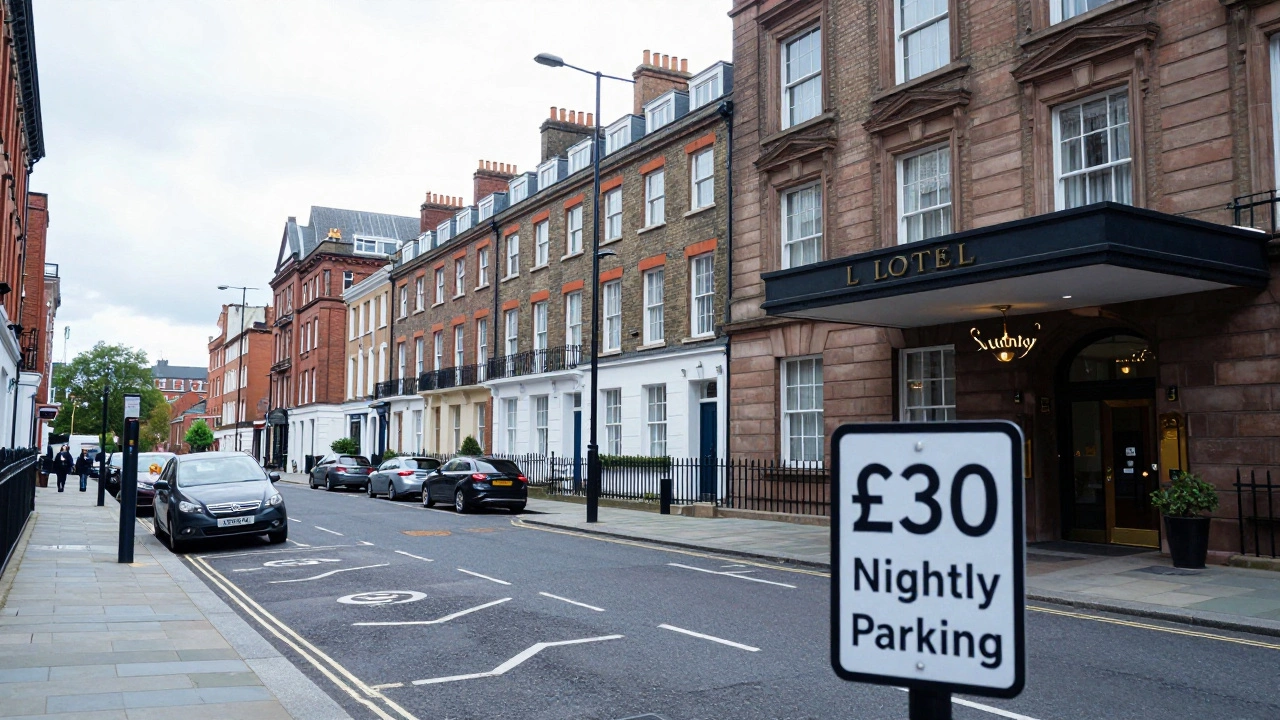
Transportation costs also play a role. If you drive, parking is key. Many city-center hotels charge £20-£40 per night for secure parking. Airbnbs in residential areas often offer free street parking or a private driveway. Over a week, saving £30 a day on parking adds up to £210-a sum that could cover your entire cleaning fee and then some.
The Experience Tax: Convenience vs. Control
Money isn’t the only metric. There’s the “experience tax”-what you pay for convenience, reliability, and service. Hotels offer daily housekeeping, 24-hour front desks, concierge services, and immediate problem resolution. If your AC breaks at 2 AM, someone fixes it. If you forget towels, they bring them.
Airbnb offers control and space. You have your own entrance, your own living room, and no noise from neighbors in the hallway. But if the boiler breaks, you’re texting a host who might be asleep or overseas. Response times vary wildly. Some hosts are super-responsive; others ghost you. This risk has a value. For business travelers or those seeking luxury, that uncertainty is too high a price. For backpackers or families who want to relax in their pajamas without worrying about disturbing anyone, the trade-off is worth it.
| Cost Category | Mid-Range Hotel (2 Rooms) | Airbnb Cottage (Whole Home) |
|---|---|---|
| Nightly Rate | £240 (£120 x 2 rooms) | £150 |
| Cleaning Fee | £0 | £75 |
| Service Fee | £0 | £60 (approx 14%) |
| Parking | £100 (£20/night) | £0 (Free driveway) |
| Food & Drink (Est.) | £400 (Eating out) | £150 (Groceries) |
| Total Estimated Cost | £1,690 | £935 |
As the table shows, for a family of four staying five nights, the Airbnb wins by a landslide when you account for parking and food. But swap that family for a solo traveler, and the hotel’s lack of cleaning fees and lower base rate makes it the smarter financial choice.
Seasonality and Last-Minute Deals
Timing is everything. In peak season (July and August), both hotels and Airbnbs raise prices. However, hotels often have better cancellation policies and dynamic pricing algorithms that release discounted rooms close to the date if occupancy is low. If you are flexible, checking hotel booking sites 48 hours before your trip can yield massive discounts.
Airbnb hosts, particularly those with “Superhost” status, tend to keep prices firm to avoid last-minute cancellations that leave them with unbooked weeks. They rely on early bookings. If you plan ahead-three months or more-you can lock in better rates on Airbnb. For spontaneous trips, hotels are generally more forgiving and potentially cheaper due to flash sales.
Verdict: How to Choose Based on Your Trip
So, what’s cheaper? Here is the rule of thumb I use when planning my own escapes from Bath:
- Solo or Couple, Weekend Break: Choose a hotel. The simplicity, included amenities, and lack of hidden fees make it easier and often cheaper than splitting a cleaning fee over two nights.
- Family or Group, Week+ Stay: Choose Airbnb. The ability to cook, sleep in separate rooms without paying for multiple hotel keys, and free parking makes it significantly more affordable.
- City Center: Lean towards hotels unless you find a rare gem. Parking and space constraints make urban Airbnbs pricey.
- Rural/Country: Lean towards Airbnb. The variety and competition among hosts drive down prices, and the experience of a cottage is part of the draw.
Ultimately, the cheapest option is the one that matches your lifestyle. If you hate cooking, the savings on an Airbnb kitchen won’t matter if you spend all your money ordering Uber Eats. If you value silence and privacy, a noisy hotel corridor isn’t worth the small discount. Calculate the total landed cost-including food, parking, and fees-and let that guide your decision. Happy travels!
Is Airbnb always cheaper than hotels in the UK?
No, Airbnb is not always cheaper. For short stays (1-2 nights) and solo travelers or couples, hotels are often cheaper because Airbnbs charge high fixed cleaning and service fees that inflate the total cost. Airbnb becomes cheaper primarily for groups of 3+ people or stays longer than 3-4 nights.
What are the hidden fees in Airbnb bookings?
The main hidden fees are the Cleaning Fee (a fixed amount charged regardless of stay length) and the Service Fee (typically around 14% of the subtotal). Some hosts also charge extra for additional guests, pets, or early check-in/late check-out.
Do hotels in the UK charge for parking?
Many hotels, especially in city centers like London, Manchester, and Edinburgh, charge for parking, ranging from £15 to £40 per night. However, many country hotels and budget chains offer free parking. Always check the hotel details before booking.
Is it safer to book a hotel or an Airbnb?
Hotels generally offer more consistent safety standards, including fire alarms, secure locks, and 24/7 staff presence. Airbnb safety varies by host and property. While most are safe, you should read reviews carefully and verify the host's identity before booking.
Can I cancel my Airbnb booking like a hotel?
Cancellation policies vary by host. Some offer flexible refunds, while others are strict or non-refundable. Hotels often have standardized cancellation windows (e.g., 24-48 hours before arrival). Always read the specific policy before paying.