England Transport Planner
Planning a trip in England? Answer these questions to find the most efficient and cost-effective way to get around.
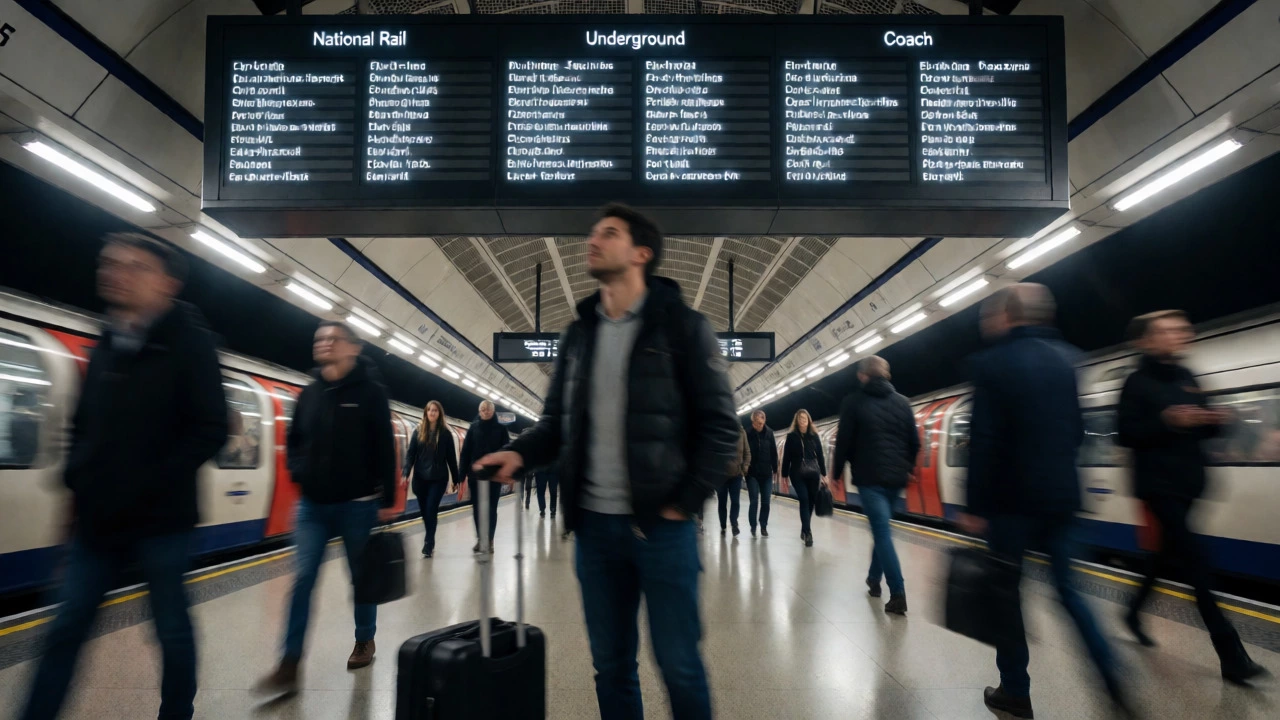
You land at Heathrow, grab your bags, and stare at the departure board. It’s a wall of scrolling text: National Rail, Underground, Coach, Taxi, Car Hire. If you’ve never navigated the UK before, it feels less like a map and more like a puzzle designed to confuse you. I live in Bath, a city that sits right on the edge of several major transport arteries, so I see this confusion every single day. Tourists arrive with high hopes for a charming countryside road trip or a quick hop to London, only to realize they don’t know if they need an Oyster card, a rail pass, or just a credit card and patience.
Getting around England is actually straightforward once you understand the hierarchy of its networks. It’s not about memorizing every route; it’s about knowing which tool fits which job. Are you moving between cities? Trains are usually king. Staying within a metropolis? The local transit wins. Want freedom in the Cotswolds? You’ll need wheels. This guide breaks down exactly how tourists move through England, stripping away the jargon and giving you the real-world tactics locals use.
The Backbone: National Rail Network
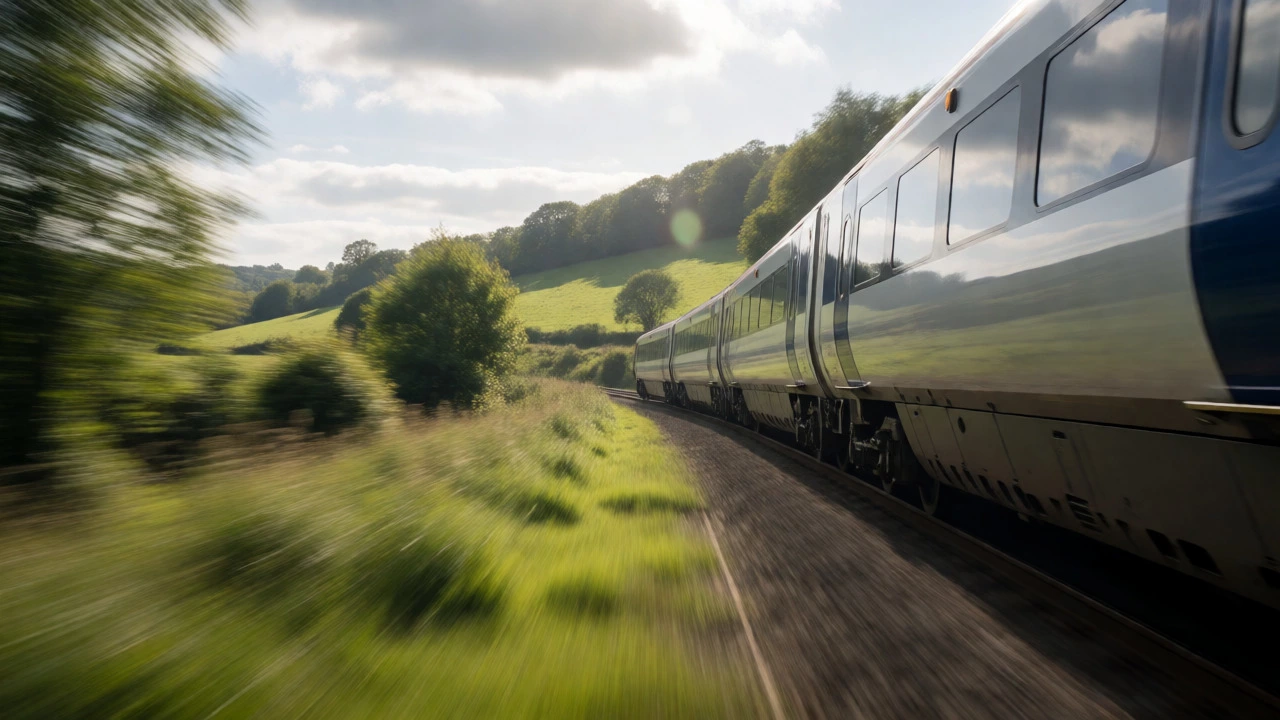
If you are moving from one major hub to another-say, London to Manchester or Edinburgh to York-the National Rail network is almost always your best bet. It is fast, relatively comfortable, and drops you right in the center of town. Unlike the US, where Amtrak can be slow and expensive, English trains cover short distances quickly. The journey from London Paddington to my home in Bath takes under two hours. From there, you can reach Bristol, Cardiff, or even Paris via Eurostar connections.
Here is the trick most first-time visitors miss: timing. Train fares in England operate on dynamic pricing, similar to airlines. If you book weeks in advance, you might pay £15 for a ticket that costs £90 on the day of travel. However, if you are spontaneous, look into Advance Tickets. These are fixed-price tickets released 8-12 weeks out. They are non-refundable but dirt cheap. If your plans are shaky, consider a Off-Peak ticket, which restricts travel to quieter times (usually after 9:30 AM) but allows changes.
Do not rely solely on apps for seat reservations. While many long-distance services require them, regional trains often do not. If you are traveling during peak commute hours (7:00-9:00 AM and 4:30-6:30 PM), expect standing room. Locals pack in tight. If you have large luggage, check if your train has dedicated racks; older rolling stock often lacks space, forcing you to hold your bag on your lap for two hours.
Urban Mobility: London vs. The Rest
London is a beast of its own. The London Underground, commonly called "The Tube," is efficient but complex. It consists of 11 lines, each color-coded. To navigate it without stress, forget paper maps. Download the official TfL (Transport for London) app or simply tap your contactless credit card at the gates. Yes, you read that right. You do not need to buy a separate ticket. Tap in at the start, tap out at the end, and the system calculates the cheapest fare automatically. If you hit the daily cap (around £8.50 for Zones 1-2 as of recent updates), further journeys that day are free.
Outside London, things change. Cities like Manchester, Birmingham, and Leeds have light rail systems (often called Metrolink or Metro). They are easier than the Tube because they run above ground and follow street routes. In smaller cities like Oxford or Cambridge, buses are the primary mode of transport. Look for operators like Stagecoach or First Bus. Many now accept contactless payment directly on the bus, eliminating the need for exact change-a massive relief when you’re fumbling for coins while the driver waits.
| City | Primary System | Payment Method | Best For |
|---|---|---|---|
| London | Underground & Overground | Contactless / Oyster Card | Speed across zones |
| Manchester | Metrolink (Tram) | Contactless / App Ticket | Airport to City Centre |
| Birmingham | Metro (Light Rail) | Contactless / Traveline | Connecting suburbs |
| Oxford | Buses | Contactless / Cash | Campus hopping |
Road Trips: Driving and Parking Realities
Many tourists dream of renting a car to explore the Cotswolds, Lake District, or Cornwall. And yes, the scenery is worth it. But driving in England comes with specific headaches you need to budget for. First, the roads are narrow. Country lanes in areas like Devon or Somerset are often single-track, meaning only one car can fit comfortably. If you meet an oncoming vehicle, one of you must pull into a passing place. It’s polite to wait, but it adds time to your journey.
Parking is the bigger issue. In cities, look for Ultra Low Emission Zones (ULEZ). London has the most famous one, but Birmingham, Bristol, and Bath also charge fees for older, polluting cars. If you rent a standard economy car, check its emission rating. If it doesn’t meet ULEZ standards, you could face daily fines of £12.50 in London alone. Always check the council website for the city you are visiting before you drive in.
For parking itself, avoid street parking in city centers unless signs explicitly allow it. Use Park & Ride schemes. Most tourist-heavy towns offer these. You park on the outskirts for a flat fee (often including bus transfer) and ride a shuttle into the historic core. It saves money and the stress of circling blocks for a spot. In rural areas, be wary of sheep. Seriously. There are no fences on many moorland roads, and livestock has the right of way.

Budget Hacks: Coaches and Cycling
If you are watching your wallet, skip the trains and look at coaches. Operators like National Express and Megabus connect almost every town in England. A trip from London to Brighton might cost £5 on a coach versus £20+ on a train. The trade-off? Time. Coaches are slower and stop more frequently. They also lack the legroom of trains. But if you are young, flexible, and not carrying heavy gear, it’s a viable option. Book online in advance; prices spike at the station counter.
For the active traveler, cycling is underrated. England has a growing network of long-distance cycle paths. The Sustrans charity maintains routes like Route 1 (Land's End to John o' Groats) and various canal towpaths. Canal paths are particularly popular with tourists because they are flat, scenic, and traffic-free. You can hire bikes in most university towns or larger cities. Just remember: cyclists must follow traffic laws. Riding on pavements (sidewalks) is generally illegal and frowned upon by pedestrians.
Practical Tips for Smooth Travel
Before you head out, download offline maps. Signal can be spotty in rural valleys or underground tunnels. Also, familiarize yourself with the concept of "Peak" and "Off-Peak." This terminology affects train and bus fares significantly. Peak times are rush hours; Off-Peak is mid-day and weekends. Buying an Off-Peak ticket during Peak hours results in a fine or extra fare collection.
Tipping drivers isn't mandatory in the UK, unlike in the US. For taxis, rounding up to the nearest pound is common. For Uber, you can tip via the app, but it’s optional. For coaches, no tip is expected. Keep small notes handy for tipping hotel porters or tour guides, but don’t feel pressured to tip every service interaction.
Finally, weather impacts transport. Rain here isn’t just water; it’s wind-driven sideways storms that can delay trains due to fallen trees or signal faults. Always build in buffer time. If you have a flight to catch from a remote area, leave earlier than you think necessary. The last train might be at 11 PM, but the next one could be tomorrow morning.
Is it cheaper to buy train tickets in advance or on the day?
Buying in advance is significantly cheaper. "Advance" tickets are released 8-12 weeks prior and can cost 50-70% less than "Anytime" tickets bought on the day. However, if your plans are uncertain, an "Off-Peak" ticket bought a few days ahead offers a balance of lower cost and flexibility compared to same-day purchases.
Do I need an Oyster card if I have a contactless credit card?
No, you do not need a physical Oyster card if you have a contactless debit or credit card. Tapping in and out with contactless works on all London Underground, buses, trams, and National Rail services within London. The system automatically applies the daily fare cap, ensuring you never pay more than the maximum daily rate.
What is the ULEZ charge and does it apply to rental cars?
The Ultra Low Emission Zone (ULEZ) charges vehicles that do not meet strict emission standards. As of 2026, this applies to most cars registered before 2006 (petrol) or 2015 (diesel). Rental cars vary widely. Always check the registration plate against the TfL or local council checker before driving into London, Birmingham, or other compliant cities to avoid automatic penalty notices sent to the rental company, who will then bill you plus admin fees.
Are buses in England cash-only?
Mostly no. Major operators like Stagecoach and Go-Ahead accept contactless payments directly on the bus. Some smaller private operators may still require cash or pre-purchased tickets. It is wise to carry a small amount of change just in case, but you should rarely need it in major cities.
How do I get from airports to city centers efficiently?
Heathrow has the Elizabeth Line and Piccadilly Line (Tube). Gatwick has direct trains to London Victoria/London Bridge. Manchester Airport has a dedicated tram link to the city center. For most other airports, a combination of shuttle bus and train is standard. Check airport websites for "Express" vs "Local" options; express trains save time but cost more.