
Mental Health Travel Readiness Planner
Check items you have prepared. This helps calculate your overall readiness score.
Recommended Accommodation Type
Readiness Assessment
Planning a trip when someone in your group struggles with mental health issues can feel like walking a tightrope. You want the break to be relaxing, but you’re also worried about meltdowns, medication schedules, or the sheer stress of packing and transit. The good news? With the right preparation, weekend getaways can actually be therapeutic rather than traumatic. This guide breaks down how to make travel manageable for both the traveler and their support person, focusing on realistic steps you can take starting today.
Understanding the Core Challenges
Before booking anything, you need to map out what specific triggers might disrupt the trip. Mental health is not one-size-fits-all; what works for someone with generalized anxiety disorder (GAD) might fail for someone managing bipolar disorder or PTSD. Identify the primary condition and its typical symptoms during high-stress periods. For instance, if sensory overload is a major trigger, a bustling city center hotel might be a bad idea, whereas a quiet country cottage could be perfect.
Consider the duration as well. Short trips are often safer bets because they limit exposure time to potential stressors. A two-day escape allows you to test the waters without committing to a week of uncertainty. It’s also crucial to assess the current stability of the individual. Are they currently in a stable phase of treatment? If they’ve recently changed medications or had a significant life event, it might be wise to postpone non-essential travel until things settle down.
Choosing the Right Destination and Accommodation
The environment plays a huge role in mental health outcomes. When selecting a destination, prioritize calmness over excitement. Look for places with predictable routines and low noise levels. Here is a comparison of common accommodation types to help you decide:
| Accommodation Type | Sensory Load | Routine Flexibility | Best For |
|---|---|---|---|
| Country Cottage | Low | High | Anxiety, Sensory Processing Issues |
| City Hotel | High | Medium | Depression (social stimulation), Mania (structure) |
| Spa Resort | Medium | High | Burnout, Stress Recovery |
| Campsite | Variable | Low | Nature Therapy, Low Social Anxiety |
If you choose a cottage, ensure it has a dedicated quiet space where the traveler can retreat if overwhelmed. Avoid places that require strict check-in times or have noisy neighbors close by. For hotels, request a room away from elevators and ice machines. These small details prevent unnecessary spikes in cortisol levels throughout the stay.
Packing Essentials Beyond the Basics
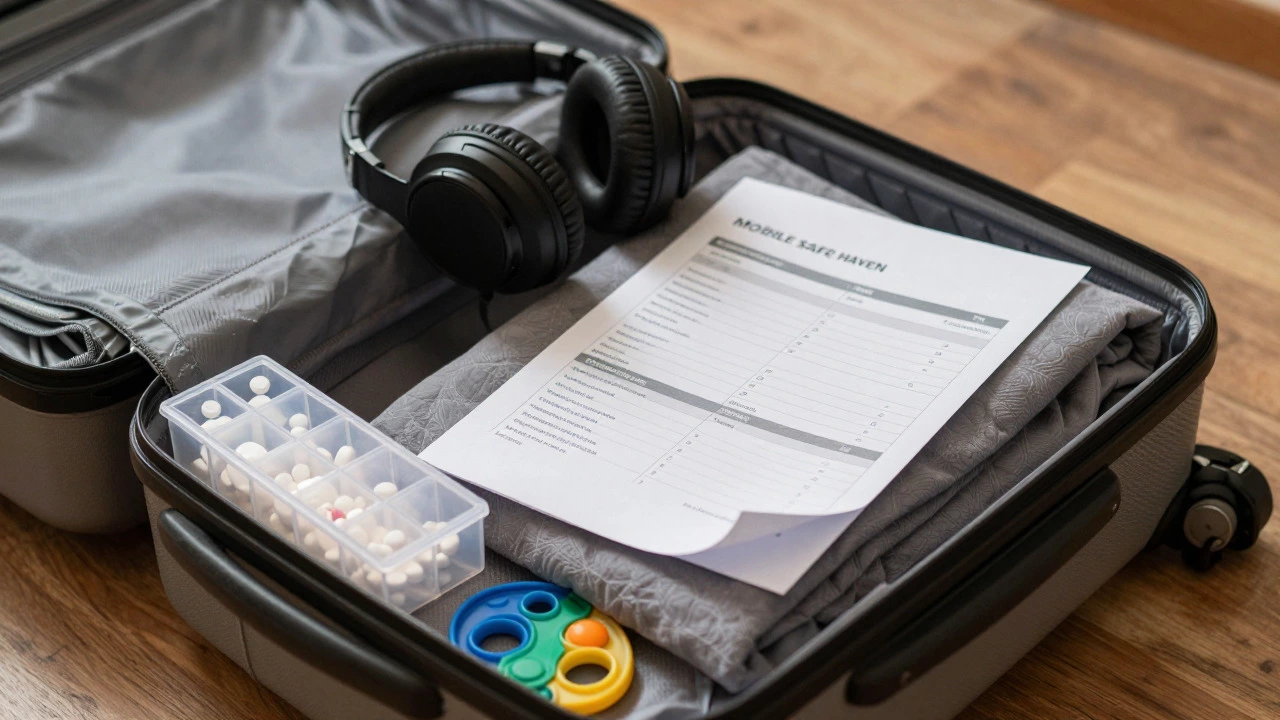
Your packing list needs to go beyond clothes and toiletries. You are essentially building a mobile safe haven. Start with the medical kit. Include all necessary prescriptions, labeled clearly with dosage instructions. Bring extra copies of emergency contact numbers, including the local crisis line and the traveler’s therapist or psychiatrist. If the traveler uses specific coping mechanisms, pack those too-noise-canceling headphones, weighted blankets, fidget toys, or familiar comfort items from home.
Don’t forget practical aids for navigation and communication. A printed itinerary is often less stressful than relying on phone data, which can fail or drain battery. Prepare a simple “calm down” card that lists agreed-upon signals or phrases to use if the traveler feels overwhelmed. This reduces the cognitive load during a difficult moment, allowing everyone to respond quickly without arguing about what to do next.
Structuring the Itinerary for Success
Over-scheduling is the enemy of mental health travel. Build in buffer time between activities. If you plan to visit a museum at 10 AM, don’t book lunch at 1 PM. Give yourself a two-hour gap to eat slowly, rest, or simply sit in a quiet café. This flexibility allows the day to breathe. If an activity goes wrong, you have time to recover without rushing to the next commitment.
Keep the daily routine consistent wherever possible. Try to maintain regular sleep and meal times, even if you’re in a different time zone or location. Disruptions to circadian rhythms can worsen mood instability. Plan meals around known preferences; unfamiliar food can be a subtle but real stressor. If dining out, check menus online beforehand so there are no surprises regarding ingredients or portion sizes.
Managing Transit and Movement
Getting to the destination is often the most stressful part of the trip. If driving, allow extra time to avoid traffic-related panic. Listen to calming audio content rather than intense podcasts or news. If flying or taking trains, arrive early to avoid the rush. Seat selection matters: aisle seats offer an escape route if needed, while window seats provide a visual anchor. For long journeys, break up the trip with stops every two hours to stretch and reset.
Prepare for delays. Have snacks, water, and entertainment ready for unexpected waiting periods. Delays are inevitable in travel, and having a plan for them prevents minor inconveniences from becoming major crises. Agree on a signal for “we need a break” before you start moving. This ensures that if the traveler feels their threshold being crossed, they can communicate it without having to articulate complex feelings in the heat of the moment.

Support Strategies During the Trip
As a support person, your role shifts from planner to observer. Watch for early signs of distress-withdrawal, irritability, or physical tension-and intervene gently. Don’t wait for a meltdown to happen; act on the pre-cursor signs. Offer choices rather than commands. Instead of saying, “We need to leave now,” try, “Do you want to rest here for ten minutes or head back to the car?” This restores a sense of control, which is often the core issue during anxiety episodes.
Be patient with yourself, too. Supporting someone through travel is emotionally draining. Take turns if you have multiple caregivers. Ensure you also get moments of respite. A happy, rested support person is far more effective than one who is running on empty. Remember, the goal isn’t a perfect holiday; it’s a manageable experience that doesn’t cause lasting harm.
Post-Trip Review and Adjustment
After you return home, take time to debrief. What worked? What didn’t? Did the accommodation meet expectations? Was the pace too fast? Write these observations down. They will be invaluable for planning the next trip. Mental health travel is iterative; each journey teaches you more about what your specific group dynamic requires. Over time, you’ll develop a personalized playbook that makes future getaways significantly easier and more enjoyable for everyone involved.
Should I inform the hotel about my companion's mental health condition?
Generally, yes, but only if it helps. Informing staff can lead to quieter rooms or flexible check-out times. However, share only what is necessary to get the accommodations you need, such as "needs a quiet room" rather than a full medical history, to protect privacy.
What if the traveler refuses to take their medication while traveling?
This is a common challenge. Establish a clear agreement before the trip about medication timing. Use pill organizers or apps with reminders. If refusal persists, have a backup plan, such as contacting their doctor remotely. Keep the attitude collaborative, not punitive, to reduce resistance.
Is it better to travel alone or with friends/family?
For first-time mental health-focused trips, traveling with a trusted support person is usually safer. Friends can add social pressure, whereas a dedicated caregiver understands the specific needs. Once confidence builds, solo or peer-supported trips can be considered, but always keep emergency contacts handy.
How do I handle public outbursts or stigma?
Focus on de-escalation rather than explanation. Most bystanders just want the situation to resolve. Move to a quieter area if possible. Afterward, validate the traveler’s feelings without judgment. Stigma is external; your internal reaction sets the tone for recovery. Remind them that the outing is temporary and they are safe.
Can virtual reality or digital tools help during travel?
Yes, carefully. Noise-canceling headphones with calming music or guided meditations can be lifesavers in loud environments. However, avoid stimulating video games or social media if they increase anxiety. Digital tools should serve as anchors to calm, not sources of additional distraction.