UK Airbnb Legality & Compliance Checker
Select your destination and booking details below to see potential regulatory requirements and risks.
You’re scrolling through listings for a cozy cottage in the Cotswolds or a flat in Edinburgh. You click "Book," but a nagging thought pops up: Is Airbnb legal in the UK? And if it is, are you actually allowed to stay there?
Here’s the short answer: Yes, Airbnb is legal in the UK. But that simple "yes" hides a messy web of local laws, tax traps, and neighborhood bans that can turn your dream stay into a logistical nightmare. If you’re planning a staycation in 2026, you need to know more than just how to pack.
Key Takeaways
- It’s legal, but regulated: Short-term lets are lawful across the UK, but rules vary wildly between England, Scotland, Wales, and Northern Ireland.
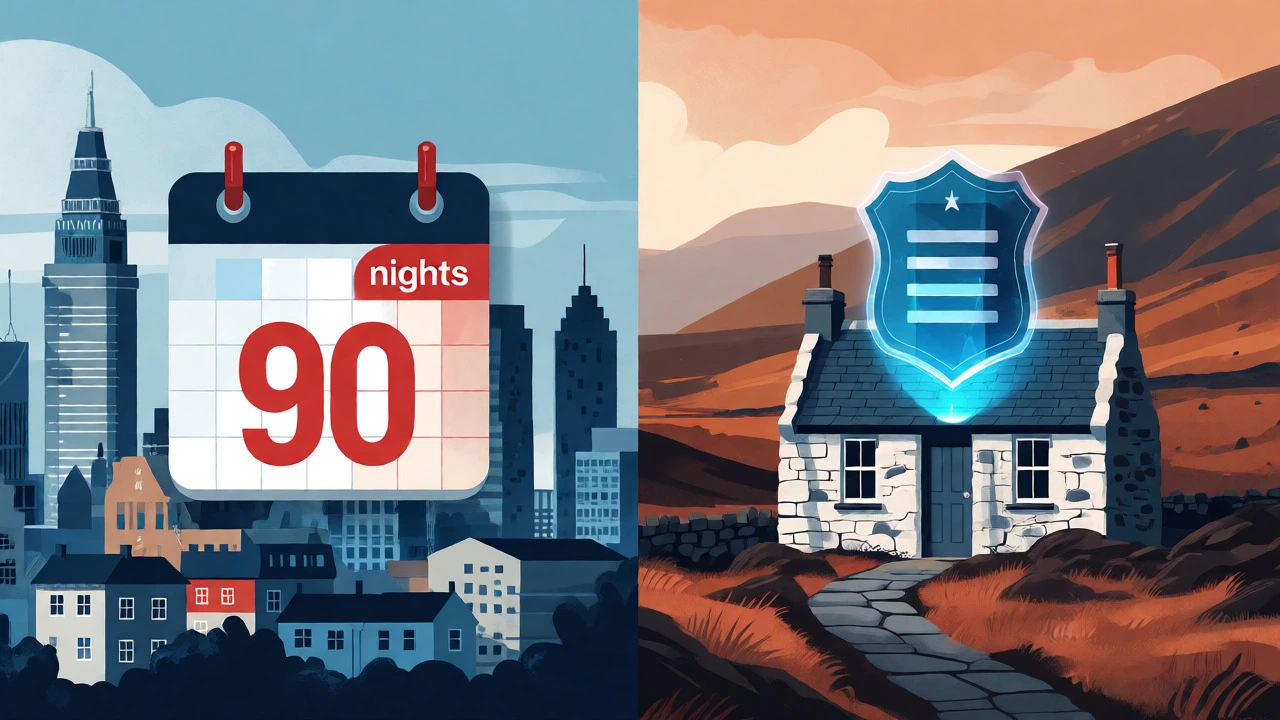
- The 90-Day Rule applies in London: In Greater London, hosts can only rent out their entire home for 90 nights a year without special planning permission.
- Scotland is stricter: Hosts need a mandatory license to list on platforms like Airbnb. No license means no legal booking.
- Taxes matter: The Rent-a-Room scheme allows £7,500 tax-free income in England/Wales/Northern Ireland, but Scotland has different thresholds.
- Check the listing details: Always look for license numbers or registration codes before booking, especially in major cities.
The Big Picture: Why It’s Not Just a Simple Yes
Think of UK housing law as a patchwork quilt. Each stitch represents a different council, government body, or set of regulations. While the central government hasn’t banned short-term lets, local authorities have been given growing powers to crack down on what they see as unregulated hotels disguised as homes.
For you, the traveler, this means legality isn’t just about whether the host broke the law-it’s about whether your stay could be interrupted. Imagine arriving at a beautiful Victorian terrace in Bristol, only to find a council officer inspecting the property because the neighbor complained about noise. Or worse, discovering the host didn’t have the required Scottish license, making the contract technically void. Understanding these nuances protects your money and your peace of mind.
England: The Wild West (With Some Fences)
In most of England, outside of London, things are relatively relaxed. If someone rents out a room in their house while living there, they generally don’t need planning permission. This falls under the "incidental use" rule. However, if they’re renting out an entire apartment or house full-time, many councils now require a change-of-use application. This turns a residential property into a commercial one, which triggers business rates instead of council tax.
London is the exception. The Greater London Authority enforces a strict 90-day cap per calendar year for whole-home rentals. If a host exceeds this, they need explicit planning permission from their borough council. Most casual hosts don’t bother with this paperwork, so they simply stop taking bookings after three months. As a guest, this explains why some popular London listings disappear in winter-they’ve hit their limit.
| Region | Main Restriction | Licensing Required? | Tax-Free Allowance |
|---|---|---|---|
| England (Non-London) | Planning permission needed for full-time lets | No (mostly) | £7,500 (Rent-a-Room) |
| London | 90-night annual cap for whole homes | No (for under 90 nights) | £7,500 (Rent-a-Room) |
| Scotland | Mandatory licensing scheme | Yes | £4,000 (varies) |
| Wales | Local council controls; HMO rules apply | Case-by-case | £7,500 (Rent-a-Room) |
Scotland: The License Gatekeeper
If you’re heading north of the border, pay close attention. Scotland introduced a mandatory Short-Term Accommodation Licensing Scheme that fully came into force recently. Unlike England, where you can often fly under the radar, Scottish hosts must apply for a license from their local council before listing on Airbnb, Booking.com, or Vrbo.
How does this affect you? Easy. Legitimate listings in Scotland will display a license number on their profile page. If you’re eyeing a flat in Glasgow or a cabin in the Highlands and there’s no license code visible, ask the host. If they can’t provide one, you risk being evicted mid-stay if the council cracks down. Also, note that the tax-free allowance in Scotland differs from the rest of the UK, so hosts might price things slightly differently to cover compliance costs.
Wales and Northern Ireland: Local Nuances
Wales has been tightening its grip on second homes. Many Welsh councils, particularly in tourist hotspots like Snowdonia or Cardiff, have increased council tax premiums for empty properties. This indirectly pressures hosts to either live in the property or register it properly as a holiday let. There isn’t a single national ban, but local enforcement is getting sharper.
Northern Ireland follows similar rules to England regarding the Rent-a-Room scheme. However, cross-border travel considerations sometimes mean hosts are cautious about long-term contracts. If you’re combining a trip to Dublin with a stay in Belfast, check if the host distinguishes between tourist lets and long-term tenancies, as tenant rights differ significantly.
The Tax Angle: Who Pays What?
You might wonder, "Does the law affect my wallet?" Indirectly, yes. Hosts who follow the rules usually factor compliance costs into their nightly rates. But there’s good news for budget travelers. The Rent-a-Room Scheme allows hosts to earn up to £7,500 a year tax-free if they rent out furnished accommodation in their main home. This keeps prices competitive for rooms in houses rather than entire apartments.
However, if a host runs a dedicated holiday cottage business, they pay VAT once their turnover hits £90,000 (the threshold may adjust with inflation). They also pay Business Rates instead of Council Tax. These costs often show up in cleaning fees or higher base rates. Don’t be shocked if a compliant, licensed property in Edinburgh costs 15% more than an unlicensed basement flat in Manchester. You’re paying for certainty.
How to Spot a Legal Listing Before You Book
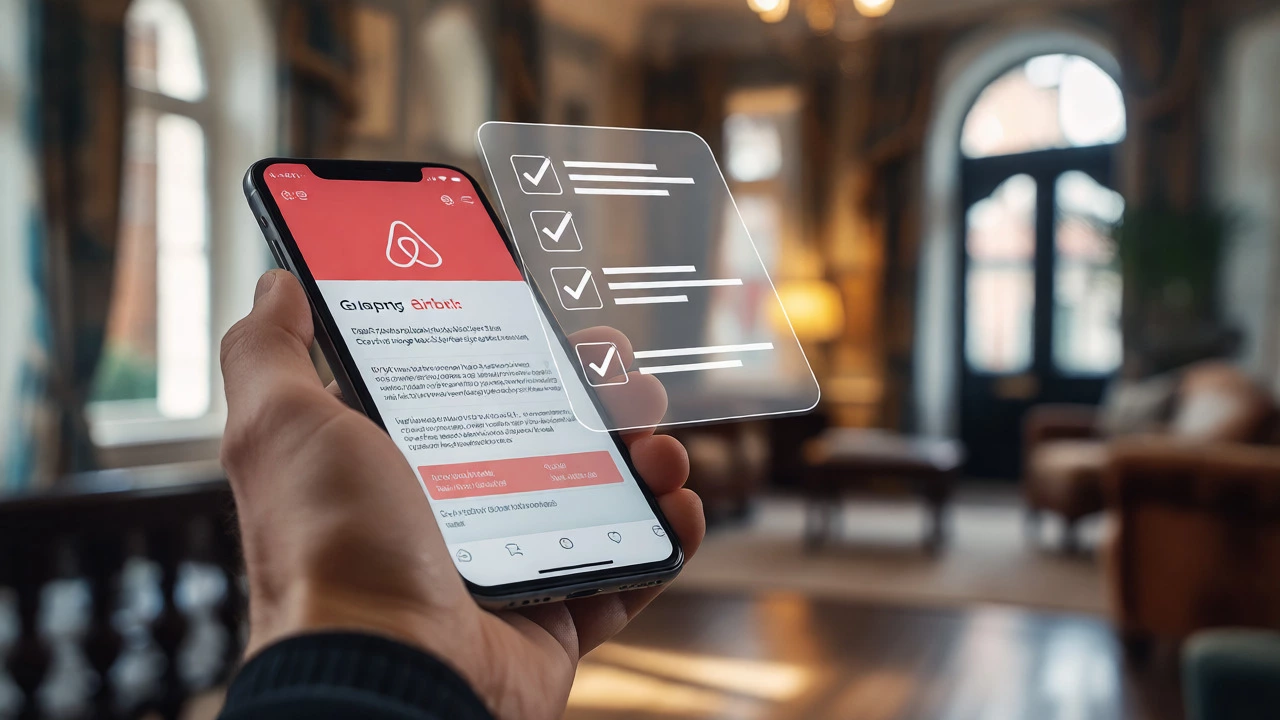
Don’t rely on hope. Do a quick audit before entering your credit card details. Here’s your checklist:
- Look for the License Number: In Scotland, this is non-negotiable. Search the listing description or the "About this space" section for a code starting with letters like "LIC" followed by numbers.
- Check the Location: Is it in London? If it’s an entire home, ask the host if they’ve exceeded 90 nights this year. A polite message like, "Are you still within the 90-day cap for whole-home lets?" works wonders.
- Read Recent Reviews: Look for mentions of "noise complaints," "neighbors," or "council." These are red flags that the property might be operating in a gray area.
- Verify Identity: Use Airbnb’s ID verification features. Verified Superhosts are less likely to cut corners on legal requirements because they care about their rating.
What Happens If Things Go Wrong?
Let’s say you book a place, arrive, and find out it’s illegal. Maybe the host lost their license, or the building management banned short-term lets. What do you do? First, document everything. Take photos of any notices posted by the council. Contact Airbnb support immediately. Their "AirCover" protection generally covers you for rebooking costs if the host cancels due to regulatory issues, but you must act fast.
Never accept cash-only deals off-platform to "avoid taxes." That removes all your safety nets. If the police or council shut the place down, you’re on your own. Stick to the platform, keep communication inside the app, and insist on a digital receipt.
Beyond the Law: Being a Good Guest
Legality isn’t just about statutes; it’s about community relations. The backlash against Airbnb in cities like Bath and Oxford stems from residents feeling displaced by tourists. Even if your stay is perfectly legal, your behavior matters. Keep noise down after 10 PM. Respect waste disposal rules-some areas have strict recycling protocols. If you’re staying in a rural cottage, respect livestock and private land boundaries.
When guests treat short-term lets like hotel rooms without considering the neighbors, councils respond with stricter laws. By being mindful, you help preserve the availability of these unique accommodations for future staycations.
Can I get fined for staying in an illegal Airbnb?
No, guests are rarely fined directly. The penalties fall on the host. However, you might face inconvenience, such as having to leave early or finding alternative accommodation at your own expense if the host fails to arrange it promptly.
Do I need to check if my Airbnb has a license in England?
In most of England, no specific license is required for short-term lets unless it's a House in Multiple Occupation (HMO) or a full-time commercial let requiring planning permission. In London, the 90-day rule is the main constraint, not a license.
Is it safer to book a licensed property?
Yes. Licensed properties have undergone safety inspections (fire, gas, electrical) mandated by local councils. This reduces risks like carbon monoxide leaks or fire hazards, offering better protection than unregulated listings.
What if the host doesn't mention the 90-day rule in London?
If you book a whole-home rental in London late in the year, ask explicitly if they have remaining quota. If they exceed the 90 days without planning permission, the booking could be invalid. It’s best to confirm via the messaging system before paying.
Are student halls or serviced apartments considered Airbnbs?
Often, yes, but they operate under different rules. Serviced apartments are usually commercial entities with full planning permission. Student halls rented out in summer are typically managed by universities, which handle compliance centrally, making them generally safe bets.