UK Staycation Cost Calculator
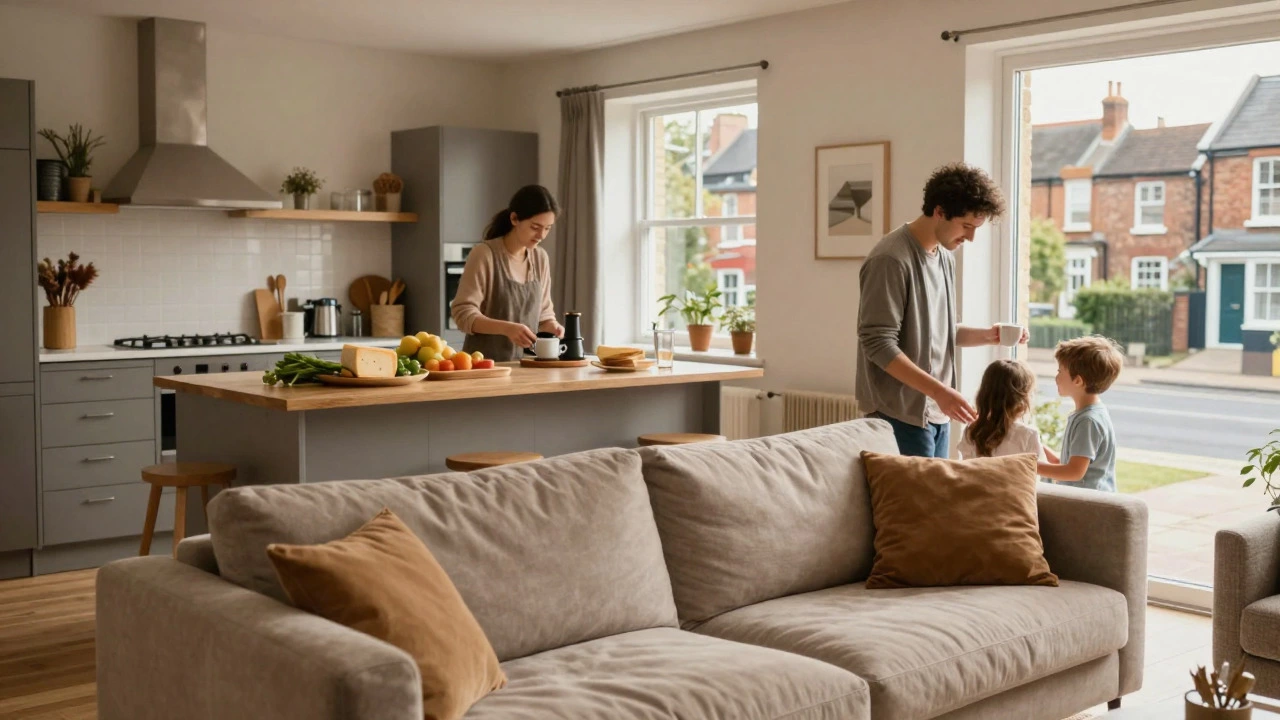
Enter your trip details below to see if an Airbnb or a traditional hotel is the smarter financial choice for your next UK break.
Let's be honest: booking an Airbnb is a peer-to-peer marketplace for renting out homes and apartments, often offering more space and amenities than traditional hotels in the UK feels like a gamble. You want the comfort of home, but you're worried about hidden fees, strict cancellation policies, or ending up in a place that looks nothing like the photos. With the rise of staycations is the practice of taking a vacation within one's own country to save money and reduce travel stress, many Brits are asking if short-term rentals actually deliver better value than staying at a local B&B or hotel.
The answer isn't a simple yes or no. It depends entirely on who you are traveling with, how long you're staying, and where you're going. In this guide, we’ll break down the real numbers, the pros and cons, and help you decide if an Airbnb is the right move for your next trip.
Key Takeaways
- Cost Comparison: Airbnbs are typically cheaper per night than hotels for groups of 3+ people, but more expensive for solo travelers due to cleaning fees.
- Space Advantage: Short-term rentals offer full kitchens and living areas, which is ideal for families or longer stays (4+ nights).
- Location Trade-off: Hotels are usually closer to city centers; Airbnbs might require a car or extra transport costs to get around.
- Risk Factor: Always check recent reviews and host response times before booking, as quality can vary wildly compared to standardized hotels.
The Real Cost: Breaking Down the Price Tag
When you see a nightly rate on Airbnb, it’s rarely the final price. To make a fair comparison with a hotel, you need to look at the total cost. This includes the base rate, service fee (usually around 10-15%), and the cleaning fee. That last part is the big one. In popular areas like London or Bath, cleaning fees can range from £40 to over £80 per stay.
For a couple traveling alone, a mid-range hotel room in a UK city might cost £120 per night. An equivalent Airbnb might list at £90 per night, but add £60 for cleaning and £15 for service fees, and you’re looking at £165 total for the first night. If you only stay two nights, the hotel wins on price. However, if you stay five nights, the fixed cleaning fee gets spread out, making the Airbnb significantly cheaper per night.
| Accommodation Type | Solo Traveler | Couple | Family (4 people) |
|---|---|---|---|
| Mid-Range Hotel | £80 - £120 | £120 - £180 | £200 - £300 (often requires 2 rooms) |
| Airbnb (Entire Home) | £70 - £100 + Fees | £90 - £140 + Fees | £150 - £220 + Fees |
Notice the family column. Hotels often charge double for two rooms or extra beds. An entire Airbnb house for four people is frequently the most economical option, provided you factor in the self-catering aspect.
Why Choose an Airbnb for Your Staycation?
Money is only half the story. The main draw for many travelers is the experience. A standard hotel room offers a bed and a small desk. An Airbnb gives you a kitchen, a washing machine, and often a garden or patio. For a staycation, this changes the dynamic completely.
If you’re visiting rural areas like the Cotswolds or the Lake District, finding a good restaurant nearby can be difficult. Having a kitchen means you can buy local produce from a market and cook a proper meal, saving hundreds of pounds on dining out. It also allows for flexibility. Maybe you want to start your day with coffee in the park instead of the hotel lobby. Or perhaps you have a toddler who needs a quiet space to play without disturbing other guests. These small freedoms add up to a much more relaxed holiday.
Furthermore, many Airbnbs are located in residential neighborhoods rather than tourist hubs. This means you get a glimpse into how locals live. You might find yourself chatting with neighbors over the fence or discovering a hidden gem of a pub just around the corner that isn’t listed in any guidebook.
When a Hotel Might Be Better
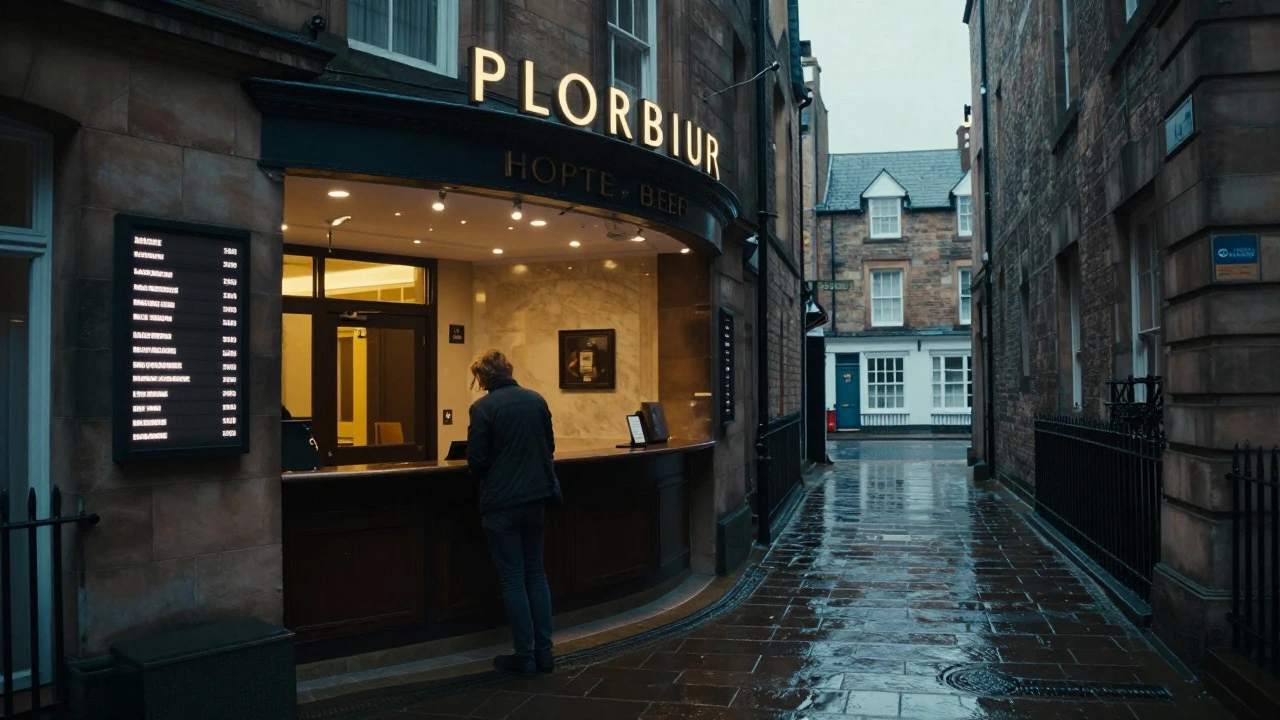
Don’t let the hype blind you to the downsides. There are scenarios where a hotel is the smarter choice. If you are traveling solo, the cleaning fee makes Airbnbs less attractive. Plus, solo travelers often appreciate the social aspect of a hotel bar or breakfast buffet, which a private rental lacks.
Location is another critical factor. If you’re doing a weekend city break in Edinburgh or Manchester, being within walking distance of the main attractions is vital. Many Airbnbs are pushed out to the suburbs by higher prices in the center. You might end up spending time and money on buses or taxis, erasing any savings you made on the room rate.
Finally, consider the service level. Hotels provide daily housekeeping, concierge services, and easy access to front desks for late check-ins or early check-outs. Airbnbs are largely self-check-in. If you arrive late at night and the smart lock code fails, you’re on your own until morning. For some, that’s fine; for others, it’s stressful.
How to Vet an Airbnb Before Booking
Since there is no star rating system, you have to do your own due diligence. Here is a checklist to ensure you don’t waste your money:
- Check the Review Date: Look at reviews from the last 6 months. A property that was renovated recently will have different feedback than one from three years ago.
- Read Between the Lines: Look for comments about noise, cleanliness, and accuracy of description. Phrases like "it was cozy" can sometimes mean "it was tiny."
- Contact the Host: Ask specific questions. "Is there parking on-site?" "How far is the nearest supermarket?" A responsive, helpful host is a great sign. A slow or vague responder is a red flag.
- Verify Amenities: Don’t assume "WiFi" means fast WiFi. If you’re working remotely, ask for the speed test results. Check if linens and towels are included, as some budget listings charge extra.
Local Tips for UK Staycations
If you’re based in or visiting places like Bath, you have unique advantages. The city is compact enough that even Airbnbs slightly outside the center are walkable. Plus, the local food scene is excellent, so having a kitchen lets you enjoy fresh local cheeses and bread without paying premium restaurant prices.
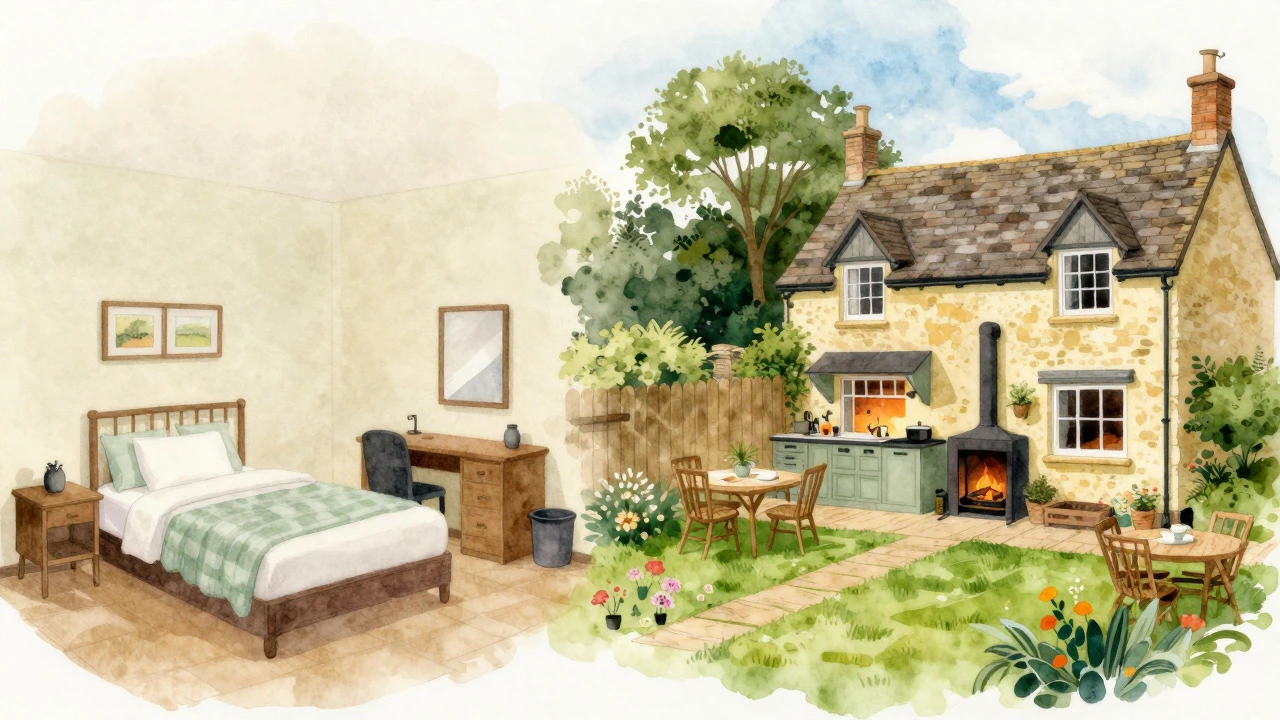
In larger cities like London, be cautious of "entire place" listings that are actually just one room in a shared house. Read the listing carefully to understand who else lives there. In rural areas, check the weather forecast. If it’s rainy, a property with a large indoor common area or a fireplace is far more enjoyable than one that relies solely on outdoor space.
Frequently Asked Questions
Are Airbnbs safer than hotels in the UK?
Generally, both are safe, but they offer different types of security. Hotels have 24-hour staff presence and CCTV. Airbnbs rely on guest trust and secure locks. Always use the official Airbnb platform for payment to ensure guest protection coverage, which covers issues like undisclosed pets or damage disputes.
What is the average cleaning fee for an Airbnb in the UK?
Cleaning fees vary by size and location. For a standard two-bedroom apartment, expect between £40 and £70. Larger houses or properties in high-demand areas like London can exceed £100. This fee is charged once per stay, not per night.
Can I cancel an Airbnb booking easily?
Cancellation policies depend on the host. Most UK hosts offer a 'Flexible' policy (full refund up to 24 hours before check-in) or a 'Moderate' policy (full refund up to 14 days before). Always read the specific policy before confirming your reservation, as it is binding.
Is it worth paying for Airbnb Extra Clean?
Yes, especially during flu season or for allergy sufferers. The 'Extra Clean' badge indicates the host has taken additional steps beyond standard cleaning, such as sanitizing high-touch points. It provides peace of mind that the space is hygienic.
Do I need to tip the Airbnb host?
Tipping is not expected in the UK for Airbnb hosts, unlike in the US. However, leaving a thoughtful review is highly valued. If the host goes above and beyond, such as providing welcome gifts or flexible check-in times, a small thank-you note or gift is appreciated but never required.