All-Inclusive Value Calculator
Enter your estimated daily spending habits to see if the all-inclusive bundle saves you money compared to a pay-as-you-go model.
Estimated Daily Spending (Per Person)
Enter your details to compare costs.
Pay-As-You-Go Total
£0
Est. All-Inclusive Price
£0
Recommendation:
You stare at two quotes for the same week in Turkey. One says £400 for the flight and a basic room. The other says £950 for all-inclusive a holiday package where accommodation, meals, drinks, and entertainment are included in one upfront price. Your gut says "rip-off." Your wallet hesitates. You start calculating how much you actually drink, how many times you'll eat out, and whether that mini-bar is truly free or just expensive water.
Here is the uncomfortable truth: all-inclusive isn't always a bargain, but it's rarely the waste of money people claim it is. It depends entirely on who you are, where you go, and what you do when you're there. I've stayed in resorts that felt like golden handcuffs and others that saved me hundreds of pounds compared to paying à la carte. Let's break down exactly when this model wins and when it drains your bank account.
The Hidden Math Behind the Price Tag
When you book a standard hotel, you pay for the bed. Everything else-breakfast, lunch, dinner, beer by the pool, cocktails at sunset-is extra. When you book an all-inclusive, you pre-pay for a bundle. The question isn't "is the bundle expensive?" It's "will I consume enough of the bundle to beat the sum of its parts?"
Let's look at real numbers from a typical Mediterranean summer trip. A mid-range hotel in Spain might cost £80 per night for the room. Breakfast adds £15 per person. Lunch is another £20. Dinner with wine? Call it £35. Add two beers and a cocktail daily, and you're spending roughly £110 per person, per day, outside the room. Over seven nights, that's £770 per person in food and drink alone. If the all-inclusive rate is £1,200 total (including flights), you're saving money only if you actually eat and drink that much.
| Expense Category | Pay-As-You-Go Estimate | All-Inclusive Cost |
|---|---|---|
| Accommodation | £560 (£80/night) | Included in package |
| Breakfast | £105 (£15/day) | Included |
| Lunch | £140 (£20/day) | Included |
| Dinner & Drinks | £245 (£35/day) | Included |
| Entertainment/Activities | £50 (variable) | Often Included |
| Total Estimated Cost | £1,100 | Typically £900-£1,300 |
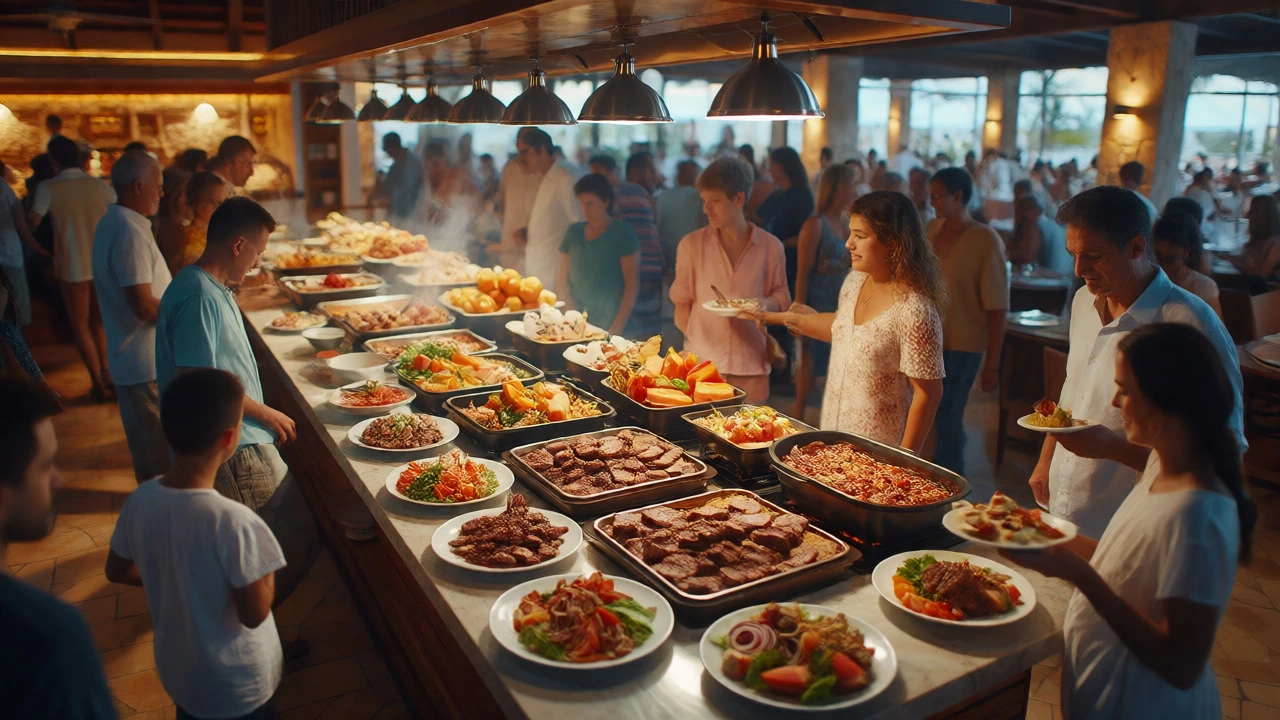
If you're a light eater who skips breakfast and grabs a sandwich for lunch, you lose. If you have a family of four who will eat three buffet meals a day and enjoy evening entertainment, you win big. The break-even point is usually around 2.5 meals and 3 drinks per day per adult. Below that, you're subsidizing the guests who spend all day at the swim-up bar.
Who Actually Benefits from All-Inclusive?
Not everyone thrives in this environment. But specific traveler profiles consistently get better value than those booking separate components.
- Families with young children: Kids eat constantly. They want ice cream, juice boxes, and snacks between meals. On a pay-as-you-go basis, these small purchases add up fast. An all-inclusive removes the guilt of buying a third bag of crisps because it's already paid for. Plus, kids' clubs and supervised activities are often included, giving parents a break without extra fees.
- Couples seeking relaxation: If your goal is to disconnect, not explore, all-inclusive shines. You don't need to research restaurants, haggle over taxi fares, or worry about running out of cash. You wake up, eat, swim, drink, sleep. The mental load of planning vanishes.
- Travelers in remote locations: Think Maldives, Mexico, or Caribbean islands where hotels are isolated. Leaving the resort requires a costly taxi ride. Eating locally might mean a 30-minute drive. Here, the convenience factor outweighs the slight premium on food quality.
Conversely, solo travelers who love street food, backpackers exploring cities, and foodies who want authentic local cuisine should skip it. You'll end up eating mediocre international buffet food while missing out on the culture right outside the gate.
The Quality Trap: What You Don't See
There's a reason some all-inclusives feel cheap. To keep prices low, operators cut corners. This doesn't always mean bad food-it means limited choices. You might find the same chicken dish every night. Premium brands like Bacardi or Grey Goose might be swapped for house spirits that taste like paint stripper unless mixed heavily with cola.
Watch out for these common pitfalls:
- Wristband Warnings: Some resorts charge extra for certain bars or restaurants even within the "all-inclusive" label. Read the fine print. Does "premium" mean imported beer or just a nicer glass?
- Reservation Fees: À la carte restaurants sound great until you realize you need to book them weeks in advance, or they charge £20 per head for access.
- Alcohol Limits: Many European all-inclusives stop serving alcohol after 11 PM or limit you to one drink per hour during peak times. Check the policy if you plan to party.
- Room Upgrades: The base room might be tiny and far from the pool. Upgrading to a sea-view room can erase any savings you made on the food package.
I once stayed at a resort in Crete where the "all-inclusive" package excluded bottled water. In 35-degree heat, buying a bottle of water for €3 each added up to nearly £50 over ten days. Always check what's actually excluded.
Location Matters More Than Brand
The value proposition shifts dramatically depending on where you go. In the UK or Western Europe, all-inclusive is less common and often more expensive relative to self-catering options. Why? Because labor and ingredient costs are high. A £100 meal in London is different from a £100 meal in Antalya.
However, in destinations like Turkey, a country known for affordable luxury hospitality and competitive all-inclusive packages, Egypt, Tunisia, and parts of the Caribbean, the economics change. Local wages and food production costs are lower. Resorts can offer lavish spreads at prices that would be impossible in Bath or Bristol. For British travelers, this arbitrage is why Turkey remains the king of all-inclusive holidays.
Consider the destination's safety and accessibility too. If you're visiting a place where walking to a local restaurant feels risky or inconvenient, the security of the resort bubble becomes part of the value. You're not just paying for food; you're paying for peace of mind.

How to Decide: A Quick Checklist
Before you click "book," run through this simple decision tree. If you answer "yes" to most questions, go all-inclusive. If you answer "no," consider a half-board or room-only option.
- Do you plan to stay on-site for more than 50% of your waking hours?
- Are you traveling with children under 12 who require constant snacking?
- Is the resort located far from town centers or public transport?
- Do you prefer predictable monthly spending over variable daily costs?
- Will you consume at least two alcoholic beverages per day?
- Does the resort include non-food perks like spa credits, tennis courts, or kids' clubs?
If you're still unsure, try the "half-board" middle ground. This includes breakfast and dinner but leaves lunch and drinks open. It gives you flexibility to explore local cafes during the day while securing your main meals at a fixed rate. Often, adding a drink package to half-board is cheaper than full all-inclusive.
Beyond the Buffet: Hidden Value Adds
Modern all-inclusives aren't just about unlimited fries. Many now bundle experiences that used to cost extra. Look for packages that include:
- Transfers: Private airport transfers can cost £100+ for a family. Including them saves significant hassle and money.
- Excursions: Some higher-end chains include one or two guided tours. Booking these separately can cost £50 per person.
- Wi-Fi: While increasingly standard, some older resorts still charge for reliable internet. Ensure it's included if you need to work remotely.
- Sports Equipment: Tennis rackets, kayaks, or paddleboards often come with rental fees. Verify if these are complimentary.
These extras tip the scale. A slightly pricier all-inclusive that includes transfers and excursions might actually be cheaper than a budget room-only deal plus add-ons.
Is all-inclusive really cheaper for couples?
It depends on your habits. If you both drink socially and eat three meals a day at the resort, yes, it usually beats paying à la carte. However, if you prefer exploring local restaurants for dinner and only have breakfast at the hotel, half-board or room-only is often better value. Couples who stay put tend to save 10-20% with all-inclusive.
What is the difference between all-inclusive and ultra-all-inclusive?
Standard all-inclusive typically covers buffet meals, domestic drinks, and basic entertainment. Ultra-all-inclusive (or premium) upgrades this to include à la carte restaurants, imported brand-name alcohol, minibar restocking, and sometimes spa treatments or beach club access. The price jump is significant, so calculate if you'll use the premium features before upgrading.
Do all-inclusive resorts serve good food?
Quality varies wildly by star rating and location. Four-star resorts in tourist hubs may offer repetitive, mass-produced dishes. Five-star properties often feature multiple themed restaurants with fresh ingredients. Reading recent reviews focusing specifically on "food quality" is crucial, as photos online can be misleading.
Can I leave an all-inclusive resort for dinner?
Yes, you can always leave. However, you won't get a refund for unused meals. Some resorts offer a "dine-out" credit where they give you a voucher for local restaurants if you choose to eat off-site, but this is rare. Most people stay in because leaving requires transport costs and effort.
Are children free on all-inclusive holidays?
Many airlines and tour operators offer discounted rates for children, and some allow infants to fly free. However, food and drink for kids are almost always included in the parent's package. Be aware that some resorts charge extra for child supervision services or age-restricted facilities like spas.