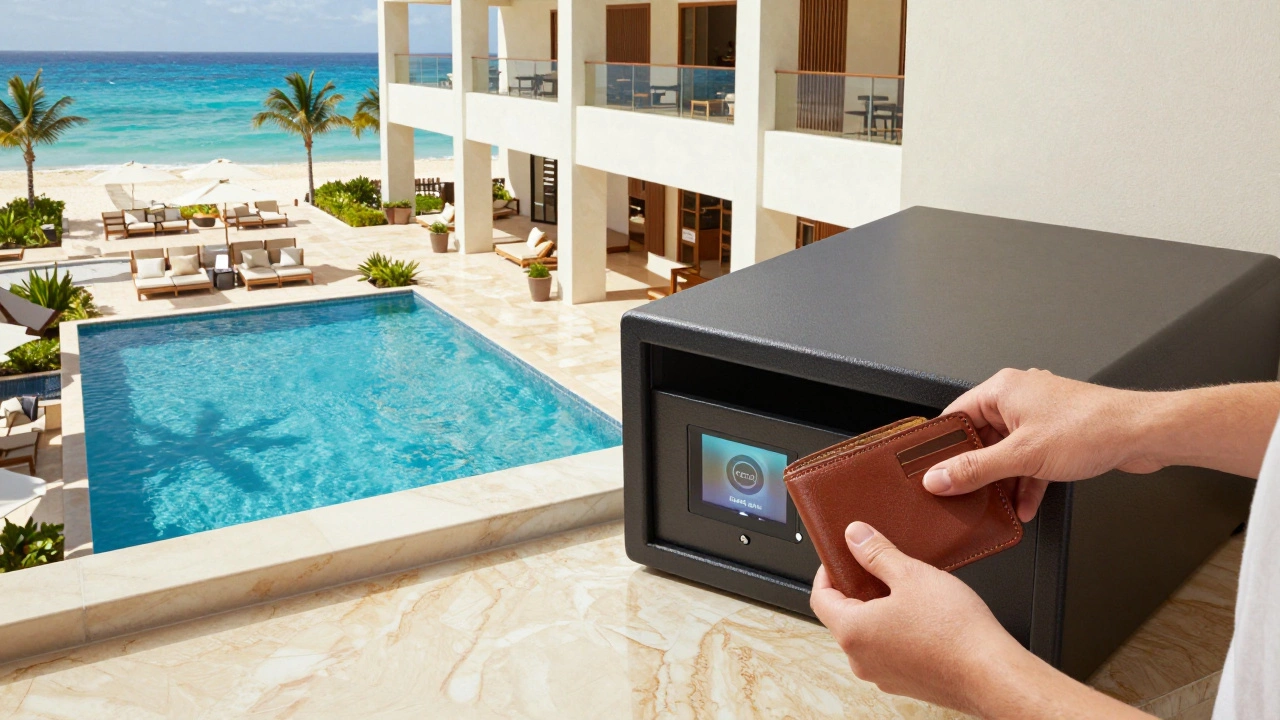
All-Inclusive Budget Estimator
1. Select Your Extras
Click the categories to add estimated costs to your trip.
2. Customize Quantities
No extras selected. Click the categories on the left to start budgeting!
*Estimates based on industry averages. Actual prices vary by resort.
Quick Summary of All-Inclusive Costs
- Included: Standard meals, buffet snacks, house wines/spirits, and most on-site non-motorized activities.
- Extra Costs: Premium alcohol, a la carte specialty dining, motorized water sports, and spa treatments.
- Hidden Fees: Resort fees, local tourism taxes, and gratuities.
The Core Promise of All-Inclusive Packages
At its heart, all-inclusive hotels is a hospitality model where the cost of the room, meals, drinks, and certain activities are bundled into a single upfront price. This is designed to remove the stress of budgeting for every cocktail or sandwich. For most guests, this means the buffet, the poolside bar, and the daily entertainment are fully covered.
When you pay for an all-inclusive stay, you are essentially buying a baseline of luxury. You get the room, the standard food, and the house drinks. But just like a basic cable package, there are 'premium channels' that cost extra. If you stick to the standard offerings, you likely won't spend a dime. However, the resorts make their extra profit through 'upselling'-tempting you with things that are just outside your package.
The Dining Dilemma: Buffets vs. A La Carte
Food is the biggest part of the experience. Almost every resort includes the main buffet. It's the safe bet-huge variety, always open, and always free. But most high-end resorts also have specialty restaurants. These might be a romantic French bistro or a high-end sushi spot. Here is where the rules get blurry.
Some resorts let you eat at these a la carte spots for free, but they require a reservation and might limit you to two visits per week. Others label them as "Premium Dining," meaning you'll pay a surcharge of $50 to $100 per person just to sit there. If you see a menu with prices in a resort that claims to be all-inclusive, you're looking at a surcharge. A good rule of thumb: if it requires a fancy dress code or a reservation, double-check if it's actually included in your rate.
| Feature | Usually Included | Usually Extra |
|---|---|---|
| Buffet Meals | Yes | N/A |
| House Wine/Beer | Yes | N/A |
| Premium Champagne | No | Yes |
| Specialty Steaks/Lobster | Sometimes | Often |
| Room Service | Limited | Full Menu |

The Drinks Trap: House vs. Premium
The bar is where most people accidentally spend money. Your package covers "house" spirits. These are the standard brands the resort buys in bulk. If you ask for a generic rum and coke, it's free. But the moment you ask for a Grey Goose or a specific brand of high-end Scotch, you're entering the "premium' territory.
Resorts often have a separate "Premium Menu" at the bar. These drinks might be $15 to $25 each. It's a clever psychological trick: you're already in a 'free' environment, so you're more likely to treat yourself to one expensive drink, not realizing that over a week, those 'treats' can add up to hundreds of dollars. If you're a cocktail enthusiast, check if the resort offers a 'Premium Beverage Package' you can upgrade to at check-in to avoid these individual charges.
Activities and Entertainment: What's Really Free?
Most resorts offer a list of activities. Non-motorized sports are almost always free. This means Kayaking, paddleboarding, and snorkeling gear are usually included. If it doesn't have an engine, it's probably free.
The moment a motor is involved, the price jumps. Jet skis, parasailing, and scuba diving excursions are almost never included in the base price. Why? Because these activities have high fuel and equipment costs, and often involve third-party vendors. If a resort employee tells you a "sunset cruise" is included, ask if that includes the open bar and food on the boat, or if you're just paying for the ride.
Then there's the Spa. Almost no all-inclusive resort includes massages or facials in the room rate. These are high-margin services. Some resorts might offer a "wellness package" as an add-on, but otherwise, expect to pay full price for any treatment involving a massage table.
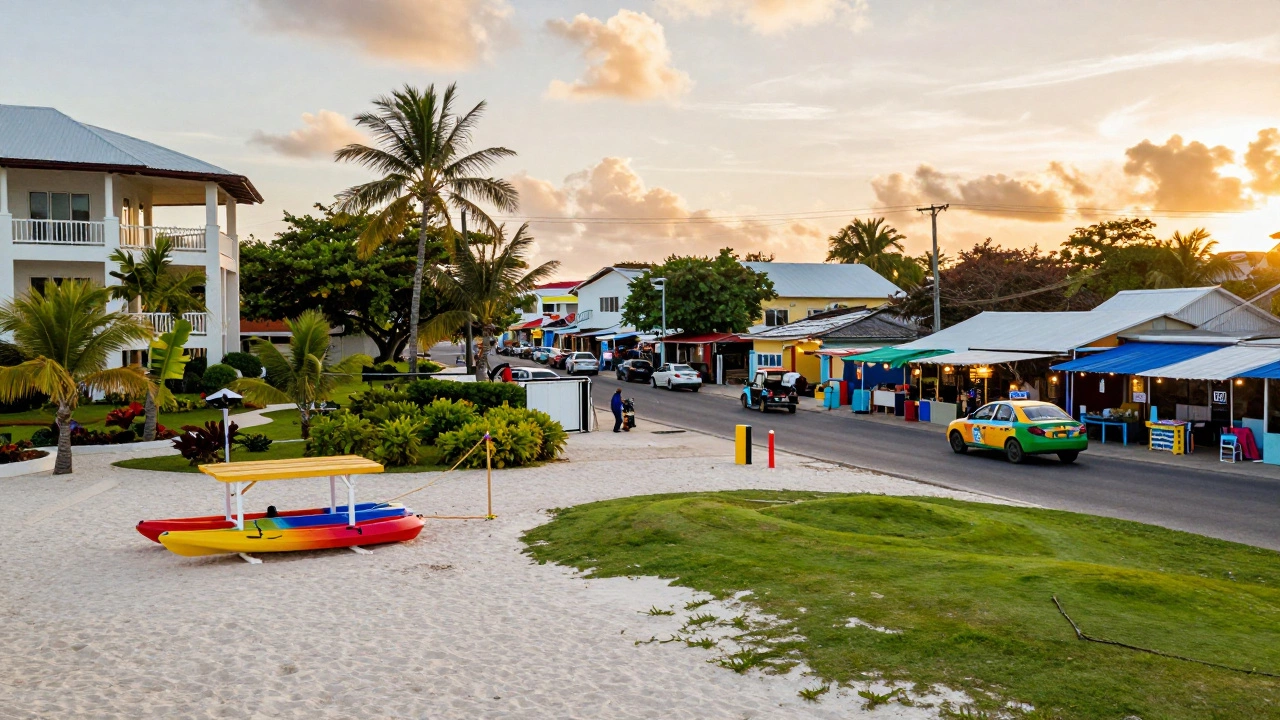
The "Hidden" Fees That Pop Up at Checkout
Even if you never touch a premium drink, your final bill might not be zero. There are three main culprits: resort fees, taxes, and tips.
Resort Fees: Some hotels charge a daily fee for things like Wi-Fi, gym access, and pool towels. While this feels like a scam in an all-inclusive setting, it's still common. Always check if the "Total Price" includes these fees before you book.
Tourism Taxes: Many countries, especially in the Caribbean and Mexico, have a mandatory environmental tax or tourism levy. These are often paid in cash or charged to your card at check-out and are not part of the hotel's pricing.
Gratuities: While some resorts claim tips are included, the staff often rely on them for their actual livelihood. In many cultures, a small tip for the bartender or the housekeeping staff is expected. If you truly want a "cashless" experience, look for resorts that explicitly state "all gratuities included," but even then, a few dollars for a great server goes a long way.
How to Avoid Bill Shock: A Pro's Strategy
To make sure your vacation stays truly all-inclusive, you need a strategy. First, read the fine print of your specific booking. There is a difference between "All-Inclusive" and "Ultra All-Inclusive." The latter usually covers the premium liquor and specialty dining that the standard version misses.
Second, when you arrive, ask for a printed list of what is included. Specifically, ask: "Which restaurants have a surcharge?" and "Which drinks are premium?" Knowing the boundaries allows you to enjoy the free stuff without the anxiety of wondering if you're racking up a bill.
Finally, keep a small amount of cash in your wallet for external excursions. Once you leave the resort gates, you're in the real world. Taxis, local markets, and off-site tours will require local currency. Trying to do everything inside the resort is safe, but stepping out is where the real adventure happens-just remember that the 'all-inclusive' bubble pops the moment you leave the property.
Do I need to bring cash to an all-inclusive resort?
Yes. While your main expenses are covered, you'll need cash for tipping staff, paying local tourism taxes, and buying souvenirs or food when you leave the hotel grounds for excursions.
Is room service always free in all-inclusive hotels?
Not always. Some resorts offer a limited room service menu for free, while others charge a delivery fee or a flat rate per order. Always check the in-room dining menu for "included" markers.
Are airport transfers included in the price?
It depends on the package. Some high-end resorts include shuttle service, but many others require you to book a transfer separately. Check your booking confirmation for "Airport Transfers Included."
Can I upgrade to a premium drinks package after I arrive?
Most resorts allow you to upgrade your package at the front desk upon check-in. This usually gives you access to top-shelf liquor and perhaps a few more specialty dining options.
What happens if I want to eat at a restaurant outside the resort?
You pay for it entirely out of pocket. Your all-inclusive wristband only works within the resort boundaries. Once you step off the property, you are responsible for all costs.