Glamping vs. Camping Cost Calculator
Trip Details
Estimated Total Trip Cost
Recommendation:
Enter your details and click calculate to see which option offers the best value for your trip.
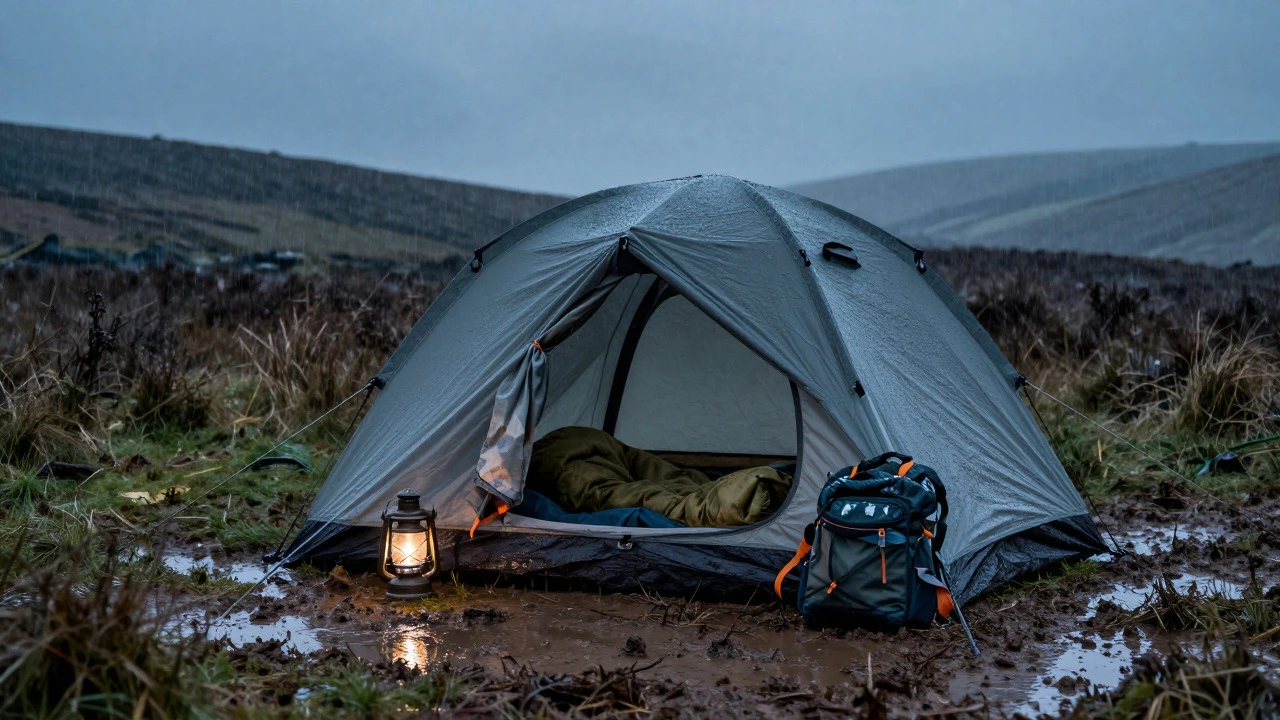
You pitch your tent in the rain. The ground is muddy, your sleeping bag smells like damp wool, and you are paying £25 for a site that offers nothing but a toilet block around the corner. Now imagine waking up in a wooden cabin with a proper bed, a wood-burning stove, and a view of the forest. You pay £150 for the night. Is it worth it? Or is glamping just a fancy word for overpaying to sleep outside?
The short answer is yes, glamping is more expensive than traditional camping. But the gap isn't as wide as you might think, especially when you factor in what you already own versus what you need to buy. If you are deciding between pitching a tent or booking an eco-cabin this summer, here is the real breakdown of where your money goes.
The Hidden Costs of Traditional Camping
We often look at the nightly rate and stop there. A standard campsite in the UK might charge £15 to £30 per person per night. For a couple, that is £40 to £60. It sounds cheap until you remember that you need gear to get there.
If you do not already own a tent, a quality one costs between £100 and £300. Add two sleeping bags (£50 each), two mats (£30 each), a portable stove (£40), fuel, cooking pots, and lanterns. Suddenly, your first trip has a high upfront cost. Even if you own the gear, maintenance eats into your budget. Zippers break. Poles bend. Waterproof coatings wear off after three seasons.
| Item | Traditional Camping (One-time) | Glamping (Included/None) |
|---|---|---|
| Tent/Shelter | £150 - £300 | £0 |
| Sleeping Gear | £100 - £200 | £0 |
| Cooking Equipment | £50 - £100 | £0 (if kitchen provided) |
| Transport Fuel | Variable | Variable |
Then there is the labor cost. Setting up a tent takes time. Breaking it down takes time. Cooking on a gas stove in the wind takes patience. If you value your free time, those hours spent wrestling with guy lines have a price tag too.
What You Pay For in Glamping
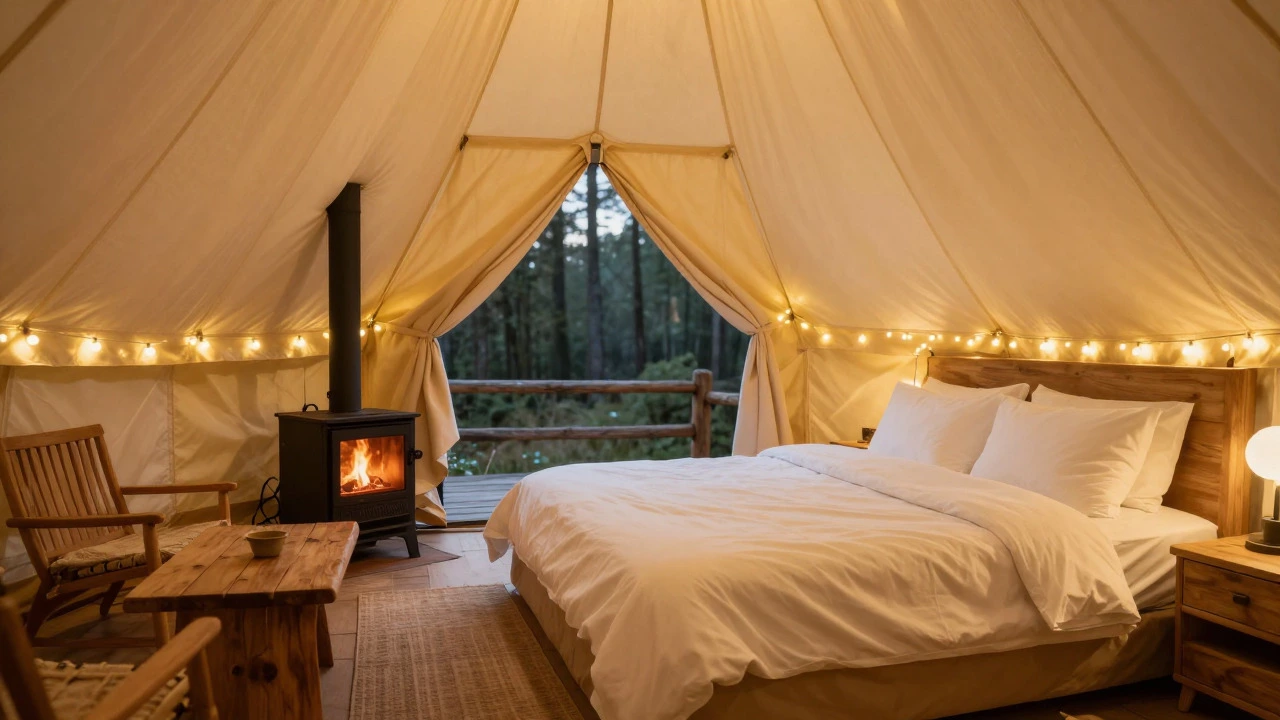
Glamping is a portmanteau of glamorous and camping, offering outdoor accommodation with amenities like beds, electricity, and sometimes private bathrooms. When you book a glamping site, you are paying for convenience and comfort. You are also paying for the infrastructure.
A typical eco-friendly glamping unit, such as a bell tent or a shepherd's hut, costs between £80 and £200 per night. This price usually includes:
- A proper double bed with linen (no need to wash sheets at home).
- Furniture: chairs, tables, and sometimes a sofa.
- Lighting and power sockets.
- Access to shared facilities: hot showers, flush toilets, and a communal kitchen.
High-end glamping can push past £300 a night. These units often feature en-suite bathrooms, wood-fired hot tubs, and private decks. At this level, you are closer to a boutique hotel experience than camping. The question is whether you need all that luxury to enjoy nature.
Eco-Friendly Cottages: The Middle Ground
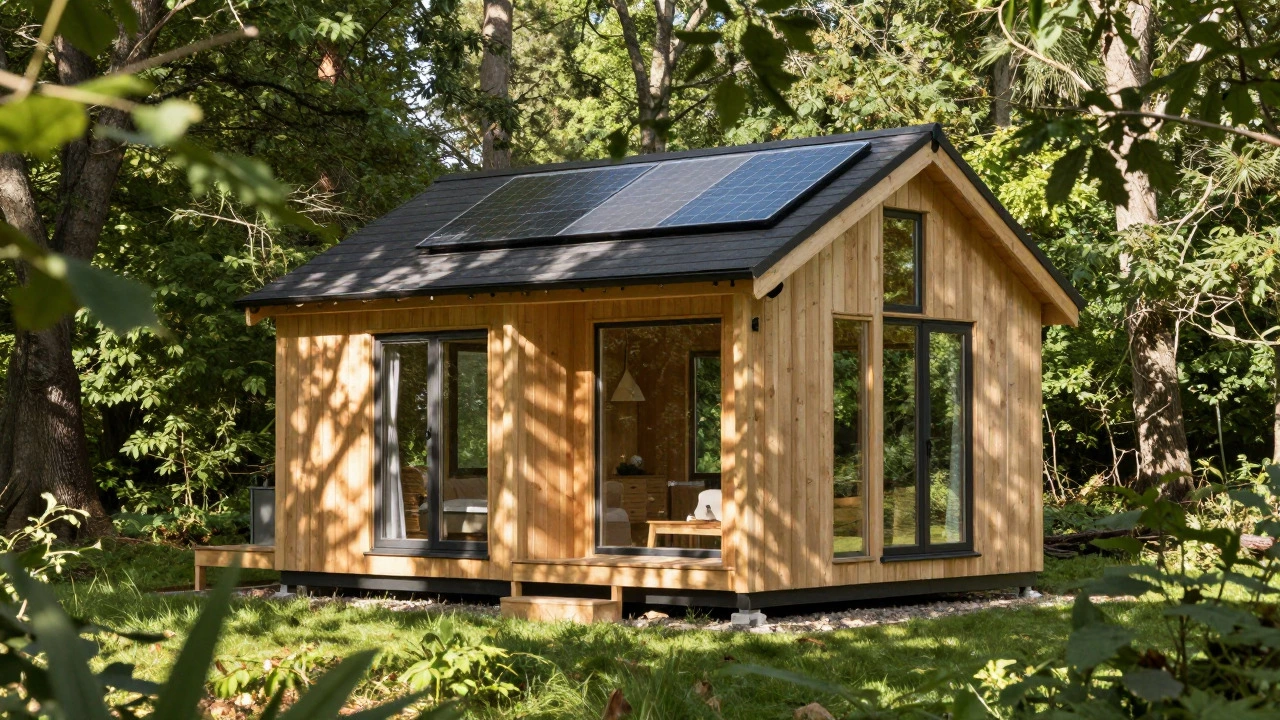
This is where things get interesting. Many travelers looking for glamping actually want something more permanent than a tent but more connected to nature than a hotel. Enter Eco-friendly cottages are small, sustainable accommodations built with natural materials, often featuring low energy consumption and minimal environmental impact.
An eco-cottage might cost £120 to £250 per night. It looks similar in price to mid-range glamping, but the value proposition is different. You get four walls, insulation, and privacy. In July, when temperatures hit 25°C, a canvas tent gets stuffy. An eco-cottage with good ventilation stays cool. In October, when rain lashes sideways, a cottage keeps you dry without condensation dripping on your head.
These cottages often use sustainable features like solar panels, composting toilets, and rainwater harvesting. You are paying for green technology and design. If sustainability is your main goal, an eco-cottage often has a lower carbon footprint per night than driving to a remote campsite and cooking with gas.
Food and Extras: Where the Budget Bleeds
Accommodation is only half the battle. Food costs change drastically depending on your setup.
In a tent, you cook everything yourself. You buy ingredients from a supermarket. A week of food for two people might cost £100. In a basic glamping site with no kitchen, you might rely on local cafes or delivered meals. That same week could cost £250. However, many modern glamping sites now include small kitchens or fridges. If you can cook, the food cost remains low.
Check the amenities list carefully. Does the glamping site provide a kettle? A fridge? A BBQ? If not, you will spend more on drinks and snacks bought on-site, which are always marked up. A pint of beer at a campsite shop costs £5. At a supermarket, it costs £1. Over a week, that adds up.
Who Should Choose Which?
Let’s be practical. If you are a solo traveler or a couple with existing gear, traditional camping is cheaper. You pay for the site, not the furniture. If you love the ritual of making a fire and eating beans from a tin, stick with the tent.
If you are traveling with young children, elderly parents, or friends who hate bugs, glamping is the smarter financial choice. You avoid buying gear they will never use again. You save on laundry. You reduce stress. The higher nightly rate buys you peace of mind.
If you want privacy, space, and a true connection to nature without sacrificing comfort, look at eco-friendly cottages. They are ideal for longer stays (3+ nights). The per-night cost feels high, but you get a full living space. You can work remotely, cook elaborate meals, and relax in a real chair.
How to Save Money on Glamping
You do not have to pay peak prices. Here are three ways to cut the cost:
- Book off-season: May and September offer mild weather in the UK. Prices drop by 20-30% compared to July and August.
- Choose basic units: Bell tents and yurts are cheaper than cabins or safari tents. Look for sites that share facilities rather than offering en-suites.
- Cook your own meals: Ensure your booking includes kitchen access. Bring a cooler box and shop locally before you arrive.
Also, consider the location. Sites near major cities like London or Bath command a premium. Drive two hours further out, and you find similar experiences for half the price. The scenery is often better, too.
The Verdict on Value
Is glamping more expensive? Yes. But is it bad value? Not necessarily. When you calculate the depreciation of your tent, the cost of replacing broken poles, and the time spent setting up, the gap narrows. For many people, the ability to sleep comfortably in nature is worth the extra £50 a night.
If you are new to outdoor travel, start with glamping. It removes the barriers to entry. Once you know you like being outside, you can decide if you want to invest in gear for traditional camping or upgrade to a luxury eco-cottage for future trips.
Is glamping cheaper than a hotel?
Yes, generally. A mid-range hotel room costs £100-£200 per night and rarely includes kitchen facilities. Basic glamping starts at £80-£120 and often allows self-catering, reducing food costs. Luxury glamping can match hotel prices, but you get more space and a unique experience.
What is included in a glamping price?
Most bookings include the shelter, bedding, towels, and basic furniture. Check if electricity, heating, and kitchen equipment are included. Some sites charge extra for wood burners or hot tubs. Always read the fine print regarding cleaning fees.
Are eco-friendly cottages pet friendly?
Many are. Because they are standalone structures with private gardens, owners are often willing to accept pets. Traditional campsites also allow pets, but hotels frequently charge large deposits or ban them entirely. Always confirm directly with the host.
Do I need to bring anything to glamping?
You should bring clothes, toiletries, and food. If the site does not provide a kitchen, bring a portable stove and utensils. Most sites provide bedding, but some ask you to bring your own duvet cover. Check the inventory list before packing.
Is glamping suitable for beginners?
Absolutely. Glamping is designed for people who want nature without the hassle. No pitching tents, no bug spray battles, and real beds make it perfect for first-timers. It is a low-risk way to test if you enjoy outdoor holidays.