Global Tour Guide Tipping Calculator
Trip Details
Select your destination and enter details to see recommended tipping amounts and local etiquette guidelines.
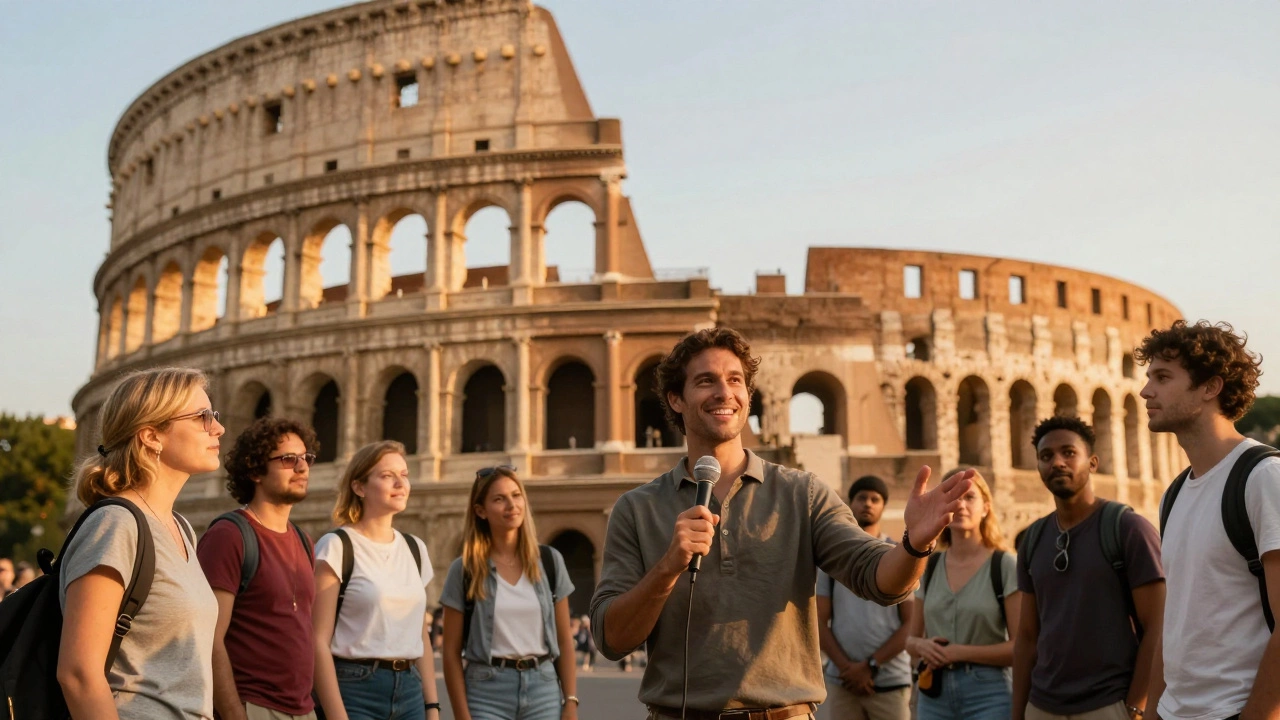
You’ve just finished an incredible day hiking through the Andes or exploring ancient ruins in Rome. Your tour guide is a professional who leads groups through cultural or natural sites, providing historical context and logistical support has been energetic, knowledgeable, and patient with your questions. As you head back to the bus, that familiar social anxiety kicks in: Do I tip? How much? What if I don’t? The fear of offending someone who just spent eight hours showing you around is real. But here’s the truth-tipping isn’t a universal law; it’s a local custom. Getting it wrong can be awkward, but getting it right shows respect for the host culture.
Before you pull out your wallet, let’s clear up the biggest myth: not tipping is rarely considered "rude" in the way we might think of rudeness in Western service industries. In many parts of the world, tipping is expected and built into the income structure. In others, it’s seen as a generous bonus for exceptional service. And in some places, it’s completely unnecessary. Understanding these nuances saves you money, avoids embarrassment, and ensures your guide feels appreciated in the way they actually value it.
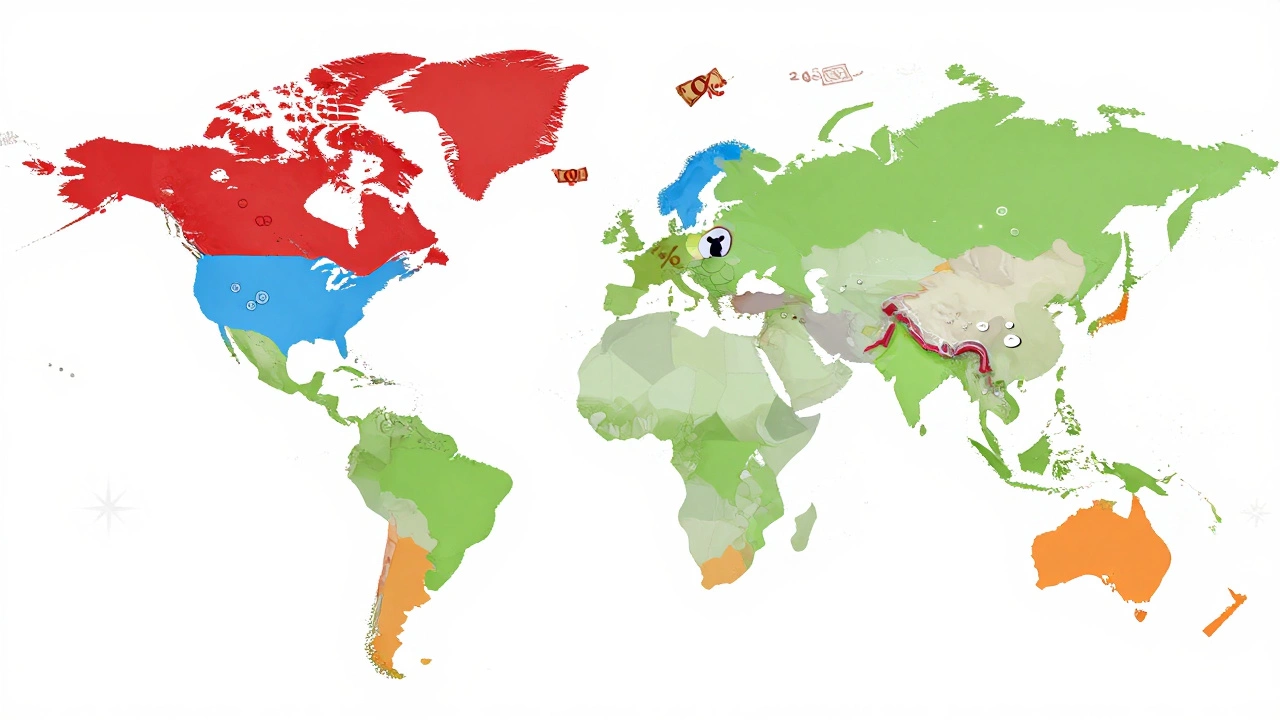
The Global Tipping Map: Where Is It Expected?
Touring habits vary wildly depending on where you are. Think of tipping like language-you wouldn’t speak French in Japan, so why assume American tipping rules apply everywhere? Let’s break down the major regions travelers frequent.
North America (USA & Canada): This is the land of mandatory tipping. Here, tour guides often rely on gratuities because their base pay is low. If you skip the tip, it’s not just a missed bonus; it’s seen as a rejection of their work ethic. Expect to tip 15-20% of the tour cost, or $20-$50 per person for a full-day excursion. For private guides, lean toward the higher end.
Western Europe (France, Italy, Spain, Germany): Service charges are usually included in the price tag. You’ll see "service compris" or similar terms on menus and tickets. Tipping is optional but appreciated for great service. Leaving small change or rounding up the bill is standard. For a guided tour, €5-€10 per person is a nice gesture if they went above and beyond. Don’t feel pressured to leave 20%-it’s not rude to leave nothing if the service was merely adequate.
Eastern Europe & Balkans: Similar to Western Europe but with lower wages. A tip of 5-10% or a fixed amount like €5-€10 goes a long way. Locals appreciate foreign tourists who tip, as it helps bridge the income gap. It’s less about obligation and more about solidarity.
Asia (Japan, China, Thailand): In Japan, tipping can actually be offensive. It’s called *ochinagai* and implies the employer doesn’t pay enough. Just say thank you politely. In Thailand and China, tipping isn’t traditional but has become common in tourist-heavy areas. Small amounts ($5-$10) are welcomed but never demanded. In India, tipping is expected for services, including guides, so budget $10-$20 for a half-day tour.
Latin America & Caribbean: Tipping is widespread. In Mexico, Brazil, and the Caribbean, guides expect tips. 10-15% is standard. If you’re on an all-inclusive resort tour, check if gratuity is already added. If not, cash is king. Local currency is preferred over USD, though both are accepted.
| Region | Is Tipping Expected? | Recommended Amount | Cultural Note |
|---|---|---|---|
| USA / Canada | Yes | 15-20% or $20-$50/day | Part of income; skipping is frowned upon |
| Western Europe | No (Optional) | €5-€10 per person | Service charge usually included |
| Japan | No | $0 | Can be seen as insulting |
| Thailand / China | Optional | $5-$10 | Growing norm in tourist zones |
| Mexico / Caribbean | Yes | 10-15% | Cash preferred; local currency best |
Private vs. Group Tours: Does Size Matter?
The type of tour you book changes the tipping dynamic significantly. When you’re part of a large group, the guide is managing logistics, safety, and entertainment for dozens of people. Their effort is distributed. In contrast, a private guide tailors every moment to your interests. They’re your historian, translator, photographer, and friend all at once.
For group tours, tipping is often collective. Some companies even have a hat passed around at the end. If no collection happens, contribute what you can afford. For private tours, the expectation is higher because the service is personalized. A private guide in Paris might spend three hours walking with just you and your partner, answering deep-dive questions about Impressionist art. That level of attention warrants a larger tip-think 15-20% of the total cost or at least $50-$100 for a full day.
Also consider the guide’s role. Are they just pointing out landmarks, or are they cooking meals, driving you, and arranging hotels? Multi-role guides deserve more. If your guide doubles as a driver, add $5-$10 per day specifically for driving duties.
How to Tip Gracefully: Avoiding Awkward Moments
You know how much to give, but how do you hand it over without making things weird? Cultural sensitivity matters here. In some countries, handing cash directly can seem transactional or disrespectful. Here’s how to navigate it:
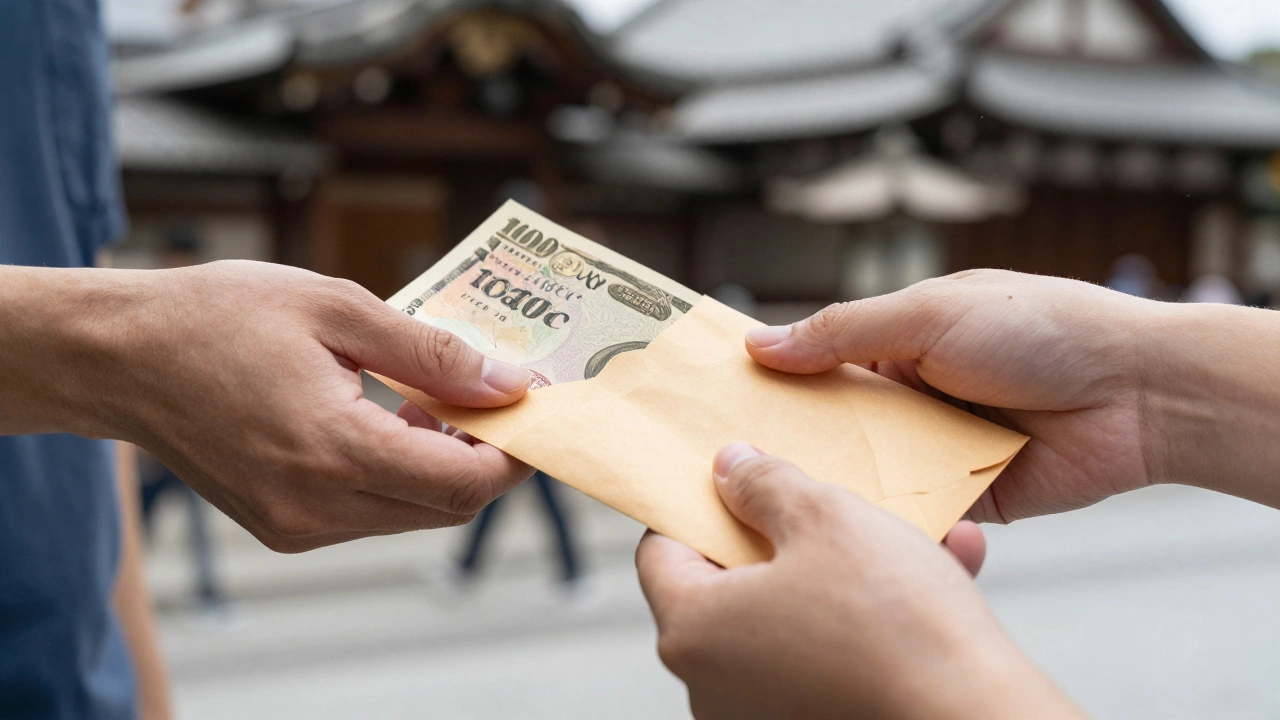
- Use an envelope: In Asia and parts of Europe, placing the tip in a small envelope or folded neatly shows discretion and respect. It signals that this is a gift, not a payment.
- Hand it with two hands: In Japan and Korea, offering anything with one hand can be seen as casual or rude. Two hands show humility and gratitude.
- Say thank you sincerely: Pair the tip with a genuine expression of appreciation. Mention something specific they did well-"Your story about the castle’s secret tunnel really made history come alive."
- Tip at the end: Never tip upfront. Wait until the tour concludes. If the guide exceeds expectations, you can adjust upward then.
- Local currency only: Always tip in the local currency. Giving US dollars in Prague or Euros in Tokyo forces the guide to exchange money, which is inconvenient and devalues your gesture.
If you’re unsure, ask discreetly before the trip ends. "What’s the usual practice for thanking guides here?" Most locals will appreciate your effort to get it right.
When Not to Tip: Red Flags & Exceptions
Tipping isn’t blind charity. If the service was poor, you aren’t obligated to tip. Did the guide arrive late? Were they dismissive of your questions? Did they cut corners on safety? In those cases, holding back the tip is appropriate. However, communicate your concerns first. Sometimes guides have bad days or misunderstandings. A polite conversation might resolve issues better than silent non-tipping.
Also, watch for scams. If a guide pressures you to visit a specific shop where they get a commission, that’s not ethical guiding. Don’t reward bad behavior with extra cash. Stick to the base rate or skip the tip entirely.
Another exception: All-inclusive packages. Many luxury tours include gratuities in the upfront cost. Check your itinerary. If it says "gratuities included," you can still leave a small extra amount for exceptional service, but you’re not required to double-tip.
Adventure Holidays & Unique Scenarios
Adventure travel adds complexity. You might be trekking in Nepal, kayaking in Alaska, or safariring in Kenya. These activities often involve multiple staff members: guides, porters, cooks, drivers. Tipping becomes a team effort.
In Nepal, trekkers typically tip porters and guides collectively at the end of the trek. A common rule is $5-$10 per day for the guide and $3-$5 for each porter. Pool the money from your group and present it together. This fosters teamwork and fairness.
In African safaris, tipping is customary but varies by lodge. High-end camps may include tips, while budget lodges expect them. Ask your ranger or camp manager for guidance. They’ll tell you exactly what’s expected. Generally, $10-$20 per person per day is safe for guides, plus smaller amounts for cooks and trackers.
For water-based adventures like diving or sailing, tips are smaller. $5-$10 for a half-day dive trip is sufficient. Sailors on charter yachts might expect 10-15% of the charter fee, split among the crew.
Alternatives to Cash Tips
Not everyone carries cash, and sometimes it’s not practical. Alternatives exist, though they’re less universal:
- Digital payments: Apps like PayPal, Venmo, or local equivalents (Alipay in China, GrabPay in Southeast Asia) are growing in popularity. Ask your guide if they accept digital tips.
- Gift cards: In remote areas, gift cards for local stores or restaurants can be useful. However, cash is still king for flexibility.
- Positive reviews: While not monetary, leaving a glowing review on TripAdvisor or the tour company’s website helps guides build their reputation. Combine this with a small tip for maximum impact.
- Referrals: Recommending your guide to friends or posting about them on social media provides long-term value. Word-of-mouth is powerful in the tourism industry.
Remember, the goal is appreciation, not perfection. Whether you tip $5 or $50, doing it thoughtfully and respectfully matters most.
Common Mistakes to Avoid
Even well-meaning travelers make blunders. Steer clear of these pitfalls:
- Tipping in coins: In many cultures, giving loose change is seen as insulting. Use bills whenever possible. If you must use coins, bundle them in an envelope.
- Over-tipping: While generosity is good, excessive tips can create dependency or confusion. Stick to guidelines unless the service was truly extraordinary.
- Ignoring local customs: Research before you go. A quick search on "tipping in [destination]" saves headaches later.
- Tipping children: Never tip kids who perform for tourists or sell crafts. It encourages child labor and disrupts families’ dynamics. Support ethical businesses instead.
Finally, trust your gut. If something feels off, pause and observe. Watch how other tourists behave. Ask hotel staff for advice. Travel is about learning, and mastering tipping etiquette is part of that journey.
Is it rude not to tip a tour guide in Europe?
No, it’s not rude. In most European countries, service charges are included in the price. Tipping is optional and reserved for exceptional service. Leaving €5-€10 is a nice gesture, but skipping it won’t offend anyone.
How much should I tip a private tour guide in the USA?
Tip 15-20% of the tour cost or $20-$50 per person for a half-day, and $50-$100+ for a full day. Private guides rely on tips as part of their income, so generosity is expected.
Should I tip my tour guide in Japan?
No. Tipping is not customary in Japan and can be seen as insulting. Simply express your gratitude verbally with a bow or sincere "thank you."
What if my tour guide was terrible? Should I still tip?
No. Tipping rewards good service. If the guide was unprofessional, late, or unsafe, withhold the tip. Consider providing feedback to the tour company to help improve standards.
Can I tip my tour guide digitally?
Yes, if they accept it. Ask beforehand. Apps like PayPal, Venmo, or local platforms are increasingly common. However, cash remains the most reliable and universally accepted method.
Do I need to tip porters on a trek in Nepal?
Yes. Porters carry heavy loads and deserve fair compensation. Tip $3-$5 per day per porter. Pool contributions from your group and present them collectively at the end of the trek.
Is tipping expected on all-inclusive holiday tours?
Check your itinerary. Many all-inclusive packages cover gratuities. If so, additional tipping is optional. If not, follow local norms for that destination.
What’s the best way to hand over a tip?
Use local currency, preferably in bills. In Asia, place it in an envelope. Offer it with two hands in Japan/Korea. Say thank you sincerely and mention something specific they did well.