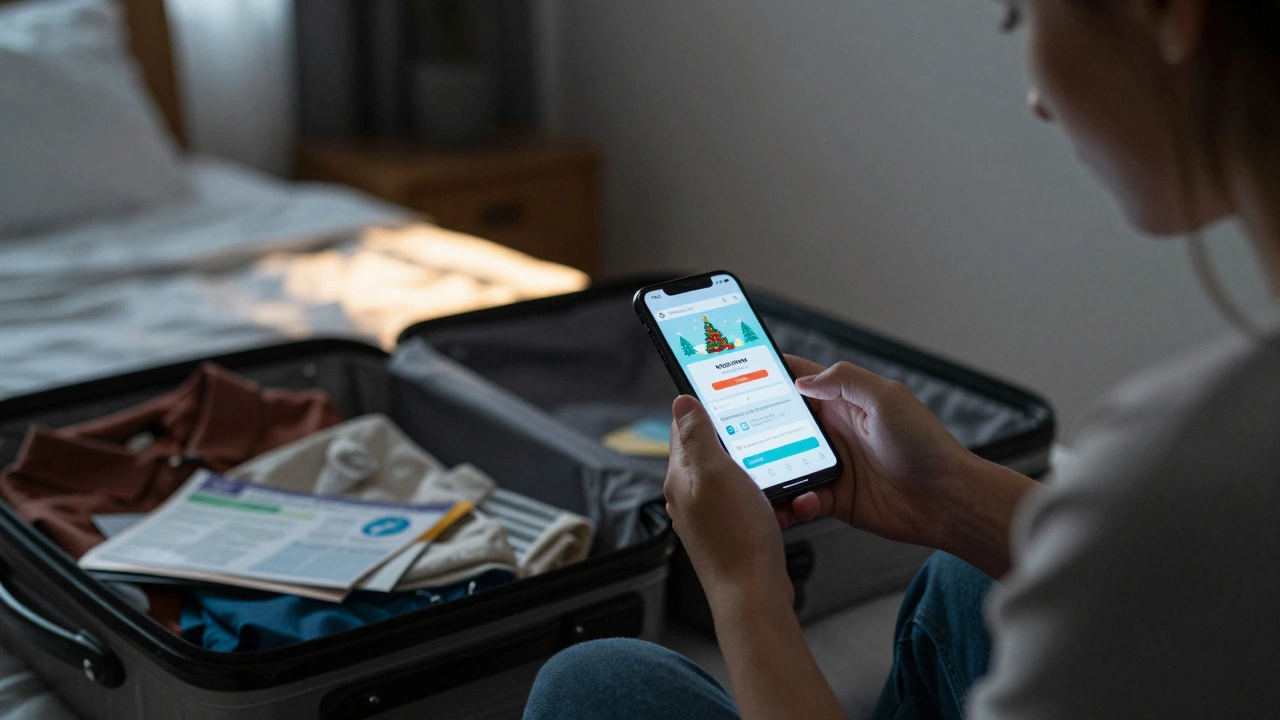
Travel Cancellation Etiquette Checker
How it works: Answer 3 questions about your situation to see if your cancellation is considered rude, what financial risks you face, and how to handle it gracefully.
Result Title
Detailed explanation goes here.
You’ve just booked the holiday of a lifetime. The sun is shining in your mind’s eye. Then, life happens. A flat tire, a sick pet, or that sudden dread that you’re not actually ready to leave. You stare at the confirmation email and wonder: if I cancel now, am I being a monster?
The short answer is no. Life is messy. But the long answer involves money, manners, and a lot of reading the fine print. Whether you are booking last minute holidays for a spontaneous escape or planning months ahead, understanding the social and financial contract of travel is crucial. Let’s break down what makes a cancellation rude, what makes it necessary, and how to handle it without burning bridges.
The Social Contract of Travel
We often think of travel as a transaction between you and an airline or hotel. But there is a human element. When you book a table, a room, or a seat on a plane, you are taking up space that could have gone to someone else. This is where the concept of "rudeness" comes in. It isn’t about morality; it’s about impact.
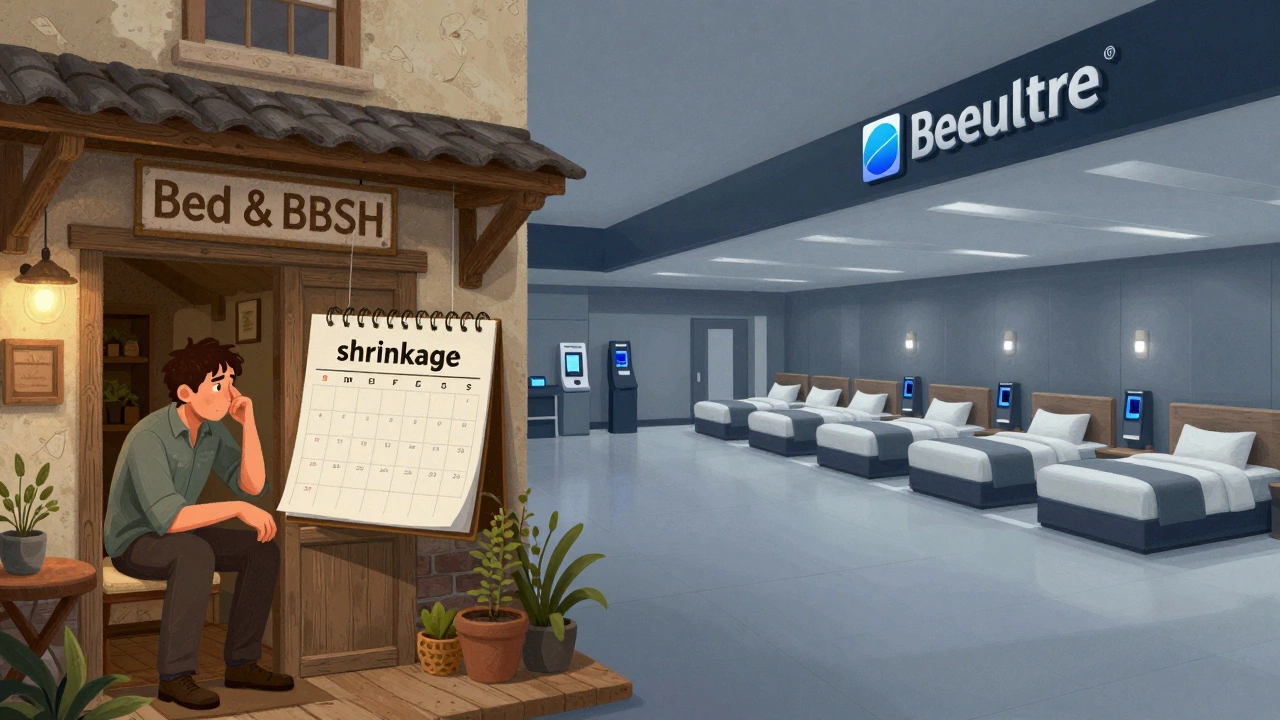
If you cancel a week before your trip, most businesses can rebook that slot. They lose a little time, but they recover. If you cancel two hours before check-in, that room might sit empty for days. In the hospitality industry, this is called "shrinkage." For a small family-run B&B in Bath, losing one night’s income can mean the difference between paying the electric bill and stressing over it. For a massive chain hotel, it’s a rounding error.
So, is it rude? It depends on who you hurt. Canceling a flight because you changed your mind is frustrating for the airline, but they price their tickets knowing people flake. Canceling a private guide or a small tour operator last-minute is much more damaging. Those individuals rely on that specific booking for their daily livelihood. Always consider the size of the business you are dealing with.
The Financial Reality: Why Cancellation Hurts
Rudeness aside, let’s talk about the wallet. Most travelers assume that if they pay upfront, they own the ticket. That’s not how it works. When you book non-refundable rates-which are common for cheap holidays and budget airlines-you are buying flexibility for the provider, not for yourself.
Here is the breakdown of where your money usually goes when you cancel:
- Airlines: If you bought a basic economy ticket, you likely get nothing back. Not even a credit. If you bought a flexible fare, you might get a credit minus a change fee. Always check the fare rules before you buy.
- Hotels: Many hotels offer free cancellation up to 48 or 72 hours before arrival. If you cancel within that window, you are safe. If you miss it, you pay the first night or the full stay.
- Tours and Activities: These are often the strictest. A guided hike or a museum entry has fixed costs. Cancellation fees here can be 100%.
To protect yourself, always look for the "cancellation policy" link before entering your card details. It is small, boring, and expensive to ignore. If you want peace of mind, consider travel insurance. It won’t cover every whim, but it will cover emergencies like illness or severe weather.
When Is It Okay to Cancel?
Let’s clear the air: some cancellations are never rude. They are necessary. Here are the scenarios where you have zero guilt:
- Health Emergencies: If you, a partner, or a close family member gets sick, you cancel. No explanation needed beyond "I’m unwell."
- Force Majeure: Natural disasters, war, or pandemics. If the destination becomes unsafe, you go home. Period.
- Provider Failure: Did the hotel fail to show up? Did the airline lose your bag and then your flight? If they break the contract first, you are free to walk away.
- Sudden Work Obligations: Yes, work sucks. But if your boss calls and says "you must be here," you aren’t being rude. You’re surviving capitalism.
In these cases, communicate quickly. Speed is kindness. The sooner you tell them, the more chance they have to mitigate the loss. A text message sent at midnight is better than a call made after you’ve missed the check-in time.
How to Cancel Without Being "That Person"
If you are canceling for a reason that isn’t an emergency-maybe you just realized you hate the idea of packing-here is how to do it with grace. Rudeness usually stems from poor communication, not the act of canceling itself.
1. Be Direct and Early
Don’t ghost. Don’t hope they forget. Send an email or make a call immediately. Subject lines like "Cancellation Request - [Booking ID]" help them process it faster.
2. Own It
You don’t need a sob story. "I’ve had a change of plans and need to cancel my reservation" is enough. Apologize for the inconvenience, but don’t over-explain. Over-explaining sounds like you’re trying to negotiate out of a fee you know you owe.
3. Ask About Credits
Sometimes, businesses prefer to keep you as a customer rather than lose the money entirely. Ask: "Is it possible to convert this into a credit for a future stay?" Many smaller hotels and tour operators will say yes to keep the relationship alive.
4. Tip or Compensate if Possible
If you canceled a private driver or a small-group tour, consider sending a small gift card or a positive review online. It’s a gesture that says, "I respect your time, even though I couldn’t use it."
The Rise of Flexible Booking
The travel industry is changing. Post-pandemic, travelers demand flexibility. We see this clearly in the growth of last minute holidays. People are booking closer to their departure dates, which inherently carries higher risk. To counter this, many providers now offer "flexible rates."
These rates cost more upfront-sometimes 10-20% more-but they allow free cancellation up to 24 hours before arrival. For anxious planners, this premium is worth it. It’s essentially insurance against your own indecision.
Also, look into membership programs. Airlines and hotel chains often waive fees for elite members. If you travel frequently, earning status might save you hundreds in cancellation fees over a year. It’s a trade-off: loyalty for flexibility.

What If They Refuse a Refund?
Sometimes, despite your best efforts, the provider says no. They stick to the policy. What then?
First, check your credit card. Many premium cards offer purchase protection or travel accident insurance that covers cancellations. Second, check your bank’s chargeback policy. While you shouldn’t abuse chargebacks, if the service was not rendered and the provider is unreasonable, your bank may step in. However, be warned: frequent chargebacks can get your account flagged.
Finally, accept the loss. Sometimes, you pay the lesson. Treat it as the cost of learning to read the fine print next time. Getting angry rarely helps. The staff member on the phone doesn’t set the policy. They just enforce it. Kindness opens doors; rage closes them.
| Scenario | Rudeness Level | Action to Take |
|---|---|---|
| Illness/Emergency | None | Cancel immediately, provide proof if asked. |
| Change of Mind (Small Business) | High | Apologize sincerely, ask for credit, tip if possible. |
| Change of Mind (Large Chain) | Low | Follow policy, request credit politely. |
| No Show | Very High | Never do this. Call even if late. |
Final Thoughts on Travel Flexibility
Travel is supposed to be relaxing, not stressful. But part of that relaxation comes from knowing you can back out if things go wrong. Don’t let fear of being "rude" stop you from protecting your mental health or your wallet. Just be honest, be quick, and be kind. The world needs more flexible travelers, not fewer.
Is it illegal to cancel a trip?
No, it is generally not illegal to cancel a trip. However, you are legally bound by the contract you signed when booking. This means you may owe cancellation fees or forfeit your deposit. Ignoring these debts can lead to collections, but you cannot be arrested for canceling a vacation.
How early should I cancel to avoid fees?
This varies by provider. Most hotels allow free cancellation 48-72 hours before check-in. Airlines often require changes to be made before the departure date, sometimes with a fee. Always check the specific terms of your booking confirmation. When in doubt, cancel as soon as you know you won't go.
Can I get a refund if I just change my mind?
Usually, no. Unless you purchased a flexible rate or travel insurance that covers "change of mind" (which is rare), you will likely lose your money. Some providers may offer store credit instead of a cash refund, so it’s worth asking politely.
What is the difference between non-refundable and flexible rates?
Non-refundable rates are cheaper upfront but offer no money back if you cancel. Flexible rates cost more but allow you to cancel or change dates without penalty, often up to 24 hours before the trip. Choose based on how certain you are about your plans.
Does travel insurance cover all cancellations?
No. Standard travel insurance covers unforeseen events like illness, injury, or natural disasters. It typically does not cover fear of traveling, work conflicts (unless specified), or simple change of heart. Read the policy exclusions carefully before buying.