Adventure Holiday Budget Calculator
Calculate estimated costs for your adventure holiday based on activity type, destination, duration, and group size.
Adventure holidays aren’t just vacations with a bit of hiking. They’re trips built around challenge, movement, and real-world experiences that push you past your comfort zone. If you’ve ever felt bored by resort lounging or tired of the same beach towel routine, adventure travel is your reset button. It’s not about luxury-it’s about doing something that leaves you tired, sweaty, and oddly proud.
What Exactly Counts as an Adventure Holiday?
An adventure holiday means you’re actively doing something, not just watching it. Think climbing a mountain in Nepal, kayaking through fjords in Norway, or trekking across the Atacama Desert. These aren’t guided tours where you sit in a bus and take photos. You’re the one navigating, paddling, or climbing. The goal isn’t to relax-it’s to engage.
Some people think adventure means extreme sports. That’s not always true. It can be as simple as biking 50 miles through the Scottish Highlands, camping alone in a national park, or walking the Camino de Santiago. What matters is the level of personal effort and the unfamiliar environment. If you’re sleeping in a tent because there’s no hotel nearby, you’re on an adventure holiday.
Popular Types of Adventure Holidays
There’s a huge range of options. Here are the most common ones people actually do:
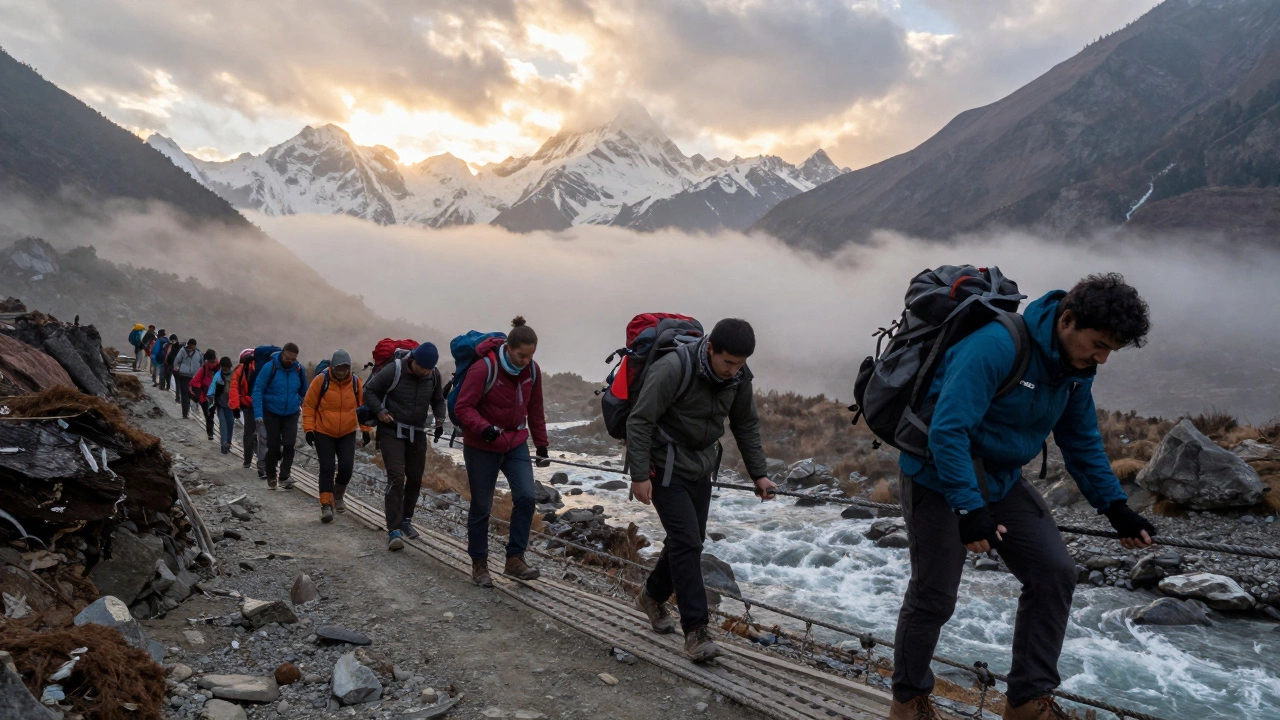
- Wilderness trekking - Multi-day hikes in remote areas like the Inca Trail, Torres del Paine, or the Dolomites. You carry your gear, sleep under the stars, and cross rivers on rope bridges.
- White-water rafting - Ranges from gentle Class II rapids in Wales to Class V chutes in the Grand Canyon. Most trips include safety training and gear.
- Mountain biking - Trails in Moab, Utah, or the Alps offer technical descents and single-track routes. Rentals are easy to find, and guided group rides are common.
- Scuba diving and snorkeling - Not just tropical reefs. Think diving with sharks in the Galápagos or exploring underwater caves in Mexico’s Yucatán.
- Cycling expeditions - Long-distance routes like the Danube Cycle Path or Vietnam’s Hai Van Pass. You cover 60-100 km a day, often with luggage transfers arranged.
- Winter adventures - Ski touring in the Swiss Alps, ice climbing in Colorado, or dog sledding in Lapland. These require specific gear but are surprisingly accessible with local outfitters.
Each of these can be done solo, with friends, or as part of a small group. Most operators offer different difficulty levels, so you don’t need to be an athlete to join.
Why People Choose Adventure Holidays
People don’t book these trips because they’re cheap. They do it because they feel alive afterward. A 2023 survey by the Adventure Travel Trade Association found that 87% of adventure travelers said these trips improved their mental well-being. Why? Because you’re forced to be present. No phones, no emails, no distractions-just your breath, your muscles, and the landscape.
It’s also about breaking routine. Most of us live in predictable environments: home, office, grocery store. Adventure holidays throw you into places where you can’t rely on apps or Wi-Fi. You learn to read a map. You figure out how to purify water. You talk to strangers who speak different languages. These small wins build confidence you can’t get from scrolling TikTok.
Where to Go for Adventure Holidays in 2025
Some destinations are legendary. Others are quietly rising. Here’s where real travelers are heading this year:
- Nepal - Still the top spot for trekking. The Annapurna Circuit and Everest Base Camp routes are busy but well-supported. New permits introduced in 2024 require guided groups for certain zones, making safety easier.
- Patagonia (Chile and Argentina) - Hiking in Torres del Paine is still the gold standard. Glacier trekking on Perito Moreno is a must-do. Flights are cheaper now thanks to new budget airlines from Europe.
- Georgia (the country) - Less crowded than the Alps, with epic trails in Svaneti and Kazbegi. Hostels cost under $20 a night. The Georgian hospitality is legendary.
- Costa Rica - Zip-lining through rainforests, surfing in Tamarindo, and volcano hikes at Arenal. Eco-lodges here are advanced, with solar power and composting toilets.
- Japan’s Hokkaido - Not just for skiing. Winter hiking in Daisetsuzan National Park with snowshoes and onsen hot springs after a long day. Few tourists, incredible food.
These places have mature infrastructure. You can book gear, guides, and transport without stress. No need to be a survival expert.
How to Plan an Adventure Holiday Without Overpaying
You don’t need to spend thousands. Here’s how to keep costs down:
- Travel off-season - Trekking in Nepal in April or October is ideal, but May and November are cheaper and quieter. Same for Patagonia-go in late March instead of January.
- Use local operators - Book through a small company in the country you’re visiting. They charge 40% less than UK or US-based agencies. Search for "local adventure guide [country name]" on Google.
- Bring your own gear - Renting a sleeping bag or climbing harness adds up. Buy quality basics like waterproof boots and a daypack before you go.
- Combine activities - Instead of booking separate tours, find one operator that offers a multi-day package. A 5-day bike and rafting combo in Costa Rica costs less than two single-day tours.
- Stay in hostels or guesthouses - Most adventure destinations have clean, safe budget stays. You’ll meet other travelers and get real tips.
One traveler from Bristol saved over £1,200 by booking a 10-day trek in Georgia through a local guide she found on Reddit. She paid $15 a night for lodging and $30 for meals. Her total trip cost under £800.
What You Need to Know Before You Go
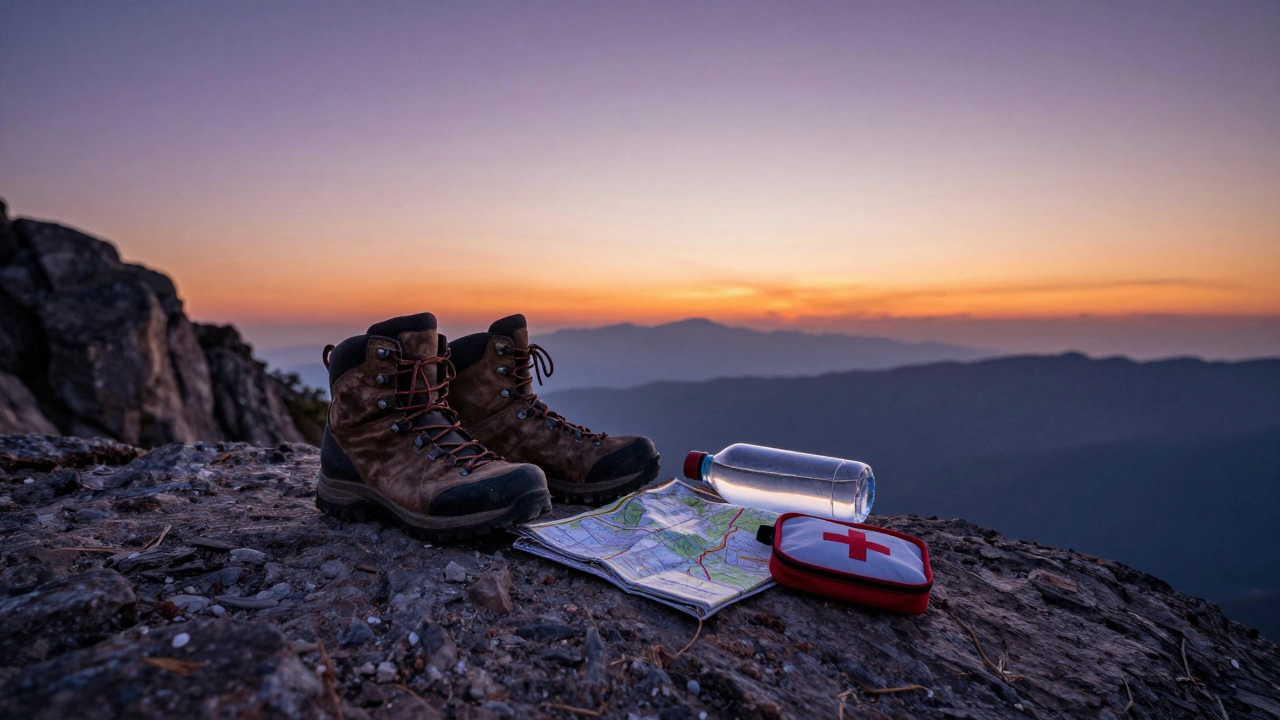
Adventure travel isn’t reckless. It’s prepared. Here’s what you must do:
- Check travel advisories - Some regions have political or weather risks. The UK Foreign Office website is updated daily and free to use.
- Get travel insurance - Standard policies won’t cover mountain rescue or scuba diving beyond 30 meters. Look for ones that include "adventure sports coverage." World Nomads and Allianz are reliable.
- Train ahead - If you’re planning a multi-day hike, walk 5-7 km with a 10kg backpack twice a week for six weeks before you go. Your knees will thank you.
- Learn basic phrases - Even "thank you" and "help" in the local language builds trust. A phrasebook app works fine.
- Leave no trace - Pack out all trash. Don’t disturb wildlife. Use biodegradable soap. These aren’t just rules-they’re how you keep these places alive.
Who Are Adventure Holidays Really For?
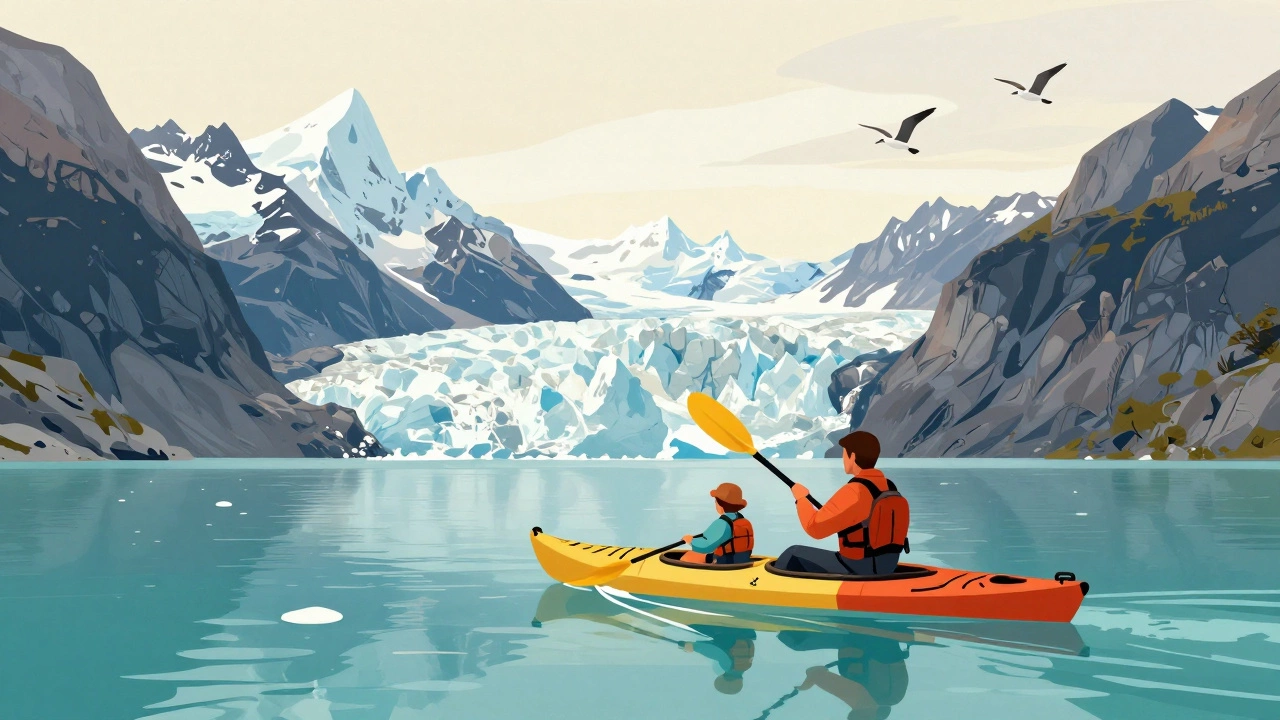
You don’t have to be 25 and fit. I’ve met a 68-year-old retired teacher hiking in the Pyrenees. I’ve talked to a single mom who took her 12-year-old on a family kayak trip in Lake District. Adventure travel isn’t about age or fitness level-it’s about willingness.
If you’ve ever thought, "I wish I could do something different," then you’re already ready. Start small. Do a day hike near home. Sleep outside once. Try a local climbing wall. Build up. The first adventure doesn’t need to be epic. It just needs to be yours.
Are adventure holidays safe?
Yes, when planned properly. Most adventure operators follow strict safety standards. Guides are trained in first aid and emergency response. The biggest risk isn’t the activity-it’s not preparing. Always check insurance coverage, train ahead, and listen to local advice. Fatalities are rare and usually linked to ignoring warnings or going solo without experience.
Do I need special gear for adventure holidays?
You need basics: waterproof jacket, sturdy boots, a daypack, and layers. For specific activities like rock climbing or scuba diving, gear is usually provided by the tour operator. Buying everything new isn’t necessary. Rent or borrow what you can. A good pair of hiking boots is the only item worth investing in.
Can families do adventure holidays?
Absolutely. Many operators offer family-friendly options: gentle rafting, wildlife safaris, or multi-day bike trails with child carriers. Choose destinations with easy access to amenities. Costa Rica, New Zealand, and the Lake District are popular for families. Kids as young as 6 can join many activities with proper supervision.
How much do adventure holidays cost?
Costs vary wildly. A weekend hiking trip in the UK might cost £150-£300. A two-week trek in Nepal with flights and gear can be £1,200-£2,000. A luxury guided expedition in Antarctica might hit £10,000. But budget options exist. You can do a 7-day trek in Georgia for under £500 including flights if you travel smart.
What’s the best way to start if I’ve never done an adventure holiday?
Try a local guided day trip. Look for hiking, kayaking, or mountain biking tours near you. Companies in the UK like Trailfinders, Outdoor Adventures UK, and local outdoor centers offer beginner-friendly options. Don’t aim for the Himalayas on your first try. Start with something that feels exciting but manageable. The goal is to build confidence, not to break records.
Next Steps: How to Take Your First Step
Don’t wait for the "perfect" time. There’s no ideal season, no magical moment when you’ll suddenly feel ready. You’ll never feel 100% prepared. That’s the point.
Right now, open your phone. Search for "adventure tours near me" or "day hikes in [your region]." Pick one that looks interesting. Book it. Set a date. Tell someone you’re doing it. That’s your first adventure.
Adventure holidays aren’t about reaching the summit. They’re about showing up-on the trail, in the rain, with tired legs-and choosing to keep going. That’s where the real reward lives.