Self-Catering Accommodation Finder
Find Your Perfect Stay
Answer a few questions to get personalized recommendations for the best self-catering accommodation type for your trip.
When you’re planning a trip and want control over your meals, your schedule, and your space, self-catering accommodation is the go-to choice. But not all self-catering stays are the same. There are three main types you’ll come across - each with its own vibe, pros, and perfect use case. Knowing the difference helps you pick the right one for your trip, whether you’re traveling with kids, a partner, or a group of friends.
Self-Catering Cottages
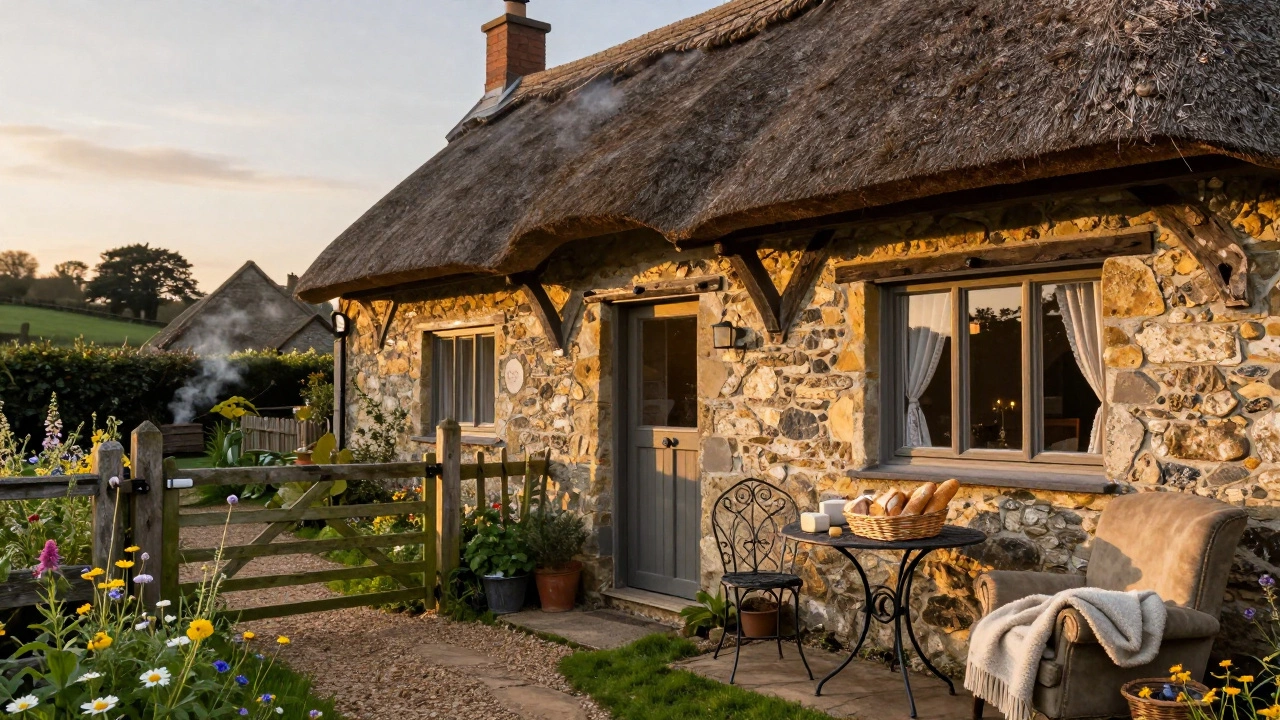
These are the classic choice. Think stone walls, wooden beams, a wood-burning stove, and a kitchen that’s fully stocked with pots, pans, and utensils. Self-catering cottages are usually standalone buildings, often in rural areas, near the coast, or tucked into the countryside. They’re designed for comfort and privacy. You get your own front door, garden, and usually a driveway. Many have washing machines, dishwashers, and even hot tubs.
They’re ideal for families or groups who want space to spread out. You can cook breakfast at 10 a.m. without rushing, snack on sandwiches between hikes, or have a lazy dinner with wine and candles. In the Lake District, the Cotswolds, or along the Pembrokeshire coast, these cottages are everywhere. They often come with thick curtains, cozy blankets, and local guidebooks. Some even include firewood or a welcome basket of local cheese and bread.
What sets them apart? They’re usually owned by small operators or local families, not big chains. That means you get character - not cookie-cutter design. You won’t find a minibar or room service, but you’ll find a real sense of place.
Self-Catering Apartments
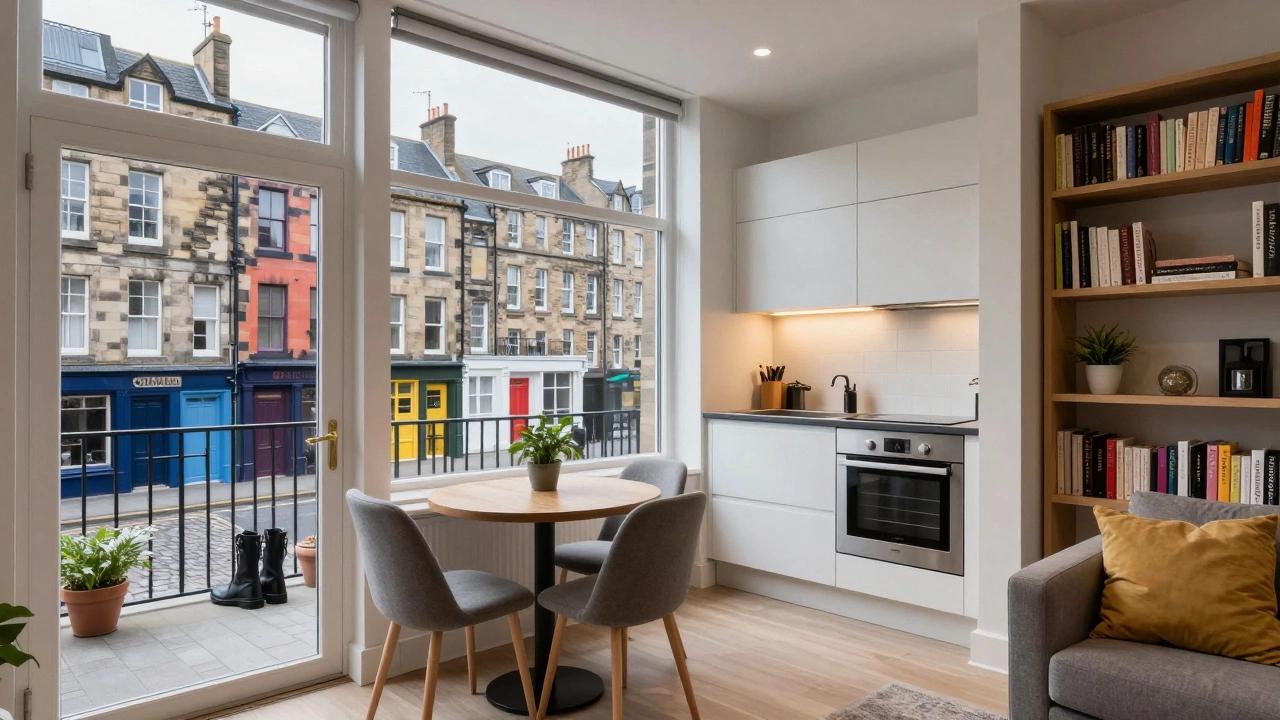
If you’re heading to a city or a town with a busy center, self-catering apartments are your best bet. These are units inside larger buildings - think converted townhouses, modern developments, or even historic flats above shops. You’ll have a kitchen, a living area, one or more bedrooms, and often a balcony or small terrace.
Unlike cottages, apartments are usually in walkable areas. You can step out and grab coffee, visit a market, or take a short walk to a museum. In cities like Bath, Edinburgh, or York, these are the top pick for travelers who want to experience local life without being stuck in a hotel corridor.
They’re great for couples, solo travelers, or small families who don’t need a full house. Some have elevators, secure entry, and even gym access. The kitchen might be smaller than in a cottage, but it’s fully functional. You’ll find a fridge, stove, microwave, and basic cookware. Many include laundry facilities, either in-unit or on-site.
They’re also easier to book last-minute. Since they’re often managed by platforms like Airbnb or Booking.com, you can see real-time availability and read recent guest reviews. Just watch out for noise - walls can be thin, and street noise can be loud if you’re on the ground floor.
Self-Catering Lodges and Cabins
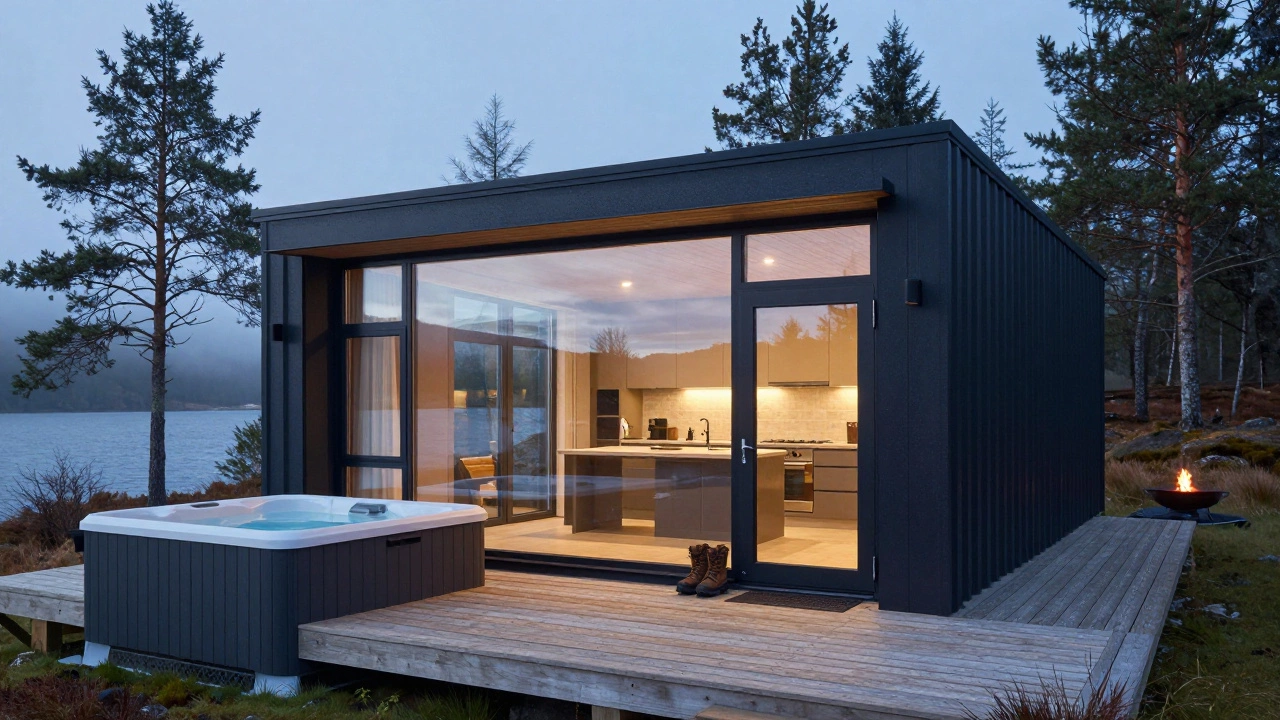
Lodges and cabins sit between cottages and apartments - but lean more toward nature. These are usually purpose-built, modern structures in national parks, forest reserves, or lakeside spots. Think large windows, open-plan layouts, and sleek kitchens with stainless steel appliances. Many have underfloor heating, smart thermostats, and even smart TVs.
They’re popular with people who want comfort without sacrificing scenery. You’ll find them in the Scottish Highlands, the Peak District, or along the Northumberland coast. Unlike traditional cottages, lodges often come with private hot tubs, outdoor decking, and fire pits. Some even have saunas or indoor pools.
They’re perfect for romantic getaways or quiet solo retreats. If you’re looking to unplug - but still want modern comforts - this is your type. You won’t find creaky floorboards or drafty windows here. Everything’s designed for ease: easy-to-clean surfaces, quick-to-use appliances, and clear instructions for everything from the heating to the Wi-Fi.
They’re usually part of a small resort or cluster of similar units. That means shared facilities like playgrounds, bike rentals, or communal lounges. But you still get your own private entrance and outdoor space. It’s the best of both worlds: seclusion without isolation.
How to Choose the Right One
It comes down to what you need. If you want charm, space, and a real countryside feel, go for a cottage. If you’re after convenience, city access, and easy dining options, pick an apartment. If you’re after modern comfort with nature right outside your door, choose a lodge or cabin.
Here’s a quick rule of thumb:
- Family with kids? Cottage - more space, garden to run around in, and often a high chair or baby gate already there.
- Couple on a weekend break? Apartment - easy to reach, romantic city views, and no driving needed.
- Want to recharge and disconnect? Lodge - quiet, modern, and surrounded by trees or water.
Also check the kitchen setup. Some places advertise as self-catering but only have a microwave and a mini-fridge. Look for listings that mention a full oven, hob, dishwasher, and enough plates for your group. If you’re planning to cook meals, don’t assume it’s all there.
What to Look for in a Listing
Not all self-catering rentals are created equal. Here’s what to check before booking:
- Check the kitchen equipment list. Some listings say "fully equipped" but leave out basics like a can opener or saucepans. Look for photos of the kitchen - if you can’t see the stove, walk away.
- Read recent reviews. Guests often mention if the Wi-Fi is slow, the heating doesn’t work, or the cleaning was rushed. Look for patterns, not one-off complaints.
- Look at the check-in process. Is it keyless? Do you get a code? Or do you need to meet someone? If you’re arriving late, make sure you know how to get in.
- Check the cancellation policy. Self-catering bookings often have stricter rules than hotels. Some are non-refundable. Know what you’re signing up for.
Also, don’t forget about parking. In cities, parking can cost £15-£30 a day. In rural areas, you might need a car to get anywhere. Make sure the listing mentions free parking - and if it’s on-site or street.
Why Self-Catering Beats Hotels
It’s not just about saving money - though you often do. It’s about freedom. No waking up to a breakfast buffet that’s already half gone. No being told when to leave your room. No paying £8 for a bottle of water. You eat when you want, sleep when you want, and leave your dirty towels on the floor if you feel like it.
It’s also more sustainable. You can buy local produce from a farmers’ market, use your own shampoo, and avoid single-use hotel toiletries. Many self-catering properties are now adding eco-friendly touches - solar panels, compost bins, or refillable soap dispensers.
And for longer stays? Self-catering becomes essential. A week in a hotel costs more than a month in a cottage. You can stretch your budget further, especially if you’re traveling with others and splitting the cost.
Final Thoughts
The three types - cottages, apartments, and lodges - cover almost every travel need. Each gives you independence, comfort, and the chance to live like a local. You’re not just renting a room. You’re renting a home, even if it’s only for a few days.
Start by asking yourself: Do I want to be in the middle of town, tucked in the hills, or surrounded by nature? Then match that to the type. And always, always check the kitchen.
Are self-catering cottages more expensive than hotels?
It depends. For short stays, hotels might be cheaper - especially if you’re traveling alone. But for families or longer stays, self-catering cottages usually win. You save on meals, and you get more space. A three-bedroom cottage in the Lake District might cost £800 for a week, while three hotel rooms for the same time could cost £1,500. Plus, you cook your own food.
Can I bring my pet to a self-catering accommodation?
Many do - but not all. Always check the listing’s pet policy before booking. Some places allow pets for a small fee (£10-£25 per stay), while others have strict no-pet rules. Pet-friendly cottages often include a dog bed, food bowls, or a fenced garden. Look for listings that mention "dog-friendly" or "pet-approved" in the title or description.
Do self-catering apartments have cleaning services?
Usually not. Most self-catering rentals are cleaned between guests, but not during your stay. You’re expected to tidy up before leaving - empty the dishwasher, take out the trash, and leave the place as you found it. Some places offer mid-stay cleaning for an extra fee, but it’s rare. If you’re staying longer than a week, plan to do your own laundry and cleaning.
Is Wi-Fi always included in self-catering rentals?
Almost always - but speed varies. Urban apartments usually have fast, reliable Wi-Fi. Rural cottages and lodges might have spotty signals, especially in valleys or deep in the woods. Always check reviews for mentions of internet quality. If you need it for work or streaming, look for listings that specify "high-speed Wi-Fi" or mention broadband.
What’s the difference between a self-catering lodge and a cabin?
There’s little difference in practice - the terms are often used interchangeably. But generally, a lodge is more modern, larger, and part of a small resort. A cabin tends to be smaller, more rustic, and sometimes made of logs. In the UK, most are built with modern materials and design, so the distinction is mostly marketing. Focus on the features, not the name.
If you’re planning your next trip, think beyond the hotel. The right self-catering home can turn a vacation into a real experience - one where you eat, sleep, and live like you’re part of the place, not just passing through.