Holiday Cottage vs. Hotel Suitability Checker
Your Travel Profile
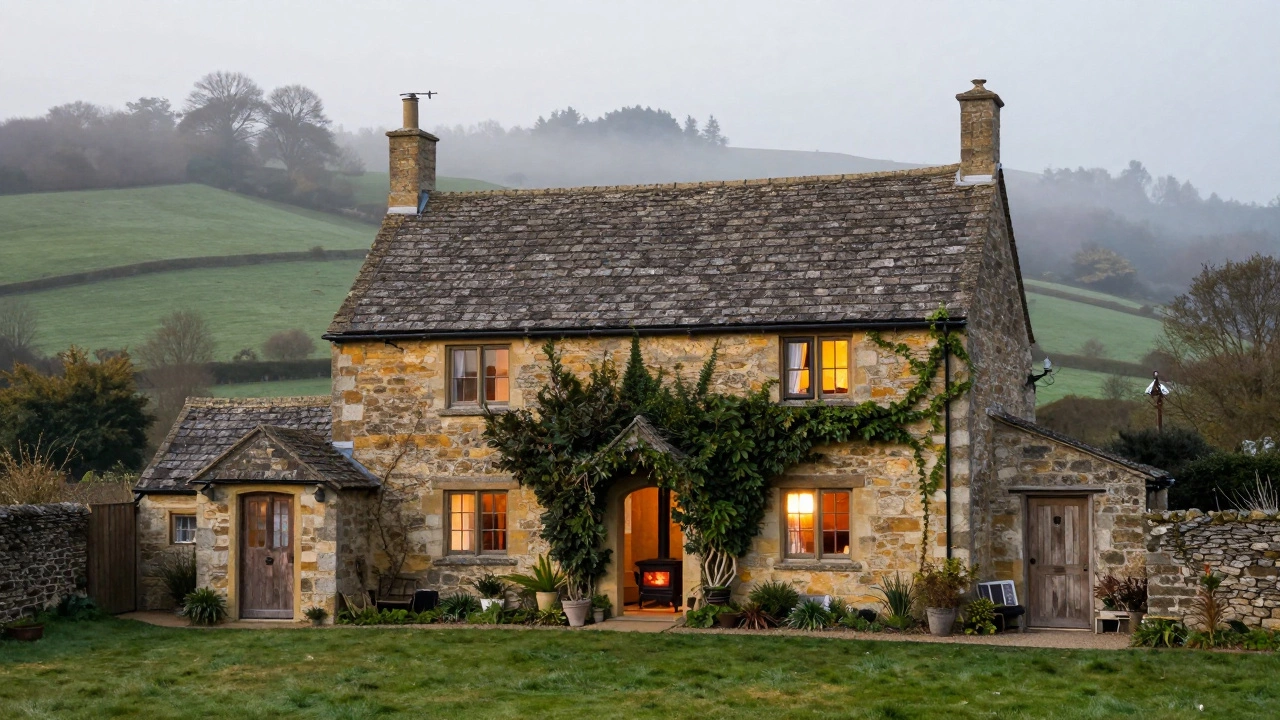
You’ve seen the photos. A stone-built house with ivy climbing the walls, a wood-burning stove crackling in the corner, and a view of rolling green hills or crashing waves right from your doorstep. It looks peaceful. It looks private. But when you start looking for one, you might wonder: exactly what is a holiday cottage? Is it just a fancy word for a vacation home? How does it differ from a hotel room or an Airbnb apartment?
The short answer is that a holiday cottage is a self-contained property rented out for short stays, designed to give you the space and independence of a home without the responsibilities of ownership. It’s not just about where you sleep; it’s about how you live while you’re away. Whether you’re planning a family reunion in the Lake District or a quiet writers’ retreat in Cornwall, understanding what this type of accommodation offers can help you book smarter.
The Core Definition: More Than Just a Bed
At its heart, a holiday cottage is a fully furnished residential property available for short-term rental, typically equipped with all necessary amenities for independent living. Unlike a hotel, which provides standardized rooms with shared facilities, a holiday cottage is a standalone unit. You have your own kitchen, your own entrance, and often your own garden or patio.
This definition covers a wide range of properties. In the UK, the term "cottage" brings to mind traditional stone or timber structures, often rural. However, the modern interpretation includes converted barns, shepherd’s huts, treehouses, and even contemporary cabins. The key factor isn’t the architecture-it’s the level of self-sufficiency. If you can cook your meals, wash your clothes, and come and go as you please without checking in with reception, you’re staying in a holiday cottage.
This model appeals to travelers who value autonomy. You aren’t bound by hotel dining hours or restricted by noise policies that apply to thin-walled corridors. You control the environment. For families with young children, this means flexibility for nap times and meal schedules. For couples, it means privacy and intimacy that a standard hotel room simply cannot match.
Holiday Cottage vs. Hotel: The Real Differences
Choosing between a holiday cottage and a hotel often comes down to what you prioritize during your break. Hotels offer convenience, service, and consistency. Holiday cottages offer space, privacy, and character. Let’s break down the practical differences to help you decide.
| Feature | Holiday Cottage | Traditional Hotel |
|---|---|---|
| Space | Multiple rooms, living area, kitchen, outdoor space | Single room (usually), limited common areas |
| Kitchen Facilities | Fully equipped (stove, fridge, utensils) | Kettle/toaster only, or none |
| Privacy | High (standalone building) | Low to medium (shared walls/hallways) |
| Service | Minimal (self-check-in, no daily cleaning) | High (reception, housekeeping, concierge) |
| Cost Structure | Fixed weekly/nightly rate, pay for groceries | Per night, often includes breakfast/taxes |
| Social Interaction | Optional (you choose to engage) | Inevitable (lobbies, elevators, restaurants) |
Hotels are ideal if you want someone else to handle the details-cleaning, breakfast, luggage assistance. They’re great for solo business travelers or those visiting a city for a few days. Holiday cottages shine when you’re traveling with a group, need multiple bedrooms, or plan to stay longer than a weekend. The cost advantage becomes clear over time. Eating out every meal adds up quickly. Cooking at home in a holiday cottage can save hundreds of pounds on a week-long trip.
However, there’s a trade-off. With a holiday cottage, you’re responsible for basic chores. You’ll take out the trash, load the dishwasher, and perhaps make the beds before you leave. This isn’t a downside for everyone-in fact, many find these small routines grounding and relaxing. It feels like being at home, just in a different place.
Types of Holiday Cottages: Beyond the Stone Walls
When people hear "cottage," they often picture a quaint, rustic dwelling with a thatched roof. While those exist, the market has diversified significantly. Today, holiday accommodations come in many forms, each catering to different tastes and budgets.
- Traditional Cottages: These are the classics. Often built from local stone or brick, they feature original fireplaces, wooden beams, and period charm. They’re popular in rural areas like the Cotswolds, Yorkshire Dales, and Scottish Highlands.
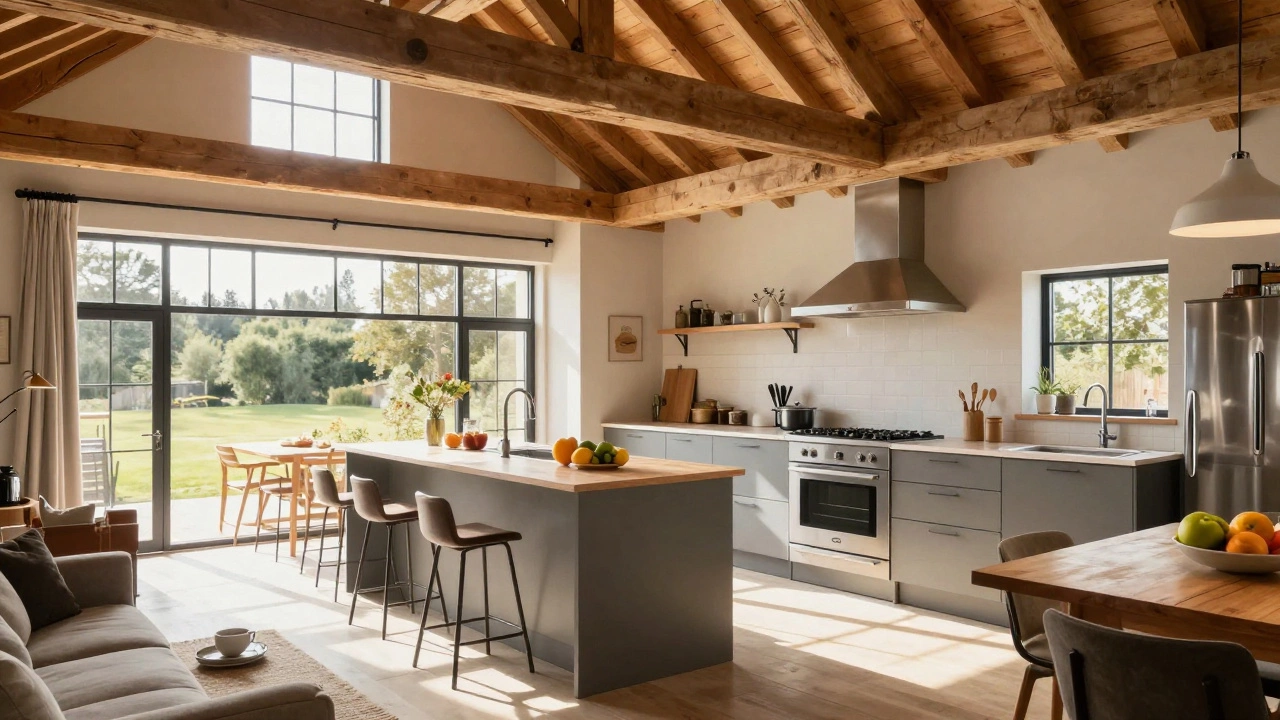
- Converted Barns & Farm Buildings: Former agricultural structures transformed into luxury homes. Expect high ceilings, large windows, and modern interiors mixed with rustic elements like exposed beams.
- Shepherd’s Huts & Tiny Homes: Compact, mobile units often placed in scenic locations. Perfect for couples seeking a minimalist, romantic escape. They usually have en-suite bathrooms but limited living space.
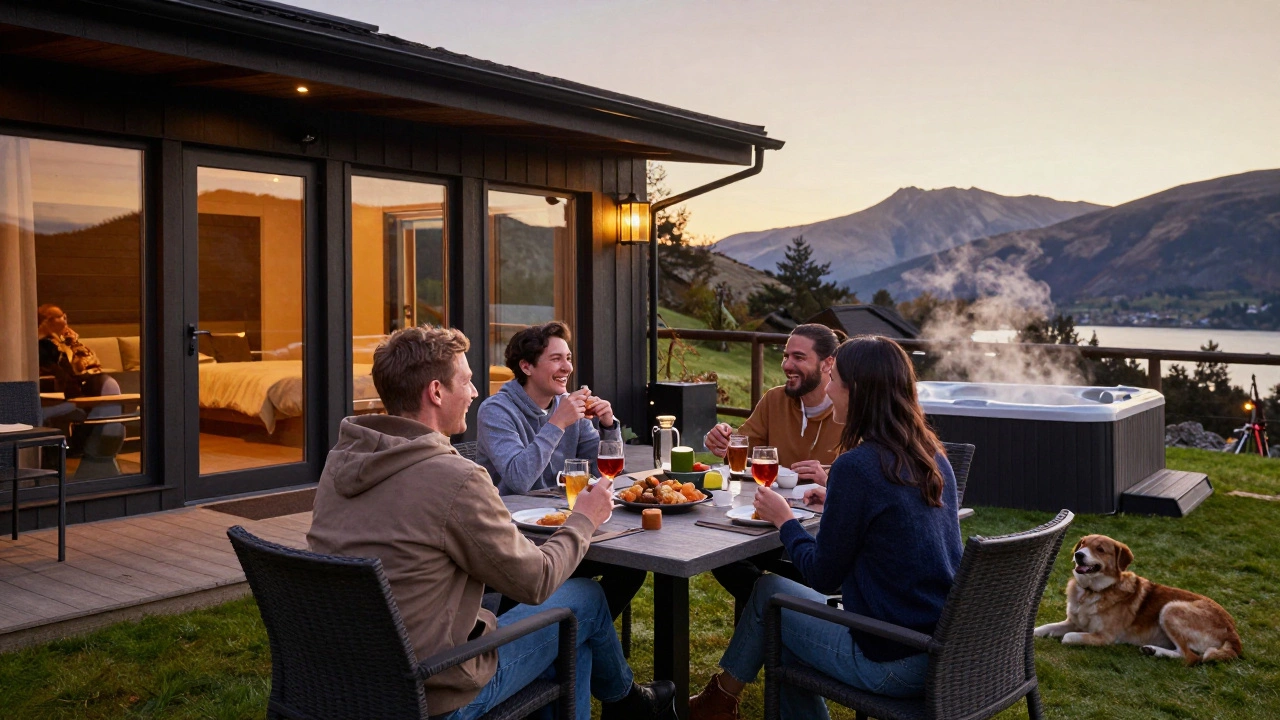
- Luxury Lodges & Cabins: Modern, high-spec properties often found in national parks. Think floor-to-ceiling glass, hot tubs, and premium appliances. These blend comfort with nature.
- Coastal Cottages: Located near beaches, these may be simpler in design but offer unbeatable views. Many include direct beach access or steps leading straight to the sand.
- Urban Apartments (Self-Catering): While not always called "cottages," city flats rented for short stays function similarly. They’re ideal for cultural breaks in London, Edinburgh, or Manchester.
The variety means you don’t have to sacrifice style for location. Want a hot tub under the stars? Look for a luxury lodge. Prefer historic ambiance? Choose a traditional cottage. The key is matching the property type to your travel goals.
Who Should Book a Holiday Cottage?
Not every traveler needs a holiday cottage. Understanding your group dynamics and travel style will help you decide if this is the right choice.
Families with Children: Kids need space to move, play, and rest. A holiday cottage provides separate bedrooms, a safe garden, and a kitchen for preparing familiar foods. No more fighting over bathroom time or waiting for room service.
Groups of Friends: Reunions and multi-generational trips work best in shared spaces. A large cottage allows everyone to gather in the living room, cook together, and still have private retreats. It’s cheaper per person than booking multiple hotel rooms.
Couples Seeking Romance: Privacy is paramount for romantic breaks. A secluded cottage with a wood burner and a soaking tub creates an intimate atmosphere that hotels struggle to replicate.
Remote Workers & Digital Nomads: With reliable Wi-Fi becoming standard in most quality cottages, many now combine work and leisure. Having a dedicated workspace and a kitchen helps maintain routine while enjoying a change of scenery.
Pet Owners: This is perhaps the biggest advantage. Most hotels restrict pets or charge hefty fees. Many holiday cottages are pet-friendly, offering fenced gardens and nearby walking trails. Always confirm pet policies before booking.
How to Find and Book the Right Cottage
Finding a good holiday cottage requires more than scrolling through photos. Here’s how to ensure you get what you expect.
- Define Your Priorities: Do you need a dishwasher? A cot? Off-street parking? List your must-haves before searching.
- Use Reputable Platforms: Sites like VisitBritain, HomeAway, and Airbnb aggregate listings. For higher standards, look for properties certified by organizations like LoveHolidays or British Holiday & Home Association (BH&HA), which inspect properties annually.
- Read Recent Reviews: Photos can be misleading. Reviews reveal truth about cleanliness, accuracy of descriptions, and host responsiveness. Pay attention to comments from guests with similar needs (e.g., families, pet owners).
- Check the Location Carefully: Use maps to verify proximity to attractions, supermarkets, and transport links. Some cottages claim to be "near the coast" but are actually miles inland.
- Understand the Cancellation Policy: Policies vary widely. Some offer free cancellation up to 14 days before arrival; others are non-refundable. Choose based on your confidence in plans.
- Contact the Host: Don’t hesitate to ask questions. A responsive host is a good sign of smooth management. Ask about check-in procedures, local recommendations, and any potential issues (like narrow roads or steep paths).
Booking early is crucial, especially for peak seasons like summer holidays and Christmas. Popular cottages fill up months in advance. If you’re flexible with dates, mid-week bookings can be significantly cheaper.
What to Expect Upon Arrival
Your experience starts before you arrive. Most holiday cottages use self-check-in methods like lockboxes or smart locks. You’ll receive instructions via email or text, including codes and entry details. Make sure your phone has signal at the property-if not, download offline maps.
Inside, you should find a welcome pack with essentials: tea, coffee, milk, sugar, and sometimes bread or butter. This varies by owner, so don’t assume it’s included unless stated. The property should be clean and ready for immediate use. Towels and bedding are provided, but you may need to bring extra linens for long stays.
Utilities are usually included in the rental price, except for heating in some cases. If the cottage uses oil or gas heating, you might need to top up fuel. Clarify this beforehand to avoid surprises. Wi-Fi passwords should be clearly displayed.
During your stay, you’re essentially a temporary homeowner. Respect the space: keep noise reasonable, dispose of waste properly, and report any damage immediately. Most owners appreciate care and may leave a parting gift or discount for future bookings.
Common Pitfalls to Avoid
Even experienced travelers make mistakes when booking holiday cottages. Here’s what to watch out for:
- Overlooking Hidden Costs: Cleaning fees, pet charges, and security deposits can add up. Always review the total price before confirming.
- Ignoring Accessibility Needs: Many cottages have stairs, uneven floors, or lack grab rails. If mobility is a concern, contact the owner directly to confirm suitability.
- Assuming All Amenities Are Working: Test the shower, oven, and heating upon arrival. Report issues immediately so they can be fixed or compensated.
- Booking Without Reading the House Rules: Some properties prohibit parties, smoking, or late arrivals. Violating rules can lead to eviction or fines.
- Neglecting Travel Insurance: Standard health insurance may not cover trip cancellations or medical emergencies abroad. Consider specialized travel insurance for peace of mind.
Avoiding these pitfalls ensures your holiday cottage experience remains enjoyable rather than stressful.
Is a holiday cottage the same as an Airbnb?
Not necessarily. Airbnb is a platform that lists various types of accommodation, including holiday cottages, apartments, and single rooms. A holiday cottage refers to the type of property-a self-contained home-while Airbnb is one way to book it. You can also book holiday cottages through dedicated agencies, private owners, or other platforms like Booking.com.
Are holiday cottages expensive?
Prices vary widely based on location, size, and season. A small cottage in a rural area might cost £50-£100 per night, while a luxury property in a prime location could exceed £300. However, because you can cook your own meals and accommodate more people, the cost per person is often lower than equivalent hotel stays.
Do I need to clean the cottage before leaving?
You don’t need to do a deep clean, but basic tidiness is expected. This includes washing dishes, taking out trash, and stripping beds if requested. Most owners provide cleaning supplies. Failing to follow house rules may result in additional cleaning fees.
Can I bring my dog to a holiday cottage?
Many holiday cottages are pet-friendly, but not all. Always check the listing details for pet policies, including any restrictions on breed or size, and whether there’s an extra fee. Contact the owner to confirm specific arrangements.
What happens if something breaks during my stay?
Contact the owner or property manager immediately. Most have emergency contacts available 24/7. Minor issues like a broken appliance may be replaced or repaired. Significant problems affecting your stay could warrant compensation or alternative accommodation.