
The core of the micro vacation
A micro vacation is a short, intentional trip-typically lasting from one to four days-designed to provide a mental reset without the logistical stress of a long holiday. Unlike a standard holiday, the goal here isn't to "see everything" in a city. It's about the psychological shift that happens when you leave your home environment. When you switch your surroundings, your brain stops running the same autopilot scripts it uses at your desk or in your kitchen, which is why even a quick trip to a neighboring town can feel like a total reboot.
Many people confuse these with simple weekend getaways. While they look similar on a calendar, the intent is different. A getaway might be about a wedding or a specific event. A micro vacation is a deliberate act of self-care. It's the difference between going somewhere because you have to and going somewhere specifically to recover your sanity.
Why your brain craves shorter, more frequent trips
We've been taught that the "big trip" is the gold standard of relaxation. But there's a problem: the "vacation fade." You spend two weeks in paradise, but by the time you've been back at work for ten days, the stress returns and the memories start to feel like a distant dream. Research into the psychology of leisure suggests that frequent, shorter bursts of novelty are actually better for sustaining long-term happiness than one massive annual event.
Think of it like charging a phone. If you let your battery drop to 1% before plugging it in, it takes forever to charge and the battery life degrades. A micro vacation is like a top-up charge. By stepping away for a few days every few months, you prevent the total burnout that leads to "quiet quitting" or physical illness. It's about maintaining a baseline of wellbeing rather than trying to fix a broken spirit once a year.
Different flavors of the micro break
Not every short trip has to involve a hotel and a suitcase. Depending on how burnt out you feel, you can choose different intensities of a staycation or a quick journey.
- The Local Escape: This is where you visit a town or a nature reserve within two hours of your home. The lack of travel time means more time for actual resting.
- The City Sprint: A fast-paced jump to a nearby metropolis. You spend 48 hours visiting one gallery, eating at one great restaurant, and walking a new set of streets.
- The Nature Reset: Renting a small cabin or a Holiday Cottage in the woods. The focus here is silence and a lack of digital notifications.
- The "Tourist in Your Own Town": Booking a high-end hotel in your own city. You remove the chores of home life (laundry, dishes) but skip the travel stress entirely.
| Feature | Micro Vacation | Traditional Holiday |
|---|---|---|
| Duration | 1-4 Days | 7-21 Days |
| Planning Stress | Low (Minimal packing/booking) | High (Flights, itineraries, visas) |
| Primary Goal | Mental reset and recovery | Exploration and adventure |
| Frequency | Quarterly or Monthly | Once or twice a year |
| Cost per Trip | Low to Moderate | High |

How to plan a micro vacation without adding to your stress
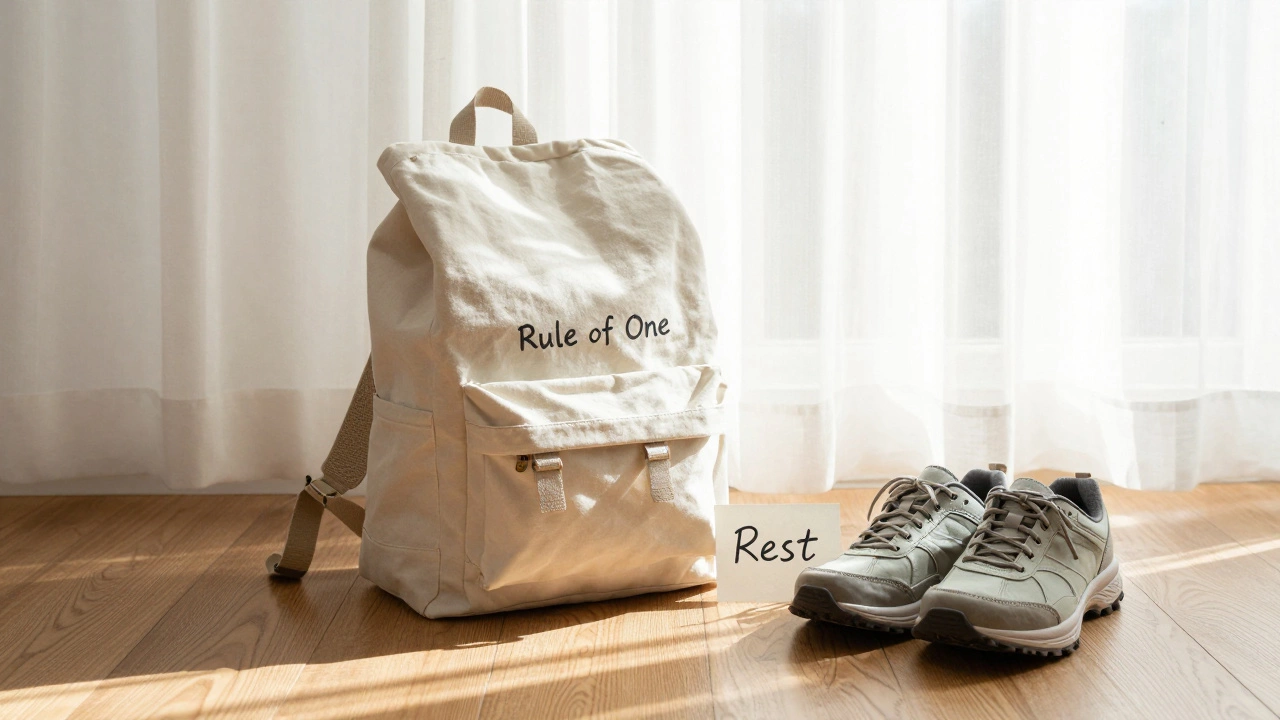
The biggest mistake people make is treating a three-day trip like a two-week expedition. If you spend your entire short break rushing from one landmark to another, you'll come home feeling like you need another vacation. To make this work, you need to apply the "Rule of One": one main activity per day, and one primary goal for the trip.
- Pick a destination with a short commute. If you spend six hours of your 48-hour break in a car or airport, you've wasted 12.5% of your trip just moving. Keep the travel time under four hours.
- Limit your packing. Use a single backpack. The act of lugging a giant suitcase for a two-night stay creates a psychological burden that contradicts the goal of "lightness."
- Set a digital boundary. A micro vacation fails if you're still answering emails on your phone while sitting in a cafe. Turn off work notifications entirely. If you're worried about emergencies, check your mail once at 8 AM and then lock the phone away.
- Prioritize sleep and sensory changes. Instead of a crowded tourist spot, find a place with a different smell, sound, and feel. If you live in a noisy city, head for a quiet forest. If you live in a quiet village, head for the buzz of a downtown area.
The financial and emotional trade-offs
Some argue that spending money on several small trips is more expensive than one big one. In reality, it's often the opposite. When you remove the need for international flights and long-term rentals, you can afford higher-quality experiences. Instead of a budget hostel for two weeks, you can afford a boutique Luxury Hotel for two nights. This increase in quality often leads to a deeper sense of restoration.
Emotionally, these trips act as "milestones." When you have a big trip in August, the months of March, April, and May feel like a long, grueling slog. When you have a micro vacation scheduled every six weeks, the calendar becomes a series of short sprints. You're not living for the summer; you're living for the next long weekend.
Common pitfalls to avoid
The "Productivity Trap" is the most common micro vacation killer. This happens when you feel the need to make the trip "worth it" by packing in as many activities as possible. You might find yourself checking off a list of the top ten things to do in a city, only to realize you've spent the whole time staring at a map and a watch. Remember, the point isn't productivity; it's presence.
Another risk is the "Home-Sickness Loop," where you spend the whole trip thinking about the chores you left behind. To stop this, do a "pre-trip purge." Spend one hour on Friday cleaning your kitchen and clearing your inbox. When you walk out the door, the house is in a state that allows your mind to actually let go.
Is a micro vacation the same as a staycation?
Not exactly. A staycation usually means staying at home and doing local activities. A micro vacation involves a physical change of location-like staying in a hotel or a rental cottage in another town-to create a stronger psychological break from your daily routine.
How often should I take a micro vacation?
For most people, a trip every 6 to 12 weeks is the sweet spot. This prevents the buildup of chronic stress and gives you something to look forward to on a regular basis without disrupting your work life too much.
What is the ideal length for a micro vacation?
The most effective length is usually 3 days (Friday to Sunday). This provides enough time to detach from your home environment on day one, enjoy a full day of relaxation on day two, and transition back on day three.
Can I do a micro vacation on a tight budget?
Absolutely. Focus on destinations within walking or biking distance, or use public transport to a nearby nature reserve. The "reset" comes from the change of scenery and the intentionality, not the price of the hotel.
Do I need to plan an itinerary for a micro vacation?
Avoid strict itineraries. Instead, pick one "anchor activity" per day (like a specific museum or a hike) and leave the rest of the time open. Over-scheduling is the fastest way to turn a relaxing break into a stressful chore.
Next steps for your first break
If you're feeling the edge of burnout today, don't wait for the next major public holiday. Start by looking at your calendar for the next six weeks. Find a three-day window and pick a spot that is physically different from where you spend 90% of your time. If you live in a flat, find a cottage. If you work in an office, find a beach or a mountain. Book one night of accommodation, pack one bag, and give yourself permission to do absolutely nothing for a few hours. That's where the real recovery happens.