Adventure Holiday Planner & Matcher
Your Travel Profile
Recommended Itinerary
Enter your details to discover the perfect adventure holiday tailored to you.
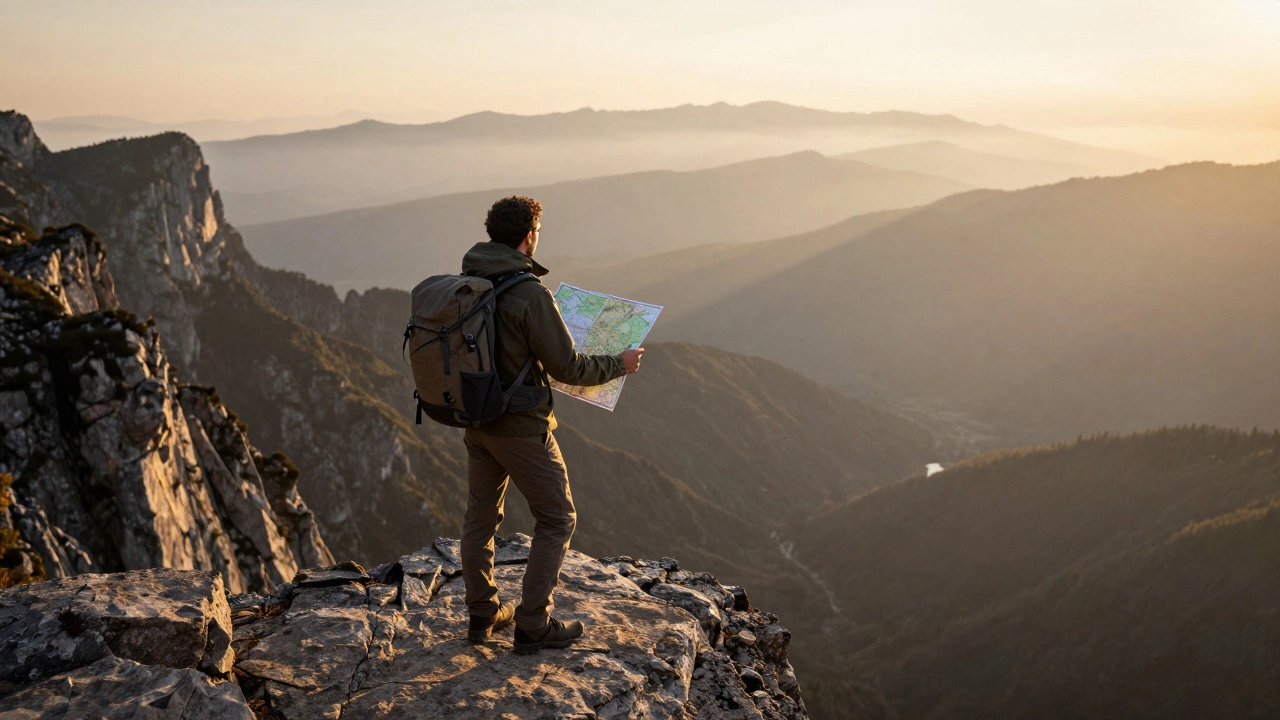
You pack your bags, but instead of a resort brochure, you’re looking at a map with no roads marked. You trade the poolside lounger for hiking boots or a kayak paddle. This isn’t just a vacation; it’s an adventure holiday is a type of travel that involves physical activity, interaction with nature, and often a degree of risk or challenge. Unlike traditional leisure trips where relaxation is the primary goal, this style of tourism puts you in the driver’s seat of your experience.
If you’ve ever wondered why some travelers return from a trip exhausted but exhilarated while others come back feeling like they barely left their hotel room, the difference lies in the definition of adventure. It’s not just about skydiving (though that counts). It’s about stepping out of your comfort zone to engage deeply with a destination through movement, skill, and curiosity.
The Core Definition: More Than Just Adrenaline
There is a common misconception that an adventure holiday requires extreme danger. In reality, the term covers a broad spectrum of activities. The United Nations World Tourism Organization (UNWTO) defines adventure tourism as involving "physical activity, cultural immersion, and interaction with nature."
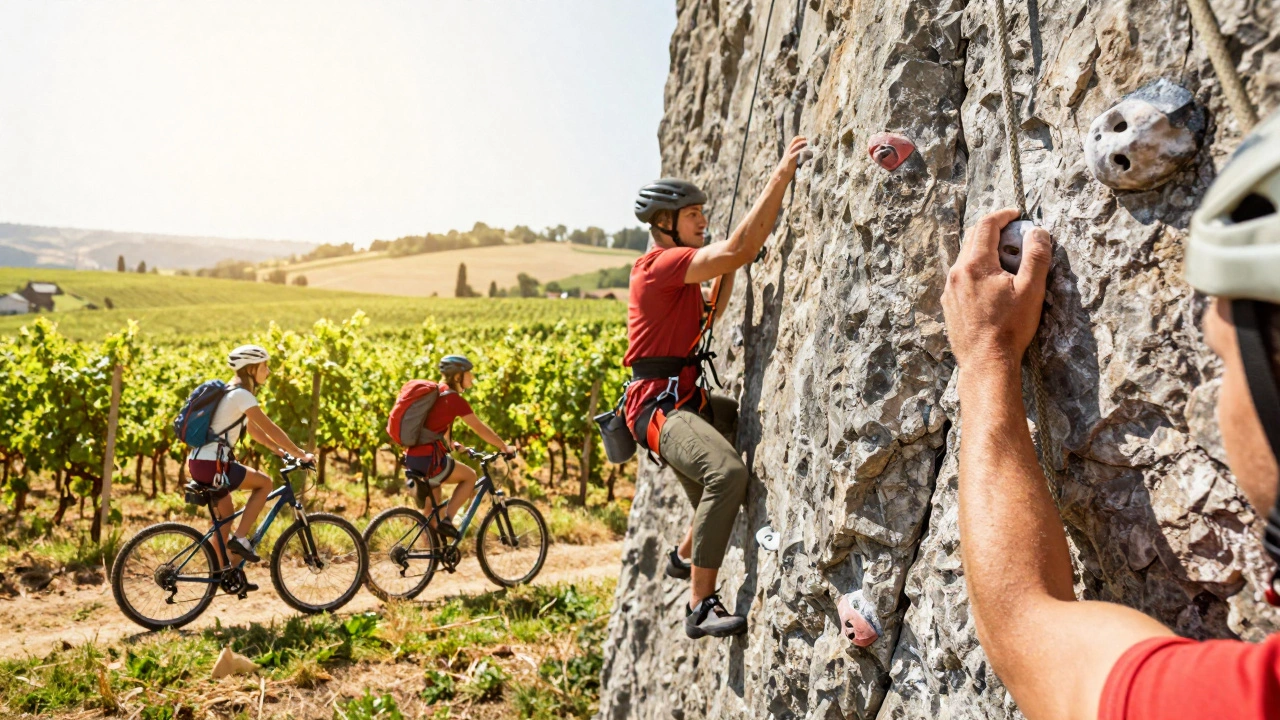
Think of it on a sliding scale. On one end, you have soft adventure-activities like scenic hiking, bird watching, or cycling through vineyards. These require minimal technical skill and carry low risk. On the other end sits hard adventure-rock climbing, white-water rafting, or mountaineering. These demand specific training, equipment, and a higher tolerance for risk. Both are valid forms of adventure travel. The key ingredient isn’t necessarily fear; it’s engagement. You are actively participating in the environment rather than passively observing it.
Why People Choose Adventure Over Relaxation
So, why do millions of people swap sunbeds for summit bids every year? The psychology behind adventure travel is rooted in personal growth and mental clarity. Modern life is often sedentary and digital. An adventure holiday forces you to disconnect from screens and reconnect with your physical senses.
Research in environmental psychology suggests that engaging in challenging outdoor activities boosts self-efficacy-the belief in your ability to succeed. When you navigate a difficult trail or learn to surf, you gain tangible proof of your resilience. This creates a sense of accomplishment that a spa day simply cannot match. Additionally, the novelty of new environments stimulates the brain, reducing stress and improving mood more effectively than routine-based vacations.
Types of Adventure Holidays: Finding Your Level
Adventure travel is not a monolith. To plan effectively, you need to identify which category fits your fitness level and interests. Here are the most common types:
- Trekking and Hiking: Ranging from gentle coastal walks to multi-day expeditions in the Himalayas. This is the most accessible form of adventure.
- Water Sports: Includes kayaking, snorkeling, scuba diving, surfing, and white-water rafting. Water-based adventures offer unique perspectives on landscapes.
- Wildlife Safaris: While sometimes passive, active safaris involve walking tours or canoeing to observe animals in their natural habitat, requiring stealth and patience.
- Sports and Racing: Participating in marathons, triathlons, or ski races abroad. This combines athletic competition with tourism.
- Cultural Immersion: Homestays, cooking classes with local families, or volunteering projects. The adventure here is social and emotional rather than physical.
| Type | Physical Demand | Risk Level | Best For |
|---|---|---|---|
| Hiking | Low to High | Low | Families, solo travelers, beginners |
| Rock Climbing | High | Medium | Thrill-seekers, those seeking technical challenges |
| Scuba Diving | Low | Medium (requires certification) | Explorers, marine life enthusiasts |
| Paragliding | Low | High | Adrenaline junkies, first-timers with guides |
| Cultural Trekking | Medium | Low | History buffs, food lovers, slow travelers |
Planning Your First Adventure Trip
Jumping into adventure travel without preparation can lead to disappointment or injury. The best way to start is by assessing your current fitness level honestly. If you haven’t exercised in months, booking a high-altitude trek in Peru might be too ambitious. Start smaller. Try a guided hike in a nearby national park or a beginner’s yoga retreat.
Next, consider the season. Adventure destinations often have narrow windows for optimal conditions. For example, trekking in Nepal is best between October and November. Going outside these months means dealing with monsoon rains or freezing temperatures, which drastically changes the nature of the adventure. Always check local weather patterns and seasonal closures.
Budgeting is another critical step. Adventure holidays can vary wildly in cost. A DIY camping trip might be cheap, but guided expeditions with specialized gear and expert leaders can be expensive. Factor in insurance costs early on. Standard travel insurance often excludes high-risk activities like skiing or bungee jumping. You may need an add-on policy to ensure you’re covered if something goes wrong.
Safety and Sustainability: The Responsible Traveler
With great freedom comes great responsibility. Adventure tourism has a significant impact on the environments it visits. As a traveler, you must adopt sustainable practices. This means sticking to marked trails to protect fragile ecosystems, respecting wildlife distances, and supporting local businesses rather than international chains.
Safety is equally important. Never underestimate the value of a qualified guide. Local guides know the terrain, the weather quirks, and the emergency protocols. They also provide cultural context that enriches the experience. If you attempt advanced activities like rock climbing or whitewater rafting without proper instruction, you put yourself and others at risk. Always verify the credentials of tour operators and inspect equipment before use.
Who Is Adventure Travel For?
Adventure holidays are not exclusively for young, fit athletes. The industry has evolved to include intergenerational travel. Many companies now offer "soft adventure" packages designed for seniors or families with young children. These trips focus on accessibility and education rather than extreme exertion.
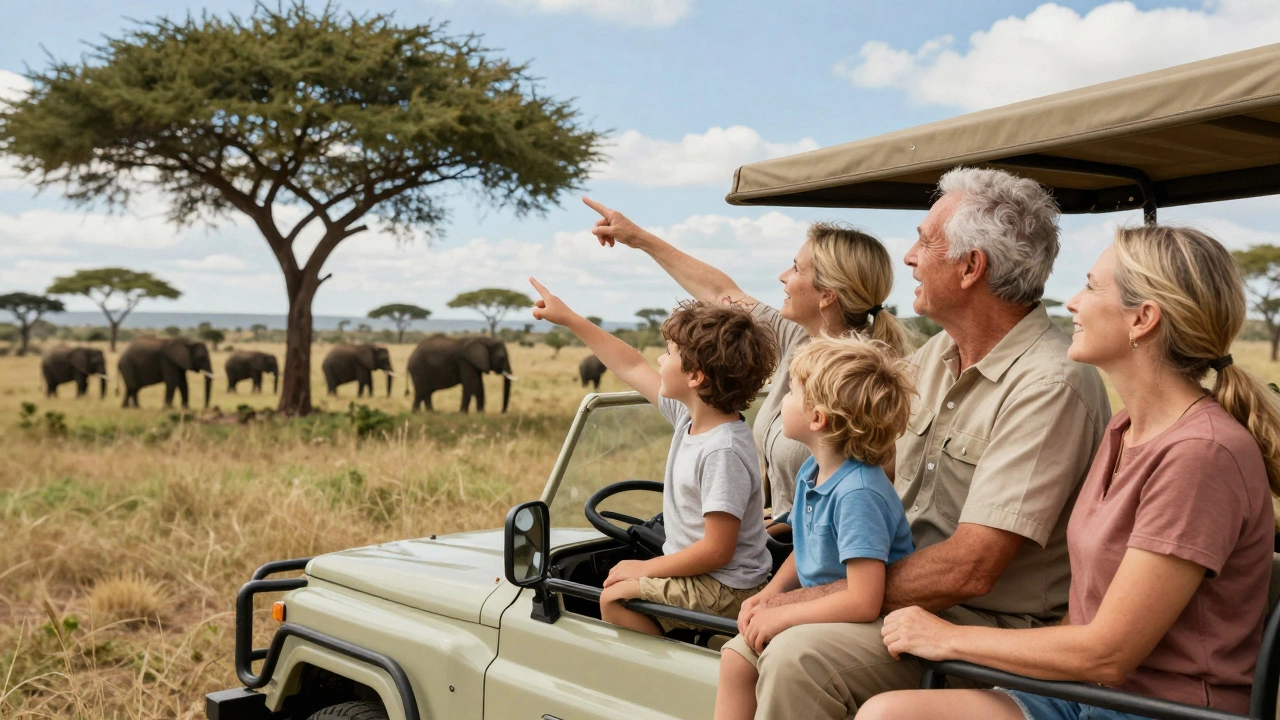
For instance, a family might choose a wildlife safari where the physical demand is low, but the excitement of seeing lions up close provides the thrill. Similarly, older travelers might opt for horseback riding through historic valleys, combining gentle exercise with cultural exploration. The key is matching the activity to your capabilities, not your age.
Is an adventure holiday dangerous?
Not necessarily. Danger depends on the activity and preparation. Soft adventures like hiking or cycling carry low risk if you follow safety guidelines. Hard adventures like skydiving have inherent risks but are managed by professionals. Proper training, good equipment, and reputable guides significantly reduce danger.
Do I need to be fit to go on an adventure holiday?
It depends on the trip. Some activities require high fitness levels, such as mountaineering. However, many adventure holidays cater to beginners or those with moderate fitness. Always check the difficulty rating provided by the tour operator and be honest about your physical condition.
How much does an adventure holiday cost?
Costs vary widely. A self-guided hiking trip might cost only accommodation and food expenses. Guided expeditions, especially those involving specialized gear or remote locations, can range from $1,000 to $5,000 or more per person. Budget for travel insurance that covers your specific activities.
Can families enjoy adventure holidays?
Yes, absolutely. Many operators offer family-friendly packages with shorter durations and lower intensity activities. Wildlife safaris, gentle river cruises, and cultural walking tours are excellent options for families wanting shared experiences without extreme physical demands.
What should I pack for an adventure trip?
Packing depends on the activity, but essentials include sturdy footwear, moisture-wicking clothing, sunscreen, insect repellent, and a basic first-aid kit. Always check the specific gear list provided by your tour operator, as some items like helmets or ropes may be supplied.