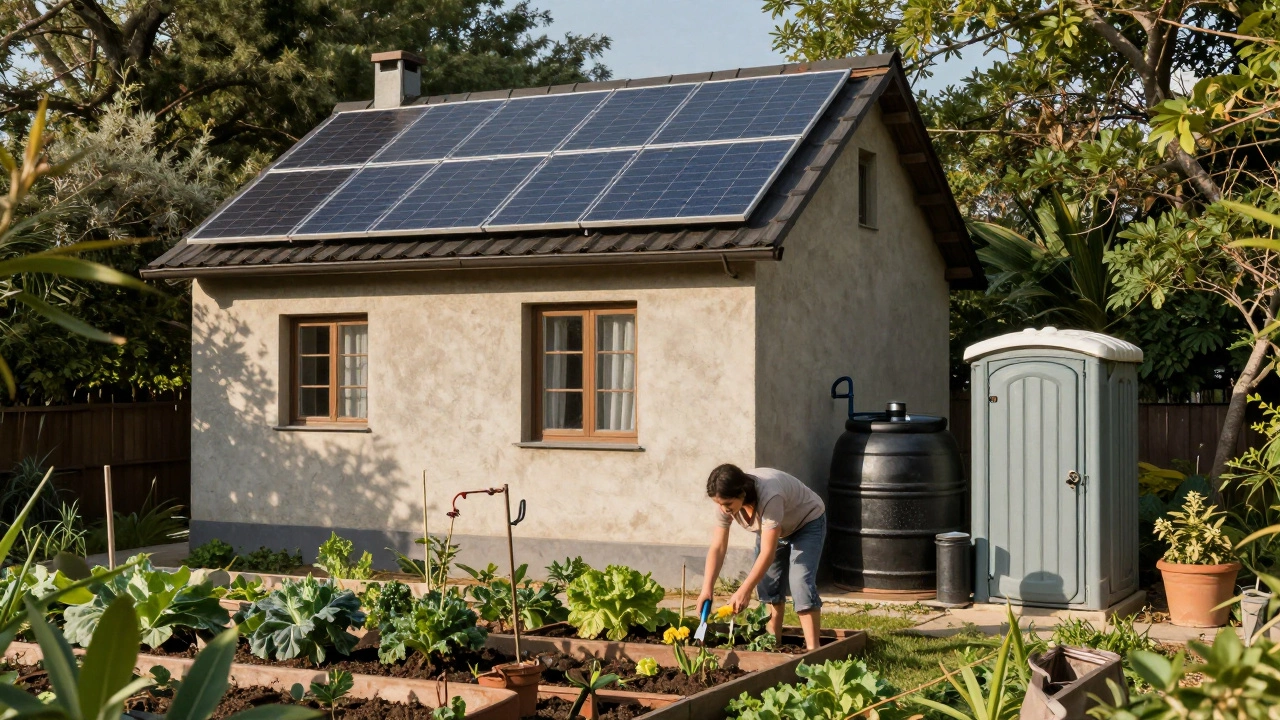
Ever heard someone called a green person and wondered if that’s even a real term? Or maybe you’ve met someone who never uses plastic, grows their own food, and bikes everywhere-and thought, "What do you actually call someone like that?" It’s not just about being nice to the planet. It’s about how you live, every single day. And the labels people use for these folks aren’t just buzzwords-they reflect real choices, habits, and sometimes even identities.
There’s No Single Word, But Here Are the Most Common Labels
You won’t find one official term in a dictionary that covers everyone who lives sustainably. That’s because being eco-friendly isn’t a costume you put on-it’s a collection of actions. But people do use certain phrases more than others, and each carries its own flavor.
- Eco-conscious - This is the most widely used and neutral term. It means someone is aware of how their choices impact the environment. They might not be perfect, but they try. They pick reusable bags, turn off lights, or avoid fast fashion. It’s about awareness first.
- Sustainable living advocate - This one’s more formal. You’ll hear it from bloggers, educators, or people who teach others how to reduce waste. It implies they’re not just doing it for themselves-they’re spreading the word.
- Environmental steward - This term comes from older conservation language. It’s often used by people who manage land, protect wildlife, or work in parks. But it also fits anyone who sees themselves as a caretaker of nature, not just a user of it.
- Zero-waste practitioner - This is specific. These folks aim to send nothing to landfill. They compost, buy in bulk, make their own cleaners, and repair instead of replace. It’s a lifestyle with strict rules.
- Green person - Casual, sometimes used playfully. It’s the term your friend might use after you refuse a plastic straw. It’s not technical, but it’s understood.
None of these are perfect. You can’t slap a label on someone just because they recycle. But if someone avoids single-use plastics for five years, grows tomatoes on their balcony, and refuses to fly for vacations? That’s more than a habit-it’s a shift in values.
Why Labels Matter (Even If They’re Imperfect)
People don’t use these terms randomly. They use them to find each other. If you’re trying to live more sustainably, you don’t want to feel alone. Labels help you find communities-online groups, local meetups, even books and podcasts. Calling yourself an "eco-conscious consumer" tells others you’re looking for ethical brands. Calling yourself a "zero-waste household" tells your neighbors you’re open to swapping jars or sharing tools.
There’s also a psychological effect. When you name your behavior, you own it. Research from Stanford’s Environmental Psychology Lab in 2023 showed that people who identified as "environmental stewards" were 40% more likely to stick with sustainable habits over five years than those who just said they "tried to be greener." Naming it made it part of their identity.
What They Actually Do (Not Just What They’re Called)
Labels can be misleading. Someone might call themselves a "green person" but still fly internationally twice a year. Meanwhile, someone who never uses the word "eco" might live in a tiny off-grid cabin, grow all their food, and fix their own roof. So what really defines an eco-friendly person?
Here’s what most of them have in common:
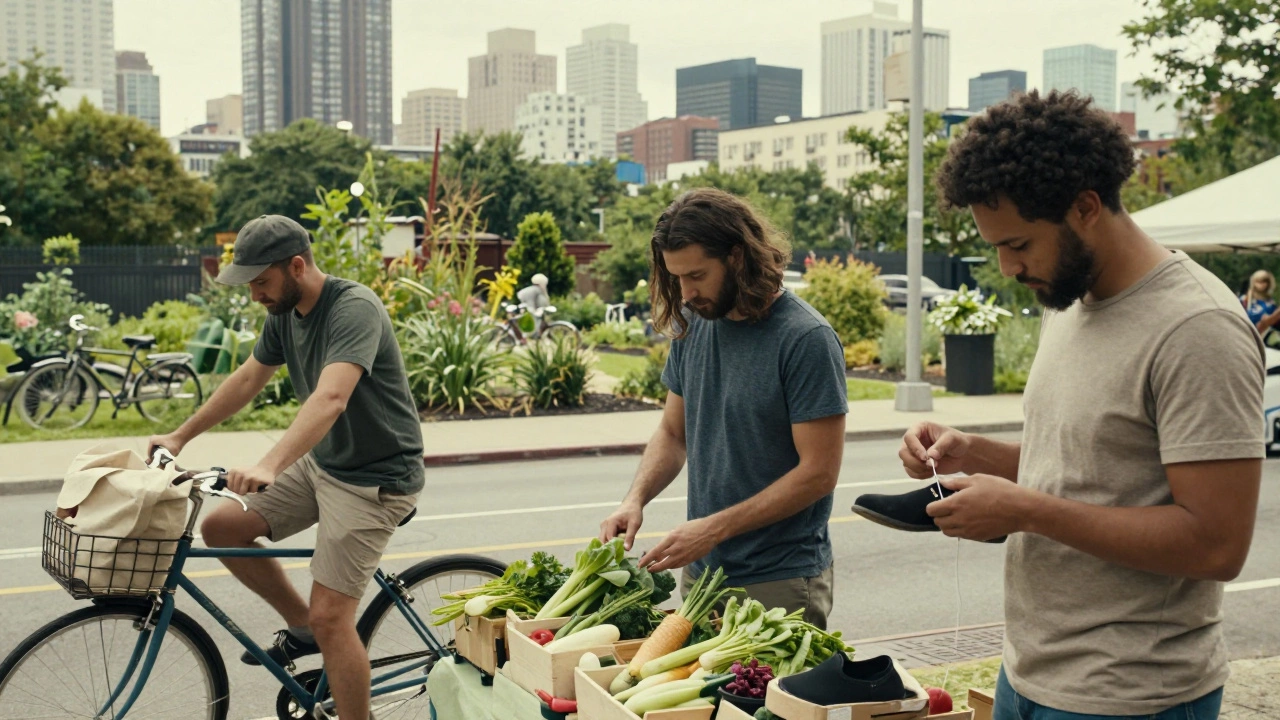
- They prioritize durability over convenience. A stainless steel water bottle lasts 10 years. A plastic one lasts a week. They choose the long-term option, even if it costs more upfront.
- They know where things come from. They don’t just buy "organic"-they ask who grew it, how far it traveled, and if the farmer was paid fairly.
- They reduce before they recycle. Recycling is the last step. First comes refusing, reusing, repairing. They keep jars, mend clothes, and borrow tools instead of buying new.
- They think in systems, not just products. They don’t just buy an electric car-they ask if the electricity comes from wind or coal. They don’t just compost-they wonder how their local waste system works.
- They don’t perform for social media. The most committed eco-friendly people often don’t post about it. Their actions are quiet. They’re not trying to look good-they’re trying to do good.
That’s the real difference. It’s not about the label. It’s about consistency. One person might call themselves a "sustainable living advocate" and run a blog. Another might be a retiree who’s never bought a plastic bag in 20 years. Both are equally valid.
How This Connects to Eco-Friendly Cottages
When you look at eco-friendly cottages-those quiet, off-grid cabins with solar panels, rainwater collection, and composting toilets-you’re seeing the physical version of an eco-friendly person. The cottage doesn’t just have green features; it reflects a mindset.
People who book these cottages aren’t just looking for a quiet getaway. They’re looking for a place that matches their values. They want to stay somewhere that doesn’t waste water, doesn’t rely on fossil fuels, and doesn’t contribute to over-tourism. The cottage becomes an extension of their identity.
And that’s why the term "eco-friendly person" matters here. If you’re choosing an eco-friendly cottage, you’re already part of that group. You’re not just renting a room-you’re supporting a way of living that’s designed to leave less behind.
What’s Missing from the Conversation
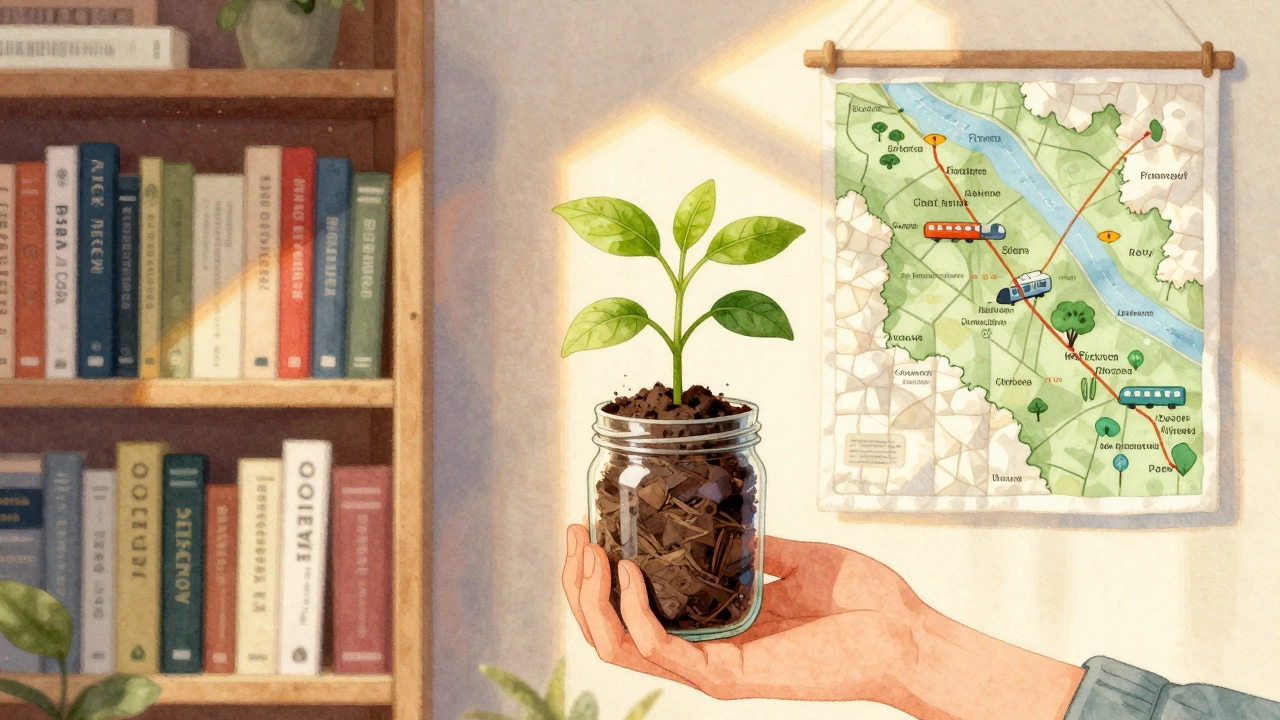
There’s a big gap in how we talk about eco-friendly people. We focus on individuals, but rarely on systems. A person can do everything right-bike to work, eat plant-based, avoid plastic-and still live in a city with no public transit, no recycling program, and no local food supply. Their effort gets swallowed by broken infrastructure.
True eco-friendliness isn’t just personal. It’s political. It’s about pushing for better policies, supporting local renewable energy, and holding corporations accountable. The most impactful eco-friendly people aren’t just living differently-they’re changing the rules around them.
That’s why the best term might not be "eco-conscious" or "green person." It might be "system changer." But that’s not a label you wear on a t-shirt. It’s a role you take on over time.
So What Should You Call Yourself?
You don’t need a label to be eco-friendly. But if you want one, pick the one that fits your actions-not your aspirations.
Are you learning? Call yourself eco-conscious.
Are you building a zero-waste home? Call yourself a zero-waste practitioner.
Are you restoring land or protecting wildlife? Call yourself an environmental steward.
Are you teaching others? Call yourself a sustainable living advocate.
Or don’t call yourself anything. Just keep doing what you’re doing. The planet doesn’t need perfect labels. It needs consistent action.
Is "eco-friendly person" a real term?
There’s no official dictionary definition, but "eco-friendly person" is commonly used in everyday language. More precise terms include "eco-conscious," "sustainable living advocate," and "environmental steward." Each reflects different levels of commitment and action.
Can someone be eco-friendly without being perfect?
Absolutely. No one is 100% perfect. Even the most committed people sometimes buy packaged food or take a flight. What matters isn’t perfection-it’s direction. Are they moving toward less waste, less consumption, and more responsibility? If yes, they’re on the right path.
Do eco-friendly people only live in rural areas?
No. Many live in cities and make sustainable choices within their constraints-using public transit, joining community gardens, buying from local co-ops, or living in energy-efficient apartments. Eco-friendly living isn’t about location-it’s about habits and priorities.
Is buying eco-friendly products enough to be eco-friendly?
Not on its own. Buying a bamboo toothbrush or a reusable coffee cup helps, but it’s the smallest part. True eco-friendly living means reducing consumption overall-choosing not to buy, repairing instead of replacing, and avoiding new products unless absolutely necessary.
How do eco-friendly people handle holidays and travel?
Many choose slower, local travel-like staying in eco-friendly cottages, taking trains instead of planes, or camping. They prioritize low-impact destinations and support businesses that protect nature. Some avoid flying entirely, while others offset emissions when they must fly.