Cowboy Camping Comfort Calculator
Not sure if tonight is suitable for sleeping under the stars? Enter your conditions below to get a safety and comfort assessment.
Awaiting Input
Enter your details above to see if cowboy camping is recommended for tonight.
Recommendations:
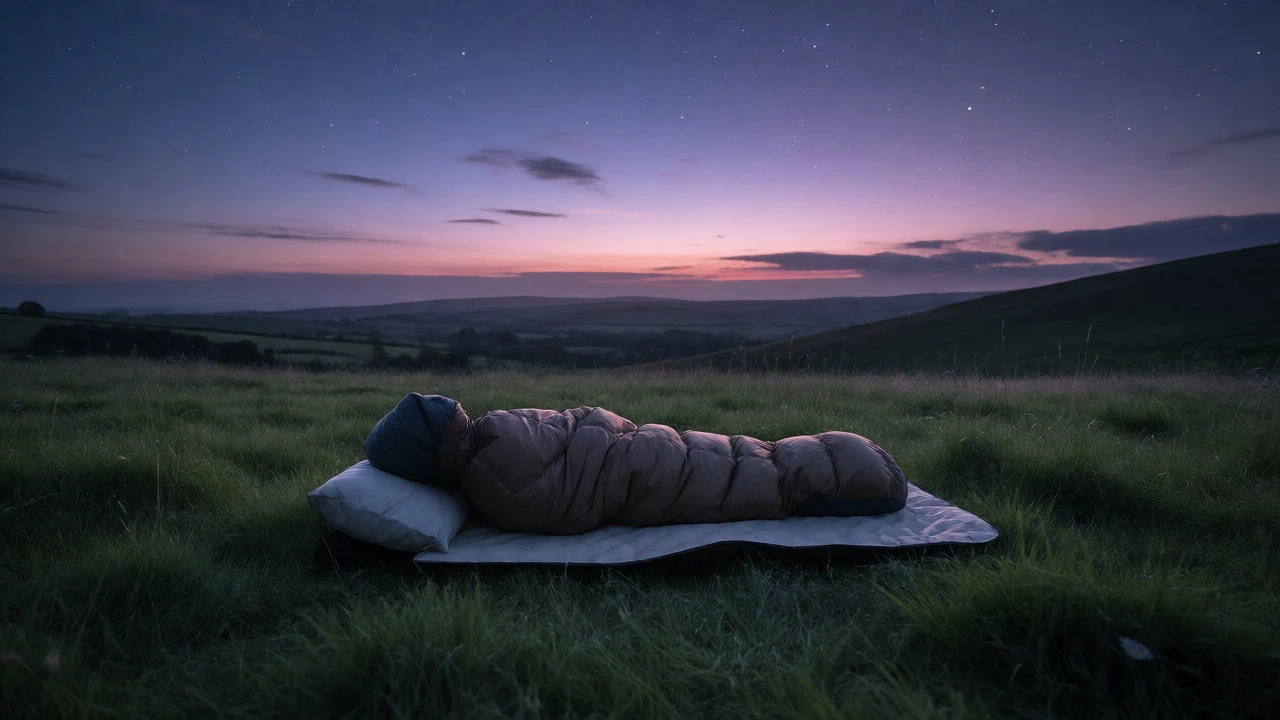
You know that feeling when you’re trying to sleep in a tent, and every rustle of the wind sounds like a bear? Or when condensation drips onto your face at 3 AM? Cowboy camping solves that. It’s simply sleeping under the stars with no tent-just you, your groundsheet, and maybe a tarp if the weather looks moody. It strips away the bulk, the setup time, and the claustrophobia. You get closer to nature, but it demands a bit more respect for the elements than standard camping does.
Think of it as the ultimate minimalist approach to outdoor sleeping. The name comes from the Old West, where cowboys didn’t haul heavy canvas tents across the plains; they slept on the ground or in their saddles, wrapped in blankets. Today, it’s less about cattle drives and more about escaping the noise. If you’ve ever looked at a crowded campsite and thought, "I just want to hear the birds," this might be your style.
The Core Gear: Less is More
Don’t let the simplicity fool you. Because you don’t have a tent wall between you and the world, your gear needs to work harder. You aren’t packing a shelter; you’re packing a survival system for comfort.
- Sleeping Bag: This is your primary defense against cold nights. In the UK, where temperatures can drop unexpectedly even in summer, a bag rated for 5°C lower than the forecasted low is wise. Down bags are lighter and pack smaller, but synthetic fills better if things get damp.
- Groundsheet: Not a tent footprint, but a dedicated mat or tarp to keep moisture off your back. Ground chill steals heat faster than air temperature does. A closed-cell foam pad is cheap, durable, and won’t puncture on a thistle.
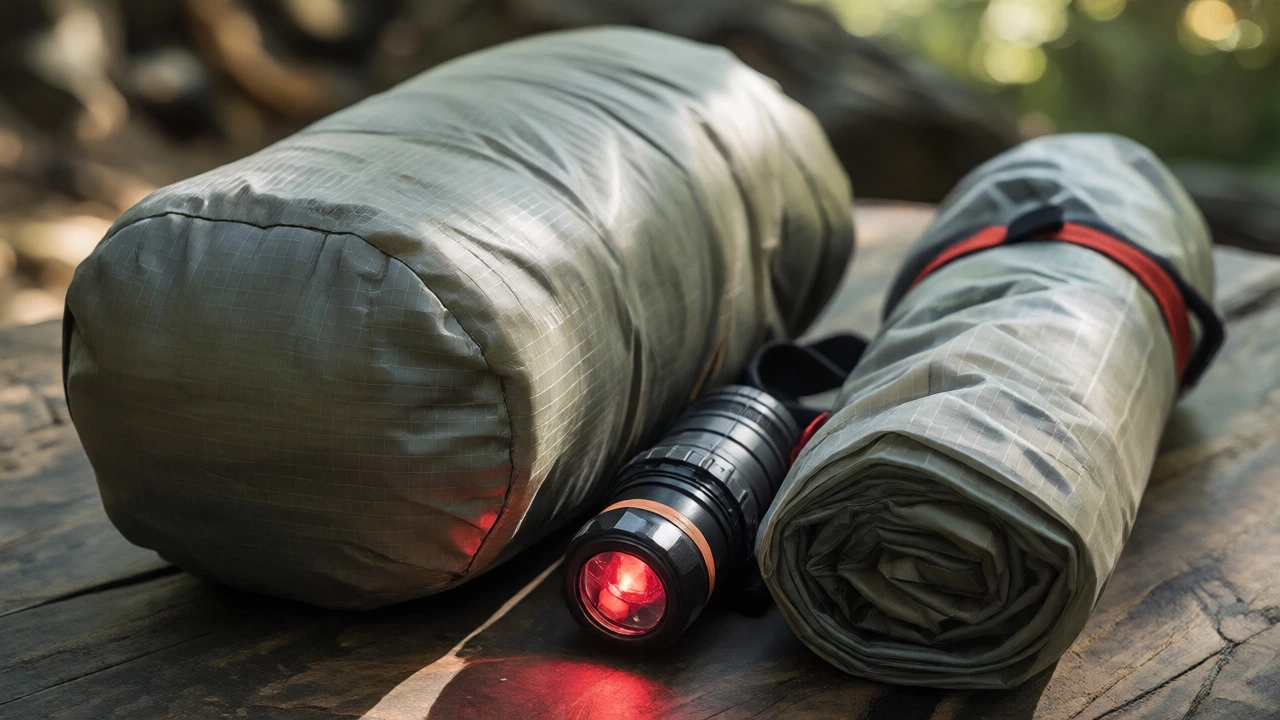
- Tarp (Optional): While purists skip this, a lightweight tarp hung above you provides shade during the day and breaks the dew line at night. It’s insurance against a sudden shower without adding tent poles to your pack.
- Headlamp: Without walls, you’re visible. Use red-light mode to preserve night vision and avoid blinding fellow campers or wildlife.
The goal here is weight reduction. A standard tent setup might weigh 3kg. A cowboy camping kit often sits under 1.5kg. That difference changes how far you walk and how tired you feel when you stop.
Choosing Your Spot: Reading the Land
In a tent, you can set up almost anywhere flat. In cowboy camping, location is everything. You need to read the terrain like a meteorologist.
First, check for drainage. Avoid depressions where water pools. If it rains, you’ll wake up in a puddle. Look for slightly elevated ground or natural slopes that direct water away. Second, consider wind. Trees offer protection, but watch out for "widowmakers"-dead branches overhead that could snap in a gust. Sleeping under a large oak is cozy; sleeping under a dead elm is risky.
Also, think about privacy. Without a tent fly, you’re exposed. Choose spots shielded by bushes or rocks. In popular areas, arrive early to claim a secluded corner. If you’re near other campers, position your sleeping bag so your feet point toward them-it’s a subtle social cue that you’re open to chat but also aware of your surroundings.
| Feature | Cowboy Camping | Tent Camping |
|---|---|---|
| Setup Time | Under 2 minutes | 10-20 minutes |
| Pack Weight | Low (under 2kg total) | Medium (3-5kg total) |
| Weather Protection | Minimal (needs good forecast) | High (wind/rain proof) |
| Nature Connection | Direct exposure to stars/sounds | Filtered through fabric |
| Cost | Lower initial investment | Higher due to tent cost |
Dealing with Bugs and Wildlife
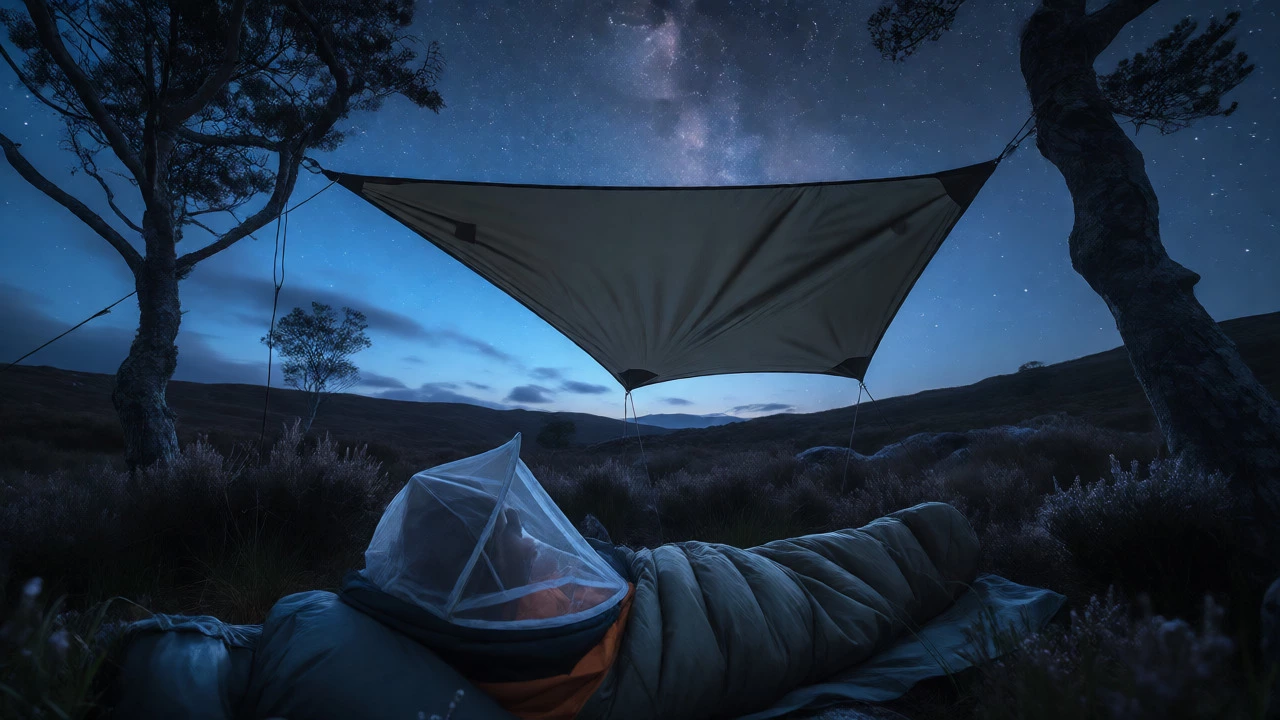
No tent means no mesh screen. You are now part of the ecosystem, which includes mosquitoes, midges, and curious badgers. In the UK, midges can be relentless in the Highlands. A fine-mesh head net is non-negotiable if you’re heading north. For southern England, a simple bug spray applied to skin and clothing usually suffices.
Wildlife encounters are rare but possible. Most animals fear humans. However, food storage matters. Never leave snacks in your sleeping bag. Suspend food in a dry bag from a tree branch, at least 2 meters high and 1 meter away from the trunk. This keeps ants, mice, and larger mammals interested in the hanging bag rather than your toes.
Spiders are the most common "guest." Check your boots and sleeping bag before crawling in. Shake them out. It takes ten seconds and saves you from a startled morning scream.
Weather Wisdom: When Not to Go
Cowboy camping relies heavily on stable weather. Check the forecast obsessively. If there’s a chance of rain over 40%, bring the tarp. If winds exceed 20mph, reconsider-the wind chill will make a 10°C night feel freezing.
Dew is the silent enemy. Even on clear nights, moisture forms on surfaces. By morning, your sleeping bag exterior might be damp. To combat this, use a waterproof bivy sack liner inside your bag, or sleep in clothes you don’t mind getting slightly moist. Synthetic bags handle dampness better than down, which clumps and loses insulation when wet.
Summer is ideal, but spring and autumn offer stunning skies with fewer crowds. Just ensure you have adequate layers. Temperatures drop rapidly after sunset. A wool base layer stays warm even if it gets sweaty or damp, unlike cotton, which chills you to the bone.
Leave No Trace: The Eco-Angle
Since you’re interested in eco-friendly cottages and sustainable travel, you’ll appreciate the minimal impact of cowboy camping. There’s no pegging into grass, no clearing vegetation for a tent site, and no plastic footprint from packaging.
However, you must tread lightly. Stick to established paths where possible. If you’re on private land, ask permission first. Many farmers welcome respectful wild campers, especially if you stay one night only and leave no trace. Pack out all trash, including biodegradable items like apple cores-they take longer to decompose than you think and attract animals.
Fire etiquette is crucial. If you build a fire, use existing fire rings. Keep it small. Douse it completely with water until it’s cold to the touch. Ashes should be scattered widely once cool. Remember, the goal is to leave the spot looking untouched, as if no one was there.
Getting Started: A Beginner’s Checklist
Ready to try it? Start close to home. Pick a local field or a designated wild camping area within driving distance. Test your gear for a single night before committing to a week-long trek.
- Check the weather forecast for rain and wind speed.
- Scout your location during the day to assess ground conditions and hazards.
- Lay out your groundsheet and sleeping bag to test comfort levels.
- Store food securely away from your sleep zone.
- Set up your tarp if rain is likely.
- Relax. Listen to the sounds. Enjoy the view.
If you wake up uncomfortable, adjust your padding or add a layer. If it rains, trust your tarp. If you love the freedom, plan your next trip further out.
Is cowboy camping legal in the UK?
In Scotland, yes, under the Land Reform (Scotland) Act 2003, provided you follow the Scottish Outdoor Access Code. In England and Wales, wild camping laws are stricter. It’s generally tolerated in remote mountainous areas like Dartmoor or the Lake District if you camp discreetly, move on daily, and leave no trace. Always check specific landowner rules.
What do I do if it rains?
If you have a tarp, pull it tight over your sleeping area. Ensure it’s angled to shed water away from your body. If you don’t have a tarp, wear your waterproof jacket and hat while lying down. Move to a natural shelter like a rock overhang or dense tree cover. Never sleep directly under a lone tree during thunderstorms.
How cold is too cold for cowboy camping?
It depends on your gear. With a quality 3-season sleeping bag and insulated pad, you can comfortably sleep in temperatures down to 0°C. Below that, you risk hypothermia unless you have winter-rated gear. Beginners should stick to nights above 5°C until they understand their body’s heat retention.
Do I need a bivvy bag?
A bivvy bag is a waterproof sleeve for your sleeping bag. It’s not strictly necessary for cowboy camping but adds significant protection against dew and light rain. It weighs little and packs small, making it a great middle-ground option for those worried about moisture.
Can I cowboy camp in my garden?
Absolutely. It’s the best way to test your gear and get used to sleeping outdoors. You’ll learn how much noise disturbs you, how comfortable your pad is, and whether your bag keeps you warm enough. Treat it like a real trip: set up properly, store food away, and simulate isolation.