Cozy Cottage Color Palette Generator
Choose your base color to discover complementary hues that perfectly capture cozy cottage style. The right colors create that warm, lived-in feeling described in the article.
Real-World Examples


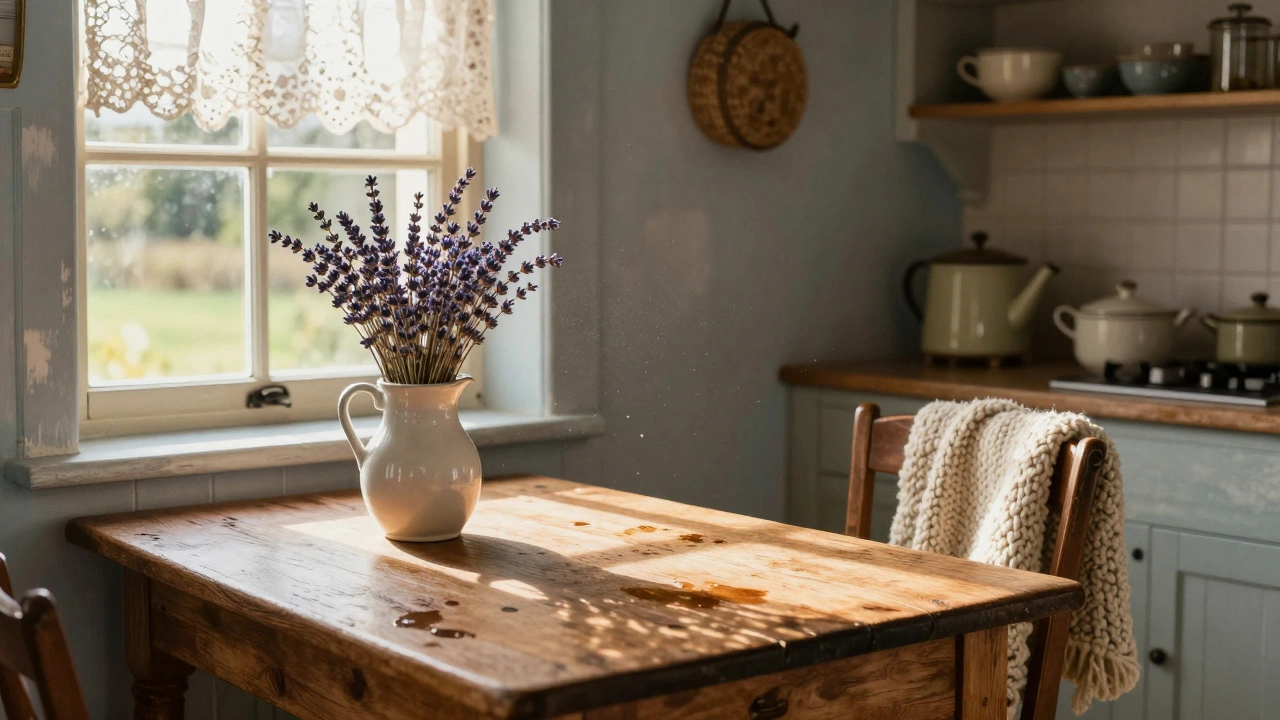
Walk into a cozy cottage and you’ll feel it before you even sit down. The air smells faintly of woodsmoke and lavender. A chunky knit blanket drapes over a worn armchair. Sunlight filters through lace curtains, catching dust motes that dance like tiny stars. This isn’t just a room-it’s a feeling. And that feeling? That’s cozy cottage style.
What Exactly Is Cozy Cottage Style?
Cozy cottage style is a design approach that pulls warmth, comfort, and charm from old-world country homes-especially those in the English countryside. Think thatched roofs, crooked doorframes, and fireplaces that have warmed generations. It’s not about perfection. It’s about personality. You won’t find sleek chrome or minimalist white walls here. Instead, you’ll see mismatched china, faded quilts, and wooden floors worn smooth by decades of footsteps.
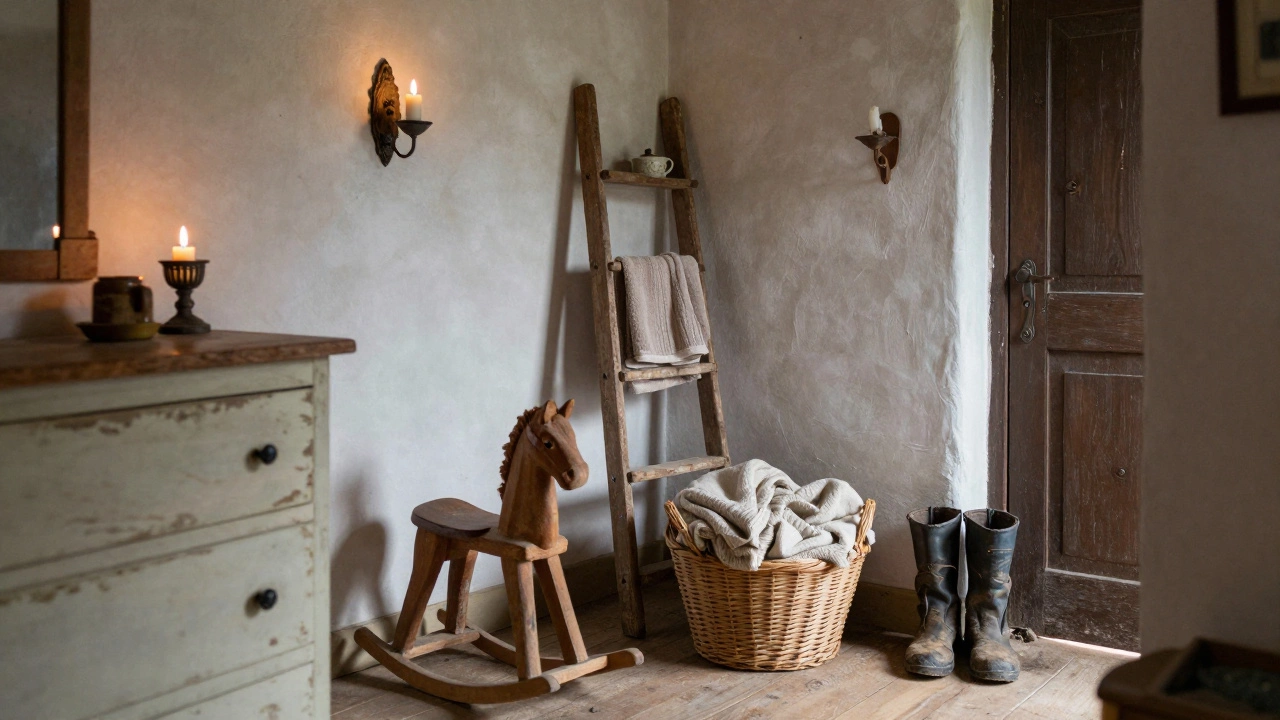
This style doesn’t come from a catalog. It grows slowly. A hand-me-down dresser. A rug found at a flea market. A wall painted in a soft, chalky blue because it reminded you of your grandmother’s kitchen. Cozy cottage style is lived-in. It’s the opposite of staged. It’s the kind of home where you leave muddy boots by the door and no one minds.
The Core Elements of Cozy Cottage Style
There are no strict rules, but certain ingredients show up again and again in homes that feel truly cottage-like:
- Soft, muted colors-think buttery yellows, sage greens, dusty pinks, and washed-out blues. These aren’t bold paint chips from a hardware store. They’re colors that have faded over time, like old linen or dried wildflowers pressed between book pages.
- Natural materials-wood, stone, linen, wool, and clay. Furniture is often made from reclaimed timber, with visible grain and knots. Floors might be original oak, slightly uneven, with gaps where the wood has settled.
- Layered textures-a crocheted throw over a velvet cushion, a woven basket beside a ceramic jug, a chunky knit rug on top of a faded Persian carpet. Texture adds depth and comfort. It’s what makes a space feel huggable.
- Antique and vintage finds-a 1920s milk jug repurposed as a vase, a child’s rocking horse in the corner, a rusted iron lantern hanging from a hook. These aren’t decorations. They’re stories.
- Small, imperfect spaces-low ceilings, narrow hallways, uneven floors. Cozy cottage style doesn’t try to fix these. It celebrates them. That’s why you’ll often find a small reading nook tucked under a window, or a tiny kitchen with just enough room for two people to stand side by side.
How It Differs from Farmhouse and Shabby Chic
People often mix up cozy cottage style with farmhouse or shabby chic. But there’s a real difference.
Farmhouse style leans into clean lines, white painted wood, and modern functionality. It’s practical, with a touch of nostalgia. Think shaker cabinets, apron sinks, and open shelving. It’s neat. Cozy cottage style? It’s messier. It’s less about order and more about comfort.
Shabby chic is romantic, with lots of pastels, lace, and floral patterns. It’s delicate. Cottage style is sturdier. It’s got a bit of grit. You’ll see chipped paint, not perfect distressing. You’ll find a worn wooden table with a stain from a spilled cup of tea-left there on purpose.
Think of it this way: farmhouse is your aunt’s newly renovated kitchen. Cozy cottage is your great-aunt’s 200-year-old cottage, where the wallpaper’s peeling but the tea’s always hot.
Where to Find the Right Pieces
You don’t need to spend a fortune to build a cottage-style home. In fact, the best pieces are often free-or nearly so.
- Thrift stores and charity shops-especially in rural towns. Look for old wooden chairs, ceramic pitchers, and brass door handles. A single vintage lamp can change the whole feel of a room.
- Local flea markets-in Bath, the Saturday market on the Pulteney Bridge is full of forgotten treasures. A cracked teapot, a hand-carved wooden box, a faded map of the Cotswolds-these are the building blocks.
- Upcycling-paint an old dresser in limewash. Reupholster a chair with linen from a deadstock fabric shop. Turn a ladder into a towel rack. Cottage style thrives on second chances.
- DIY projects-make your own candle holders from jam jars. Sew simple curtains from scrap fabric. Hang dried lavender in a muslin bag. These aren’t crafts. They’re rituals.
Lighting and Windows: The Soul of the Space
Lighting in a cozy cottage isn’t about brightness-it’s about glow.
Forget LED strips and recessed downlights. Instead, use:
- Table lamps with fabric shades
- Candles in mismatched holders
- String lights draped over bookshelves
- Oil lanterns on side tables
Windows matter just as much. Curtains should be light and airy-linen or cotton, not heavy velvet. They shouldn’t block the view. They should soften it. If you can see the garden through them, even just a little, you’ve got it right.
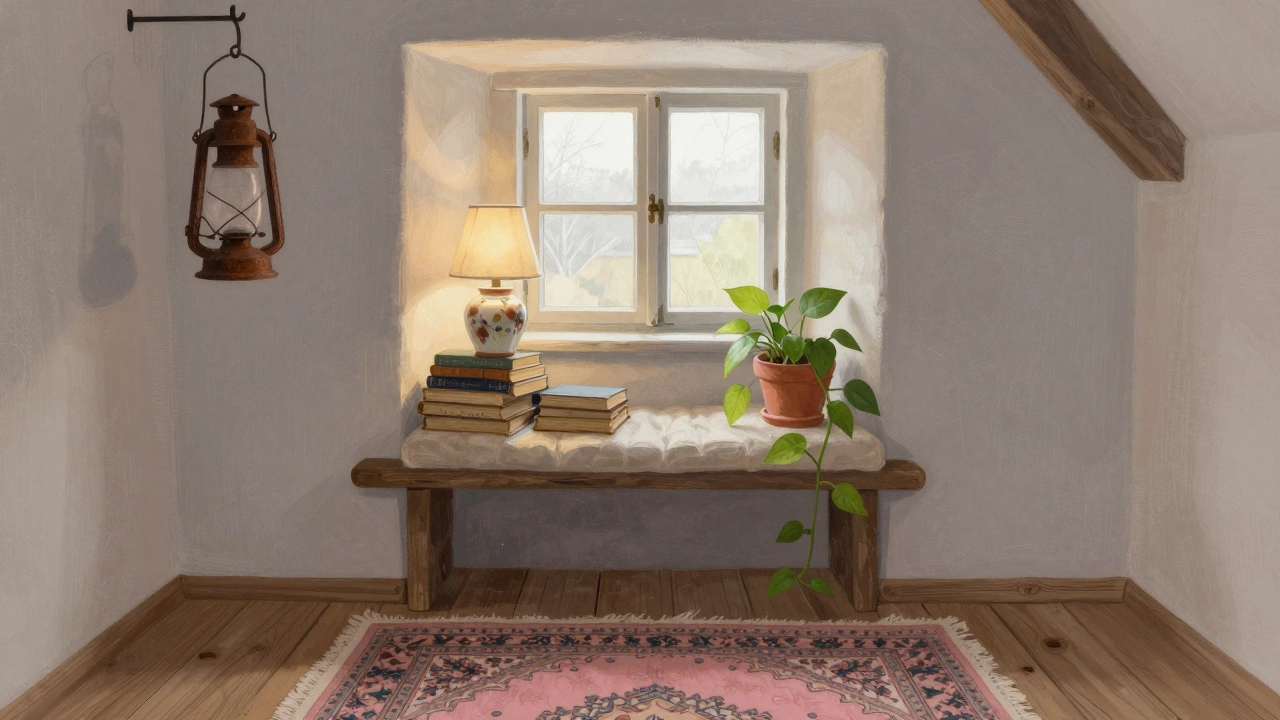
And never underestimate the power of a window seat. A cushioned bench under a window, with a stack of old books beside it, is the heart of any cottage home.
Plants, Flowers, and the Smell of Home
A cottage isn’t just seen-it’s smelled.
Keep fresh flowers on the windowsill. Dried lavender in drawers. Rosemary in a pot by the back door. A single sprig of eucalyptus hanging in the bathroom. These aren’t decor. They’re part of the air.
Indoor plants? Go for the ones that don’t need much care: snake plants, pothos, or a fiddle-leaf fig in a clay pot. Keep them near windows, not in perfect rows. Let them lean. Let them grow crooked.
Why This Style Feels So Comforting
There’s a reason cozy cottage style feels like a hug. It taps into something deeper than aesthetics. It’s about time. About slowness. About things that last.
In a world of fast furniture and disposable trends, cottage style says: Stay awhile. Sit here. Drink tea. Watch the rain on the roof. Don’t rush.
It’s not about having the perfect home. It’s about having a home that holds you.
Real Examples From Real Cottages
In the village of Lacock, just outside Bath, there’s a 17th-century cottage with a kitchen that hasn’t changed in 80 years. The sink is original stone. The table is oak, scarred with knife marks. The walls are painted in a color called "Swan’s Down," a soft gray that’s been touched up with whitewash every few years. The curtains? Homemade, from fabric bought in 1998. No one’s replaced them because they still work.
Or take a cottage in the Lake District. The owner didn’t buy new furniture. She inherited a bed from her mother, a chest from her grandfather, and a rocking chair from a neighbor who moved to a care home. She added a rug from a charity shop, painted the door a faded green, and hung a single painting-her daughter’s first drawing, done in crayon.
That’s cottage style. It’s not curated. It’s collected.
How to Start Building Your Own
You don’t need to move to the countryside to live this way. Start small:
- Paint one wall in a muted color-try "Cottage Pink" or "Dove Gray."
- Swap one synthetic throw for a wool blanket.
- Bring in one piece of vintage wood furniture-even if it’s just a side table.
- Place a ceramic bowl on your kitchen counter and fill it with dried lavender.
- Let one window go without heavy curtains. Let the light in.
Don’t try to redecorate the whole house at once. Let it grow. Let it breathe. Let it feel like yours.
Can cozy cottage style work in a modern apartment?
Absolutely. Cozy cottage style isn’t about square footage-it’s about texture, light, and warmth. Even in a studio, you can layer a chunky knit blanket over a sofa, hang linen curtains, use warm-toned lighting, and add a few vintage finds. A small wooden side table, a ceramic lamp, and a single plant can create that feeling. You don’t need a thatched roof-you just need intention.
Is cozy cottage style expensive to create?
Not at all. Many of the best pieces are secondhand. A trip to a local thrift store, a weekend at a flea market, or even a free giveaway group online can supply most of what you need. The real cost isn’t money-it’s time. Letting your space evolve slowly, collecting pieces over months or years, is part of the charm.
Can I mix cottage style with other design trends?
Yes. Cottage style works well with Scandinavian minimalism (think light wood and clean lines), Japanese wabi-sabi (imperfection and natural materials), and even industrial touches (like exposed brick or metal shelving). The key is balance. Keep the warmth and texture, and let the other styles add structure. Avoid anything too sleek or cold.
What’s the biggest mistake people make with cottage style?
Trying to make it look "perfect." Cottage style isn’t about symmetry or matching sets. It’s about life. If you buy a new rug and immediately worry about stains, you’re missing the point. The beauty is in the wear-the tea ring on the table, the frayed edge of the curtain, the dent in the armchair from years of reading. Let your home show its history.
Do I need a fireplace to have a cottage-style home?
No. While a real fire adds warmth and atmosphere, it’s not required. You can create the same feeling with layered textiles, warm lighting, and the scent of woodsmoke from a candle. A small electric fireplace with a realistic flame effect can also work if you’re in a rental or apartment. The goal is comfort, not authenticity.
If you’ve ever walked into a cottage and thought, "I could live here," then you already know what cozy cottage style is. It’s not about design trends. It’s about belonging. And that’s something no catalog can sell.