Find Your Perfect Luxury Camping Style
Essential
I want a transparent dome or open roof.Nice to have
I like canvas walls but need a solid floor.Not for me
I prefer four solid walls and a lock.Eco-Focus
Solar power, composting toilets, rain showers are fine.Standard Hotel
I need electricity, Wi-Fi, and a proper shower.Full Service
Concierge, private chef, heated floors.Solo/Couple
Looking for romance or solitude.Friends/Group
Need space to hang out together.Family/Kids
Safety and convenience are key.Your Match
Select options above to see your recommendation.
Imagine waking up to the sound of birdsong, stepping onto a deck with a view of ancient woodlands, and sinking into a king-sized bed with Egyptian cotton sheets. Now, imagine doing this without pitching a tent, battling mosquitoes, or sleeping on hard ground. This isn’t a fantasy; it’s luxury camping, often called glamping.
For years, camping was defined by what you had to endure: the cold, the discomfort, the lack of plumbing. Today, that narrative has flipped. Travelers are seeking connection with nature but refuse to sacrifice comfort. They want the aesthetic of the wild with the amenities of a five-star hotel. Whether it’s a bell tent in the Scottish Highlands or an eco-cottage in the English countryside, luxury camping bridges the gap between rugged adventure and refined relaxation.
The Evolution from Roughing It to Refinement
Luxury camping didn’t appear overnight. It evolved as travelers became more conscious of both their comfort levels and their environmental footprint. Traditional camping requires significant preparation and physical effort. You need skills to set up shelter, cook over open fires, and manage waste. For many modern professionals living fast-paced lives, the idea of spending a weekend struggling with a zipper stuck in mud is less appealing than disconnecting from technology while still having a hot shower.
The term "glamping"-a portmanteau of glamour and camping-gained traction in the early 2000s, inspired by safari tents in Africa where tourists stayed in comfortable, serviced accommodations near wildlife. In Europe, particularly in the UK, this concept merged with the growing demand for sustainable tourism. Instead of building permanent concrete structures that scar landscapes, providers began using low-impact designs like yurts, A-frames, and converted barns. These structures offer insulation, electricity, and heating, making them viable year-round options rather than just summer novelties.
Types of Luxury Camping Accommodations
When people ask what luxury camping looks like, they might picture a canvas tent. While bell tents remain popular, the sector has diversified significantly. Understanding the different types helps you choose the right experience for your trip.
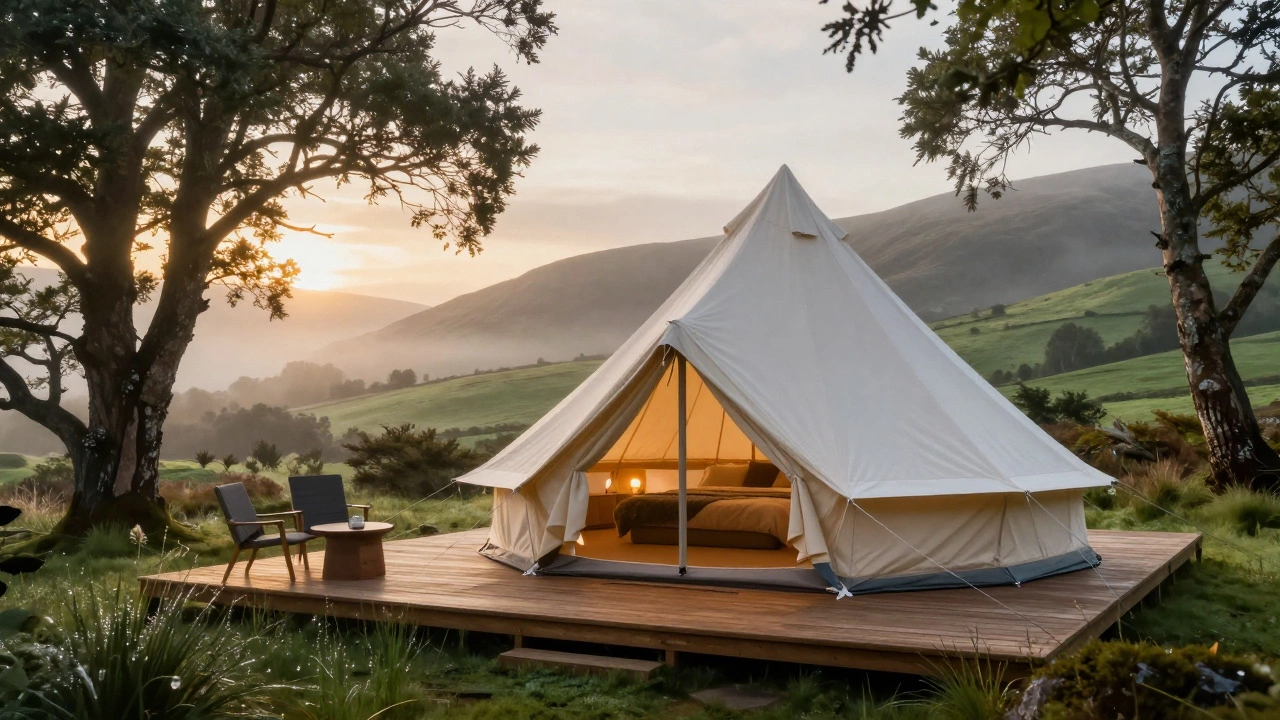
- Bell Tents and Yurts: These are the classics. Made from heavy-duty canvas, they breathe well and feel authentic. High-end versions include wooden floors, proper mattresses, and even wood-burning stoves. They connect you visually and audibly to the outside world.
- Safari Lodges: Often found in remote locations, these are raised platforms with canvas walls and large windows for viewing wildlife. They prioritize immersion and security.
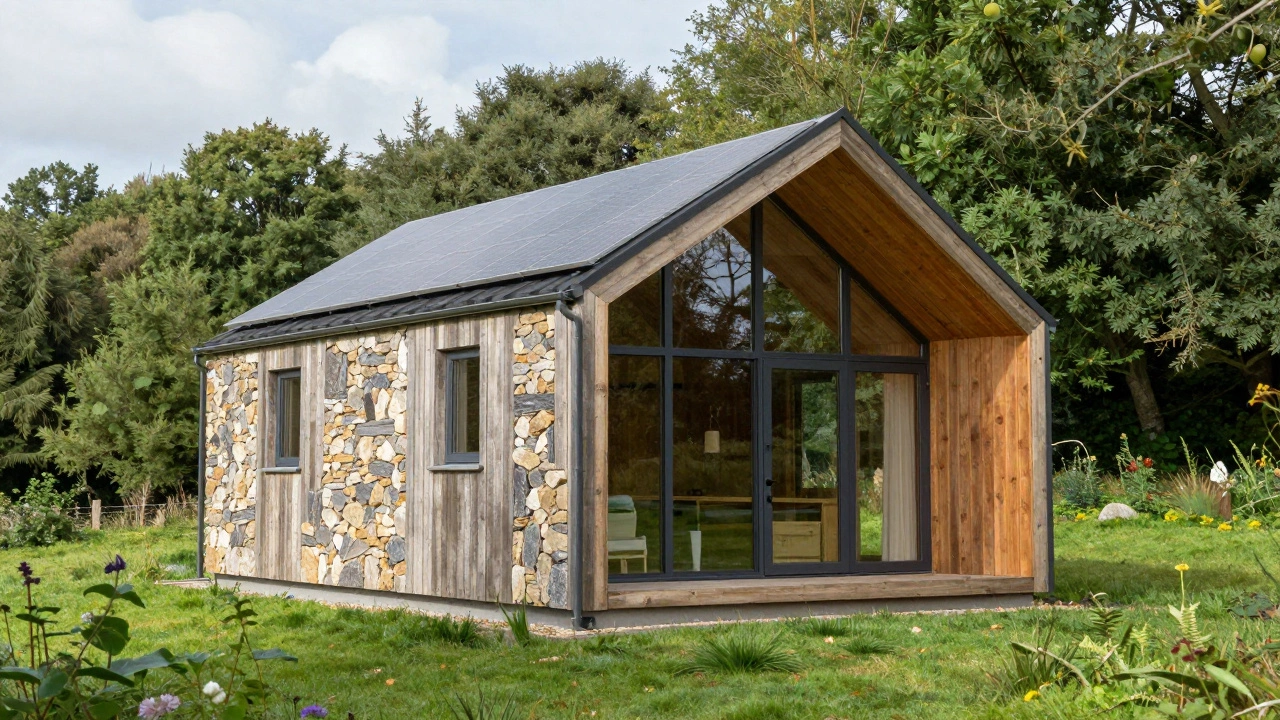
- Eco-Cottages and Cabins: Built from sustainable materials like timber or reclaimed stone, these offer more space and privacy. They often feature full kitchens, living areas, and en-suite bathrooms. This format is increasingly popular for families and couples seeking longer stays.
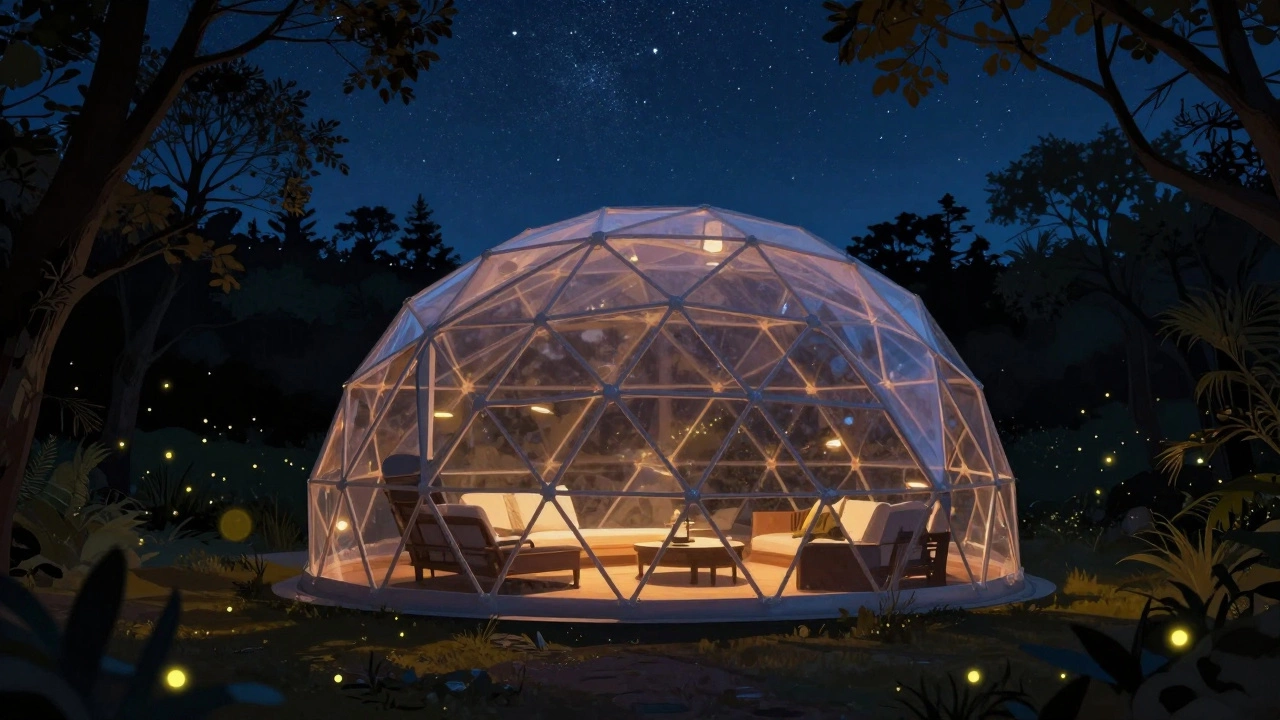
- Dome Pods and Bubble Hotels: Transparent domes allow for stargazing from bed. They are architectural marvels that blend futuristic design with natural settings.
- Converted Structures: Old barns, shepherd’s huts, and railway carriages transformed into cozy retreats. These add a layer of historical charm and unique character.
Each type offers a different balance of ruggedness and comfort. Bell tents feel closer to traditional camping, while eco-cottages function almost like small apartments. Your choice depends on how much "outdoorsiness" you want versus how much convenience you require.
The Intersection of Luxury and Sustainability
A defining characteristic of modern luxury camping is its alignment with eco-friendly principles. Many travelers today are not just looking for a pretty view; they want to ensure their stay doesn’t harm the environment. This is where eco-friendly cottages shine. Unlike mass-tourism hotels that consume vast amounts of water and energy, luxury camping sites often operate on a smaller scale with a lower carbon footprint.
Consider the construction methods. Many glamping sites use modular buildings that can be removed without leaving a trace. They utilize renewable energy sources like solar panels and wind turbines. Water systems often rely on rainwater harvesting and composting toilets or septic tanks designed for minimal leakage. Heating might come from biomass boilers fueled by local wood waste.
This approach appeals to the conscious traveler. You get the luxury of a heated bathroom and organic breakfast, but you also gain the satisfaction of knowing your stay supports conservation efforts. Many sites partner with local charities or engage in rewilding projects. For instance, a site in the Cotswolds might plant native trees around each cabin to restore biodiversity. This creates a symbiotic relationship between the guest and the land.
| Feature | Traditional Camping | Luxury Camping (Glamping) |
|---|---|---|
| Accommodation | Tent brought by guest | Furnished tent, yurt, or cottage |
| Bedding | Sleeping bag and mat | Real mattress, duvet, and pillows |
| Power | None or portable battery | Electricity, Wi-Fi, charging ports |
| Sanitation | Shared facilities or none | Private en-suite or nearby luxury bathhouse |
| Food | Cooked by guest | Kitchenette, delivery, or on-site restaurant |
| Environmental Impact | Variable, often low if Leave No Trace followed | Low impact through sustainable design and operations |
Why Choose Luxury Camping Over Hotels?
If you have money for a luxury hotel, why go camping at all? The answer lies in the quality of the experience. Hotels, no matter how luxurious, are enclosed environments. They isolate you from the surroundings. Luxury camping places you *in* the surroundings. The psychological benefits of being in nature are well-documented: reduced stress, improved mood, and better sleep quality. Luxury camping allows you to reap these benefits without the physical toll of rough camping.
There is also the element of exclusivity and intimacy. Most glamping sites are small, often hosting fewer than twenty guests. This means quieter nights, more personalized service, and a sense of community with other guests. You’re not one of thousands in a resort complex; you’re part of a curated experience. Hosts often know your name and can recommend hidden hiking trails or local pubs that don’t appear on guidebooks.
Furthermore, luxury camping encourages slower travel. Without the distractions of city life or the rigid itinerary of a package tour, you have time to read, walk, cook, and simply be. It’s a reset button for the mind. In a world dominated by screens and notifications, the simple act of watching the sunset from a hammock feels revolutionary.
Practical Tips for Booking Your First Glamping Trip
Choosing the right luxury camping spot requires some research. Not all sites labeled as "glamping" deliver the same level of comfort. Here is how to navigate the options.
- Check the Amenities List Carefully: Does "kitchen" mean a full stove and fridge, or just a microwave and kettle? Does "bathroom" mean en-suite inside your unit, or a shared facility fifty yards away? Read the fine print.
- Consider the Season: Canvas tents can get cold in winter unless they have proper insulation and heating. If you’re traveling in autumn or spring, look for solid-walled structures like eco-cottages or yurts with wood burners.
- Location Matters: Decide if you want remoteness or accessibility. Remote sites offer peace and darkness for stargazing but may require a 4x4 vehicle. Accessible sites near towns allow you to dine out and explore local attractions easily.
- Read Recent Reviews: Look for comments about cleanliness, pest control, and host responsiveness. A beautiful photo can hide maintenance issues.
- Book Early: Popular eco-friendly cottages and unique glamping spots fill up months in advance, especially for weekends and holidays.
Packing for luxury camping is simpler than traditional camping. You don’t need a tent, sleeping bag, or cooking gear. Bring comfortable clothes, books, and perhaps some personal toiletries. Think of it like packing for a boutique hotel, but with layers for cooler evenings.
The Future of Outdoor Hospitality
The trend toward luxury camping shows no signs of slowing down. As climate change becomes a greater concern, travelers are increasingly drawn to low-carbon alternatives to flying and staying in large, energy-intensive hotels. Luxury camping aligns perfectly with this shift. It promotes local economies, uses sustainable materials, and fosters a deeper appreciation for the natural world.
We are also seeing innovation in design. New materials are making temporary structures more durable and weather-resistant. Smart technology is being integrated subtly, allowing guests to control lighting and temperature via apps without disrupting the rustic aesthetic. The future of luxury camping is likely to be even more seamless, blending cutting-edge sustainability with uncompromising comfort.
Whether you are a seasoned camper looking to upgrade your experience or a hotel lover curious about the outdoors, luxury camping offers a compelling middle ground. It proves that you don’t have to choose between nature and comfort. You can have both, often in a way that respects the planet we share.
Is luxury camping suitable for children?
Yes, absolutely. Many luxury camping sites are family-friendly. They offer safe, fenced areas, child-sized bedding, and activities like scavenger hunts or nature walks. The structured environment of an eco-cottage or yurt provides a secure base for kids to explore nature without the risks associated with traditional camping setups.
Do I need to bring my own food and drinks?
It depends on the site. Some luxury camping experiences are self-catering, providing a fully equipped kitchen for you to cook your own meals. Others offer breakfast included or have on-site restaurants and bars. Always check the booking details. If it’s self-catering, it’s recommended to stock up on local produce before arriving, as shops may be far away.
How does luxury camping differ from staying in a regular holiday cottage?
The main difference is the location and the structure. Holiday cottages are often standalone houses in villages or towns. Luxury camping accommodations are situated directly within natural landscapes-forests, beaches, or fields-and often use non-traditional structures like tents, pods, or yurts. The focus is on immersion in nature rather than domestic living.
Is luxury camping expensive?
Prices vary widely. Basic glamping tents can cost similar to mid-range hotels, while high-end eco-cottages or unique pods can rival luxury hotel rates. However, you often get more value in terms of space, privacy, and unique experiences. Look for off-season deals or last-minute bookings to save money.
Are luxury camping sites pet-friendly?
Many are, but not all. Because these sites are often in sensitive natural environments, some restrict pets to protect wildlife. If you have a dog, search specifically for "pet-friendly glamping" or "dog-friendly eco-cottages." Check if there are any additional fees or restrictions, such as keeping dogs on leads at all times.