All-Inclusive Resort Tipping Calculator
Trip Details
Services Used
Tipping Summary
Breakdown by Role:
Quick Reference
- ✓ Always tip daily for housekeeping
- ✓ $1–$2 per drink at bars
- ✓ $2–$5 per sit-down meal
- ✓ Use small bills when possible
You’ve booked the dream vacation. The flights are paid for, the room is reserved, and every meal, drink, and activity is covered by one hefty upfront price tag. It feels like you can just show up, relax, and never worry about money again. But then you sit down to dinner or order a cocktail at the pool bar, and that nagging question pops into your head: Do I need to tip here? If so, how much?
The short answer is yes, you usually should tip, even though the brochure says "everything is included." The long answer depends on where you are, who you’re interacting with, and how well they take care of you. Understanding the unwritten rules of all-inclusive tipping can save you from awkward moments and ensure the staff who make your trip special are appreciated.
Why Tipping Still Matters in All-Inclusive Resorts
It’s easy to assume that because you paid a premium price, your gratuity is already baked into the bill. In some cases, it is. Many high-end resorts add a mandatory service charge to your room rate, which gets distributed among the staff. However, this distribution is rarely equal. A housekeeper might get a small fraction, while a concierge gets another. Often, these pooled tips don’t reflect individual effort.
In many popular all-inclusive destinations-like Mexico, the Caribbean, and parts of Central America-wages for hospitality staff are quite low. While the job provides stability and meals, the base pay often isn't enough to live comfortably on. Tips become a crucial part of their income. When you hand over cash directly to someone who went above and beyond, you’re not just following etiquette; you’re providing meaningful financial support.
Think of the upfront cost as buying access to the facility and the basic services. Think of tipping as rewarding the human connection and personalized service that turns a standard stay into a memorable one.
How Much Should You Tip? The General Rules
There is no single global standard, but there are widely accepted ranges that work in most regions. Since currency exchange rates fluctuate, it’s best to think in terms of local currency equivalents or small US dollar bills if you're traveling in the Americas.
| Role | Daily/Per Service Tip | When to Tip |
|---|---|---|
| Housekeeping | $3-$5 per day | Leave it on the pillow or nightstand each morning, clearly marked as a tip. |
| Bartenders | $1-$2 per drink | Hand it over when you receive your drink, especially during peak hours. |
| Servers | $2-$5 per meal | At the end of the meal, leave it on the table or hand it directly. |
| Room Service | $2-$5 per delivery | Hand it to the server when they drop off your food. |
| Concierge/Bellhop | $1-$2 per bag or favor | Immediately upon receiving help with luggage or reservations. |
| Tour Guides | $5-$10 per person | At the end of the excursion, based on group size and quality. |
If you receive exceptional service throughout your entire stay, consider giving a larger lump sum at checkout to your favorite bartender or server. For example, leaving $20-$50 for a bartender who remembered your name and drink order every time can be a huge gesture.
Regional Differences: Where You Go Changes How You Tip
Tipping culture varies significantly around the world. What is considered generous in one country might be seen as insulting or unnecessary in another.
The Americas (Caribbean, Mexico, Central America)
In these regions, tipping is expected and appreciated. Most resorts operate in US dollars or local currencies pegged closely to it. Small bills ($1, $5) are king. Staff will happily accept tips, and it’s common practice. If you’re visiting Cuba, note that currency rules can be complex, so check current regulations before bringing cash.
Europe (Mediterranean, Greece, Turkey)
In Europe, service charges are more likely to be included in the final bill by law or custom. In countries like France or Italy, a "service compris" line item means tipping isn’t mandatory. However, in all-inclusive resorts in Turkey or Greece, a small tip of €1-€2 for good service is still a nice touch, though not strictly required. Rounding up the bill is sufficient in many European contexts.
Asia (Thailand, Maldives, Bali)
In Thailand and Bali, tipping is becoming more common due to tourism, but it’s not deeply rooted in tradition. A small tip of 50-100 baht or equivalent is appreciated for excellent service. In the Maldives, which often caters to luxury travelers, tipping is more aligned with Western standards, so $1-$2 per drink or meal is appropriate.
Africa (Zanzibar, Cape Town)
In Zanzibar, tipping is customary. Staff appreciate USD or Euros. In South Africa, service charges are often included, but additional tips for outstanding service are welcome.

Who Gets Tipped? A Breakdown by Role
Not everyone needs a tip, but knowing who does can enhance your experience. Here’s a deeper look at specific roles:
Housekeeping Staff
Your housekeeper works hard to keep your room clean, restock towels, and provide amenities. They often have large rooms to manage. Leaving $3-$5 daily ensures the person cleaning your room today gets the reward. If you leave it only at the end of the trip, a different worker might get it, or it might go into a general pool.
Bartenders
This is where most people spend their tipping budget. Bartenders are busy, especially during happy hour. Tipping $1-$2 per drink helps prioritize your order. If you’re sitting at the same bar all week, building a rapport with one bartender and tipping them consistently can lead to better service and faster refills.
Restaurant Servers
All-inclusive restaurants can range from casual buffets to fine dining. For buffet-style meals, a tip isn’t always necessary unless someone clears your plate or brings coffee. For table-service restaurants, treat it like a normal restaurant: $2-$5 per meal depending on the level of service.
Activity Coordinators and Tour Guides
If you book excursions through the resort, the guide’s income may rely heavily on tips. After a great snorkeling tour or cultural hike, a tip of $5-$10 per person shows appreciation for their knowledge and safety management.
Currency and Logistics: What Cash to Bring
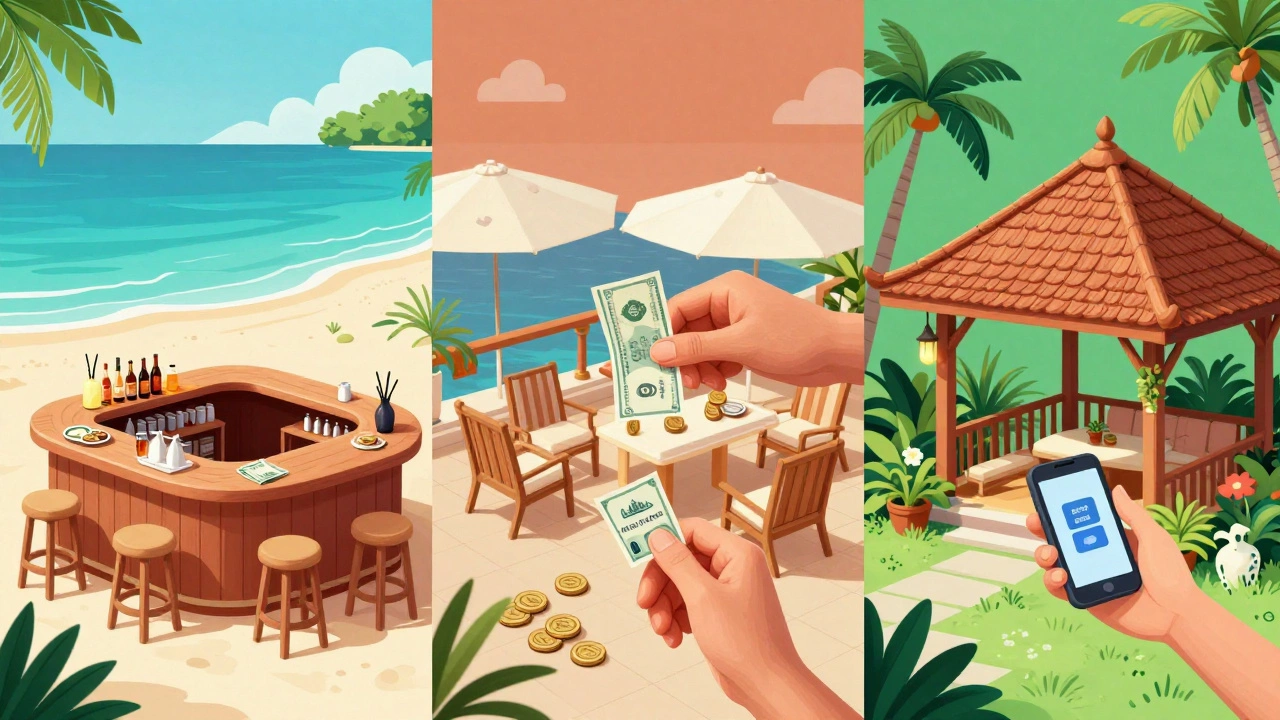
Credit cards are convenient, but cash is king for tipping. Here’s why:
- Immediate Gratification: Handing over cash creates a personal moment of thanks. It’s direct and tangible.
- Staff Access: Not all staff members have easy access to credit card tips. Sometimes tips collected via card are held back or distributed months later. Cash goes straight into their pocket.
- Currency Choice: In the Caribbean and Mexico, US dollars are widely accepted and preferred. In Europe, bring Euros or Pounds. In Asia, bring the local currency or USD. Avoid bringing coins unless they are significant amounts; small change can be difficult for staff to use.
Pro tip: Exchange a small amount of money at home or withdraw local currency from an ATM upon arrival. This avoids poor exchange rates at airport kiosks. Keep small bills separate in your wallet for easy access.
Common Mistakes to Avoid
Even well-meaning travelers can slip up. Here are a few pitfalls to watch out for:
- Over-tipping early: Don’t blow your entire tip budget on the first day. Spread it out so you can reward consistent service throughout the week.
- Ignoring non-drink staff: It’s easy to focus on bartenders because you interact with them constantly. Don’t forget the housekeepers, bellhops, and maintenance staff who keep the resort running smoothly.
- Using large bills: Giving a $100 bill for a $1 tip forces the staff to find change, which can be difficult and embarrassing. Stick to small denominations.
- Assuming no tip is needed: Just because it’s "all-inclusive" doesn’t mean staff don’t rely on tips. Err on the side of generosity if you’re unsure.
Is Tipping Mandatory?
Legally, no. You won’t be arrested for not tipping. However, socially and practically, it’s strongly encouraged. If you choose not to tip, be prepared for potentially slower service or less personalized attention. Remember, you’re paying for the privilege of being served, but tips incentivize excellence.
Some resorts explicitly state that tipping is prohibited. In these rare cases, respect the policy. These hotels often pay higher wages to eliminate the need for tips. Check your confirmation email or ask at the front desk upon arrival.
Should I tip if service is bad?
If service is genuinely poor, you are not obligated to tip. However, try to address the issue with the manager first. Sometimes staff are having a bad day or are understaffed. If the problem persists, skipping the tip is a reasonable response. Never leave a negative tip or write insults on bills; it’s unprofessional and hurts the staff member’s dignity.
Can I add tips to my room bill?
Yes, many resorts allow you to add a daily gratuity to your room charge. This is convenient, but it lacks the personal touch of handing cash directly to the person who helped you. Additionally, pooled tips may not reach the individuals who provided exceptional service. Use this method for housekeeping or general staff, but keep cash for bartenders and servers.
What if I run out of small bills?
Ask the front desk or concierge to break larger bills for you. Most resorts are happy to help. Alternatively, you can tip slightly more generously with a larger bill if the service was exceptional, ensuring you say it’s a tip so they don’t feel pressured to find change immediately.
Do children need to tip?
Children don’t need to tip, but parents should cover tips for their family’s service. If your child interacts extensively with animators or camp counselors, a small token of appreciation from the parent is a nice gesture, but not required.
Is it rude to ask how much to tip?
Not at all. It’s perfectly acceptable to ask the concierge or front desk staff about local tipping customs upon arrival. They’ll appreciate your interest in respecting their culture and economy.