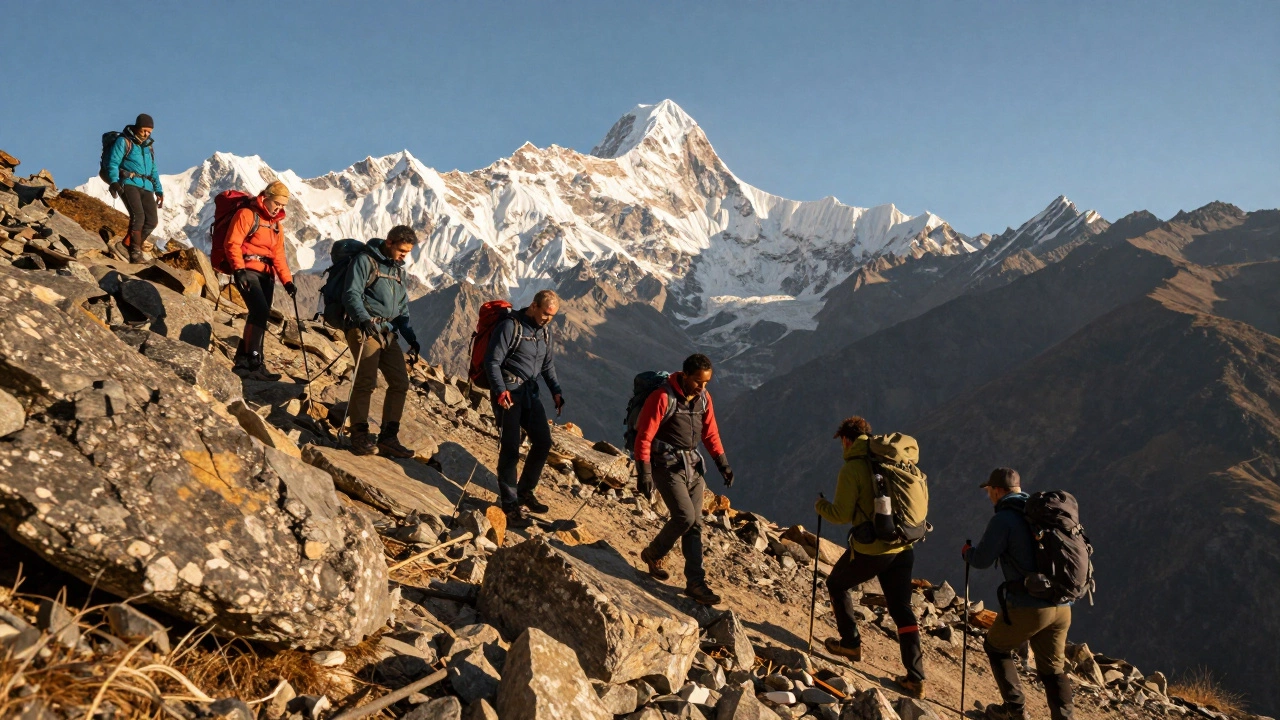
Adventure Holiday Finder 2026
Configure Your Adventure
There is no single "best" adventure. If you are looking for a heart-pounding rush, hiking Kilimanjaro might be your dream. But if you want to disconnect and reconnect with nature, kayaking through fjords in Norway could be exactly what you need. The right trip depends entirely on your fitness level, budget, and what kind of thrill you are chasing.
In 2026, adventure travel has shifted. It’s not just about ticking boxes or getting that one epic photo. It’s about immersion. You want to feel the cold spray of a waterfall, taste the local food after a long day on the trail, and maybe meet people who live off the land. Whether you have two weeks or just a long weekend, there is an adventure out there that fits your life.
Define Your Adventure Style
Before you book anything, you need to know what you are signing up for. "Adventure" is a broad term. For some, it means sleeping in a tent at -10°C. For others, it means riding a zip-line over a jungle canopy while staying in a luxury lodge afterward. Let’s break down the main types so you can pick yours.
- The Adrenaline Junkie: You want speed, height, and danger. Think white-water rafting Class IV+ rapids, bungee jumping, or rock climbing on sheer faces. You recover quickly and crave the next hit of dopamine.
- The Explorer: You want discovery. Trekking through ancient ruins, diving in uncharted reefs, or cycling across continents. The goal is seeing places most tourists miss.
- The Nature Immersionist: You want silence and scale. Safari game drives, glacier walking, or bird watching in remote wetlands. The pace is slow, but the impact is deep.
- The Cultural Adventurer: You want human connection. Homestays in rural villages, cooking classes with locals, or joining traditional festivals. The landscape is beautiful, but the people are the highlight.
Knowing which bucket you fall into saves you from booking a hardcore trek when you really wanted a scenic hike with a nice dinner at the end.
Top Adventure Destinations for 2026
Based on current trends, weather patterns, and accessibility, here are five standout destinations this year. Each offers a different flavor of adventure.
| Destination | Primary Activity | Fitness Level | Best Time to Go | Budget Range (per person) |
|---|---|---|---|---|
| Iceland | Glacier Hiking & Northern Lights | Moderate | June - August / Sept - March | £1,500 - £3,000 |
| Nepal | Trekking (Everest Base Camp) | High | Oct - Nov / Mar - Apr | £800 - £2,500 |
| New Zealand | Bungee, Jet Boating, Hiking | Low to High | Dec - Feb (Summer) | £2,000 - £4,000 |
| Costa Rica | Ziplining, Surfing, Wildlife | Moderate | Dec - April (Dry Season) | £1,200 - £2,800 |
| Tanzania | Safari & Kilimanjaro Climb | High (Climb) / Low (Safari) | Jun - Oct / Jan - Mar | £1,500 - £5,000+ |
1. Iceland: Fire and Ice
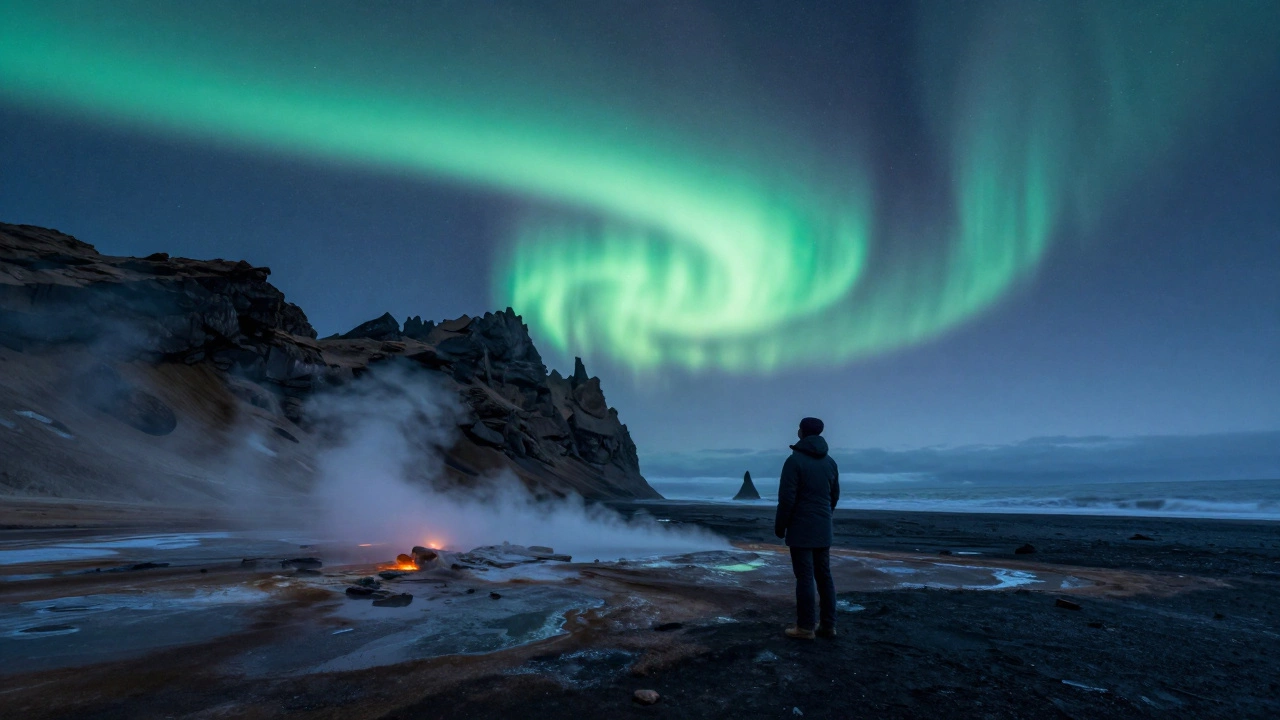
If you want landscapes that look like another planet, go to Iceland. In summer, you have midnight sun and accessible highland trails. In winter, you chase the Northern Lights and walk on ice caves. The key here is versatility. You can spend one day hiking volcanic craters and the next relaxing in geothermal hot springs. It’s expensive, but the infrastructure is excellent, making it safe for first-time adventurers.
2. Nepal: The Roof of the World
Nepal remains the king of trekking. The Everest Base Camp trek is iconic for a reason. You don’t need to be an elite athlete, but you do need stamina. The altitude is the real challenge, not the distance. Tea houses along the route provide basic comfort and warm meals, which makes it accessible. The cultural aspect is huge too-you pass through Sherpa villages where hospitality is genuine and profound.
3. New Zealand: The Adventure Capital
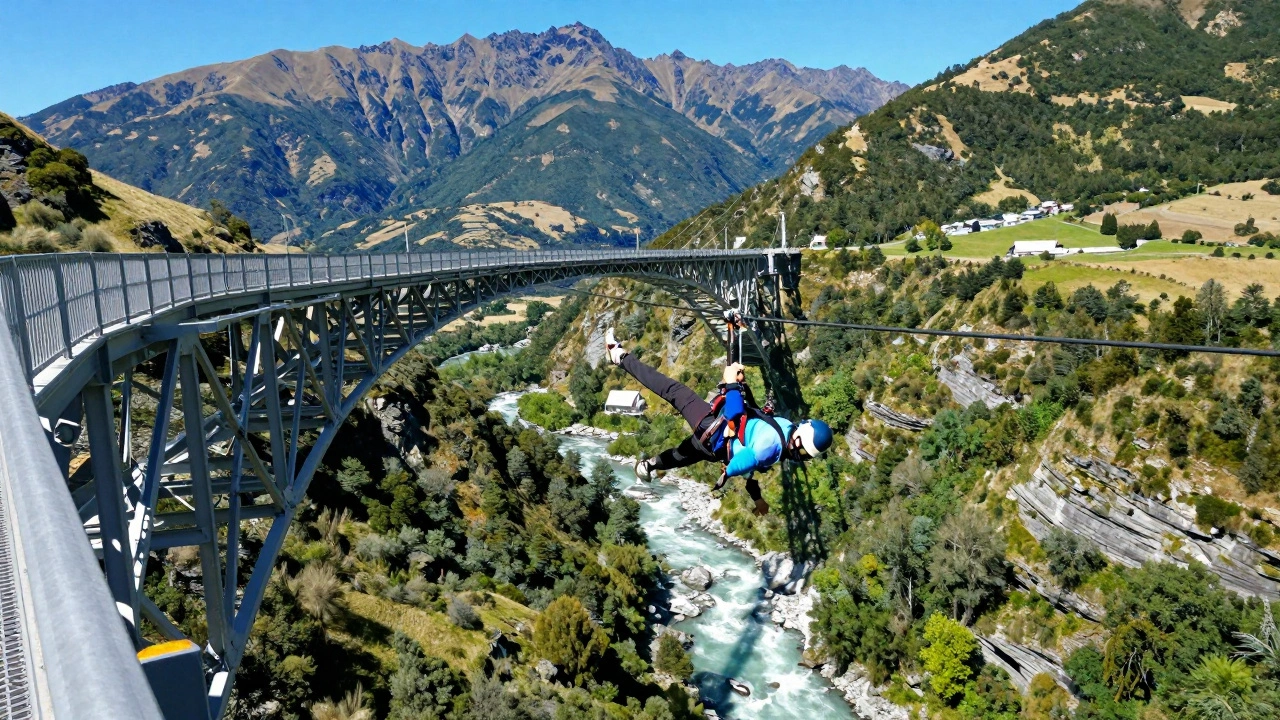
New Zealand invented commercial adventure tourism. Queenstown is the hub. If you want to try everything-bungee jumping, skydiving, jet boating, mountain biking-all in one place, this is it. But beyond the adrenaline, the Milford Sound hikes and Abel Tasman Coast Track offer world-class scenery. It’s pricey, especially flights, but the quality of operations is unmatched.
4. Costa Rica: Eco-Adventure
Costa Rica balances thrills with sustainability. You can surf in Santa Teresa, zipline through cloud forests in Monteverde, and spot sloths in Corcovado National Park. The country is small, so you can pack a lot into two weeks. It’s also very family-friendly. If you want adventure without feeling like you’re in a war zone or facing extreme isolation, this is a great middle ground.
5. Tanzania: Wildlife and Peaks
Combine a safari with a climb. See lions on the Serengeti, then fly to Moshi to tackle Mount Kilimanjaro. Or just do the safari if you prefer low physical exertion. The Great Migration is a spectacle that changes month by month. Timing is critical here. Going during the rainy season might mean fewer crowds but also missed wildlife sightings due to mud and vegetation.
How to Choose Based on Your Constraints
You probably have limits. Time, money, and fitness are the big three. Let’s address them.
Time Shortage
If you only have a long weekend, stop dreaming about crossing Patagonia. Look locally. The Lake District in England, the Dolomites in Italy, or even a national park within driving distance. Day hikes, caving, or whitewater rafting can be done in 24 hours. The key is intensity over duration.
Budget Limits
Adventure doesn’t have to cost a fortune. Southeast Asia is still one of the cheapest regions for trekking and diving. Vietnam, Thailand, and Indonesia offer incredible value. Hostels are clean, food is cheap, and tours are affordable. In contrast, places like Switzerland or New Zealand will drain your wallet quickly. If budget is tight, prioritize destinations with low costs of living rather than expensive operator-led trips.
Fitness Levels
Be honest with yourself. If you haven’t exercised in years, don’t sign up for a multi-day trek at 4,000 meters. Start with guided day hikes or cycling tours. Many operators offer "easy" versions of popular routes. For example, instead of full Everest Base Camp, do the Namche Bazaar day trip. It gives you the Himalayan view without the week-long commitment.
Essential Gear and Preparation
You don’t need the most expensive gear, but you do need the right gear. Here’s what matters.
- Footwear: Break in your boots before you go. Blisters will ruin any adventure. Invest in good socks (merino wool) and tape.
- Layering System: Weather changes fast. Base layer (moisture-wicking), mid-layer (insulation), outer layer (wind/waterproof). Cotton kills-it stays wet and cold. Avoid it.
- Navigation: Download offline maps. GPS devices fail; batteries die. A physical map and compass are backups, not relics.
- First Aid Kit: Include blister care, painkillers, antiseptics, and any personal meds. Know how to use them.
- Insurance: Standard travel insurance often excludes "high-risk" activities. Check the fine print. If you plan to ski, dive, or climb above a certain height, you need specialized coverage.
Safety First: Common Pitfalls
Adventure involves risk. That’s part of the appeal. But unnecessary risk is stupid. Here’s how to stay safe.
Don’t underestimate altitude sickness. It can kill. Ascend slowly. Drink water. Recognize symptoms: headache, nausea, dizziness. If they get worse, descend immediately. No ego.
Check weather forecasts religiously. Mountain weather is unpredictable. A clear morning can turn into a storm by afternoon. Have an exit strategy. Know where shelters are.
Respect local guides. They know the terrain, the culture, and the risks. If they say it’s unsafe, listen. They’ve been doing this longer than you’ve been alive.
Leave no trace. Adventure tourism damages environments if not managed well. Pack out all trash. Stay on trails. Don’t feed wildlife. Protect the places you love so others can enjoy them too.
Planning Your Trip: Step-by-Step
Once you’ve picked a destination, follow these steps to ensure a smooth experience.
- Research Visa Requirements: Some countries require visas in advance. Others offer visas on arrival. Check government websites, not just travel blogs.
- Book Flights Early: Prices rise as dates approach. Use price alert tools. Flexibility with dates can save hundreds.
- Choose Accommodation Wisely: For treks, tea houses or camps are standard. For city-based adventures, hostels or guesthouses near transport hubs make sense.
- Hire Reputable Operators: Read reviews. Check certifications. Avoid companies with no safety record. Ask questions about group size, guide qualifications, and emergency protocols.
- Pack Light: You’ll carry your bag. Every ounce counts. Only bring essentials. Buy souvenirs later.
Final Thoughts on Finding Your Best Adventure
The best adventure is the one that challenges you just enough to grow, but not so much that you break. It’s the one that leaves you tired but happy, scared but alive, and connected to something bigger than yourself. Whether you’re scaling a peak, diving a reef, or simply walking through a foreign market, the goal is the same: to come home changed.
Start small if you must. Build confidence. Then go further. The world is waiting, and 2026 is a great year to explore it responsibly.
What is the safest adventure holiday for beginners?
Costa Rica is widely considered one of the safest options for beginners. It offers structured activities like ziplining and surfing with certified instructors, excellent eco-lodges, and a stable political environment. The infrastructure supports tourists well, and medical facilities are accessible in major towns.
How much does an average adventure holiday cost?
Costs vary wildly. A budget trek in Nepal can cost £800-£1,500 including flights and gear rental. A luxury safari in Tanzania can exceed £5,000. Mid-range options like Iceland or New Zealand typically run £2,000-£3,500 per person for a two-week trip, excluding international flights.
Do I need to be fit to go on an adventure holiday?
It depends on the activity. Safari drives or cultural tours require minimal fitness. Trekking, climbing, and white-water rafting demand moderate to high fitness levels. Most reputable operators list required fitness levels clearly. If unsure, start with day hikes or guided tours to build endurance.
Is adventure travel safe for solo travelers?
Yes, many adventure holidays cater to solo travelers. Group tours are particularly popular because they allow you to join others. Just research destinations carefully, avoid isolated areas without support, and keep family/friends updated on your itinerary. Joining established tour groups adds a layer of security.
What should I pack for an adventure holiday?
Essentials include broken-in hiking boots, moisture-wicking clothing layers, a waterproof jacket, a reliable backpack, headlamp, sunscreen, insect repellent, and a basic first aid kit. Always check specific requirements for your destination (e.g., crampons for glaciers). Pack light and versatile items that can be layered.
When is the best time to go on an adventure holiday?
Timing depends on the destination and activity. Northern hemisphere mountains are best in summer (June-August). Southern hemisphere adventures (New Zealand, Patagonia) peak in December-February. Tropical rainforests have dry seasons ideal for trekking (often Dec-Apr). Always check seasonal weather patterns and wildlife migration schedules.
Can I take children on an adventure holiday?
Absolutely. Many operators offer family-friendly packages. Costa Rica, South Africa (safaris), and parts of Europe (hiking trails) are great for kids. Choose shorter days, lower altitudes, and activities with high engagement. Ensure the tour company has experience handling children and appropriate safety measures.