City Break Budget Calculator
Estimate costs for a 3-day trip using real data from the best budget cities in 2026
When you hear "city break," you might picture expensive hotels, overpriced coffee, and lines at every museum. But what if the best city break doesn’t cost a fortune? In 2026, you can still find vibrant, walkable cities with rich culture, great food, and low prices-no luxury resort required. The trick isn’t waiting for a sale. It’s knowing where to go and when.
Why City Breaks Are Still the Best Budget Option
Compared to beach resorts or countryside stays, city breaks give you more for less. You don’t need a rental car. Public transport works. Meals at local bakeries cost less than a single cocktail at a tourist bar. And many museums, parks, and neighborhoods are free to explore.
In 2025, a study by the European Travel Commission found that travelers who chose city breaks spent 40% less on average than those booking all-inclusive resorts. Why? Cities have dense options. You can eat like a local for €5, ride a bike instead of a taxi, and find free walking tours that run every day. It’s not about cutting corners-it’s about choosing smarter.
The Top 5 Best City Breaks for Cheap Holidays in 2026
Here are the five cities that consistently deliver the most value in 2026, based on real traveler spending data, accommodation rates, and local cost of living.
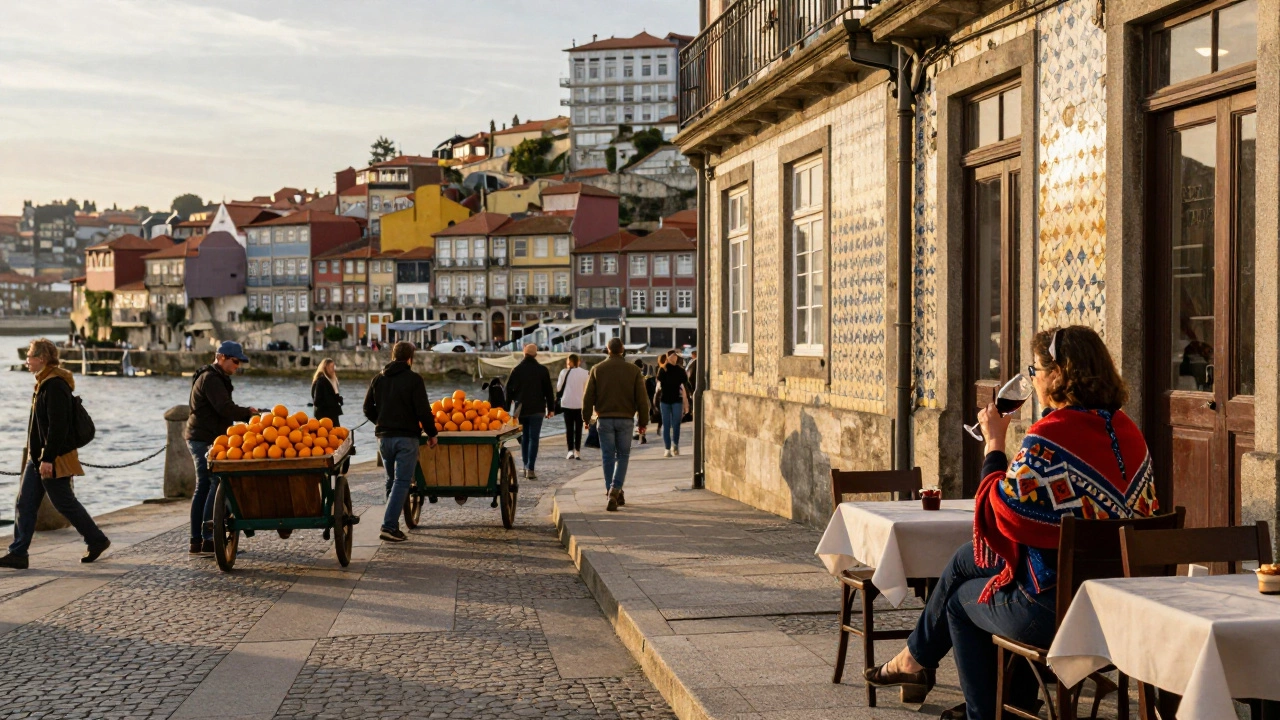
- Porto, Portugal - Known for wine, not prices. A double room in the historic Ribeira district starts at €65/night. A meal of grilled sardines and local wine costs under €12. The city’s metro is clean, cheap, and connects everything. Free walking tours run daily at 10 a.m. and 3 p.m. You can walk from the river to the cathedral in 15 minutes.
- Łódź, Poland - A surprise hit. Once an industrial hub, it’s now a hub for street art, indie cafes, and design studios. Hostels start at €18/night. A full breakfast with pancakes and coffee runs €4. The Central Museum is free on Sundays. Trams cost €0.90 per ride. No one expects tourists here-so prices stay real.
- Budapest, Hungary - Still one of Europe’s best bargains. A thermal bath entry (like Széchenyi) is €22-less than a spa treatment elsewhere. A 3-course dinner with wine is €15. Hostels go for €20/night. The city is walkable, and the metro is 100 years old but still works perfectly. Don’t miss the ruin bars in District VII-they’re cheap, lively, and local.
- Lisbon, Portugal - Yes, it’s more popular than Porto, but it’s still affordable if you avoid the tourist traps. Stay in Alfama or Mouraria. A Fado dinner with wine? €25. A tram ticket? €1.80. The elevator to São Jorge Castle is €10, but you can hike up for free and get the same view. Supermarkets like Pingo Doce have fresh bread, cheese, and fruit for under €10 total.
- Kraków, Poland - The old town is a UNESCO site, and it’s free to wander. A private room in a guesthouse? €35/night. Pierogi at a family-run spot? €3.50. The Wieliczka Salt Mine is €28-less than half the price of similar attractions in Italy or France. Trains to nearby towns like Auschwitz are €10 round-trip.
What Makes These Cities Work for Budget Travelers
These places don’t just have low prices-they have systems built for locals, not just tourists. That’s the key difference.
In Porto, you’ll see elderly women selling oranges from carts on the street. In Łódź, students hang out in converted factories turned cafés. In Budapest, grandmothers sell homemade plum jam outside metro stations. Tourists get the same food, same service, same beauty-but without the inflated markup.
These cities also have:
- Free walking tours (tip-based, so you pay what you can)
- Public transport passes that cover trains, trams, and buses for €5-€10/day
- Museums with free entry on certain days (usually first Sunday of the month)
- Markets where you can buy fresh produce, cheese, and bread for a picnic
- Hostels with kitchens so you can cook one meal a day
They’re not "budget" because they’re dull. They’re budget because they’re real.

When to Go for the Best Deals
Timing matters more than you think. Avoid holidays, school breaks, and big festivals if you want low prices.
In 2026, the cheapest months for these cities are:
- January to March - Cold, quiet, and cheapest. Hotels drop 30-50% after New Year’s.
- November - After Halloween, before Christmas. Fewer crowds, same charm.
- Early December - Before the holiday rush hits. Christmas markets start, but prices haven’t spiked yet.
Even in summer, avoid weekends. Fly in on a Tuesday, leave on a Friday. Hotels charge less midweek. Trains are less crowded. You get the city to yourself.
What to Skip to Save Money
Some things seem like must-dos-but they’re money traps.
- Guided tours that charge €40+ - Use free ones instead. They’re led by locals, often more interesting, and you tip what you want.
- Restaurants with menus in 5 languages - Walk one street back from the main square. Find the place where the staff speaks only the local language. That’s where the food is best and cheapest.
- ATM fees - Withdraw cash from bank ATMs, not airport or tourist kiosks. Use a card with no foreign transaction fees (like Revolut or N26).
- Hotel breakfast buffets - Buy a croissant and coffee from a bakery for €2.50. It’s fresher and cheaper.

How to Plan a Cheap City Break in 3 Steps
Stop overthinking it. Here’s how to do it right:
- Pick your city - Choose one from the list above. Don’t try to do three. Focus on one.
- Book early, but not too early - Book flights 6-8 weeks out. Book accommodation 3-4 weeks out. Prices stabilize then. Use Google Flights to track price drops.
- Plan one paid activity - Pick one thing you really want to see (a museum, a bath, a tour). Everything else? Walk, explore, eat local. You’ll remember the street corners more than the ticketed sights.
What You’ll Get That’s Worth More Than Money
A cheap city break isn’t just about saving cash. It’s about connection.
You’ll sit on a bench in Kraków’s Main Square and hear a man play the accordion for change. You’ll share a table with a Polish student in Łódź who tells you about his favorite hidden bookstore. You’ll buy a bottle of port wine in Porto from a woman who remembers your name the next day.
These moments don’t cost much. But they stay with you longer than any five-star resort.
What is the cheapest city break in Europe right now?
As of early 2026, Łódź in Poland is the cheapest major European city break. A full weekend (flight, stay, food, transport) can cost under €180 if booked smartly. Porto and Kraków follow closely behind, with weekend trips starting around €220. All three offer rich culture, safety, and easy public transport.
Is it safe to travel to these cities alone?
Yes. All five cities-Porto, Łódź, Budapest, Lisbon, and Kraków-are among the safest in Europe for solo travelers. Crime rates are low, locals are helpful, and public transport is reliable. Avoid poorly lit areas late at night, as you would anywhere. But walking around during the day is perfectly safe.
Can I do a city break on a €100 budget?
It’s possible, but only if you’re flexible. You’d need to fly into a nearby airport and take a budget bus (like FlixBus), stay in a dorm bed, eat only street food, and skip all paid attractions. For example, a €100 budget could work for a 3-day trip to Łódź if you book a €25 flight, €15 hostel, and eat €5 meals. But you’ll miss out on some experiences. A more realistic budget is €180-€250.
Do I need to speak the local language?
No, but it helps. In Porto, Lisbon, and Budapest, many people speak English, especially in tourist areas. In Łódź and Kraków, fewer do-but most young people understand basic English. Learn three phrases: "Hello," "Thank you," and "How much?" Locals appreciate the effort, and it opens doors. Translation apps work fine for menus and signs.
What’s the best way to get around these cities?
Walk. Seriously. All five cities are compact enough to explore on foot. For longer trips, use public transport. Buy a daily pass-€5-€10 covers unlimited rides. Avoid taxis unless you’re going to the airport. In Budapest and Kraków, trams are fast and scenic. In Lisbon, take the vintage tram 28-it’s a ride, not just transport.
Next Steps: Start Planning Your Break
Don’t wait for the perfect time. The best city break is the one you take next month. Pick one city from this list. Check flight prices for next Tuesday. Look at hostels on Booking.com with free cancellation. Book it. Then, pack light. Leave room for a bottle of wine, a loaf of bread, and a memory you didn’t know you needed.