Flight Price Estimator
Best Booking Window
Cheapest Booking Days
If you’ve ever stared at your screen wondering why a flight to Spain costs £400 one day and £180 the next, you’re not alone. The truth is, there’s no magic button that always drops prices-but there are patterns. And if you know them, you can save serious cash on your next holiday.
Midweek flights are usually cheaper
Tuesday and Wednesday are consistently the cheapest days to buy plane tickets. This isn’t a myth-it’s backed by data from airlines and booking platforms. Why? Because most people book weekend getaways on Friday, and business travelers book last-minute flights on Monday. That leaves Tuesday and Wednesday with fewer buyers, so airlines drop prices to fill seats.Back in 2024, Hopper analyzed over 2 billion flight searches and found that Tuesday afternoon was the single best time to book. On average, fares were 5-10% lower than on weekends. That’s £30-£60 saved on a return flight to Portugal or Greece.
Don’t wait for ‘Black Friday’ deals
Lots of blogs tell you to wait for Black Friday or Cyber Monday to score the best flight deals. That’s misleading. While airlines do run promotions then, those deals are often limited to specific routes, and they sell out in minutes. If you’re planning a holiday for next summer, waiting until November means you’ll miss the early-bird discounts that start appearing as early as January.Here’s what actually works: book 2-4 months in advance for European trips. For longer hauls like the U.S. or Southeast Asia, aim for 4-6 months out. Airlines release their lowest fares in waves, and the first wave hits around 120 days before departure. Set a reminder. Check once a week. When you see a price that fits your budget, book it. Don’t gamble on a lower fare that might never come.
Use incognito mode-but don’t overthink it
You’ve heard the story: if you search for flights multiple times, airlines track you and raise prices. It sounds smart, but it’s mostly a myth. Airlines don’t change prices based on your browsing history. They change prices based on demand, seat availability, and how close it is to departure.Still, using incognito mode doesn’t hurt. It removes cookies that might show you higher prices based on past searches. But don’t spend hours refreshing pages. The real savings come from timing your purchase, not your browser settings.
Flexible dates = bigger savings
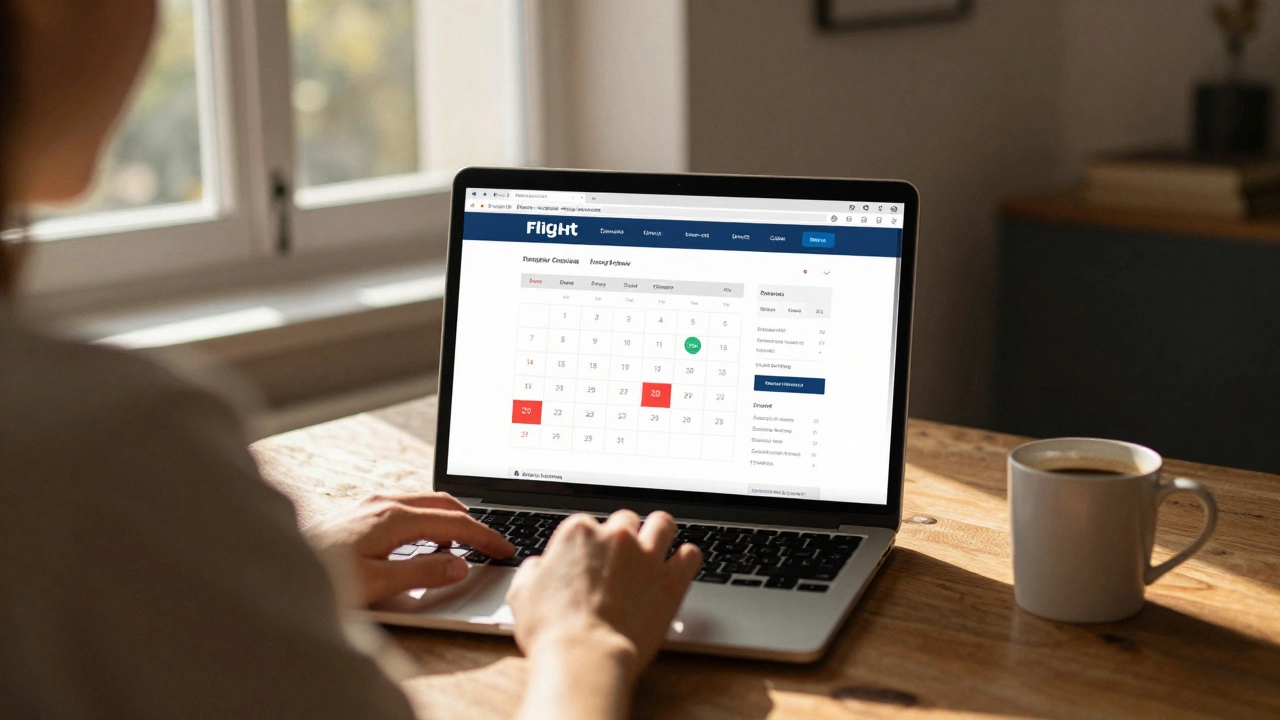
If you can shift your travel dates by a day or two, you’ll see huge differences. For example, flying out on a Thursday instead of a Friday can cut your fare by 20%. Flying back on a Tuesday instead of a Sunday? Another 15% off.Use tools like Google Flights’ date grid or Skyscanner’s ‘whole month’ view. These show you a calendar with color-coded prices. Look for the greenest days-those are your cheapest options. One family from Bath booked a trip to Budapest for £112 return by switching from a Saturday departure to a Wednesday. That’s less than the cost of a takeaway dinner.
Avoid peak holiday periods
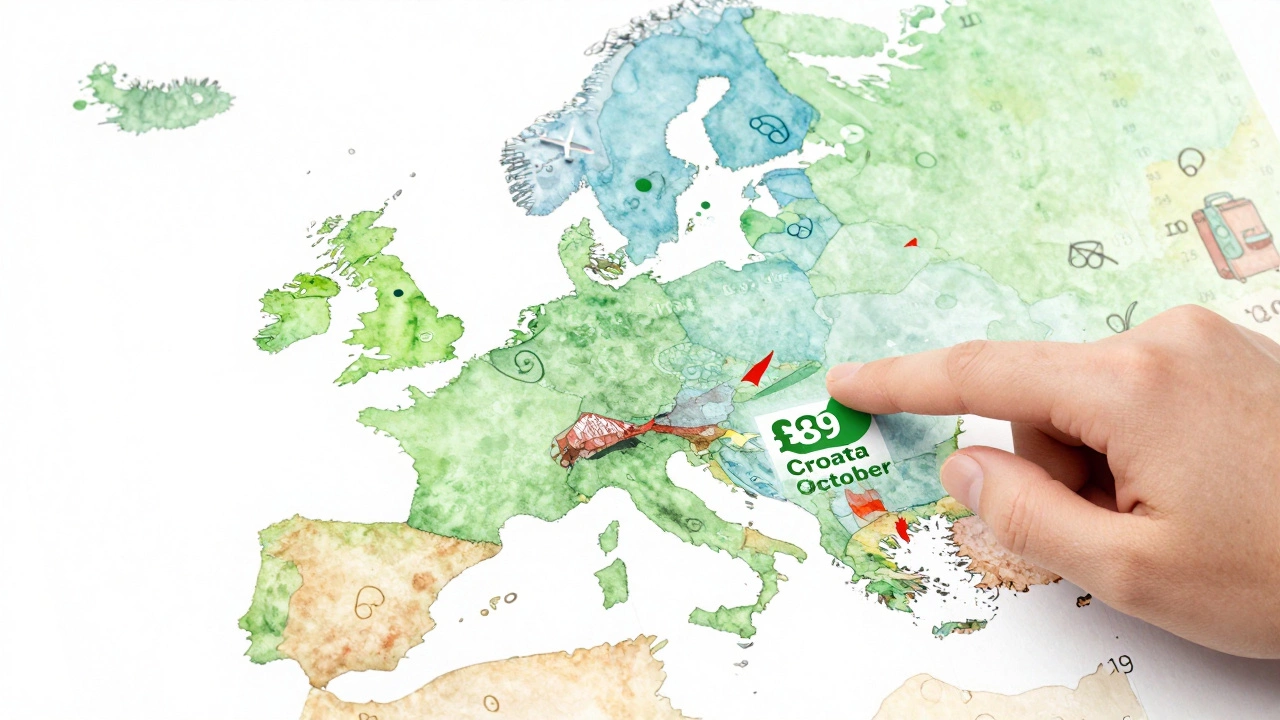
The cheapest days to fly aren’t always the cheapest days to travel. If you’re planning a Christmas holiday, don’t expect low prices on December 20th. Same goes for Easter, summer school breaks, and New Year’s Eve. Airlines know you’ll pay more because you have no choice.Instead, aim for the shoulder seasons. For Europe, that’s late March to early April, or September to mid-October. You’ll get decent weather, fewer crowds, and fares that are 30-50% lower than peak summer. One traveler booked a flight to Croatia for £89 in October-same route, same airline, that same flight cost £210 in July.
Book directly after comparing
Aggregators like Expedia or Skyscanner are great for finding deals. But once you find a good fare, go straight to the airline’s website to book. Third-party sites sometimes add hidden fees, and if something goes wrong-delay, cancellation, lost bag-you’ll be stuck jumping between two companies to fix it.Airlines offer better customer service when you book direct. Plus, they’ll often match or beat third-party prices if you call and ask. One person in Bath saved £45 just by calling EasyJet after finding a lower fare on a comparison site.
Set price alerts-but know their limits
Price alerts are useful, but they’re not crystal balls. They’ll tell you when a fare drops from £300 to £270. But they won’t warn you when a flight is about to sell out entirely.Use them to track trends, not to wait for the ‘perfect’ price. If your alert says a flight to Rome has been steady at £160 for three weeks, that’s your signal. It’s not going lower. Book it.
What about last-minute deals?
Last-minute deals exist, but they’re risky. They’re not the rule-they’re the exception. Airlines only drop prices at the last minute if seats are still empty. That means:- You might not get your preferred airport or departure time
- There’s no guarantee you’ll find a good price
- You’ll pay more for flexibility if you need to change plans
If you’re flexible, spontaneous, and okay with flying midweek from a regional airport, last-minute bookings can work. But if you’re planning a family holiday or need to be at your destination on a specific day, don’t count on it.
Regional airports can save you hundreds
Flying from Bristol instead of Heathrow? Or from Manchester instead of Gatwick? You might save £50-£150 per person. Smaller airports have less demand, lower landing fees, and more competition among budget airlines.Just make sure you factor in the cost of transport to the airport. A £100 flight from Liverpool might not be worth it if you’re spending £80 on a train ticket from Bath. Use a route planner to compare total travel cost-not just the ticket price.
Final tip: Check the fine print
The cheapest ticket isn’t always the best deal. Some ultra-low fares don’t include:- Checked baggage
- Seat selection
- Boarding passes
- Refunds or changes
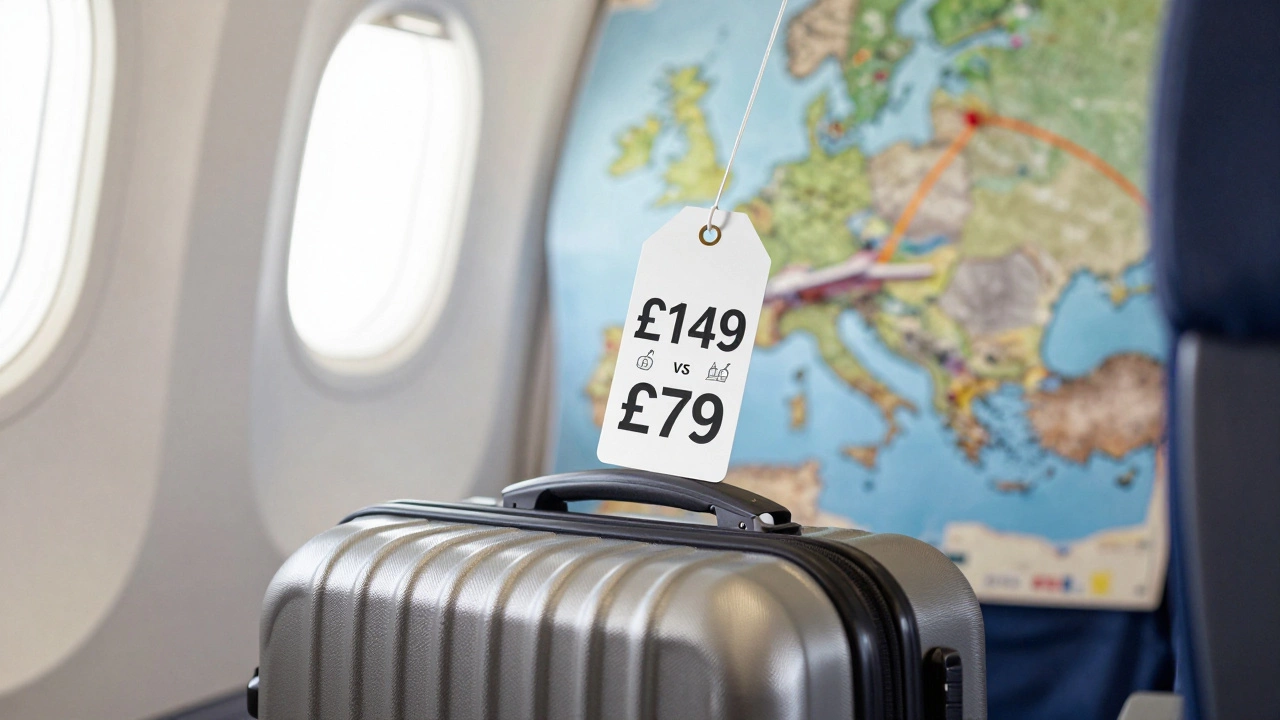
One couple booked a £79 return to Barcelona-only to realize they’d need to pay £35 each to check a suitcase. Their total jumped to £149. Compare the total price, not just the headline fare.
Look for airlines that include one carry-on and one personal item for free. EasyJet, Ryanair, and Wizz Air all have different rules. Know them before you click ‘buy’.
Bottom line: Timing beats luck
There’s no single ‘best day’ to buy tickets that works every time. But if you combine the right day (Tuesday), the right timing (2-4 months ahead), and the right flexibility (midweek travel), you’ll consistently beat the crowd. Most people book too late, on weekends, and pay more because they’re stressed.Plan ahead. Check prices weekly. Book when you see a good deal-not when you’re desperate. That’s how people in Bath, Bristol, and beyond are saving hundreds on their holidays without ever using a coupon or promo code.