Portland Weekend Budget Calculator
Estimate your total costs for a weekend trip to Portland, Oregon based on your preferences.
There’s no single answer to what is the coolest city in the United States-but if you’re looking for a weekend getaway that feels alive, unpredictable, and deeply human, one city keeps showing up in conversations, on social feeds, and in the luggage of travelers who swear they’ll come back. That city is Portland, Oregon.
Why Portland Feels Different
Portland doesn’t try to be the biggest, flashiest, or most famous. It doesn’t have Broadway shows or Wall Street towers. Instead, it has 70+ food cart pods, 80+ microbreweries, and a downtown where you can walk from a vegan dumpling stand to a 100-year-old bookstore in under ten minutes. It’s the kind of place where the barista knows your name, the bike lanes are safer than the sidewalks, and the local art scene isn’t in galleries-it’s on the side of abandoned warehouses.
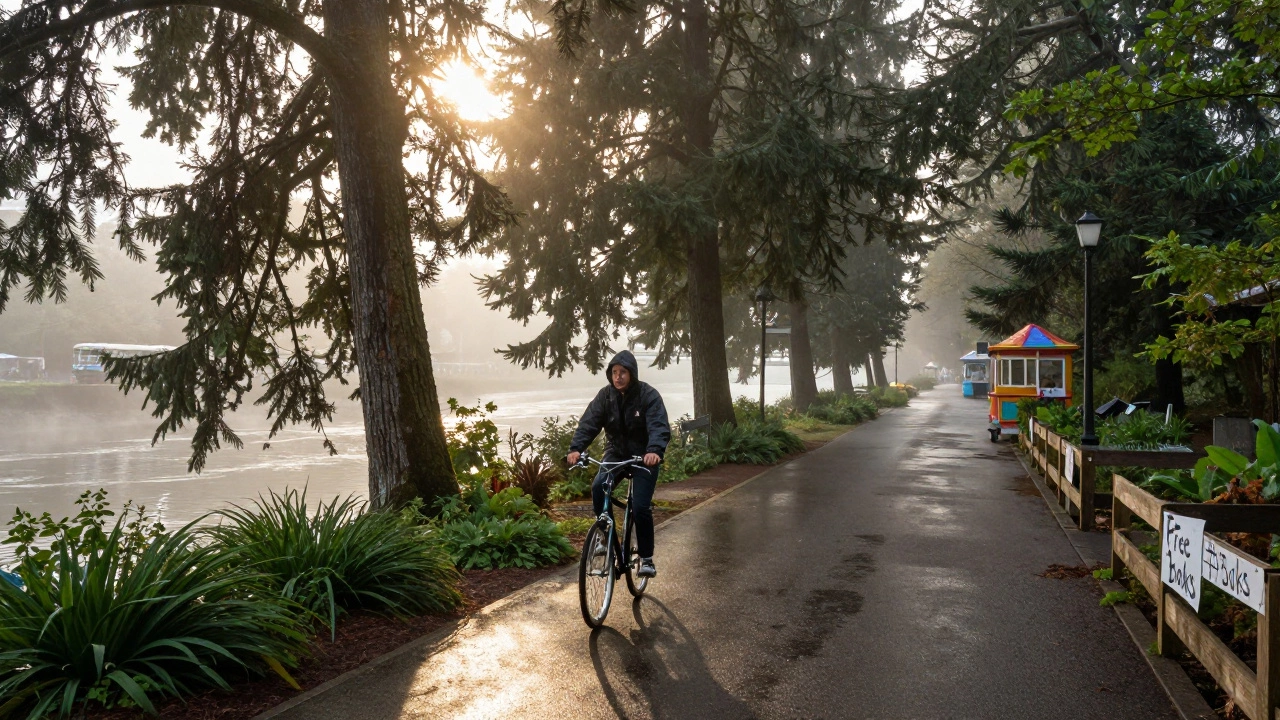
People don’t visit Portland to check off landmarks. They come to feel something. Maybe it’s the mist rolling off the Willamette River at dawn, or the way the city smells like fresh coffee and pine after rain. Maybe it’s the fact that you can buy a handmade ceramic mug from a 22-year-old artist, then hop on a streetcar that costs $2.50 and ride past houses with gardens full of sunflowers and handwritten signs that say, “Free Books. Take One.”
It’s Not Just the Vibes-It’s the Details
Portland’s coolness isn’t accidental. It’s built into the infrastructure. The city has over 200 parks within city limits, including Forest Park, which is bigger than Manhattan’s Central Park. You can hike 80 miles of trails in the morning, grab a latte from a roaster that sources beans from a farm in Guatemala, and still make it to a live jazz show by 8 p.m. without ever needing a car.
Public transit works here. The MAX light rail connects downtown to the airport in 40 minutes. Buses run every 15 minutes on main routes. And the city’s bike-share program has more than 1,500 bikes spread across 150 stations-most of them used by people who don’t own a car.
Even the rules feel different. Portland banned plastic water bottles in city-owned buildings in 2017. Restaurants serve water only on request. The city has a “zero waste” goal by 2025. You won’t find single-use plastic straws here-not because it’s trendy, but because people actually care.
Food That Doesn’t Try to Impress
Forget Michelin stars. Portland’s food scene thrives on authenticity. The city has more food carts per capita than any other in the U.S. Try the Korean-Mexican tacos at The Cinnamon Snail a Portland-based food cart known for its vegan Korean tacos and house-made kimchi, or the mushroom dumplings at Ken’s Artisan Pizza a neighborhood favorite that uses locally milled flour and wood-fired ovens. There’s no reservation system. You just show up, wait 10 minutes, and eat with your hands.
And the coffee? It’s not just good-it’s obsessive. Stumptown Coffee Roasters founded in Portland in 1999, helped start the third-wave coffee movement in the U.S. You can taste the difference: bright, clean, with notes of citrus and dark chocolate. No sugar. No whipped cream. Just coffee, done right.
Art That Lives Outside the Museum
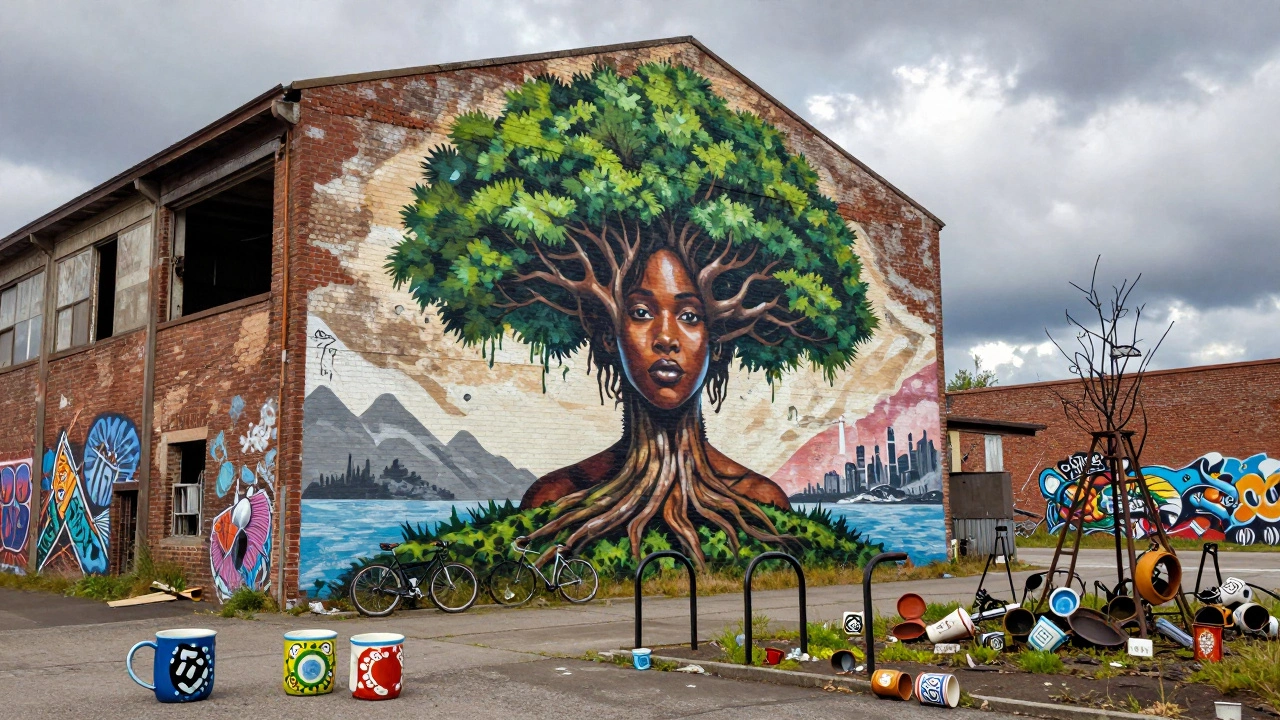
Portland doesn’t need a big art museum to be culturally rich. The city has more murals per square mile than New York. Walk down Alberta Street and you’ll see a 60-foot mural of a Black woman holding a tree that’s growing out of her hair. On the corner of Mississippi and 33rd, there’s a tiny sculpture garden made entirely of recycled metal-created by a local mechanic who turned his garage into an open-air gallery.
And the music? Live shows happen every night, in basements, bookstores, and converted laundromats. You don’t need tickets. Just show up, pay $5 at the door, and listen to a 24-year-old singer-songwriter who wrote her album while working the night shift at a 24-hour diner.
Why It’s Perfect for a Weekend
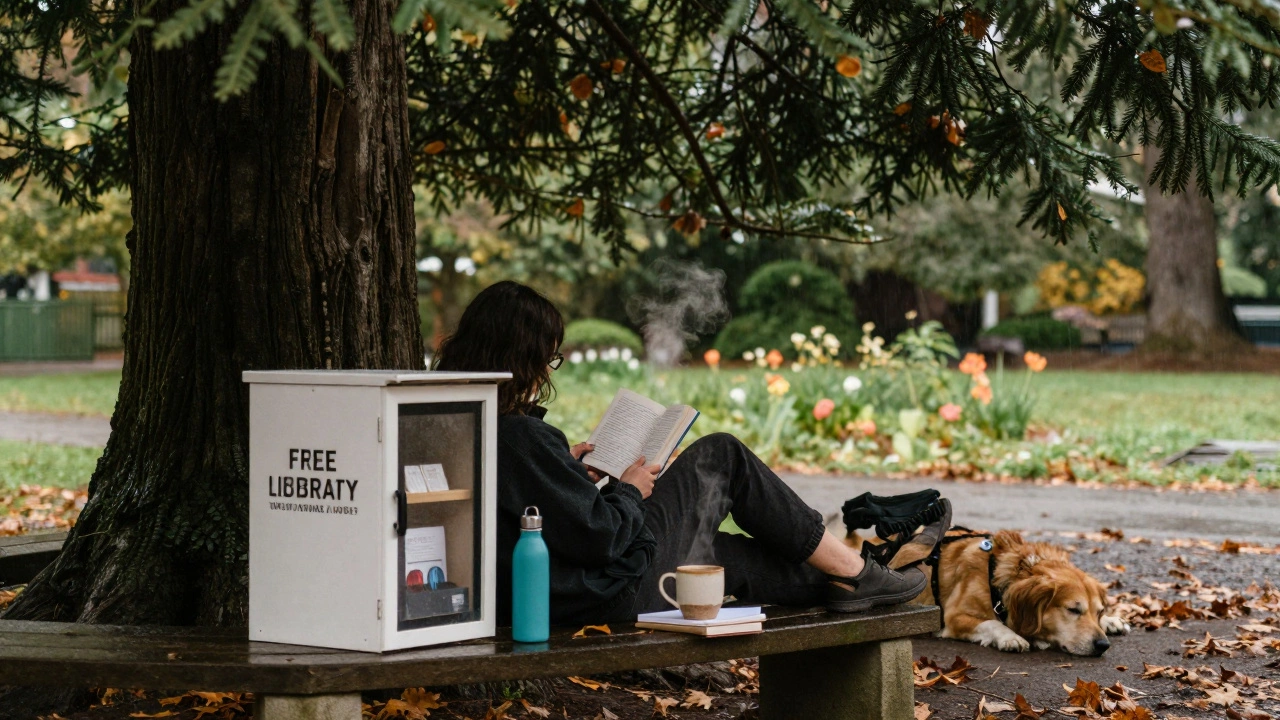
Portland is small enough to feel intimate and big enough to never get boring. You can spend Friday night sipping cider at a rooftop bar with a view of Mount Hood. Saturday morning, you can bike to the Portland Farmers Market and taste fresh hazelnuts, sourdough bread, and berries picked that morning. Sunday afternoon? A hike in Washington Park, then a nap under a cedar tree with a book from the free library box outside your Airbnb.
There’s no pressure to do everything. You can skip the museums. Skip the tourist traps. Just wander. Let yourself get lost in a neighborhood you didn’t plan to visit. That’s the point.
Other Cities That Come Close
Is Portland the only option? No. But it’s the only one that balances all the things people want in a weekend escape: creativity, calm, community, and a little bit of weird.
San Francisco has the views and the history, but it’s expensive and crowded. Austin has the music and the tacos, but it’s losing its soul to tech money. Seattle has the coffee and the mountains, but it feels quieter, colder. Nashville? Great for country music, but you’ll pay $18 for a cocktail and hear the same three songs on loop.
Portland doesn’t sell you an experience. It gives you space to have your own.
What to Pack
- A light rain jacket (it rains here, but rarely hard)
- Comfortable walking shoes (you’ll walk more than you think)
- A reusable water bottle (the city’s tap water is among the best in the country)
- A small notebook (you’ll want to write down the names of the places you stumble on)
- Open curiosity (leave your itinerary at home)
Where to Stay
You don’t need a hotel. Try an Airbnb in the Hawthorne or Alberta neighborhoods. Or book a room at The Nines a downtown hotel housed in a restored 1920s department store, with a rooftop bar and a library on the 10th floor. Both are within walking distance of food carts, bookstores, and streetcars.
Final Thought
The coolest city in the United States isn’t the one with the most Instagram likes. It’s the one where you leave feeling like you’ve been seen-not sold to. Portland does that. Not with billboards or ads. But with quiet moments: a stranger handing you a hot cup of tea because you looked cold. A dog barking at a squirrel in the middle of the street. A mural that makes you stop and think.
That’s the kind of cool that lasts longer than a viral trend.
Is Portland safe for solo travelers?
Yes. Portland is generally safe for solo travelers, especially in the downtown and popular neighborhoods like Pearl District, Hawthorne, and Alberta. Like any city, it’s smart to avoid isolated areas late at night, but most visitors find locals friendly and helpful. The city has a low violent crime rate compared to other U.S. cities of similar size.
Can I get around Portland without a car?
Absolutely. Portland is one of the most walkable and transit-friendly cities in the U.S. The MAX light rail connects the airport to downtown in 40 minutes. Buses run every 10-15 minutes on main routes. The city has over 400 miles of bike lanes and a reliable bike-share system. Most attractions, food carts, and neighborhoods are within a 20-minute walk or ride from each other.
What’s the best time of year to visit Portland?
Late spring (May-June) and early fall (September-October) are ideal. The weather is mild, the crowds are smaller, and the city is in full bloom. Summer (July-August) is dry and sunny but busier. Winter (November-February) is rainy and gray, but it’s also quiet, cozy, and perfect for coffee shops and bookstores.
How much money do I need for a weekend in Portland?
You can do Portland on a budget. A weekend trip for one person can cost as little as $300-$500 if you stay in an Airbnb, eat mostly from food carts ($5-$12 per meal), and use public transit. Mid-range travelers spending on a hotel and a few sit-down meals should budget $700-$1,000. Luxury stays and fine dining will push it higher, but you don’t need to spend much to feel like you’ve experienced the real city.
Is Portland really as eco-friendly as people say?
Yes. Portland has led the U.S. in urban sustainability for decades. It was the first major city to ban plastic bags in 2012. It has one of the highest rates of recycling and composting. Over 60% of residents commute by walking, biking, or transit. The city’s power grid is 80% renewable. Even the streetlights are LED and motion-sensing. It’s not perfect, but the intent-and the results-are real.
Next Steps
If you’re thinking about a weekend in Portland, start with one thing: pick a neighborhood you’ve never heard of and walk around it for an hour. Don’t look at your phone. Don’t plan your next stop. Just let yourself be curious. That’s how you’ll find the real Portland-not on a tour, not on a map, but in the quiet moments between the coffee and the rain.