Cottage vs Small House Checker
Determine if a property is more likely a cottage or modern small house based on architectural characteristics. Check all features that apply to the property.
This is likely a cottage
Based on your selections, this property shows strong characteristics of a traditional cottage: .
This is more likely a small house
This property shows characteristics of a modern small house: . While it may have some decorative elements, it lacks the traditional construction and historical context of a true cottage.
What This Means
Cottages are defined by historical authenticity, traditional materials, and connection to place. Small houses prioritize modern comfort and efficiency. A true cottage preserves its original character even when renovated, while a small house may mimic cottage aesthetics without the heritage.
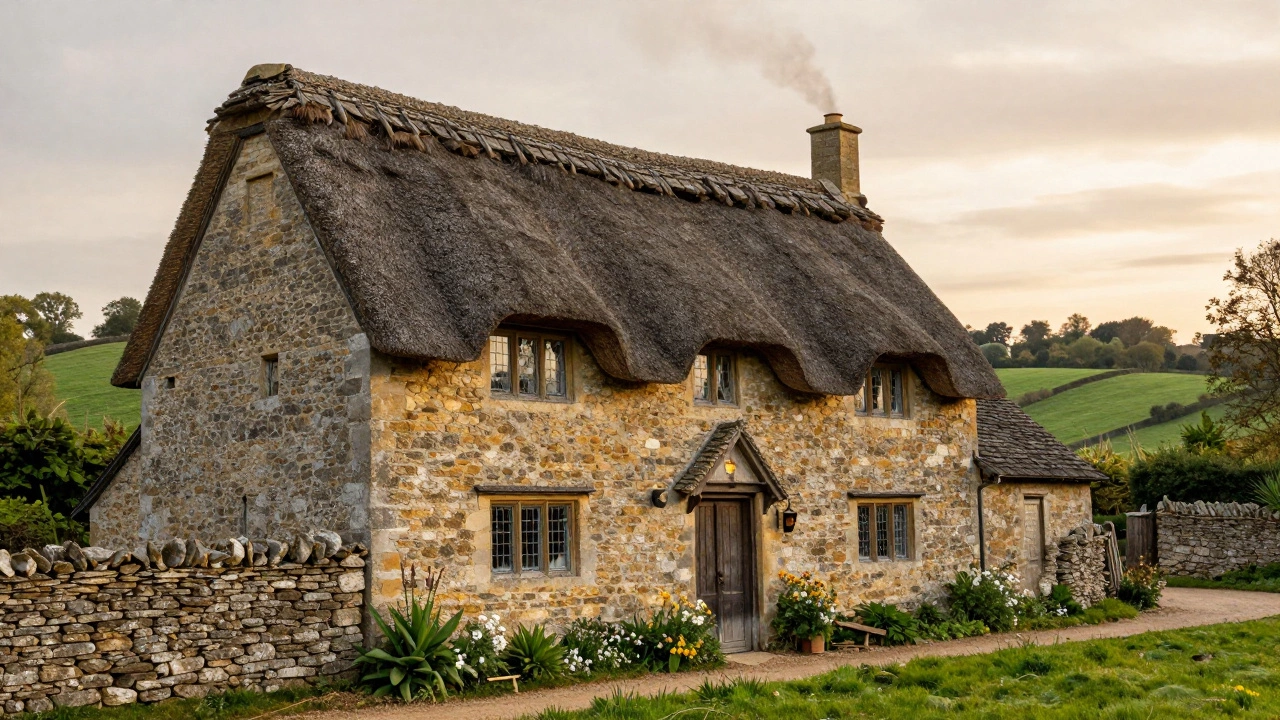
People often use the words cottage and small house interchangeably, but they’re not the same thing. If you’ve ever stood outside a cozy stone building with a thatched roof and thought, "That’s just a tiny house," you’re not alone. But here’s the truth: a cottage isn’t just a small house with a garden. It carries history, character, and a set of expectations that go way beyond square footage.
It’s Not About Size - It’s About Style
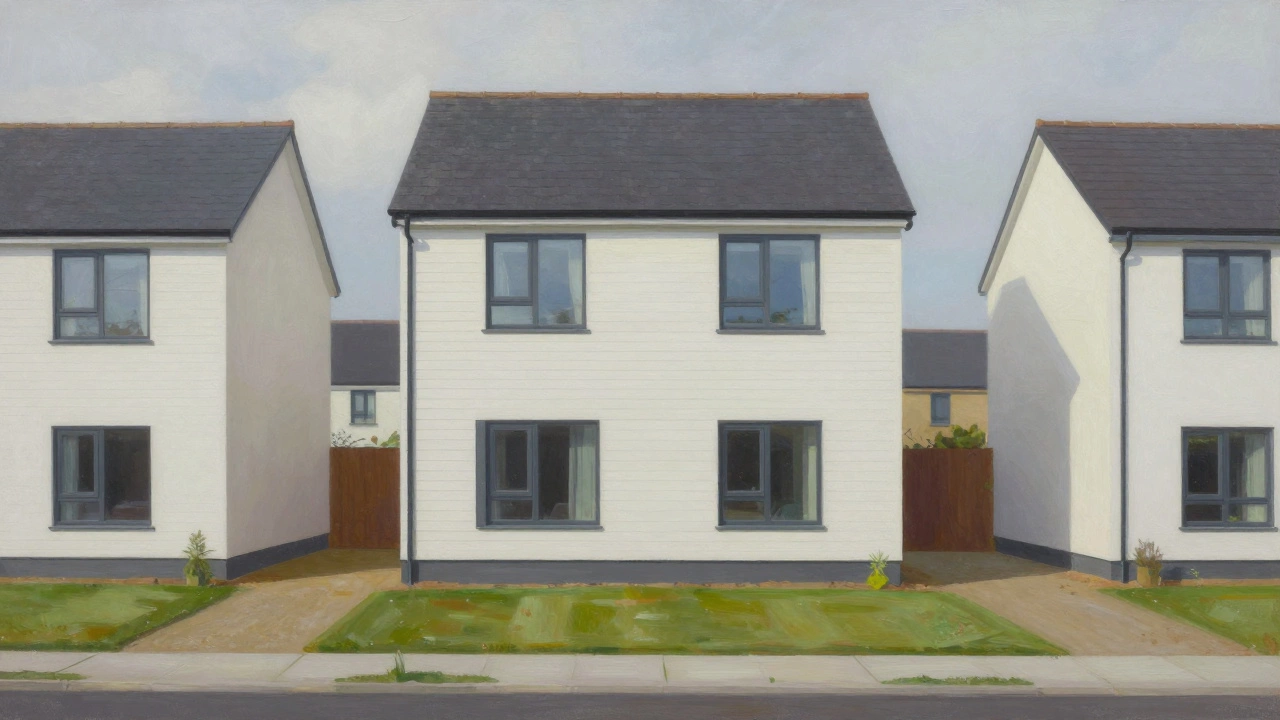
A cottage doesn’t have to be small. Some cottages in the Cotswolds are over 2,000 square feet. What makes them cottages isn’t the number of rooms - it’s the look, the feel, and how they were built. Traditional cottages were built for rural workers: farmers, shepherds, laborers. They used local materials - stone, timber, thatch, clay - and were designed to last with minimal upkeep. You’ll find thick walls, small windows, low ceilings, and uneven floors. That’s not a flaw. That’s authenticity.A small house, on the other hand, is defined by its size. It could be a modern 800-square-foot box in a suburb with vinyl siding, double-glazed windows, and an open-plan kitchen. It’s built for efficiency, not heritage. You won’t find a thatched roof on a typical small house unless someone went out of their way to add one as a design choice.
Location Tells the Story
Cottages are tied to the land. In England, you’ll find them tucked into villages, nestled in valleys, or perched on the edge of farmland. They’re part of a landscape that hasn’t changed much in 200 years. Think of the stone cottages in the Lake District or the whitewashed ones in Cornwall. Their placement wasn’t random - they were built near fields, water sources, or grazing land.Small houses? They’re everywhere. In new housing estates, on quiet cul-de-sacs, even in converted office buildings. They don’t need to be near nature to make sense. A small house in Birmingham can be just as valid as one in Devon. The difference? A cottage belongs to a place. A small house just occupies it.
Materials and Construction Tell the Truth
If you’ve ever run your hand along the inside wall of an old cottage, you’ve felt the difference. The walls are often made of local stone or cob - a mix of clay, sand, straw, and water. They’re thick, sometimes two feet wide. That’s not just for insulation - it’s because that’s what was available. Builders didn’t order bricks from a factory. They dug them from the ground.Modern small houses use standardized materials: timber frames, drywall, concrete blocks, synthetic insulation. They’re built fast, with precision tools and blueprints. The goal? Consistency. Cost control. Speed. You won’t find hand-laid thatch on a new-build small house unless it’s a luxury feature. And even then, it’s likely imported from a specialist supplier, not grown on the property.
Windows, Doors, and Roofs - The Little Details
Cottages have small, often crooked windows. Why? Glass was expensive centuries ago. Builders used what they could afford. Many cottages still have original casement windows with leaded panes. Doors are low - not because people were shorter, but because heat rises. A low door kept warmth inside.Roofs? Thatch is the classic. Made from water reed, straw, or heather, it’s a skill passed down through generations. A good thatched roof lasts 40-60 years. Modern small houses? Asphalt shingles, metal, or tiles - mass-produced, fire-rated, and installed in a day.
Even chimneys tell the story. Cottages often have multiple small chimneys - one for each fireplace. Small houses usually have one central flue for a modern boiler. That’s not just practical - it’s cultural. Cottages were built for cooking, heating, and living close to the fire. Small houses are built for central heating and quiet efficiency.
Layouts Are Different - No Open Plans Here
Walk into a cottage and you’ll notice the rooms don’t flow. There’s a kitchen, a parlor, maybe a bedroom downstairs. The stairs are steep. The hallway is narrow. You don’t open a door and see straight through to the garden. That’s not a design flaw - it’s how people lived. Rooms had specific purposes. Heat stayed where it was needed.Small houses? Open-plan living is the rule. Kitchens merge with living areas. Floors are flat. Doors swing wide. It’s designed for how we live now: social, connected, multitasking. A cottage doesn’t care about your Zoom calls. It was built for candlelight, wool blankets, and silence.
Modern Cottages vs. Small Houses Today
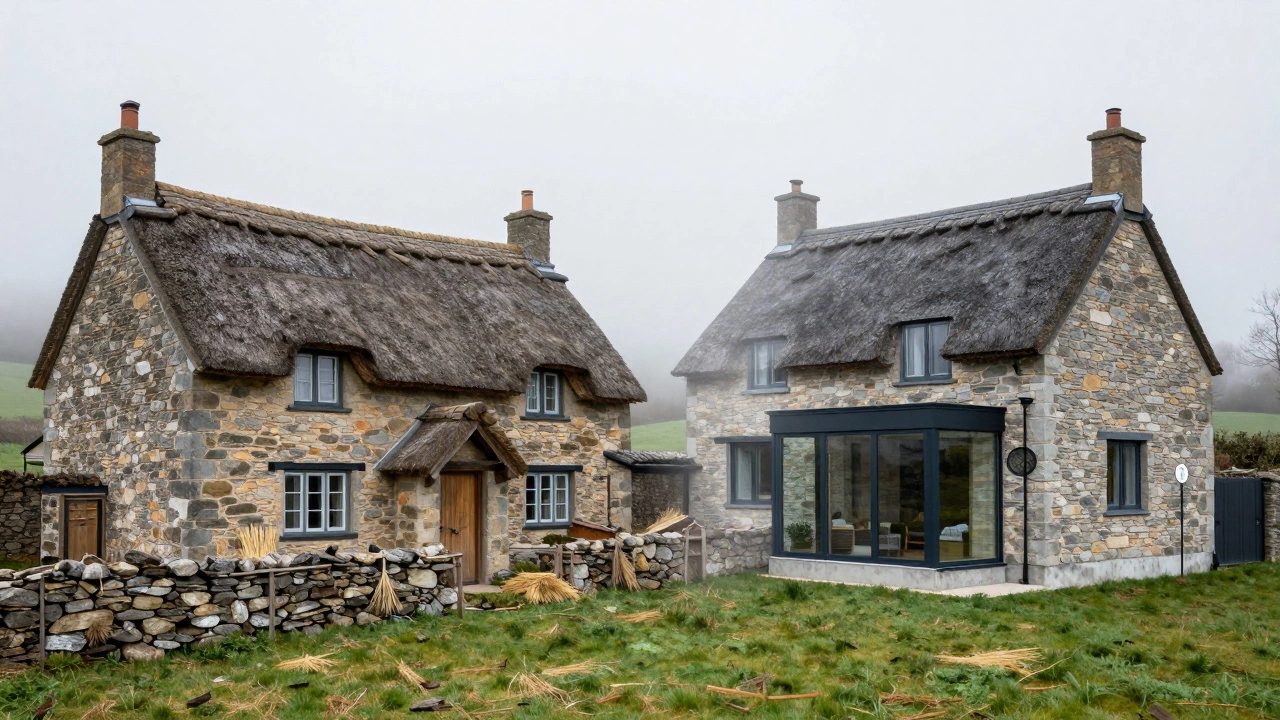
These days, you’ll see "modern cottages" - renovated stone buildings with underfloor heating, smart thermostats, and glass extensions. But even then, they keep the original facade. The roofline, the window shapes, the stone walls - they’re preserved. That’s the rule: if you change the outside too much, it’s no longer a cottage. It’s just a small house pretending to be one.And then there are small houses built to look like cottages. They have faux thatch, fake stone cladding, and little dormer windows. But the materials are synthetic. The foundations are poured concrete. The insulation is fiberglass. These are aesthetic choices, not heritage. They’re called "cottage-style" homes for a reason - they’re inspired by cottages, but they’re not cottages.
Why Does This Matter?
If you’re looking to buy or rent a place for a holiday, this distinction matters. A real cottage comes with quirks: uneven floors, drafty windows, no central heating. But it also comes with soul. You’re not just renting a space - you’re staying in a piece of history.A small house might be more comfortable. It might have better insulation, more outlets, and a dishwasher. But it won’t make you feel like you’ve stepped back in time. It won’t have the scent of woodsmoke lingering in the walls or the sound of rain on a thatched roof.
For many, that’s the point. People choose cottages not because they’re cheap or small - they choose them because they’re alive with character. They’re places where time slowed down, and the land still had a voice.
What to Look For When Choosing
If you’re searching for a true cottage:- Check the roof - is it thatch, slate, or clay tile? (Asphalt = not a cottage)
- Look at the windows - small, uneven, maybe leaded? (Large, uniform = modern)
- Walk the walls - are they thick stone or thin plaster? (Drywall = small house)
- Ask about the age - cottages built before 1850 are the real deal
- Check the location - is it in a village, near farmland, or tucked into hills?
If you want comfort, go for a small house. If you want a story, choose a cottage.
Can a small house be called a cottage?
Only if it was built with traditional materials, in a rural setting, and retains its original character. A modern tiny house with vinyl siding and a flat roof isn’t a cottage - it’s just small. Calling it a cottage is like calling a sedan a vintage Rolls-Royce because it has four wheels.
Are cottages always older buildings?
Most are, but not all. Some new-build homes are designed as cottages using traditional methods - stone walls, thatch roofs, hand-finished timber. These are called "new cottages" and are allowed under heritage guidelines if they match the local style. But they’re rare. Most "new cottages" you see are just small houses with decorative facades.
Why do cottages have low doors?
It’s not about height - it’s about heat. In the past, fireplaces were the only source of warmth. A low door helped trap warm air inside. It also made the building easier to construct with the tools and materials available. People didn’t walk around with tape measures - they built to what felt right.
Do all cottages have thatched roofs?
No. Thatch is common in certain regions like Devon and Norfolk, but many cottages have slate, stone tiles, or even corrugated iron - especially in wetter areas. What matters is the material was locally sourced and traditionally applied. A thatched roof is iconic, but not required.
Can a cottage have central heating?
Yes, many do - especially if they’re rented as holiday homes. But the key is whether the original structure was preserved. Adding underfloor heating under a stone floor is fine. Replacing all the original windows with double glazing? That’s controversial. The goal is to keep the soul intact, even if you make it more comfortable.