Holiday Cost Calculator
Cost Comparison Tool
Calculate your holiday costs based on different accommodation options.
Based on your inputs, self-catering saves you £0.00 compared to catering.
Imagine this: you’ve booked a cozy cottage in the Cotswolds for a weekend getaway. The sun’s coming up, birds are singing, and you’re wondering - do you need to plan breakfast? Or is it already waiting for you? That’s the big question between catering and self-catering. It’s not just about meals. It’s about control, cost, and how you want to spend your vacation.
Catering Means Someone Else Does the Work
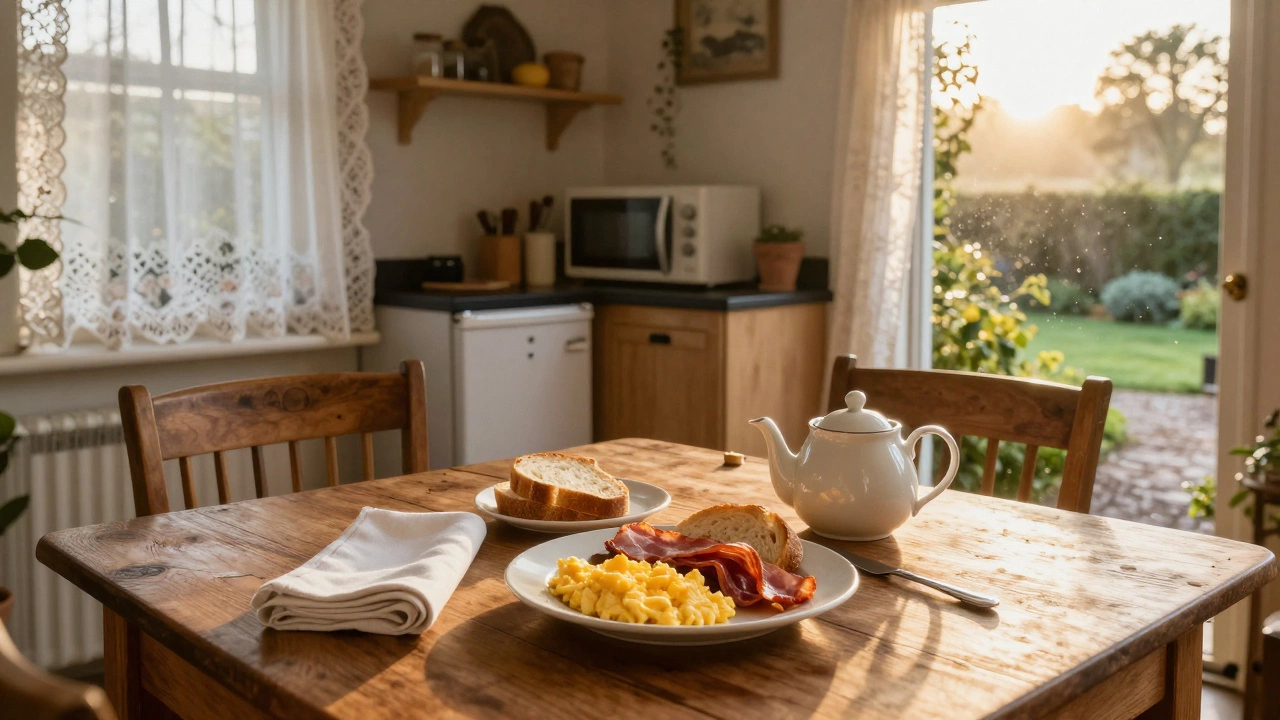
With catering, everything’s done for you. Meals are prepared and served - breakfast, dinner, sometimes even snacks. You walk into your cottage or hotel room, and food is waiting. No shopping. No cooking. No washing up. It’s like being at a hotel, but in a private cottage. This is common in luxury retreats, boutique stays, or places that market themselves as "full-service holidays." You might get a cooked breakfast every morning, a three-course dinner in the evening, and tea or coffee brought to your room. Some places even include wine or local treats. It sounds easy, right? But here’s the catch: you’re locked into their schedule. Breakfast is at 8 a.m. sharp. Dinner starts at 7 p.m. No exceptions. If you want to sleep in or eat late because you’re watching the sunset, you’re out of luck. And if you have dietary needs - gluten-free, vegan, allergies - you better tell them weeks ahead. Not all catering services handle that well.Self-Catering Means You’re in Charge
Self-catering means you get the keys, the kitchen, and the freedom. There’s no meal service. No set times. You buy your own food, cook your own meals, and clean up after yourself. That’s it. Most self-catering cottages come with a full kitchen: fridge, oven, stove, microwave, kettle, utensils, plates, even spices. Some even have dishwashers and washing machines. You’re not just getting a place to sleep - you’re getting a home base. This style is popular with families, groups of friends, and people who like to eat local. You can hit the farmer’s market on Saturday morning, pick up fresh cheese, bread, and berries, then make a picnic for the lake. Or order pizza and watch a movie in pajamas. No one’s judging.Cost: What You Pay For
Catering usually costs more. A lot more. You’re paying for labor, ingredients, and service. A weekend cottage with full catering can easily cost £300-£600 extra per person compared to the same place without meals. That’s not just food - it’s the staff, the planning, the cleanup. Self-catering is cheaper upfront. You pay for the rental, and then you pay for groceries. A family of four might spend £40-£80 on food for the weekend. That’s less than one dinner at a restaurant. You control the budget. Want to eat out one night? Go ahead. Cook the rest? Save money. Some self-catering places offer optional add-ons - like a breakfast basket for £15, or a chef to come in one evening. That’s the best of both worlds: flexibility with a little luxury.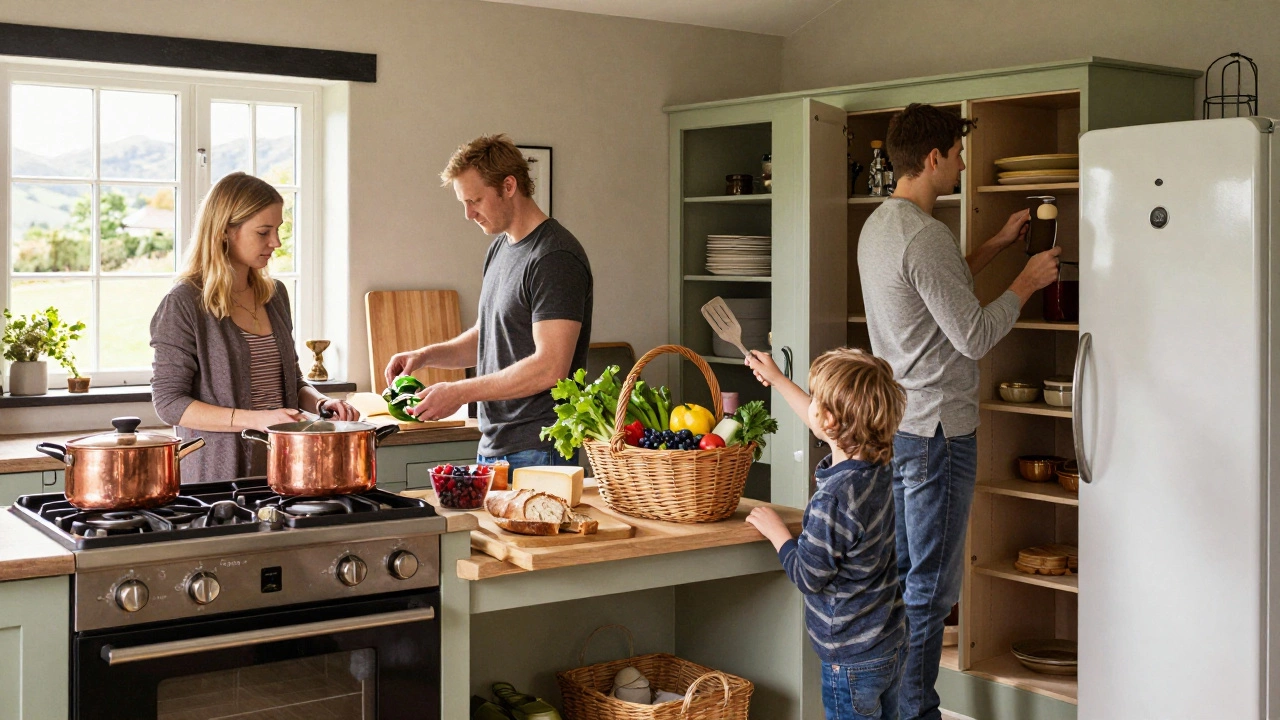
Flexibility: When and How You Eat
Catering follows a schedule. You adapt to it. Self-catering? You set the rules. Wake up late? Make toast at 11 a.m. Feel like pasta at 2 a.m.? Go for it. Got a sudden urge for ice cream? No need to wait for the next meal service. This matters a lot with kids. Nap times change. Hungry at odd hours? Self-catering lets you respond. No stress. No apologies. Catering can feel restrictive if you’re used to being independent. One couple I know booked a catering cottage in Wales. They loved the place - until they realized they couldn’t have coffee after 10 p.m. because "the kitchen closes." They ended up buying a portable coffee maker and hiding it in the closet.What You Get in the Space
Catering cottages often have smaller kitchens - if they have one at all. Sometimes just a microwave and a mini-fridge. Why? Because you’re not supposed to cook. The focus is on comfort, not convenience. Self-catering cottages are built for living. Full kitchens. Dining tables. Pantries. Outdoor grills. Some even have pizza ovens or coffee stations. You’re not just renting a room - you’re renting a functional home. If you’re bringing a big group, self-catering makes more sense. You can split the shopping, cook together, and share meals. It turns a stay into a shared experience.Who It’s Best For
Catering works well if:- You want total relaxation - no thinking about meals
- You’re celebrating something special and want a polished experience
- You’re not confident cooking or don’t have time to plan
- You’re traveling with elderly relatives who need set meal times
- You like to cook or enjoy local food markets
- You’re on a budget and want to save
- You have dietary needs or preferences
- You’re traveling with kids or a group
- You want to eat when you want, not when they say
Real-World Examples
Take a cottage near Lake Windermere. The catering version includes a daily breakfast of scrambled eggs, bacon, and fresh bread, plus a three-course dinner with local lamb. It costs £850 for two nights. The self-catering version? £450 for the same cottage. You buy your own groceries - you could spend £60 on food, or £150 if you eat out twice. Either way, you’re saving money and gaining freedom. Or look at a cottage in the Lake District. One has a chef who comes in for dinner three nights a week. The other has a fully stocked kitchen. The first is great for a romantic anniversary. The second is perfect for a family of six with picky eaters and late-night snackers.What to Look For When Booking
If you’re considering catering:- Ask what’s included - breakfast only? Dinner? Drinks?
- Check the menu - is it fixed or can you choose?
- Find out about dietary options - do they accommodate allergies?
- Ask about meal times - can you change them?
- Confirm the kitchen is fully equipped - no point renting a cottage without a pot or knife
- Check if there’s a grocery store nearby - or if you need to order online
- See if they offer welcome packs - some include tea, coffee, milk, and biscuits
- Ask about laundry - washing machine? Iron? Drying space?
The Bottom Line
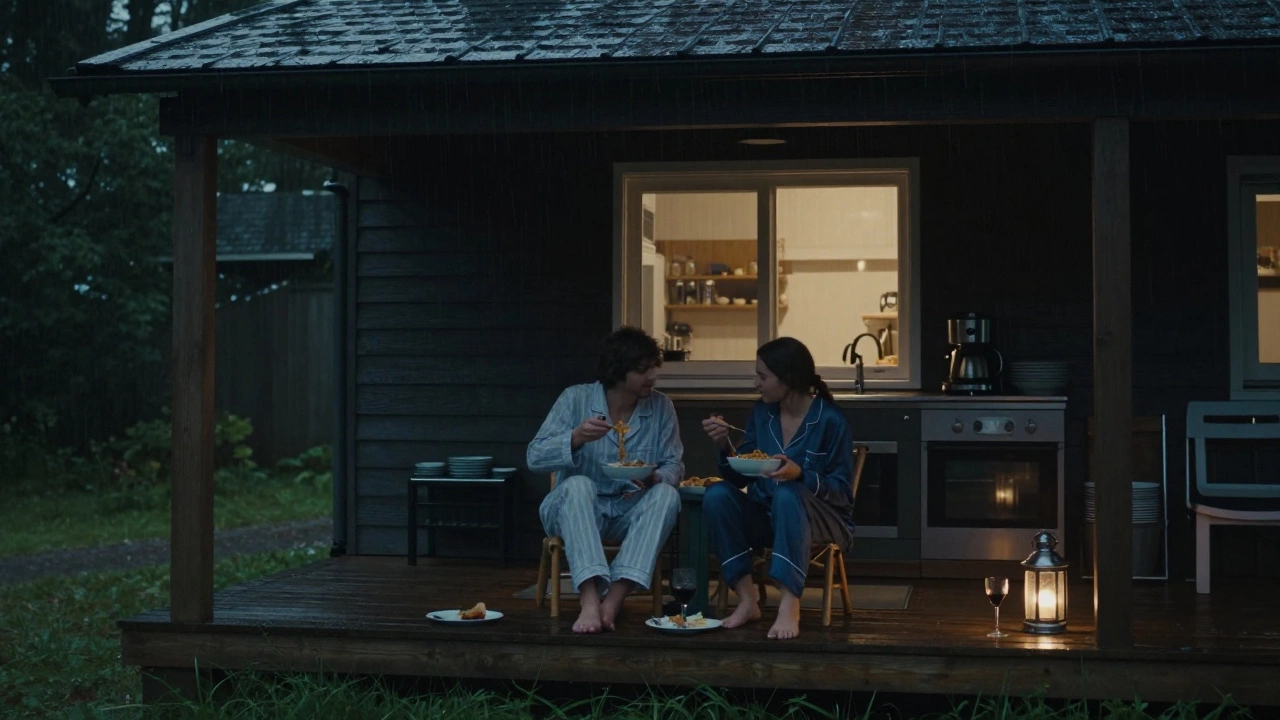
Catering is convenience wrapped in luxury. It’s for people who want to be pampered. You pay for peace of mind. Self-catering is freedom wrapped in practicality. It’s for people who want to live like locals. You pay for control. Neither is better. It depends on what kind of holiday you’re after. If you want to unwind without lifting a finger, go catering. If you want to feel at home, make your own rules, and stretch your budget - choose self-catering. Most people who try self-catering once never go back to full catering. Once you’ve made pasta with fresh tomatoes from a market in Devon, eaten it on the porch as the sun sets, and washed the dishes while listening to rain - you realize: that’s not just a meal. That’s the whole point of the trip.Is self-catering cheaper than catering?
Yes, usually. Self-catering cottages cost less to rent because you’re not paying for meals or staff. You still spend money on groceries, but it’s often far less than what you’d pay for a catering package. A family of four might spend £50-£100 on food for a weekend, while a catering option could add £300-£600 to the total cost.
Do self-catering cottages have kitchens?
Yes, they always do. A full kitchen is the defining feature of self-catering. This includes a fridge, oven, stove, microwave, sink, and basic utensils like pots, pans, plates, and cutlery. Some even have dishwashers, coffee machines, and outdoor grills. Always check the listing to confirm what’s included.
Can I still eat out if I choose self-catering?
Absolutely. Self-catering gives you the freedom to eat in or out. Many people cook breakfast and lunch at the cottage, then treat themselves to dinner at a local pub or restaurant. It’s a great way to enjoy both the comfort of home and the flavor of local cuisine without overspending.
Are catering cottages good for families with kids?
They can be, but they’re not ideal for every family. Catering means fixed meal times, which can clash with nap schedules or late bedtimes. Kids might not like the menu. Self-catering lets you prepare familiar meals, snacks on demand, and avoid the stress of waiting for the next service. Many families prefer self-catering for this reason.
What if I don’t know how to cook?
You don’t need to be a chef. Many self-catering cottages offer simple meal ideas - like sandwiches, pasta, or baked potatoes. You can buy ready-made meals from supermarkets, heat them up, and eat them. Or order delivery. Cooking doesn’t mean complicated recipes - it just means you control what’s on the table.
Do catering services include drinks?
Sometimes, but not always. Some include tea, coffee, and soft drinks. A few offer wine or local beer with dinner. But alcohol is rarely included unless it’s a premium package. Always ask what’s covered - don’t assume. Self-catering lets you bring your own drinks, which is often cheaper and more flexible.
Can I get a mix of both?
Yes. Many self-catering cottages offer optional extras - like a breakfast basket for £15, or a chef who comes in for one evening. You get the freedom of self-catering with a touch of luxury when you want it. It’s a smart middle ground for couples or small groups.