Eco-Home Builder Selector
Not sure which eco-building method is right for you? Answer three simple questions to find your best match based on data from UK Building Research Establishment standards.
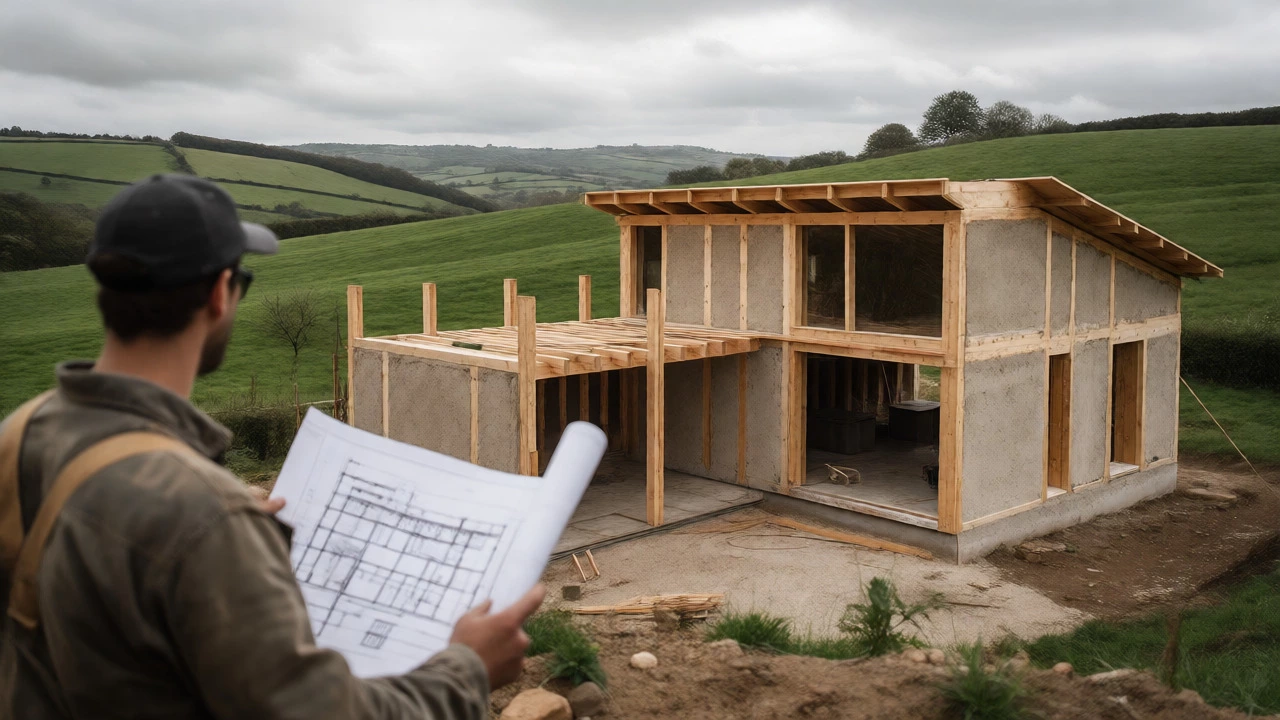
You’re standing on a plot of land, maybe in the Cotswolds or just outside Bath, holding a blueprint that promises a dream home. But here’s the uncomfortable truth: the construction industry accounts for nearly 40% of global carbon emissions. Most people think "green" means slapping solar panels on a standard brick box. That’s like putting a bandage on a broken leg. If you want to actually minimize your footprint, you have to rethink what a house is and how it’s built from the ground up.
So, what is the most environmentally friendly house to build? There isn’t one single answer because "friendly" depends on where you live, what materials are local, and how long you plan to stay. However, if we look at data from the UK’s Building Research Establishment (BRE) and global sustainability standards, a few clear winners emerge. It’s not just about energy bills; it’s about embodied carbon-the CO2 released during manufacturing and transport-and operational carbon-the energy used to heat and cool the building over its lifetime.
The Contenders: Comparing Top Eco-Building Methods
Before you pick a method, you need to understand the trade-offs. You can’t have low cost, low carbon, and high speed all at once. Here is how the main approaches stack up against each other.
| Building Type | Embodied Carbon | Operational Energy | Cost vs Standard Build | Best For |
|---|---|---|---|---|
| Passive House | Medium-High | Extremely Low | +15-20% | Cold climates, long-term owners |
| Hempcrete Cottage | Negative (Carbon Sink) | Low | +10-15% | Rural plots, health-conscious buyers |
| Timber Frame | Low | Medium-Low | Neutral to +5% | Fast builds, forested areas |
| Straw Bale | Very Low | Low | -5% to +5% | DIY projects, rural self-builds |
| Recycled Shipping Container | High (if new) | Medium | Variable | Urban infill, small footprints |
Why Hempcrete Is Winning the Embodied Carbon War
If you care about the planet before the house even opens its doors, look at Hempcrete. This isn't concrete with hemp seeds in it. It’s a biocomposite material made from the inner woody core of the hemp plant mixed with a lime-based binder. Unlike cement, which releases massive amounts of CO2 when it cures, hempcrete actually absorbs CO2 as it hardens. A well-built hempcrete wall can be carbon-negative, meaning it stores more carbon than was emitted to produce it.
I’ve seen hempcrete cottages in Somerset that stay cool in July without air conditioning and hold heat through January with minimal input. The material is breathable, which regulates humidity naturally. No damp patches, no mold, and no chemical off-gassing. The downside? It’s labor-intensive. You can’t use a crane to lift it into place quickly. It requires skilled tradespeople who know how to mix and tamp it correctly. In the UK, finding these specialists can add time to your project, but the result is a structure that will outlast you and help heal the atmosphere while doing it.
The Passive House Standard: Efficiency Over Materials
While hempcrete wins on materials, the Passive House standard wins on performance. Originating in Germany, this isn't a specific material list-it’s a rigorous design protocol. The goal is simple: keep indoor temperatures between 20°C and 25°C year-round using almost no active heating. How? By sealing the building envelope so tightly that heat loss is negligible.
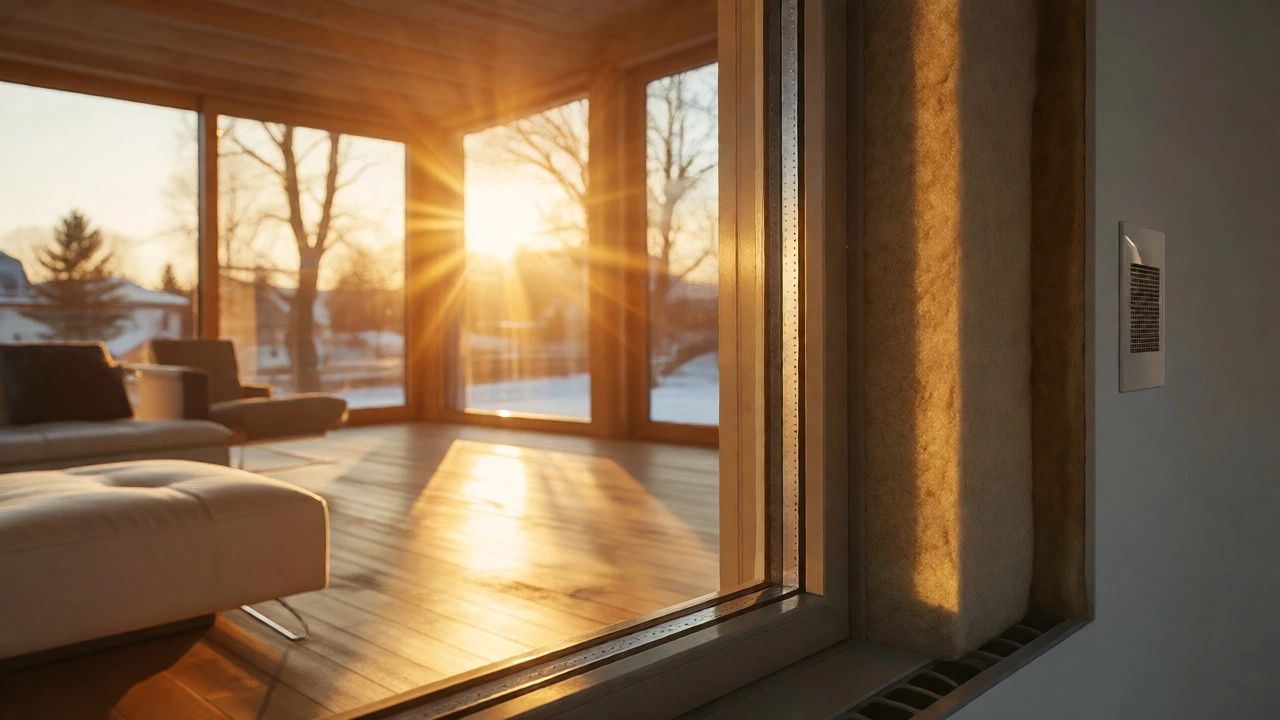
To achieve this, you need triple-glazed windows, continuous insulation without thermal bridges, and a Mechanical Ventilation with Heat Recovery (MVHR) system. The MVHR pulls stale air out, filters it, and pushes fresh air in, transferring the heat from the outgoing air to the incoming stream. It sounds complex, but the payoff is drastic. A certified Passive House uses up to 90% less heating energy than a typical UK home. In an era of volatile gas prices, that financial security is worth the upfront premium. Plus, the air quality inside is pristine, filtered down to PM2.5 particles. If you suffer from allergies, this might be the healthiest place you’ll ever live.
Timber Frames and Straw Bales: The Traditional Revival
Not everyone wants a high-tech machine. Some prefer the warmth of wood. Timber frame construction has surged in popularity because wood is renewable and sequesters carbon. When sourced from FSC-certified forests, a timber frame house acts as a carbon bank. The trees absorbed CO2 while growing, and locking them into walls keeps that carbon out of the atmosphere for decades.
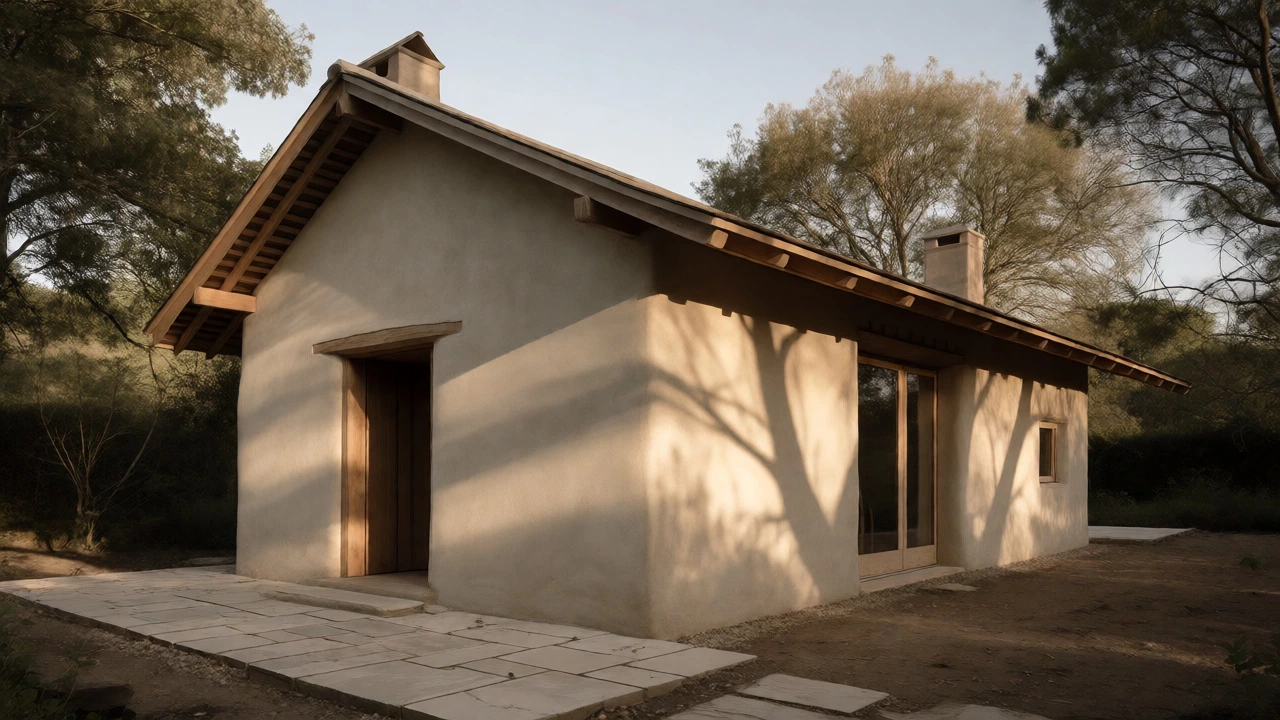
Then there’s straw bale construction. Yes, really. Straw bales, often waste products from farming, provide incredible insulation. They are cheap, abundant, and locally available in much of England. A straw bale house covered in lime render looks traditional but performs like a super-insulated bunker. The catch is moisture management. If water gets trapped in the bales, they rot. You need wide eaves and careful detailing to keep the rain off. But done right, it’s one of the cheapest ways to build a net-zero ready home.
Design Matters More Than Bricks
You could build the greenest materials known to man, but if you orient the house wrong, you’ll fail. Orientation is free. Facing south (in the Northern Hemisphere) allows large windows to capture winter sun for passive heating. Small north-facing windows reduce heat loss. Shading devices block summer sun. This is basic physics, yet many developers ignore it to fit houses onto cramped plots.
Consider the size too. Smaller is greener. A 60-square-meter efficient home often has a lower total carbon footprint than a 150-square-meter inefficient one, even if the smaller one uses expensive tech. Ask yourself: do I need four bedrooms, or do I need three good ones and a flexible study? Every square meter you don’t build saves embodied carbon and future energy costs.
Local Sourcing: The Hidden Carbon Killer
A house built with bamboo from Asia shipped to Bath has a higher carbon footprint than one built with stone from the Mendip Hills. Transport matters. Aim for materials sourced within a 50-mile radius. Local stone, reclaimed bricks, and English oak not only support the local economy but drastically cut transport emissions. Reclaimed materials are even better-using old beams or salvaged slate means zero new extraction energy.
In my experience reviewing eco-cottages around Bath, those that integrate local limestone or Cotswold stone blend seamlessly into the landscape and avoid the visual pollution of modern cladding. Plus, local tradesmen know how to work with these materials, reducing errors and waste during construction.
Key Takeaways
- Embodied Carbon: Choose materials like hempcrete or timber that store carbon rather than emit it.
- Operational Efficiency: Prioritize airtightness and insulation (Passive House standards) to slash energy use.
- Local First: Source materials within 50 miles to minimize transport emissions.
- Size Down: A smaller, well-designed home is always greener than a large, average one.
- Lifecycle View: Consider durability. A house lasting 100 years amortizes its construction carbon effectively.
Frequently Asked Questions
Is a Passive House worth the extra cost?
Yes, if you plan to own the property for more than 10-15 years. The initial premium of 15-20% is offset by near-zero heating bills. With rising energy costs, the payback period is shrinking. Additionally, the comfort level-no drafts, consistent temperature, quiet interior-is a significant lifestyle upgrade.
Can I get a mortgage for a hempcrete or straw bale house?
It can be trickier than for standard brick homes. Mainstream lenders sometimes lack familiarity with non-standard construction. You may need a specialist self-build mortgage provider or a lender experienced in eco-homes. Having a detailed structural warranty and insurance policy approved by a surveyor familiar with these materials helps significantly.
Does solar power make a house environmentally friendly?
Solar panels reduce operational carbon but don't address embodied carbon. A poorly insulated house with solar panels still wastes energy. Solar is best combined with high-efficiency design (like Passive House) to maximize impact. Also, consider the lifecycle disposal of panels; newer models are more recyclable, but end-of-life processing is still developing.
How does location affect eco-friendliness?
Location dictates climate strategy. In cold, wet areas like Bath, insulation and airtightness are critical. In warmer, drier regions, shading and ventilation take precedence. Also, proximity to public transport reduces the household's overall carbon footprint, regardless of the building itself. A green house far from services forces car dependency.
Are shipping container homes truly eco-friendly?
Not necessarily. While reusing steel seems green, cutting and welding containers consumes significant energy. New containers are worse. Insulating metal boxes is difficult due to condensation risks. They are best suited for small, urban structures where land scarcity outweighs material efficiency. For rural cottages, natural materials usually perform better.