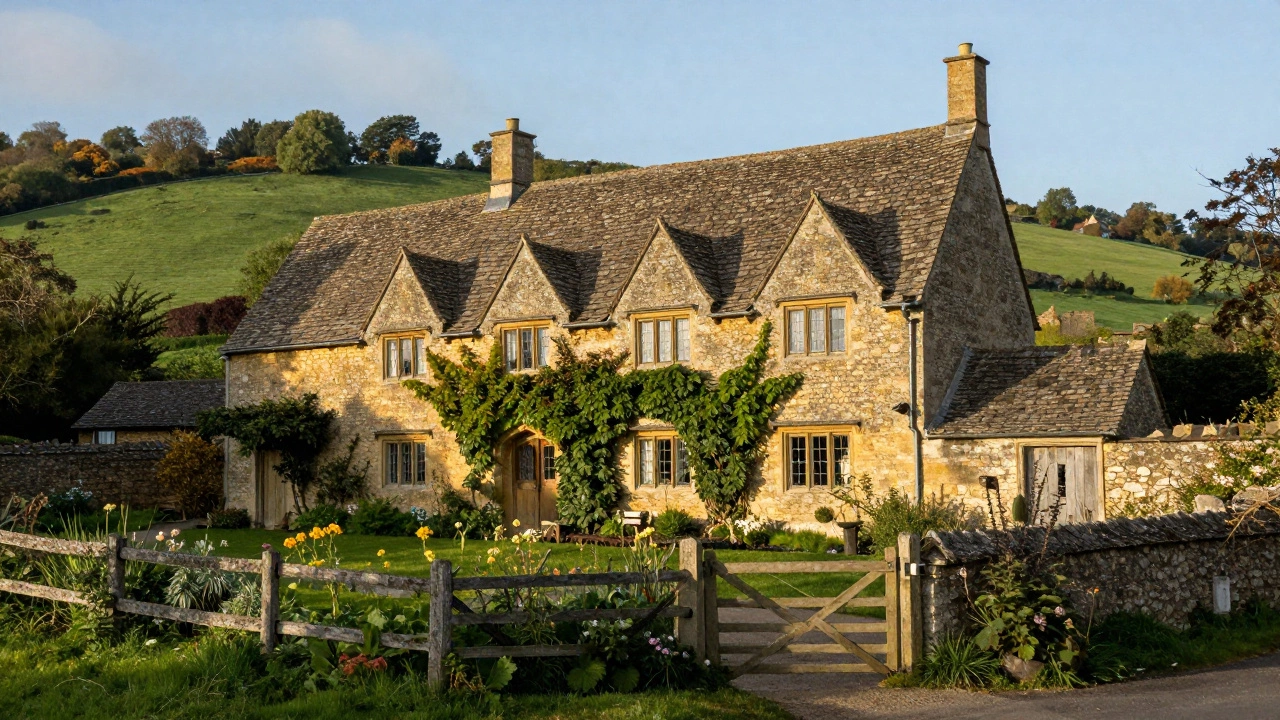
The Authenticity Scorecard
Marketing teams stretch the word "cottage" thin. Use this scorecard based on historical roots and architectural bones to see if a listing is genuine or just hype.
Authenticity Score
Check the boxes above to analyze the property's features.
Picture this: you’re scrolling through a booking site late at night. You see a listing for a "Charming Stone Cottage" in the Cotswolds. The photos show exposed beams, a roaring fire, and a view of rolling green hills. You book it. When you arrive, you find a converted barn with flat-pack furniture and Wi-Fi that barely works. Was it a cottage? Technically, maybe. But did it meet your expectations? Probably not.
The word cottage has been stretched so thin by marketing teams that it’s become almost meaningless. In the past, a cottage was a specific type of dwelling-small, modest, often tied to agricultural work. Today, it’s a vibe. It’s an aesthetic. But if you want to know what actually qualifies as a cottage, especially when you’re planning a getaway or looking at property, we need to strip away the Instagram filters and look at the bones of the building.
The Historical Roots: What Made a Cottage a Cottage?
To understand what a cottage is today, you have to look at where it came from. Historically, a cottage wasn’t just a small house; it was a social status symbol of sorts, albeit a humble one. In England, cottages were typically built for laborers, farmers, or artisans who worked on the land. They were part of the rural fabric.
Three things defined these original structures:
- Size: They were small. Often just two rooms plus a kitchen. Space was premium, and luxury didn’t exist.
- Location: They were always rural. If you were in a city, you lived in a tenement or a terrace. A cottage meant you were close to fields, forests, or villages.
- Construction: They were built from local materials. Stone in the north, timber in the south, brick in the east. They looked like they grew out of the ground because, essentially, they did.
This historical context matters because it sets the baseline for authenticity. When people ask what qualifies as a cottage, they are often asking for that connection to history and nature. A glass box in the middle of a field might be modern, but it doesn’t carry the weight of the cottage tradition.
Why does the history of a cottage matter today?
History defines the architectural character. Knowing that cottages were originally laborer housing helps explain their small size, lack of grandeur, and use of local materials, which distinguishes them from mansions or modern villas.
The Architectural Checklist: Does It Have the Bones?
If you walk up to a building and want to know if it’s a genuine cottage, look at the structure. There are certain physical traits that qualify a home as a cottage rather than a bungalow, a cabin, or a flat.
First, check the height. Most traditional cottages are one or one-and-a-half stories high. This low profile keeps them in harmony with the landscape. Second, look at the roof. Steeply pitched roofs are common, designed to shed rain and snow efficiently. Third, examine the windows. Older cottages often have smaller, irregularly placed windows. Why? Because glass used to be expensive, and builders only put windows where they absolutely needed light.
Then there’s the material. A stone cottage in Bath looks different from a timber-framed cottage in Sussex. But both share a sense of permanence and texture. Smooth, white stucco walls might look nice, but they rarely scream "cottage." Texture is key. Roughcast, flint, stone, or weathered wood tells a story.
Don’t forget the layout. Cottages are often narrow and deep. They might have a central hallway with rooms branching off, or an open-plan living area that flows into the kitchen. They aren’t usually symmetrical. That asymmetry is part of their charm. It suggests the house evolved over time, with additions made as the family grew or needs changed.
Cottage vs. Cabin vs. Chalet: Clearing Up the Confusion
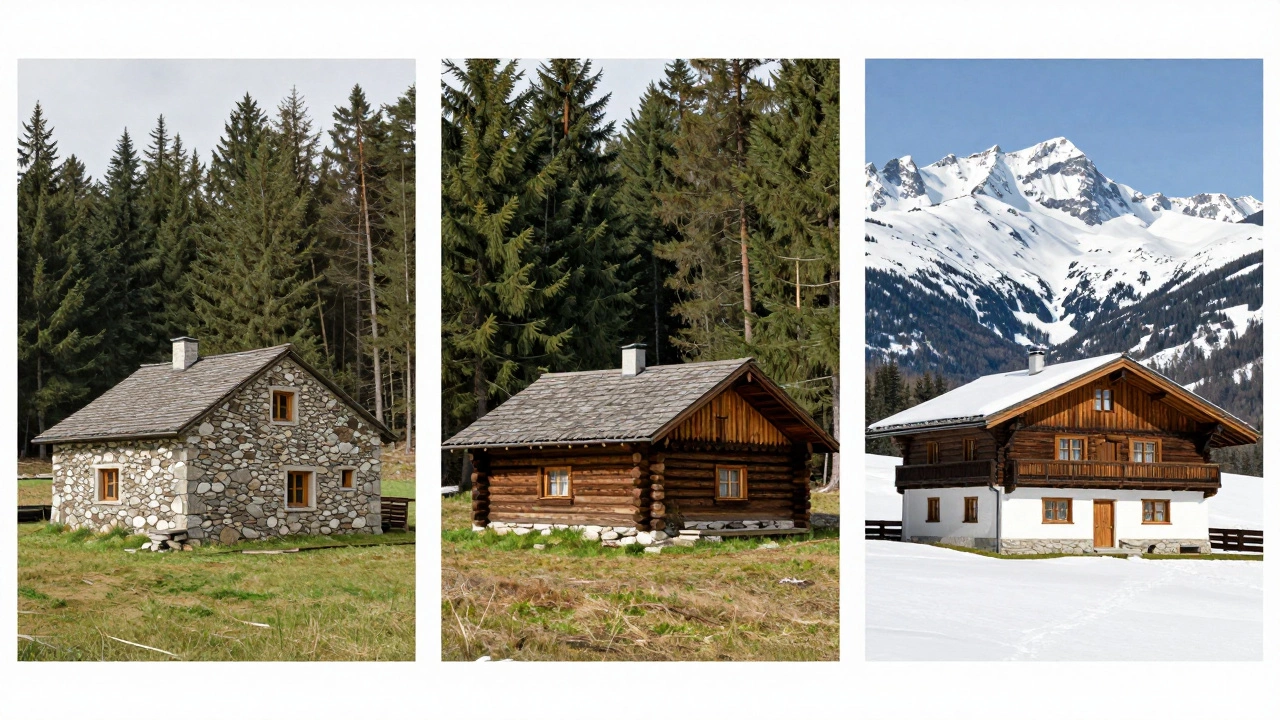
Here is where most people get tripped up. Booking sites love to mix terms. Is a log cabin a cottage? Is a chalet a cottage? The answer depends on where you are and what the building is made of.
| Type | Primary Material | Typical Location | Vibe |
|---|---|---|---|
| Cottage | Stone, Brick, Timber | Rural Villages, Countryside | Cozy, Historic, Grounded |
| Cabin | Wood Logs, Panels | Forests, Mountains | Rugged, Simple, Wild |
| Chalet | Wood, Stone | Alpine Regions | Sloped Roofs, Ski-Oriented |
| Barn Conversion | Mixed (Old/New) | Farms | Spacious, Modern, Industrial |
A cabin is defined by its construction method-usually logs or heavy timber framing. It’s about simplicity and being close to the woods. A chalet is specifically alpine, with those distinctive overhanging eaves to stop snow from piling up against the walls. A barn conversion is something else entirely. It started as a place for animals or hay, then got gutted and turned into a home. While many barn conversions are now sold as "cottages," they lack the residential history of a true cottage.
If you’re looking for that authentic cottage feel, avoid places that are clearly repurposed industrial buildings unless you specifically want that high-ceilinged, open-space experience. True cottages feel enclosed, intimate, and human-scaled.
The Legal and Planning Angle: What Do Councils Say?
In the UK, and many other countries, the term "cottage" can have legal implications, especially regarding planning permission and taxes. For instance, in some areas, a building must meet certain criteria to be classified as a residential dwelling versus a holiday let.
Local councils often look at the age of the property. Buildings over 100 years old might have listed status or be in conservation areas, which restricts how much you can change them. This preservation is what keeps the "cottage" look alive. If you knock down a stone wall and replace it with PVC windows, you lose the character, and potentially violate planning laws.
Also, consider the concept of "ancillary dwellings." Some small cottages are legally tied to a larger farmhouse. They were built for workers and cannot be sold separately. If you’re buying, this is crucial. If you’re renting, it means you might be sharing the grounds with the main house, which affects privacy.
Modern Interpretations: Can a New Build Be a Cottage?
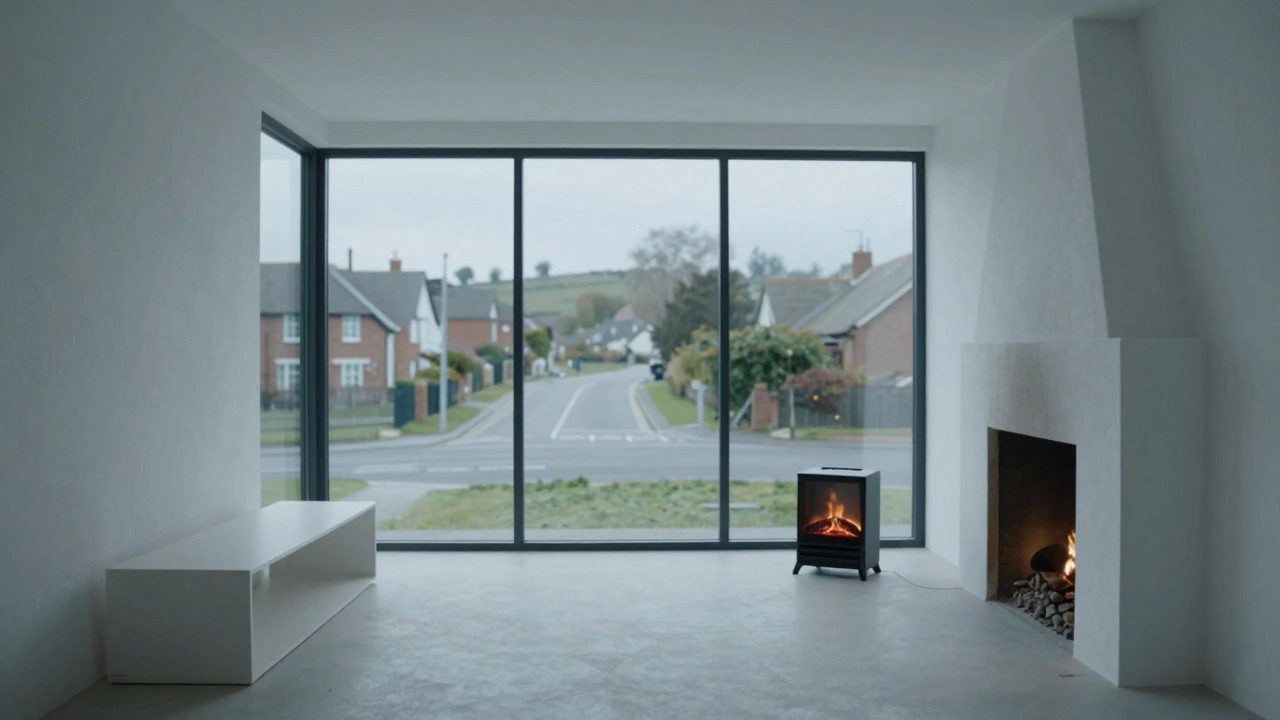
This is a controversial topic among architects and purists. Can a brand-new house be a cottage? Yes, but only if it respects the principles of the form. We call these "neo-cottages" or "cottage-style homes."
To qualify, a new build needs to mimic the proportions and materials of older cottages. It should use natural cladding like larch or cedar instead of synthetic siding. It should have a steep roof, perhaps with clay tiles. It should avoid overly large, floor-to-ceiling windows that dominate the facade. Instead, opt for smaller, grouped windows that break up the wall space.
Inside, modern cottages often blend old-world charm with new-world comfort. Think underfloor heating hidden beneath flagstone floors. Smart thermostats controlling radiators that look like Victorian cast iron. The goal is to keep the soul of the cottage while adding the amenities we expect in 2026.
If a new build looks like a spaceship or a minimalist cube, it’s not a cottage. It’s a modern home. Don’t let the developer fool you with buzzwords. Look at the design language.
Why It Matters: The Experience Factor
So why do we care so much about what qualifies as a cottage? Because the label promises an experience. When you book a cottage, you’re not just paying for a bed. You’re paying for escape. You’re paying for silence, for starlight, for the smell of woodsmoke and damp earth.
If the building doesn’t deliver on that atmospheric promise, the mismatch causes disappointment. A sterile, generic apartment in a village center might be convenient, but it won’t give you the cottage experience. A true cottage, whether historic or well-designed modern, creates a sense of shelter and separation from the busy world.
Next time you’re looking at a listing, ignore the name for a second. Look at the photos. Look at the materials. Ask yourself: does this feel grounded? Does it feel like it belongs to the land? If yes, you’ve found your cottage.
Is a cottage the same as a bungalow?
Not necessarily. A bungalow is defined by being single-story. A cottage can be one or two stories. However, many one-story cottages are also bungalows. The difference lies in style and materials; a cottage implies rustic charm and local materials, while a bungalow is a structural description.
Can a cottage be in a city?
Traditionally, no. Cottages are rural dwellings. Urban equivalents are often called terraced houses or townhouses. However, some urban developments use "cottage" in their naming to evoke a cozy feeling, even if the building is surrounded by skyscrapers.
What makes a cottage eco-friendly?
Traditional cottages are naturally energy-efficient due to thick stone or timber walls that provide excellent insulation. Modern eco-cottages add solar panels, rainwater harvesting, and sustainable materials like hempcrete or reclaimed wood to reduce their carbon footprint.
Are cottages more expensive to maintain?
They can be. Older cottages may require specialized repairs, such as repointing stone walls or fixing thatched roofs, which cost more than standard maintenance. However, their durable materials often mean they last longer than modern builds if cared for properly.
How do I spot a fake cottage online?
Look for stock photos, generic descriptions, and lack of specific details about the building's history or materials. Genuine cottage listings usually highlight unique features like inglenook fires, original beams, or garden views. If it looks too perfect and uniform, it might be a hotel suite disguised as a cottage.