Cost of Living Affordability Calculator
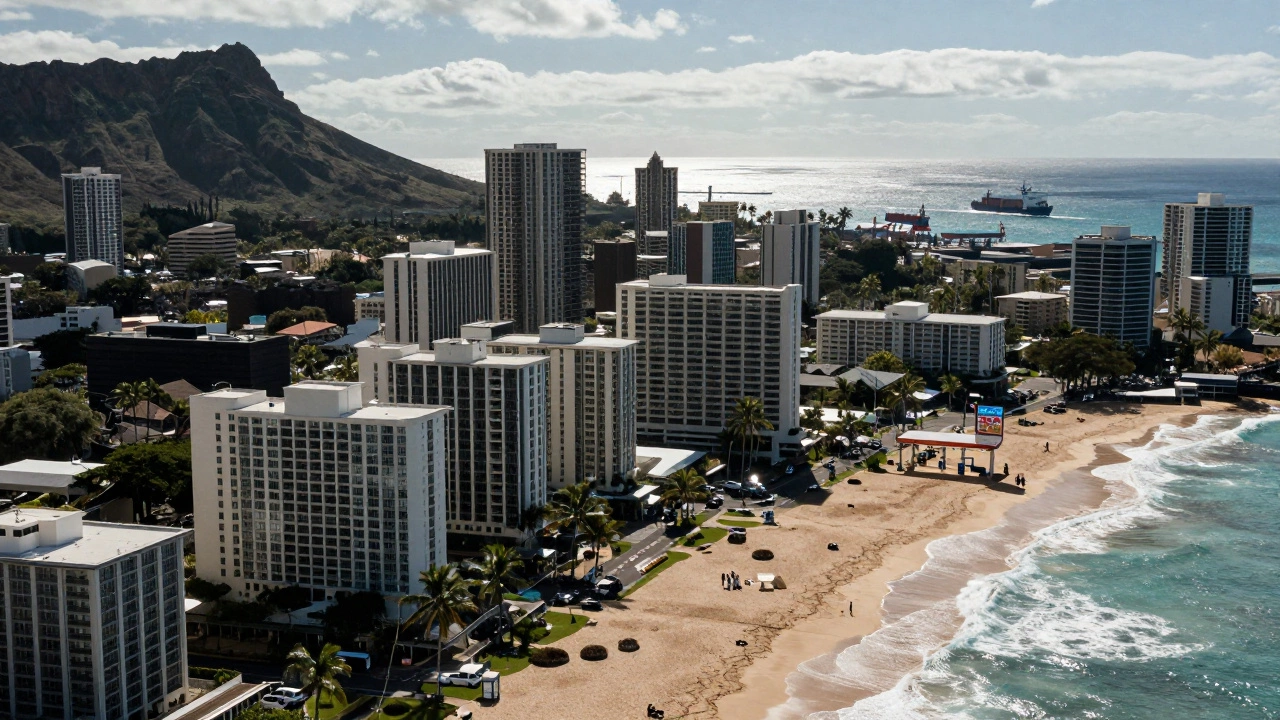
Hawaii: The Most Expensive State
Hawaii has the highest cost of living in the U.S. with median home price over $850,000 and one-bedroom rent averaging $2,800/month. Electricity costs over 37 cents/kWh - more than triple the national average.
Important Note: This calculator uses average cost data from the article. Actual expenses may vary based on specific location within the state, lifestyle, and personal choices. The calculator shows whether your income can cover basic essentials, not luxury spending.
When people talk about where to live, they don’t just think about sunshine or job opportunities-they think about cost of living. And some states make it painfully clear that just getting by can feel like a full-time job. If you’re trying to stretch your paycheck, avoid places where rent eats half your income, gas costs more than groceries, and even basic healthcare feels like a luxury. The state with the worst cost of living isn’t just expensive-it’s structurally unaffordable for average earners.
Why Hawaii Tops the List
Hawaii consistently ranks as the most expensive state in the U.S. for everyday living. It’s not just about the price of a beachfront condo. It’s about the cost of everything else. Food? Most of it’s shipped in, so a gallon of milk costs over $9. A dozen eggs? Around $6.50. A basic haircut? $70. Even a simple meal at a local diner can set you back $20.
Housing is the real killer. The median home price in Hawaii is over $850,000. Rent for a one-bedroom apartment? Around $2,800 a month. That’s more than double the national average. And it’s not just Honolulu. Even in smaller towns like Hilo or Kahului, rent is sky-high because land is limited and construction costs are insane. Shipping materials to the islands adds 30% to building expenses alone.
Utilities are another punch in the gut. Electricity rates in Hawaii are the highest in the country-over 37 cents per kilowatt-hour. That’s more than triple the national average. Why? Most of the state still relies on imported oil for power. Gas prices? Often over $5 a gallon. And don’t forget the general excise tax-4.5% on nearly everything you buy, including groceries and medicine.
California: The Other Giant
If Hawaii is the island prison of high costs, California is the mainland version. The state has the highest median rent in the country-$2,700 for a one-bedroom. In cities like San Francisco and Los Angeles, you’re looking at $3,500+ for a small apartment. Even in Sacramento or Fresno, rent has jumped over 40% since 2020.
Housing isn’t the only problem. California’s income tax tops out at 13.3%, the highest in the nation. If you make $100,000 a year, you’ll pay nearly $10,000 more in state taxes than someone in Texas. Add in high property taxes, vehicle registration fees, and mandatory health insurance penalties, and your take-home pay shrinks fast.
And then there’s the hidden costs. Water bills in Southern California? Skyrocketing due to droughts. Car insurance? The highest in the country-$2,300 a year on average. Even buying a new tire costs 20% more than the national average because of strict environmental regulations and labor laws.

Alaska: Remote, Expensive, and Unforgiving
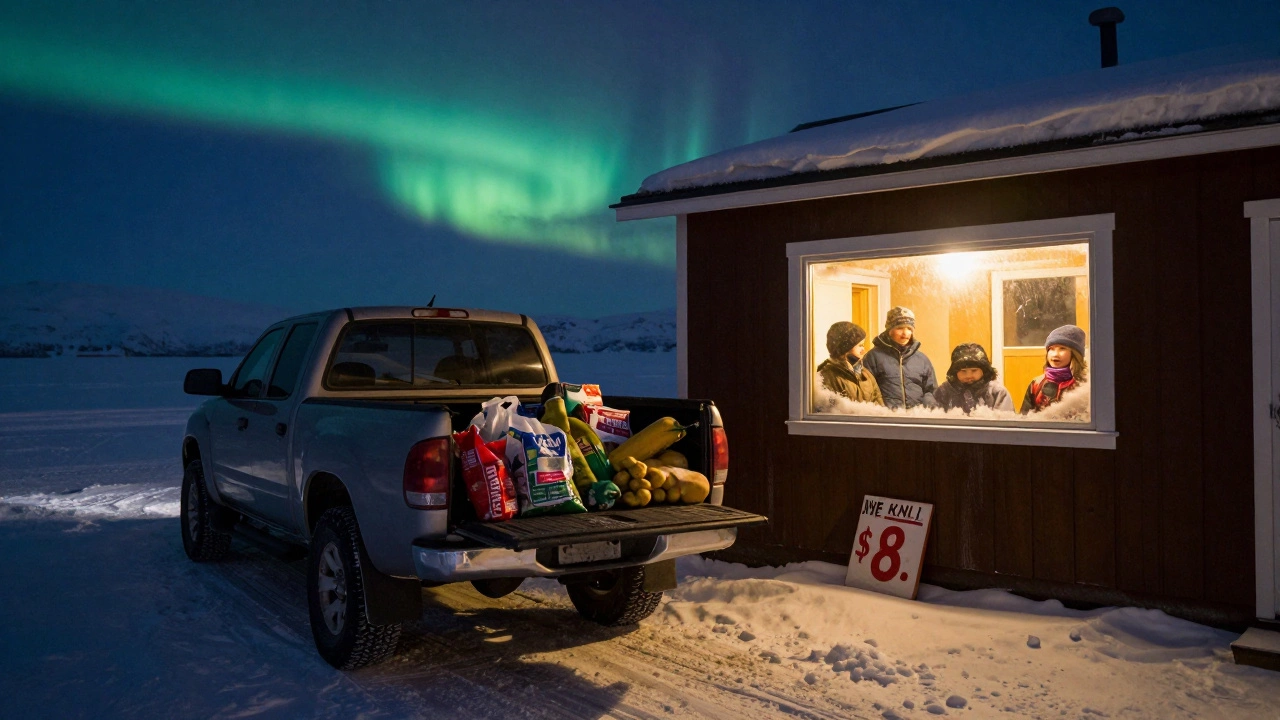
Alaska might look like a quiet escape, but it’s one of the most expensive places to live. The state has no sales tax, which sounds good-until you realize everything you need has to be flown or shipped in. A bag of potatoes? $8. A pack of diapers? $12. A can of soup? $7. These aren’t outliers-they’re normal prices.
Housing is scarce and costly. The median rent is $1,900, but in rural towns like Nome or Barrow, you’ll pay $3,000+ for a studio because of limited supply and high demand from oil and mining workers. Heating your home in winter? You’ll spend $300-$500 a month on oil or propane. And forget about grocery delivery-most places don’t have it. You drive 50 miles to the nearest Walmart, just to stock up.
Even basic services are expensive. A doctor’s visit can cost $200 without insurance. A plumber? $150 an hour. And because of the state’s isolation, labor shortages mean prices stay high year-round. You don’t just pay more-you pay more for less.
What About Other States?
Other states like New Jersey, Massachusetts, and Oregon also rank high, but they’re not in the same league as Hawaii, California, and Alaska. New Jersey has high property taxes. Massachusetts has expensive housing near Boston. Oregon has rising rent in Portland. But none of them combine the full package of extreme housing, utilities, taxes, and goods prices like the top three.
For example, in New Jersey, you might pay $2,500 for rent, but your electricity bill is $120, gas is $3.80 a gallon, and groceries are close to national average. In Hawaii, you pay $2,800 for rent, $400 for electricity, $6 for gas, and $15 for a loaf of bread. The difference isn’t just in one category-it’s in every single one.
Why This Matters for Holiday Planning
If you’re looking for a holiday deal, avoid planning a trip to Hawaii, California, or Alaska unless you’re prepared to pay premium prices. Even during off-seasons, flights to these places are expensive, rental cars cost more, and hotels rarely offer discounts because demand stays high. A $400 hotel room in Florida might be $900 in Honolulu. A $150 dinner in Orlando could be $280 in San Francisco.
And if you’re thinking of relocating for work or retirement, these states aren’t just expensive-they’re risky. Without a high salary, you’ll struggle to keep up. A nurse making $75,000 in California might live in a garage apartment. A teacher in Hawaii might work two side jobs just to afford gas.
What Can You Do?
If you’re trying to save money, consider these alternatives:
- Look at states with no income tax: Texas, Florida, Nevada, Tennessee
- Choose areas with lower housing costs: Midwest cities like Des Moines, Toledo, or Wichita
- Compare utility costs-states with cheap electricity (like Idaho or Washington) save hundreds a year
- Check local tax rates on groceries and medicine-some states exempt them
There’s no magic fix, but knowing where costs are worst helps you avoid traps. You don’t need to live in a state with perfect weather if you’re drowning in bills. Sometimes, the best decision isn’t about where you want to be-it’s about where you can actually afford to be.
Which state has the highest cost of living in 2026?
As of 2026, Hawaii remains the state with the highest cost of living in the U.S. It leads in housing, utilities, groceries, and transportation costs. Rent, electricity, and food prices are all significantly above the national average, making daily expenses unsustainable for most middle-income earners.
Why is housing so expensive in Hawaii?
Housing in Hawaii is expensive due to limited land, strict zoning laws, and high construction costs. Most building materials must be shipped in, adding 30% or more to prices. Demand from both residents and tourists keeps rental and home prices high, while supply remains low. The median home price exceeds $850,000, and a one-bedroom apartment averages $2,800 per month.
Is California more expensive than Hawaii?
California is expensive, but Hawaii is worse overall. While California has higher median incomes and more job opportunities, its housing costs are still extremely high-especially in coastal cities. However, Hawaii beats California in almost every category: groceries, utilities, gas, and even basic services. A person earning the same salary will have far less disposable income in Hawaii.
What state has the lowest cost of living?
Mississippi has the lowest cost of living in the U.S. Housing, groceries, utilities, and transportation are all significantly cheaper than the national average. The state also has no state income tax, and property taxes are among the lowest. A person earning $50,000 a year can live comfortably, even in larger cities like Jackson or Gulfport.
How does the cost of living affect holiday deals?
Holiday deals are rare in high-cost states because demand stays steady year-round. Hotels, rental cars, and restaurants rarely offer discounts because they know people will pay. In contrast, states with lower costs of living-like Georgia, Tennessee, or Ohio-often have better seasonal deals, especially outside peak tourist times. If you want value, avoid booking trips to Hawaii or California unless you’re planning to spend generously.