Self-Catering Reality Check & Budget Planner
Planning a cottage stay? Use this tool to estimate your total trip cost by accounting for hidden extras like firewood, towels, and groceries, and get a customized packing checklist.
Estimated Total Trip Cost
Your Packing Checklist
Based on your selections, don't forget to pack:
Universal Tips
- Download movies/playlists before arrival (Wi-Fi may be weak).
- Read the house manual immediately upon check-in.
- Take photos of the property at check-in/out for deposit safety.
Enter your trip details to see your estimated costs and packing list.
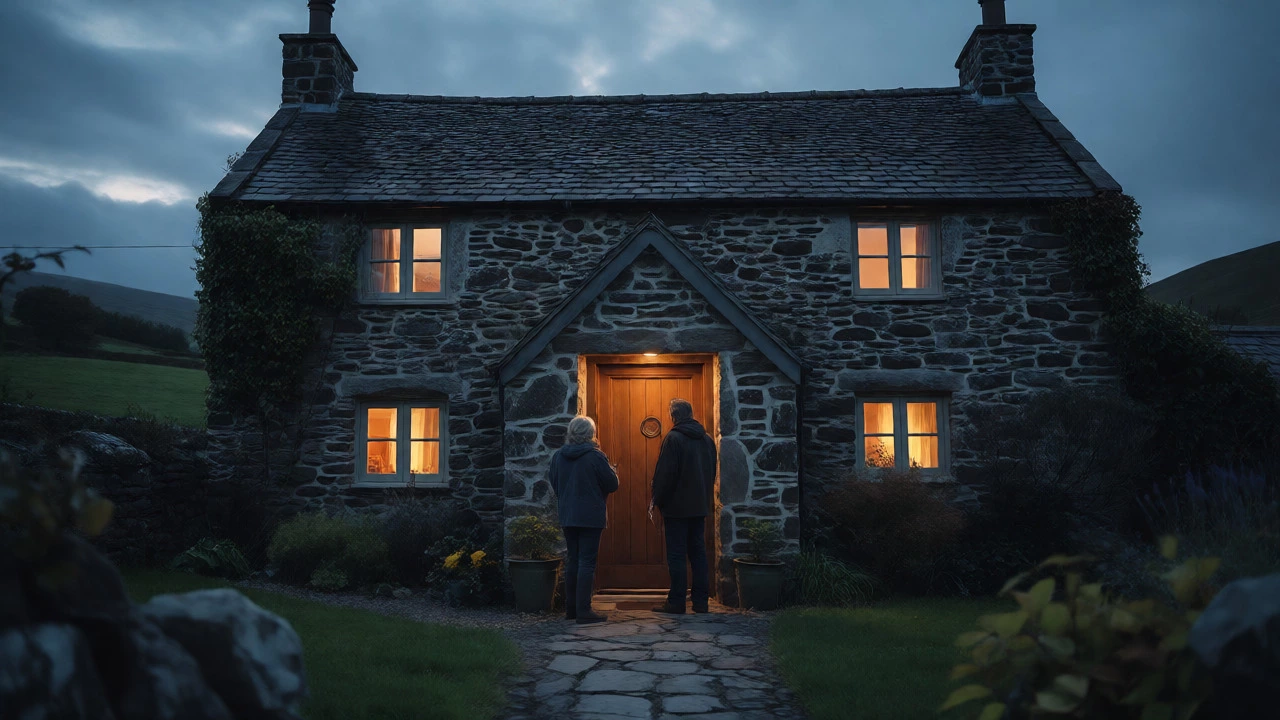
You’ve booked the cottage. The photos looked charming, the reviews were glowing, and you’re ready for a break from hotel breakfast queues and noisy lobbies. But here’s the thing: self-catering accommodation is not just "a house you rent." It’s a different beast entirely compared to hotels or B&Bs. If you go in expecting a bellhop to unpack your bags or a minibar stocked with chocolate, you’ll be disappointed. If you know what to expect, though, it’s freedom on tap.
I’ve stayed in dozens of these places across the UK, from damp farmhouses in Wales to sleek apartments in Bath. The difference between a stressful trip and a relaxing one usually comes down to preparation. This guide breaks down exactly what you get, what you don’t, and how to avoid the classic rookie mistakes.
The Core Promise: Independence, Not Service
The biggest shift in mindset is this: you are the staff. In a hotel, service is invisible because it’s always there. In a self-catering unit, service is absent unless you pay extra for cleaning (which is rare mid-stay). You cook, you clean, you manage the heating, and you handle any minor issues yourself.
This independence is the main selling point. You can eat at 2 AM if you want. You can wear pyjamas all day. You can invite friends over without worrying about lobby dress codes. But it requires a level of personal responsibility that many first-timers underestimate. Before you pack, ask yourself: do I want to relax by being waited on, or do I want to relax by having total control over my environment? If it’s the latter, you’re in the right place.
Kitchen Reality Check: More Than Just an Oven
Most listings say "fully equipped kitchen." That phrase is dangerous. What does "equipped" actually mean?
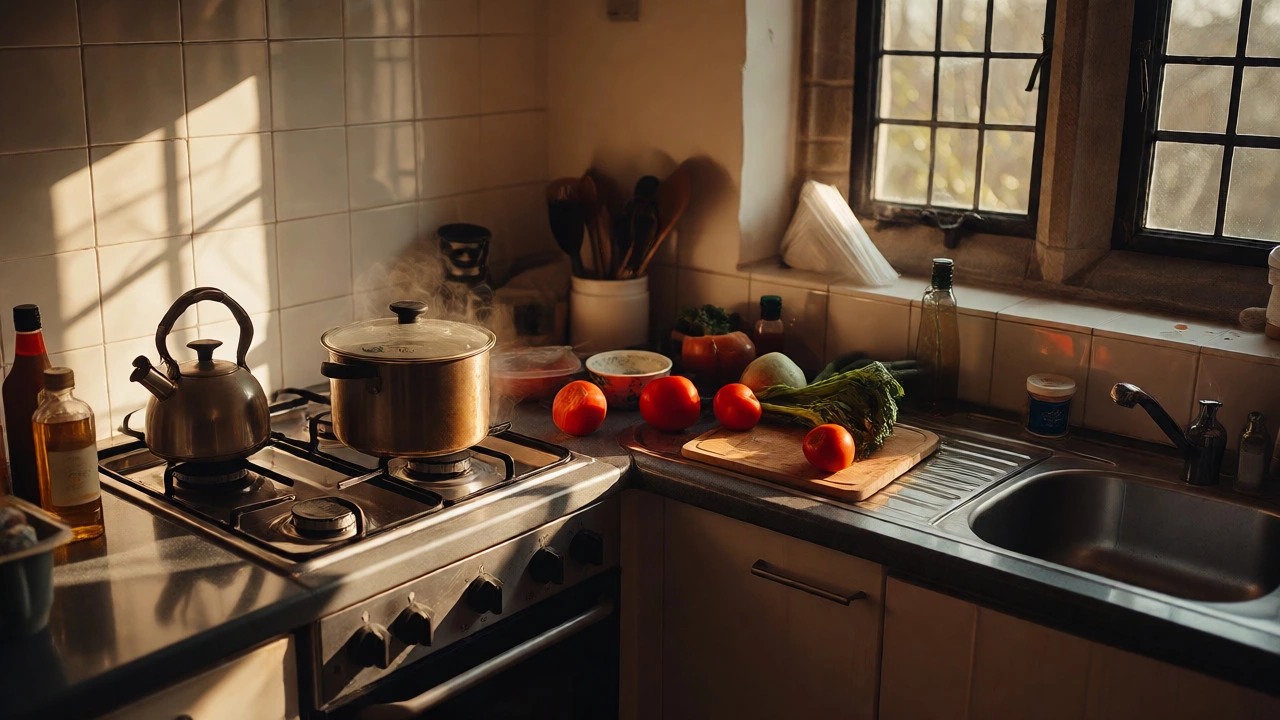
In my experience, a standard self-catering kitchen includes:
- A fridge/freezer combo (check if the freezer works; ice cubes are a luxury).
- An oven and hob/stove (gas vs. electric matters for cooking style).
- A kettle and toaster (non-negotiable).
- Basic utensils: pots, pans, knives, chopping board.
- Dishes: plates, mugs, cutlery, wine glasses.
What’s often missing? Coffee machines (unless specified), blenders, specialized baking trays, or high-quality chef’s knives. If you plan to roast a whole chicken, check the oven size. If you plan to make smoothies, bring your own blender or buy one locally-it’s cheaper than renting equipment.
Pro Tip: Read the fine print on the listing platform. Some cottages provide only basic oil and salt. Others provide nothing but water. Assume you need to buy condiments, dishwasher tablets, bin liners, and toilet paper unless explicitly stated otherwise.
Bedding and Linen: The Hidden Cost
Hotels change sheets daily. Self-catering units rarely do. Most include bed linen (sheets, duvet covers, pillowcases) in the rental price, but towels are hit-or-miss. Some charge £5-£10 per person for towel packs; others provide none.
Check the "Amenities" section carefully. Look for keywords like "linen provided" or "towels available for hire." If it’s ambiguous, email the host before you book. Nothing ruins a beach holiday vibe faster than realizing you have no way to dry off after a swim because you assumed towels were included.
Also, consider the mattress quality. Reviews are your best friend here. Search for words like "firm," "soft," or "uncomfortable." If multiple people mention back pain, believe them. You can’t return a bad night’s sleep.
Connectivity and Entertainment: Don’t Assume Wi-Fi Works
Cottages in rural areas-especially stone-built ones-often struggle with internet signals. Thick walls block Wi-Fi. A listing might say "Wi-Fi available," but that could mean a weak signal in the hallway and zero bars in the bedroom.
If you need reliable internet for work or streaming, look for specific mentions of "fibre broadband" or "4G/5G coverage." Ask the host directly: "Does the Wi-Fi reach the upstairs bedrooms?" Be prepared to download movies or playlists beforehand as a backup.
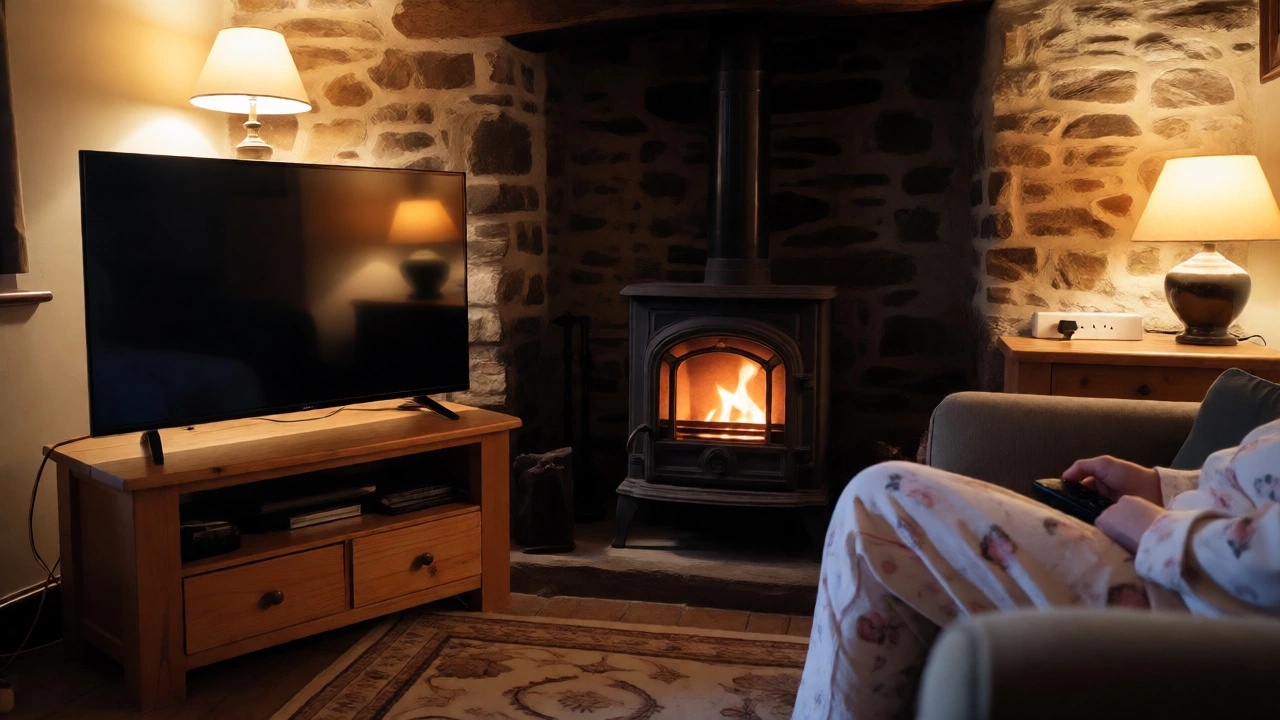
TVs are another area where expectations differ. Many older cottages have small TVs with limited channels. Smart TVs are common now, but don’t assume you’ll have Netflix or Disney+ pre-installed and logged in. Bring your own streaming stick (like a Roku or Fire Stick) if you rely on specific apps. It takes ten seconds to plug in and saves hours of frustration.
Heating and Utilities: The Winter Trap
This is critical for trips outside summer months. Heating methods vary wildly. You might encounter:
- Central Gas Heating: Reliable, set via a timer. Easy to use.
- Electric Storage Heaters: Common in older properties. They heat up during off-peak hours and release heat slowly. They are hard to control instantly.
- Wood Burners: Cozy, but you must buy wood. It’s messy and time-consuming. Never assume logs are free.
- Air Source Heat Pumps: Efficient but slow to warm up cold rooms.
Always ask how the heating works. In a wood burner cottage, budget £20-£30 for logs. In an electric heater cottage, understand that turning it on at 6 PM won’t warm the room until 8 PM. Plan accordingly. Also, check if utilities (electricity, gas, water) are included in the price. While most UK rentals include them, some remote cabins charge per kWh or have caps on usage.
Cleaning Rules: The Deposit Saver
Self-catering isn't "leave it how you found it" in the same way a hotel room is. There’s usually a strict checkout list. Failure to follow it can cost you part of your deposit.
Typical requirements include:
- Taking out all rubbish bins (including recycling).
- Leaving the oven and hob clean.
- Running the dishwasher (or washing up if there isn’t one).
- Stripping beds (sometimes required, sometimes not).
- Vacuuming floors if you’ve tracked in mud.
Read the house manual immediately upon arrival. Hosts are often lenient if you communicate early, but they are less forgiving if you leave a mountain of dirty dishes and a full bin bag when you depart. A quick wipe-down of surfaces and taking out the trash goes a long way.
Comparison: Hotel vs. Self-Catering
To help you decide which fits your current mood, here’s a realistic breakdown based on typical costs and experiences in the UK market.
| Feature | Hotel/B&B | Self-Catering Cottage |
|---|---|---|
| Food Costs | High (restaurant meals) | Low (grocery shopping) |
| Space | Room + Lobby | Whole property (living/kitchen/garden) |
| Privacy | Low (staff/fellow guests) | High (no shared spaces) |
| Effort Required | Minimal | Moderate (cooking/cleaning) |
| Flexibility | Rigid meal times/check-ins | Total freedom |
| Best For | Couples, solo travelers, short stays | Families, groups, longer stays, cooks |
Packing List: What to Bring Beyond Clothes
Because self-catering lacks certain conveniences, your packing list should reflect that. Here’s a non-obvious checklist based on common gaps:
- Bin Liners: Often forgotten. Buy a roll.
- Dish Soap & Sponge: Provided sometimes, but often old or missing.
- Spices: Salt, pepper, olive oil, garlic powder. Makes basic food taste better.
- Power Strips: Older houses have few sockets.
- Earplugs/Eye Mask: Rural silence can be loud (birds, sheep, wind).
- Local Map: GPS fails in valleys. Paper doesn’t run out of battery.
Final Thoughts: Manage Expectations, Maximize Enjoyment
Self-catering accommodation offers a unique blend of home comforts and travel adventure. It’s not perfect-it requires effort-but it rewards you with space, privacy, and cost savings. The key is transparency. Read reviews critically, ask hosts direct questions, and pack for self-sufficiency. Once you adjust your mindset from "guest" to "temporary resident," you’ll find that the charm of a cottage lies precisely in its imperfections and the freedom they allow.
Are towels usually included in self-catering rentals?
It varies significantly. Bed linen is almost always included, but towels are frequently charged as an add-on (typically £5-£10 per person) or omitted entirely. Always check the listing details or contact the host to confirm before booking to avoid unexpected fees or bringing your own.
Do I need to buy firewood for a log burner?
Yes, in most cases. Unless the listing explicitly states "logs included," you should assume you need to purchase them. Expect to spend around £20-£30 for enough wood for a weekend stay. Buying local wood supports the community and ensures you have fuel readily available.
Is Wi-Fi guaranteed in rural cottages?
No. While many listings advertise Wi-Fi, signal strength can be poor in stone-built or remote properties due to thick walls and distance from exchanges. Look for mentions of "fibre broadband" or ask the host specifically about speed and coverage in sleeping areas. Having a mobile data hotspot as a backup is wise.
What happens if I break something in the cottage?
You are generally liable for accidental damage beyond fair wear and tear. Report it honestly to the host as soon as possible. Minor accidents (like a broken glass) are often overlooked or covered by insurance, but significant damage may be deducted from your security deposit. Communication is key to resolving issues amicably.
Can I arrive late at night?
This depends on the access method. Modern properties often use keyless entry (smart locks or lockboxes) allowing 24/7 self-check-in. Traditional keys may require meeting the host, who might not be available late at night. Confirm the check-in procedure and flexibility before booking if you anticipate a late arrival.