Elite Travel Cost Estimator
Calculate the estimated cost for ultra-high-net-worth holiday experiences based on 2026 market rates.
Estimated Total Cost
Forget the crowded beaches of Ibiza or the packed terminals of Heathrow. If you have more money than you can spend in a lifetime, your holiday looks nothing like ours. While most of us are fighting for a seat on a budget airline, the world’s wealthiest individuals are booking private jets to remote corners of the globe that don’t even appear on standard maps. But where exactly do they go? And more importantly, what does their version of 'relaxation' actually look like?
In 2026, the definition of luxury has shifted dramatically. It is no longer just about gold taps and thread counts. For the ultra-high-net-worth (UHNW) individual, true luxury is privacy, exclusivity, and access to experiences that money usually cannot buy. From buying out entire hotels to chartering superyachts through the Mediterranean, these travelers operate in a parallel universe of hospitality.
The Rise of the Private Island Escape
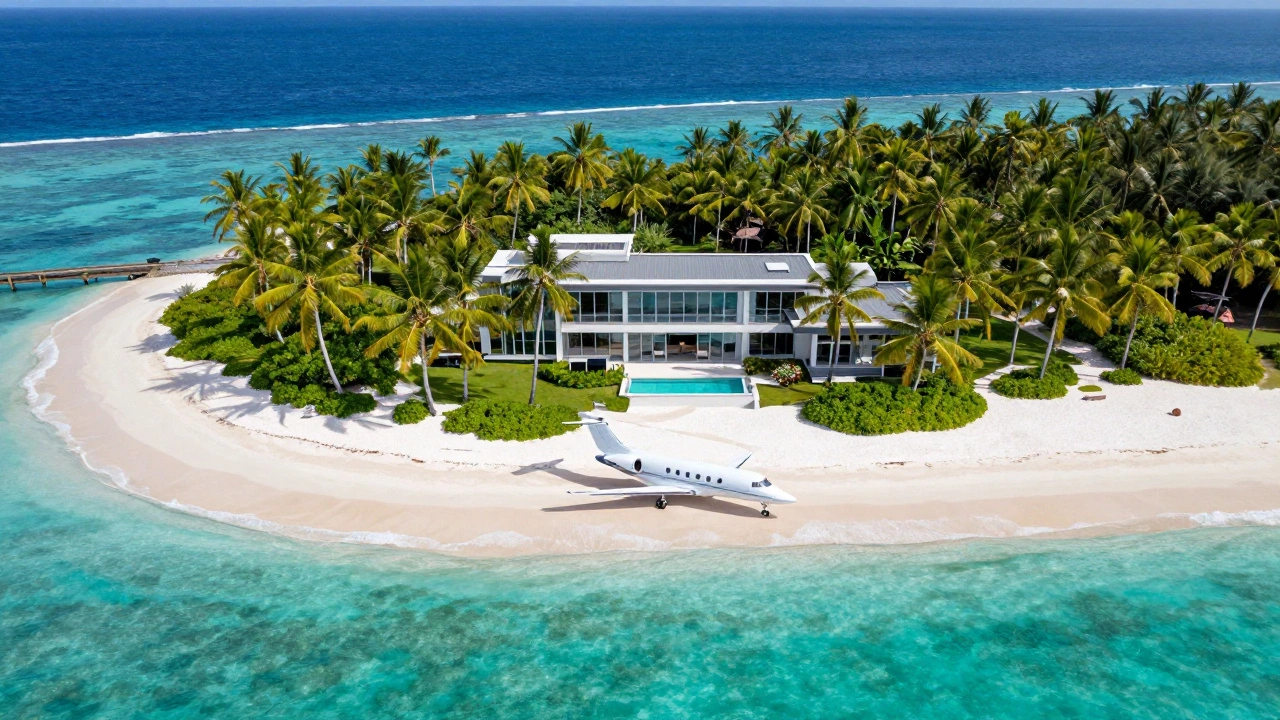
If you want to disappear completely, you need an island. Specifically, a private one. This remains the holy grail for celebrities, tech billionaires, and royalty who crave total isolation. In recent years, the trend has moved away from owning islands to renting them exclusively for short stays, offering flexibility without the massive maintenance costs.
Niue, a self-governing state in free association with New Zealand, has become a hotspot for this type of travel. With only around 1,600 residents, it offers pristine coral reefs and zero crowds. Similarly, The Bahamas continues to dominate the market with properties like Harbour Island, where guests can rent entire estates with staff, chefs, and security teams dedicated solely to them.
- Total Privacy: No paparazzi, no random tourists, just you and your entourage.
- Customization: Menus, activities, and schedules are tailored entirely to your preferences.
- Security: Perimeter control ensures safety and confidentiality.
However, this comes at a steep price. Renting a private island in the Caribbean can cost upwards of £50,000 per night, not including the charter flights required to get there. For those seeking something slightly more accessible but still exclusive, St. Barts in the French West Indies remains the go-to destination. Here, the wealthy flock to spots like Petite Anse Beach, but they do so from the comfort of beachfront villas with personal concierges.
Superyacht Cruising: The Floating Fortress
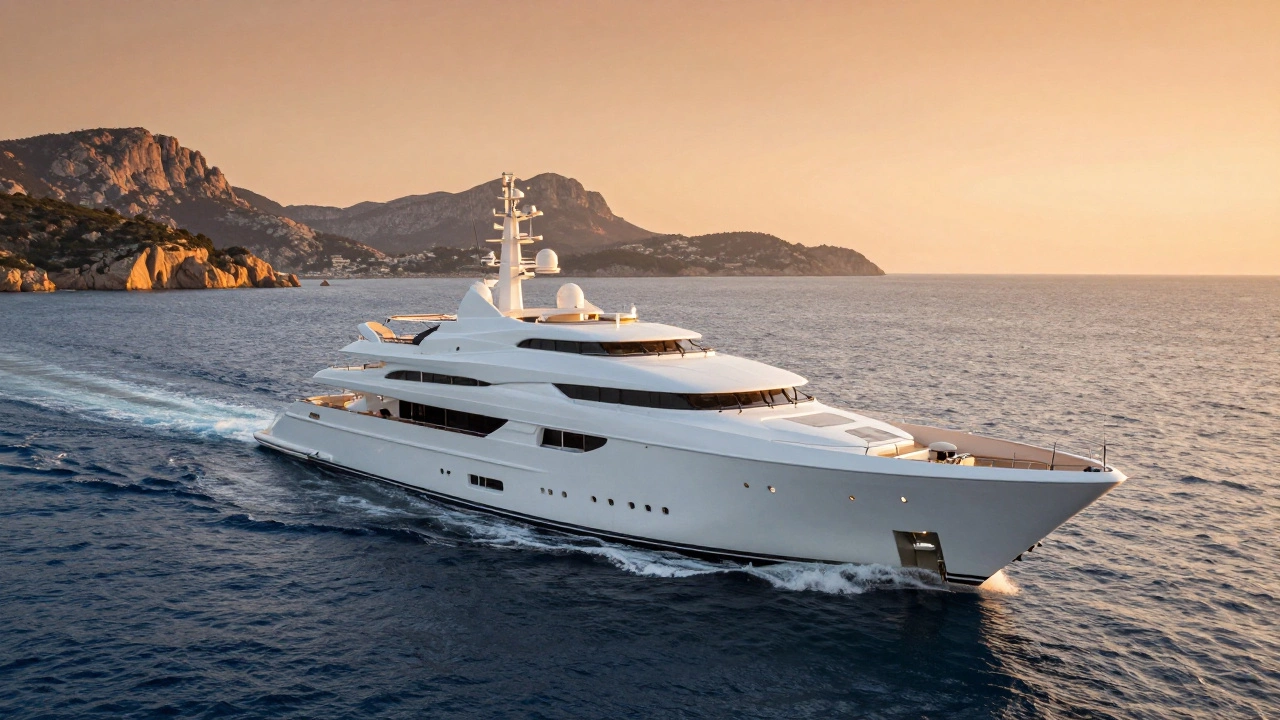
Why stay in one place when you can move your home across the ocean? Superyacht charters have seen a surge in popularity post-pandemic, as travelers prioritize health safety and social distancing. A modern superyacht is essentially a floating five-star hotel with a crew of 20 to 40 people.
In 2026, the average daily rate for a 100-foot yacht in the Mediterranean hovers around €30,000 to €50,000. For larger vessels over 150 feet, prices can exceed €100,000 per day. These yachts offer amenities that rival any land-based resort: helipads, submarines, gyms, cinemas, and even basketball courts.
| Destination | Best Season | Key Attraction | Avg. Daily Charter Cost |
|---|---|---|---|
| Mediterranean (French Riviera) | June - September | Glamour, nightlife, historic ports | €40,000+ |
| Caribbean | December - April | Tropical weather, secluded coves | €35,000+ |
| Southern Africa (Cape Town) | November - March | Whale watching, wine regions | €25,000+ |
The appeal isn't just the boat; it's the itinerary. You wake up in Monaco, sail to Corsica for lunch, and anchor in a hidden bay in Sardinia for the night. There are no check-in lines, no baggage claims, and no tourist traps-unless you choose to visit them.
Boutique Glamping and Eco-Luxury Retreats
Interestingly, not all wealthy travelers seek opulence in the traditional sense. A growing segment of the elite prefers 'quiet luxury' combined with sustainability. This has led to the rise of high-end glamping and eco-luxury retreats in remote natural settings.
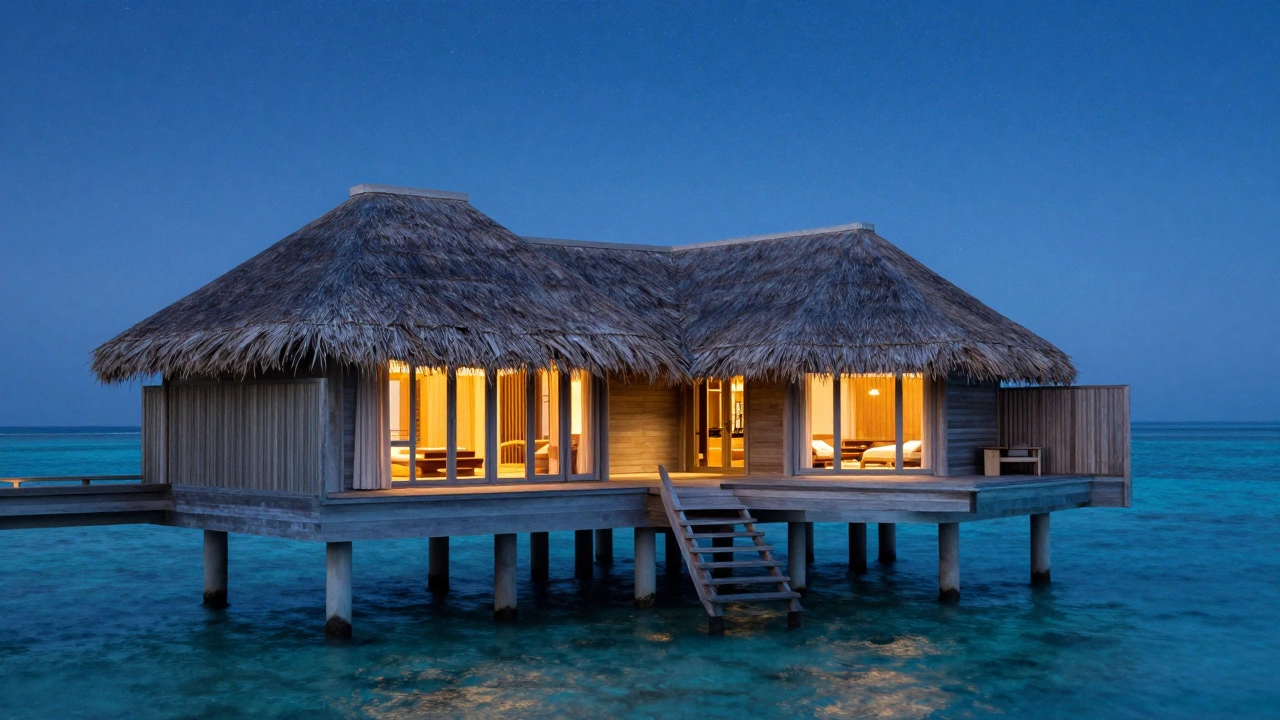
Consider Soneva Fushi in the Maldives. Here, guests live in overwater villas made from sustainable materials, with no shoes allowed and no televisions. The focus is on stargazing, diving, and organic dining. Despite the rustic aesthetic, nightly rates start at £2,000 and can go well beyond £10,000 for larger residences.
In Europe, Finca Cortesín in Spain offers a blend of historic grandeur and agricultural sustainability. Guests participate in olive oil tastings and wine blending sessions while staying in restored farmhouses with Michelin-starred chefs on site. This trend reflects a broader shift among the wealthy towards meaningful experiences rather than mere consumption.
The Art of Buying Out Entire Hotels
When privacy is paramount, some billionaires take the ultimate step: they buy out the entire hotel. This practice, known as 'buyouts,' allows groups of friends or families to enjoy complete exclusivity in iconic locations.
Popular destinations for buyouts include Amangiri in Utah, USA, which sits amidst stunning desert landscapes, and Four Seasons Resort Hualalai in Hawaii. During peak seasons, the cost to buy out a small boutique hotel can range from £1 million to £5 million for a week.
This approach eliminates any interaction with other guests. Staff ratios increase dramatically, often reaching one staff member per guest. Services are hyper-personalized: if you want breakfast at 7 AM on Monday and 9 AM on Tuesday, it happens. If you want the pool heated to a specific temperature, it’s done instantly.
Arctic Expeditions and Polar Luxury
For those who have seen every tropical beach, the next frontier is the poles. Arctic and Antarctic expeditions have evolved from rugged scientific missions to luxurious adventures. Companies like Silversea Cruises and Quark Expeditions offer all-inclusive packages that include expert guides, gourmet dining, and comfortable cabins.
A trip to Antarctica can cost anywhere from £15,000 to £100,000 per person, depending on the level of luxury and duration. Highlights include landing on ice shelves, kayaking among penguins, and visiting research stations. The allure lies in the untouched beauty and the sheer difficulty of accessing these regions, making it a badge of honor for adventurous elites.
How to Access These Exclusive Holidays
You might wonder if these experiences are completely out of reach. While the prices are daunting, there are ways to access parts of this world. Many luxury travel agencies now offer 'taster' packages that include stays in exclusive villas or short yacht charters. Additionally, membership clubs like Relais & Châteaux provide access to curated luxury accommodations worldwide.
Another option is timing. Off-season travel to popular luxury destinations can significantly reduce costs. For example, visiting the French Riviera in late autumn or early spring avoids the summer rush and lowers prices by up to 40%. Similarly, Caribbean yachts are cheaper during hurricane season (though with obvious risks).
Finally, consider sharing. Some wealthy individuals organize group trips, splitting the cost of a private jet or villa. Platforms like JetSmarter (though evolving) have pioneered fractional ownership models for air travel, making private flights more accessible to high-earners who aren't quite billionaires.
What is the most common holiday destination for billionaires?
The most common destinations include St. Barts, the French Riviera, and private islands in the Caribbean. These locations offer a mix of glamour, privacy, and high-end infrastructure.
How much does a superyacht charter cost per day?
Prices vary widely based on size and amenities. A 100-foot yacht typically costs €30,000-€50,000 per day, while larger vessels can exceed €100,000 daily. Additional costs include fuel, food, and port fees.
Can regular tourists visit private islands?
Generally, no. Private islands are rented exclusively. However, some islands have public areas or nearby resorts that cater to general tourists. Always check access policies before planning a trip.
Is eco-luxury travel really sustainable?
It depends on the provider. Reputable eco-luxury brands invest in renewable energy, waste reduction, and local community support. Look for certifications like EarthCheck or Green Globe to verify claims.
What is a hotel buyout?
A hotel buyout involves renting an entire property for a set period, ensuring no other guests are present. This provides maximum privacy and personalized service, often costing hundreds of thousands of pounds per week.