UK Relaxation Destination Matcher
The "most relaxing" place depends entirely on what is draining you. Answer these three questions to discover which UK destination aligns best with your current mental state and travel style.
Pro Tips for This Location:
You’re scrolling through your phone at 11 PM, blue light burning your eyes, and you think: "I need to disappear." Not literally-just somewhere the noise stops. Maybe it’s the hum of traffic, the ping of emails, or just the sheer volume of modern life. You want silence. You want space. But you don’t have time for a ten-hour flight to Bali.
Here’s the truth: The most relaxing place in the UK isn't one single spot on a map. It depends entirely on what drains you. If city chaos fries your nerves, you need vast emptiness. If digital overload is your enemy, you need a place with no signal. If burnout has left you hollow, you might need gentle warmth rather than cold winds.
Why We Crave Quiet (And Where to Find It)
We aren’t just talking about sitting on a bench. True relaxation lowers cortisol, slows your heart rate, and resets your attention span. Science backs this up. A study published in Environmental Health Perspectives found that spending just 120 minutes a week in nature significantly boosts health and wellbeing. That’s less than two hours. Yet, finding those two hours without driving four hours to get there is the challenge.
Most people mistake "remote" for "relaxing." They aren’t the same. A remote mountain peak can be stressful if you’re exhausted from the hike. A busy seaside town can be relaxing if you’re there for the sound of waves, not the crowds. So, let’s break down the best options based on what kind of stress you’re carrying.
| Destination | Best For | Sensory Profile | Accessibility | Crowd Level (Low Season) |
|---|---|---|---|---|
| Isle of Skye | Nature lovers & hikers | Dramatic, windy, visual | Ferry + Drive | Moderate |
| Lake District | Readers & walkers | Green, misty, quiet | Train + Bus | High (Summer), Low (Winter) |
| Pembrokeshire Coast | Coastal strollers | Breezy, salty, open | Drive | Low |
| Norfolk Broads | Slow travelers | Flat, watery, silent | Train + Boat | Very Low |
| Snowdonia (Eryri) | Stargazers | Dark, rugged, still | Train | Low |
The Isle of Skye: Drama That Soothes
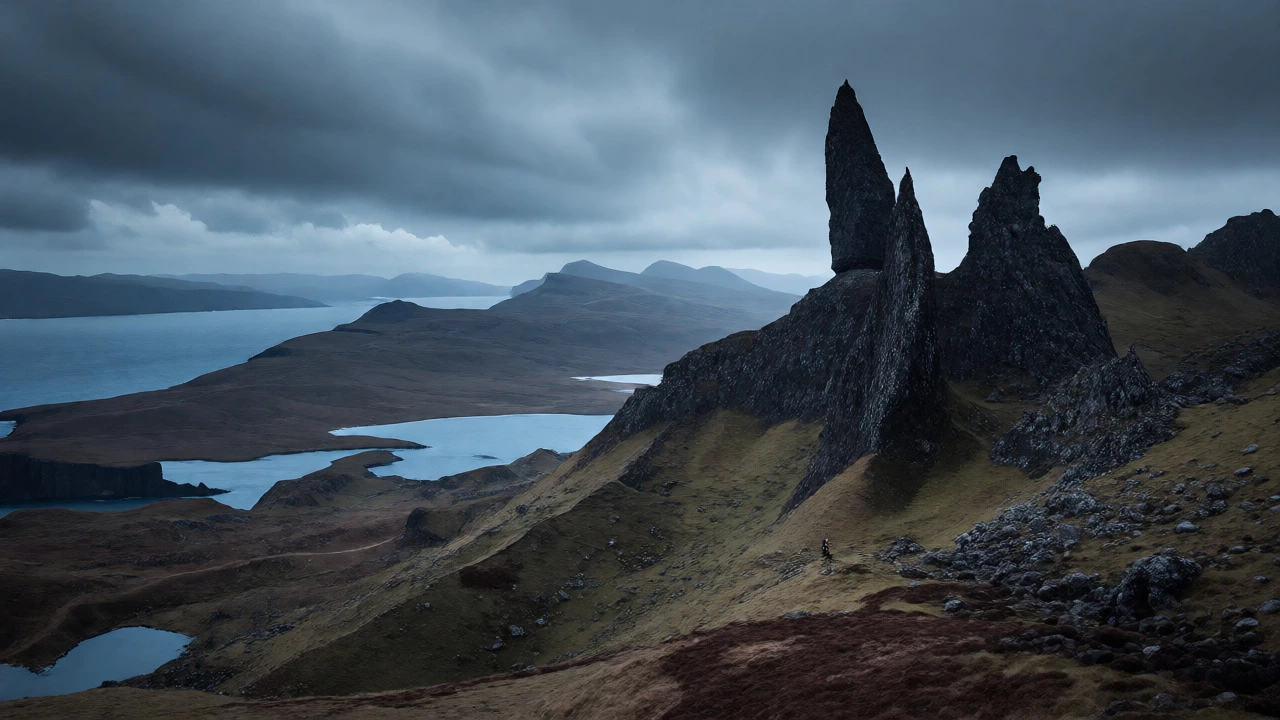
If your stress feels like tight knots in your shoulders, you need something big enough to make your problems feel small. Enter Isle of Skye. This Scottish island is part of the Inner Hebrides and offers some of the most dramatic landscapes in Europe. Think jagged black rock cliffs dropping into deep blue sea. It’s intense, but it’s a clean intensity.
Why does it work? Psychologists call this "awe." When you stand at the Quiraing or look up at the Old Man of Storr, your brain shifts out of self-referential thinking. You stop worrying about your inbox because you’re too busy processing the sheer scale of the geology. The air smells like peat and salt. There are no skyscrapers here. Just sky.
Pro Tip: Avoid Portree on a Saturday in July. Go to the Trotternish Peninsula instead. Stay in a cottage in Staffin. The lack of streetlights means you can see the Milky Way with your naked eye. That perspective changes how you view your Monday morning meeting.
The Lake District: Green Silence for Overthinkers
Maybe you don’t need drama. Maybe you need softness. The Lake District in Cumbria is perfect for this. It’s not just one lake; it’s a network of water bodies surrounded by fells. The key here is the color green. Studies show that viewing green spaces reduces mental fatigue faster than urban environments.
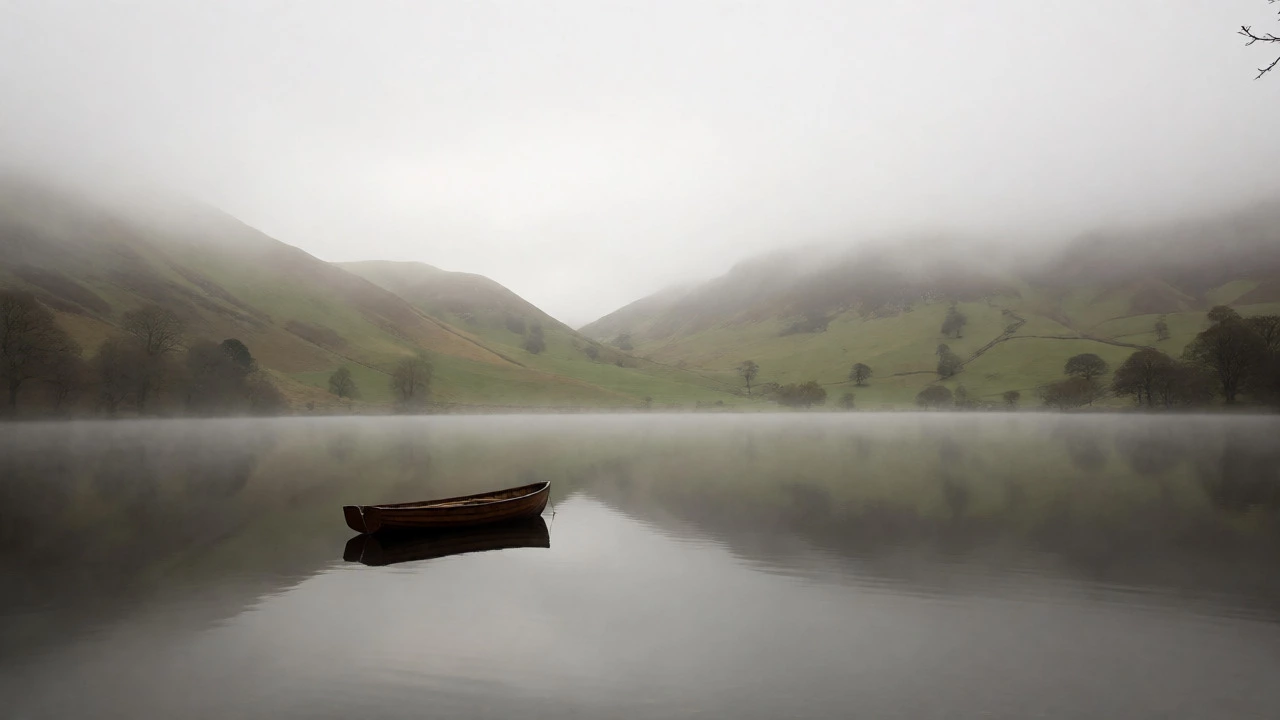
But here’s the catch: The Lake District gets packed. To actually relax, you must go off-peak. November and February are magic months. The tourists are gone. The mists roll in over Windermere or Derwentwater. You can rent a rowboat and paddle until your arms ache, then sit in total silence. No engine noise. Just oars dipping in water.
If you hate driving, take the train to Oxenholme or Penrith. Then hop on a bus. The journey itself starts the decompression process. Watching the flat fields turn into rolling hills helps your brain shift gears from "commute mode" to "rest mode."
Pembrokeshire Coast: The Power of Salt Air
Some people find mountains claustrophobic. They need horizon lines. The Pembrokeshire Coast National Park in Wales offers miles of unbroken coastline. It’s one of the few places in the UK where you can walk for hours without seeing another person.
The Pembrokeshire Coast Path is famous, but you don’t need to do the whole thing. Pick a section near Tenby or Saundersfoot. The sensory experience here is specific: the smell of iodine, the sound of gulls, the feeling of wind against your face. This is "blue mind" theory-the idea that being near water puts us in a mildly meditative state.
Unlike the crowded beaches of Cornwall, Pembrokeshire feels wilder. It’s less manicured. The paths are rocky, the pubs serve real ale, and the pace is slower. If you’re feeling guilty about doing nothing, this place gives you permission. Walking on sand burns calories, so you’re technically "exercising," which makes the nap afterward feel earned.
Norfolk Broads: Flatland Zen
What if you hate hills? What if climbing stairs exhausts you? Then head east to the Norfolk Broads. This is a network of navigable rivers and lakes created by medieval peat digging. It’s flat as a pancake. And that flatness is the point.
Hiring a narrowboat here is the ultimate slow travel hack. You move at walking pace. You can’t rush. If you try to speed, you’ll miss a turn or hit a bank. This forces mindfulness. You watch reeds sway. You listen to birdsong. At night, you moor up in a quiet tributary and cook dinner on board.
This is ideal for couples or solo travelers who want zero decision fatigue. The route is simple. The food is local (try the Cromer crab). The silence is profound. It’s not empty silence; it’s full silence, filled with the sounds of wildlife. Herons, kingfishers, and the occasional otter become your neighbors.
Snowdonia (Eryri): Darkness and Stars
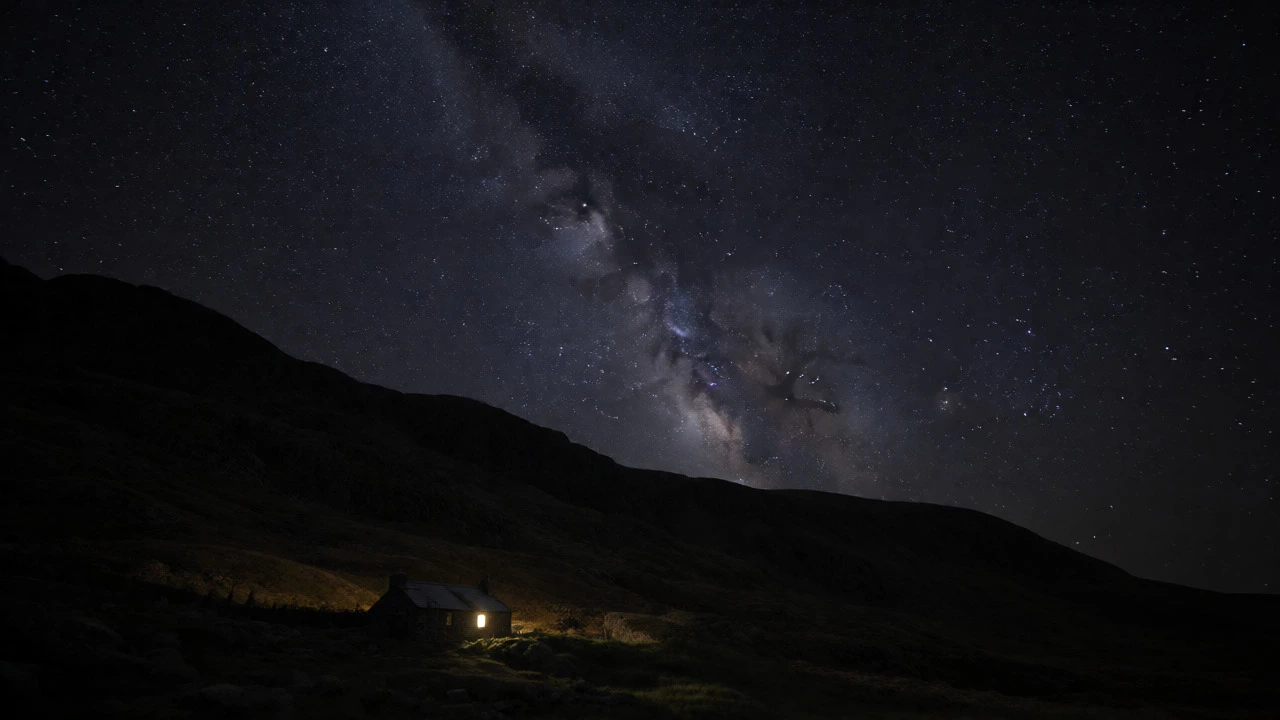
In an age of constant notifications, true darkness is rare. Snowdonia National Park, now officially called Eryri, is home to the Snowdonia International Dark Sky Reserve. This is one of the largest protected dark sky areas in the world.
Relaxation often comes from disconnecting. Here, you can’t check your phone much because there’s barely any signal. That’s a feature, not a bug. Spend an evening at Llyn Peris or Yr Wyddfa (Snowdon) under a blanket of stars. The visual simplicity of a starry sky calms the nervous system. It reminds you of your place in the universe, which tends to shrink personal worries.
Stay in a cabin in Betws-y-Coed or Beddgelert. Wake up early. The light is soft. The air is crisp. Hike gently. Don’t summit the peak if you’re tired. Just walk the valleys. The sense of isolation here is comforting, not lonely.
How to Choose Your Spot
Don’t just pick the prettiest photo. Pick the right environment for your current mental state.
- Feeling anxious? Go to the Lake District. The enclosed valleys feel safe and protective.
- Feeling numb/burnt out? Go to Isle of Skye. The awe and drama will jolt you back to life.
- Feeling overwhelmed by decisions? Go to the Norfolk Broads. The boat dictates the pace. You just steer.
- Feeling trapped? Go to Pembrokeshire. The endless horizon suggests infinite possibilities.
- Feeling overstimulated? Go to Snowdonia. The darkness cuts off visual noise.
Practical Tips for a Truly Relaxing Trip
Going to a relaxing place doesn’t guarantee relaxation. You can bring your stress with you if you plan poorly. Here’s how to avoid that trap.
- Book less. Do not schedule three activities per day. One is plenty. Leave half the day blank.
- Disconnect digitally. Turn off non-essential notifications. Better yet, leave your phone in the room while you eat breakfast.
- Travel off-peak. Midweek in October or February is cheaper and quieter. You’ll actually hear yourself think.
- Choose accommodation wisely. A hotel with a pool is fine, but a cottage with a fireplace and no Wi-Fi is better for resetting. Look for places rated highly for "quiet" on booking sites.
- Pack light. Heavy bags cause physical tension. Bring books, warm layers, and comfortable shoes. Leave the work laptop at home.
FAQ: Finding Peace in the UK
Which is more relaxing: Scotland or Wales?
It depends on your preference for terrain. Scotland (like Skye) offers dramatic, high-energy scenery that inspires awe. Wales (like Pembrokeshire or Snowdonia) offers rugged but accessible landscapes with a slightly warmer, more community-focused vibe. If you want solitude and grandeur, choose Scotland. If you want coastal walks and dark skies, choose Wales.
Is the Lake District too crowded to relax?
In peak summer, yes, popular spots like Ambleside and Bowness can be very crowded. However, the Lake District is large. If you stay in smaller villages like Coniston or Grasmere, or visit during shoulder seasons (spring/autumn), it remains one of the most peaceful places in England. The key is avoiding the main tourist hubs during school holidays.
What is the cheapest relaxing place in the UK?
The Norfolk Broads and parts of the Welsh coast offer good value. Camping or staying in basic holiday parks can keep costs low. Additionally, traveling by train to regional hubs like Carlisle (for Lakes) or Chester (for North Wales) can save money compared to flying or long-distance driving. Winter breaks are generally 30-50% cheaper than summer breaks.
Do I need a car for these trips?
Not always. The Lake District has excellent bus connections between major towns. Snowdonia is accessible via the Cambrian Coast Line railway. However, for the Isle of Skye and rural Pembrokeshire, a car provides necessary flexibility. If you don’t drive, stick to the Lake District or Norfolk Broads where public transport and boats cover most needs.
How long should I stay to feel relaxed?
Research suggests it takes about three days for the body to fully enter a restorative state. A weekend trip is nice, but a four-night stay allows you to settle in. By day three, you stop checking the clock and start living in the moment. If you only have two days, focus on one location deeply rather than trying to see multiple sites.
So, where is the most relaxing place in the UK? It’s wherever you can stop performing for others and start listening to yourself. Whether that’s the wind-swept cliffs of Skye or the quiet waters of the Broads, the destination matters less than the intention. Pack your bag, turn off the phone, and go find your silence.