
Florida Affordability Finder
Select a city below to see detailed cost breakdowns and compare it against the most expensive option (Miami).
Ocala
Pensacola
Lakeland
Jacksonville
Fort Myers
Miami
City Details
Cost Breakdown
- Median Home Price -
- Avg. Rent (1BR) -
- Est. Monthly Mortgage* -
Lifestyle & Vibe
-
Savings vs. Miami
Save $0/month compared to Miami
| City | Home Price | Rent | Vibe |
|---|
You want the sunshine state without the sunshine tax. It’s a common dream: white sand beaches, warm winters, and no snow shoveling, but you don’t want your bank account draining faster than a pool in July. The truth is, the most famous spots like Miami Beach or Naples are out for budget-conscious movers. But here is the good news: Florida has plenty of hidden gems where you can get that same tropical vibe for half the price. You just need to know where to look.
Living cheaply in Florida isn't about sacrificing quality of life; it's about avoiding the tourist traps and premium coastal premiums. We’re talking about towns with real communities, decent jobs, and access to nature, all while keeping your housing costs reasonable. Let’s break down the top contenders for the title of "nicest but cheapest" place to call home in 2026.
Understanding the Cost of Living in Florida
Before we name names, let’s look at why some places are cheaper. Housing Costs are the biggest factor. In South Florida, median home prices can hover around $500,000 or more. In contrast, many inland or northern coastal towns offer homes for under $250,000. But housing isn't everything. You also have to consider insurance, taxes, and utilities.
Florida has no state income tax, which is great for your paycheck. However, property taxes and homeowners insurance vary wildly by county. Coastal areas face higher flood insurance premiums. If you choose an inland city, you might save thousands annually on insurance alone. Also, remember that air conditioning bills spike in summer. A smaller, well-insulated home in a slightly cooler part of the state can save you money year-round.
| City | Median Home Price | Avg. Rent (1BR) | Vibe |
|---|---|---|---|
| Ocala | $240,000 | $1,100 | Rural charm, springs |
| Jacksonville | $310,000 | $1,400 | Urban, beach access |
| Pensacola | $260,000 | $1,200 | Historic, military |
| Lakeland | $280,000 | $1,300 | Lakeside, central hub |
| Miami | $550,000+ | $2,200+ | Tropical, expensive |
Ocala: The Hidden Gem of North Central Florida
If you ask locals where they wish everyone would move, Ocala often comes up. Located about an hour north of Orlando, this city offers a slower pace of life without feeling isolated. It is known as the "Horse Capital of the World," but don't let that fool you into thinking it's just farms. There is a vibrant downtown, art galleries, and a growing food scene.
The real draw? Silver Springs. This natural spring-fed river system is crystal clear and stunningly beautiful. Unlike commercialized theme parks, Silver Springs State Park is affordable and open to everyone. You can kayak through underwater forests or watch manatees in winter. For retirees and remote workers, Ocala provides a peaceful environment with lower crime rates than major metros. Housing stock includes plenty of mid-century homes that are spacious and affordable. You get large yards, which is rare in coastal condos.
Pensacola: Southern Charm on the Gulf Coast
Want beach access without the Miami price tag? Look west to Pensacola. Sitting on the Florida Panhandle, it offers some of the whitest sand beaches in the world-like Pensacola Beach-but at a fraction of the cost of Destin or Panama City Beach. The city itself has deep historical roots, with a charming historic district filled with brick streets and old oak trees.
The economy here is stable, largely due to Naval Air Station Pensacola. This brings a steady flow of military families and veterans, creating a tight-knit community atmosphere. Jobs in healthcare, education, and tourism are plentiful. While hurricanes are a concern on the Gulf Coast, modern building codes have improved resilience. Plus, the cost of living index is significantly below the national average. You can rent a nice apartment near the water for less than what you’d pay for a studio in Tampa.

Jacksonville: Big City Benefits, Small Town Prices
Jacksonville is the largest city in Florida by area, yet its population density is surprisingly low. This sprawl means you aren't fighting for space. Compared to Miami or Fort Lauderdale, Jacksonville is remarkably affordable. Median home prices remain accessible, especially if you venture outside the immediate downtown core.
Why is it so cheap? Because it’s not the primary tourist destination. Most visitors skip straight past Jax to Daytona or St. Augustine. That leaves locals with better deals. The city boasts over 20 miles of urban beaches, including Neptune Beach and Atlantic Beach, which are cleaner and quieter than their southern counterparts. Job opportunities are diverse, ranging from finance and insurance to logistics and tech. If you need big-city amenities like airports, museums, and professional sports teams, Jacksonville delivers them without the brutal housing crunch.
Lakeland: The Lake District’s Best Kept Secret
Situated between Tampa and Orlando, Lakeland benefits from being close to two major economic hubs while maintaining its own identity. Known as the "City of Lakes," it features over 100 lakes within city limits. Waterfront living doesn't always mean oceanfront prices here. You can find homes with lake views for a steal compared to coastal properties.
Lakeland has reinvented its downtown area in recent years. The Polk Theatre and the new Innovation Square have brought energy and events back to the center. It’s a commuter’s paradise too. If you work remotely or need occasional travel to either airport, you’re well-positioned. The school districts are highly rated, making it a favorite for young families. You get the cultural perks of Orlando-like Disney and Universal-within a 45-minute drive, but you sleep in a quiet, green suburb every night.
Fort Myers: Affordable Southwest Coast Access
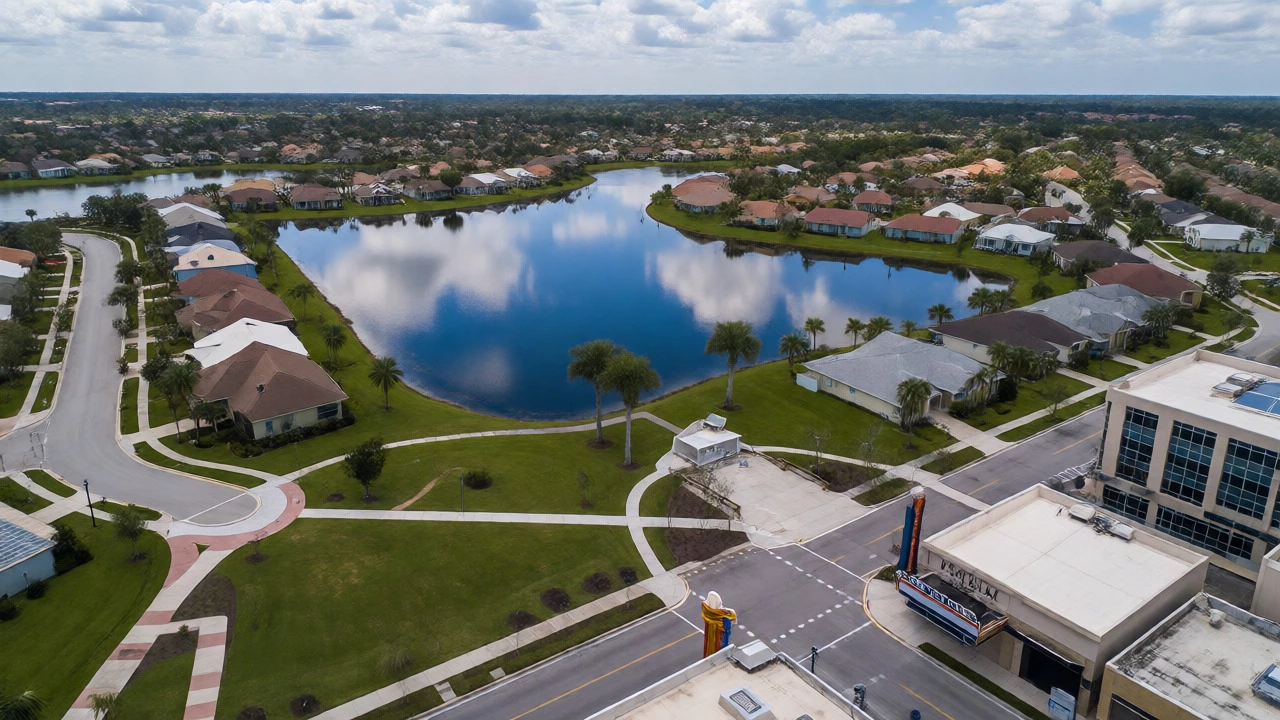
Southwest Florida used to be exclusively retirement territory, but Fort Myers is changing that perception. It remains one of the most affordable entry points to the Gulf Coast. While nearby Naples is ultra-luxury, Fort Myers offers similar weather and proximity to Sanibel Island and Captiva at a much lower price point.
The city has invested heavily in its downtown riverwalk, turning it into a lively spot for dining and entertainment. The job market is growing, particularly in healthcare and construction. For those who love boating and fishing, the Caloosahatchee River provides endless recreational opportunities. Winter residents flock here, which can inflate short-term rental prices, but long-term leases remain reasonable. Just be aware that summer humidity and rain are intense, though the breeze off the water helps.
Key Factors to Consider Before Moving
Choosing a city is personal, but keep these practical points in mind:
- Insurance Rates: Check current homeowners insurance quotes before signing a lease. Some counties have seen massive spikes due to storm risks.
- Commute Times: Florida traffic is getting worse. A "cheap" house far from work might cost you more in gas and stress.
- Weather Patterns: The Panhandle gets colder in winter; South Florida stays warm. Decide what trade-off you prefer.
- Community Vibe: Visit during different seasons. Summer can feel empty in tourist towns, while winter can feel crowded in others.
Also, think about your lifestyle needs. Do you need walkability? Jacksonville and Pensacola have historic districts with shops and cafes. Ocala and Lakeland are more car-dependent. If you hate driving, prioritize cities with better transit options or dense neighborhoods.
Making Your Move Happen
So, where should you pack your bags? If you want history, military camaraderie, and pristine beaches, go to Pensacola. If you crave nature, springs, and a slow pace, pick Ocala. For urban convenience with beach access, Jacksonville wins. And if you want lake life and central location, Lakeland is hard to beat.
These cities prove you don't need to spend a fortune to enjoy Florida. The key is looking beyond the glossy postcards of Miami and Key West. By choosing these underrated spots, you gain financial breathing room and a genuine sense of community. Start researching neighborhoods now, because inventory moves fast when people realize how much they can save.
Which Florida city has the lowest cost of living?
Cities like Ocala, Pensacola, and parts of Jacksonville consistently rank among the most affordable in Florida. They offer median home prices significantly below the state average, often under $250,000-$300,000, while providing good infrastructure and community amenities.
Is it cheaper to live inland or on the coast in Florida?
Generally, inland cities are cheaper than coastal ones due to lower demand and no direct beachfront premiums. However, some coastal cities like Pensacola and Fort Myers offer better value than other coastal hotspots. Inland areas also tend to have lower flood insurance costs.
What is the safest cheap city to live in Florida?
Safety varies by neighborhood rather than just city. However, suburbs of Jacksonville, parts of Lakeland, and Ocala generally report lower crime rates compared to larger metropolitan areas like Miami or Jacksonville's urban core. Always check local police data for specific zip codes.
Do I need a car to live in these affordable Florida cities?
Yes, in almost all affordable Florida cities, a car is essential. Public transportation is limited outside of major downtown cores in Jacksonville or Miami. Even in walkable historic districts like Pensacola's, running errands or visiting beaches usually requires driving.
How does hurricane risk affect housing prices in cheap Florida cities?
Hurricane risk keeps prices lower in some coastal areas like Pensacola and Fort Myers because insurers charge higher premiums there. Inland cities like Ocala and Lakeland face less storm surge risk, leading to lower insurance costs, though they still experience wind damage. Factor insurance into your monthly budget.