Travel Eco-Impact Calculator
Based on your destination's energy grid and travel habits, estimate your environmental footprint.
Your Estimated Impact
Picking a holiday destination isn't just about the beach or the mountain views anymore. We all know that where you go impacts how much you leave behind. When planning a trip across the pond, you might wonder which parts of America are doing their part for the planet and which ones aren't. It sounds like a tricky question because "friendly" depends on what you measure. Are we talking about air quality, renewable energy targets, or just how much carbon gets released per person?
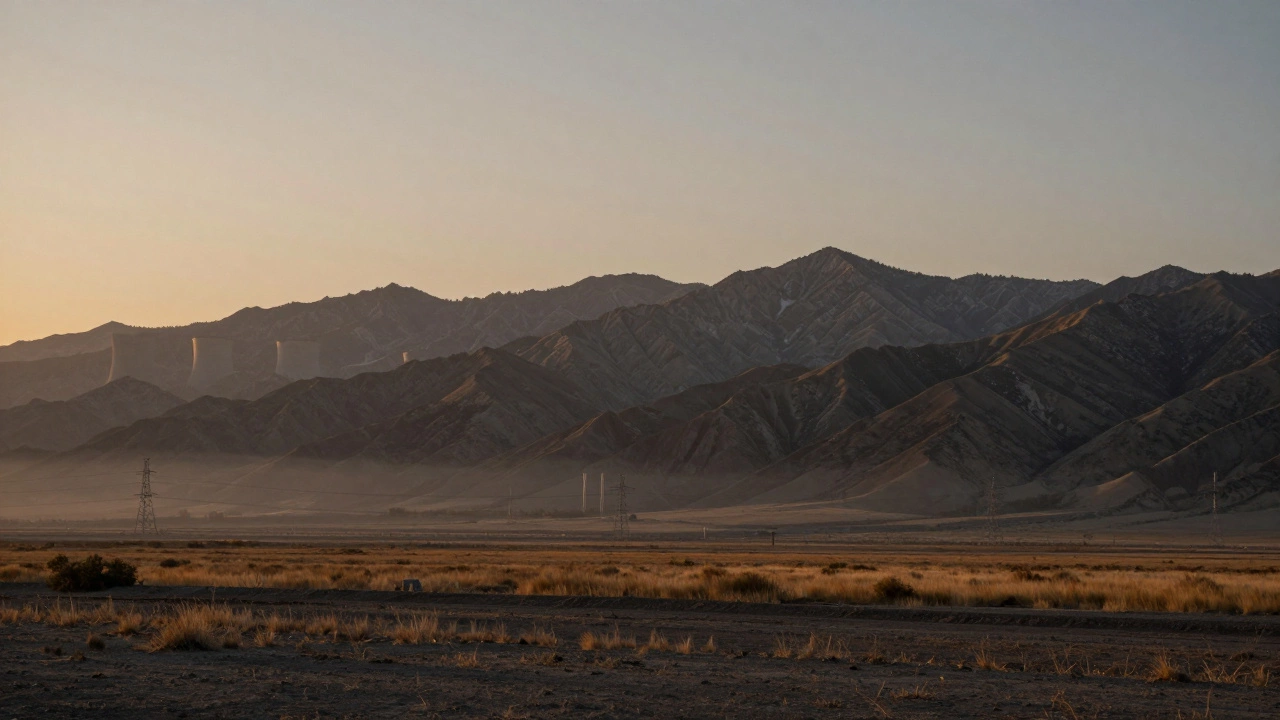
If we look at the data, Wyoming often finds itself near the bottom of environmental rankings. Why is this the case? It comes down to energy production. Many rankings point to heavy reliance on fossil fuels. You have to consider that some states run almost entirely on coal or natural gas power grids. This directly affects the electricity bill of every guesthouse and eco-cottage in those regions. If you book a stay in a place with a dirty grid, your carbon footprint grows simply by plugging in your charger.
How Do We Measure Environmental Friendliness?
You cannot trust a single number. Different organisations track different things. For instance, the Environmental Performance Index measures air quality and climate action. Meanwhile, other reports look strictly at greenhouse gas emissions per capita. To get a true picture, we need to combine these datasets.
Think of it like judging a restaurant. One critic checks the ingredients (resources used), another checks the kitchen cleanliness (pollution), and a third looks at the staff morale (policy incentives). In the US, each state sets its own rules for businesses and energy providers. This creates huge variations between neighbouring borders.
| Energy Source | Common in High-Polluting States | Common in Green States |
|---|---|---|
| Fossil Fuels | High dependency on Coal | Limited reliance |
| Renewables | Low capacity installed | Strong Solar/Wind investment |
| Transport | Dominated by private cars | Public transit available |
This variation changes everything for us Brits who want to minimise our flight miles and hotel footprints. We often assume a "green" label on a booking site means the host uses solar panels. That is a good sign, yes. However, the broader ecosystem matters too. Does the town recycle effectively? Is water treatment up to standard? These background factors influence how truly sustainable your stay actually is.
The States With the Lowest Scores
When digging into recent reports from 2025, several areas consistently appear with lower sustainability ratings. West Virginia is frequently mentioned alongside Wyoming. The reason is industrial history. Mining legacy and thermal power generation dominate these areas. The government there prioritises traditional energy jobs over green transitions, at least for now.
It is not about blaming the locals. It is about understanding the infrastructure. If a state's economy runs on extracting resources, the environment pays the price. Visitors from cleaner zones might notice poorer air quality or fewer recycling options at local accommodation sites. For someone seeking an eco-friendly cottage experience, this context is vital. You might find a lovely wooden lodge, but if the surrounding region burns coal for heat, the overall benefit drops.
Another area to watch is parts of the Southwest. While they have great solar potential, water scarcity makes them challenging for sustainable agriculture and conservation. Arizona, for example, faces severe drought issues. Hotels and resorts there must import significant water to maintain lawns and pools. This conflicts with the idea of conservation. Water stress is becoming a bigger factor than carbon in some environmental scoring models.
Why This Matters for Your Holiday Cottage
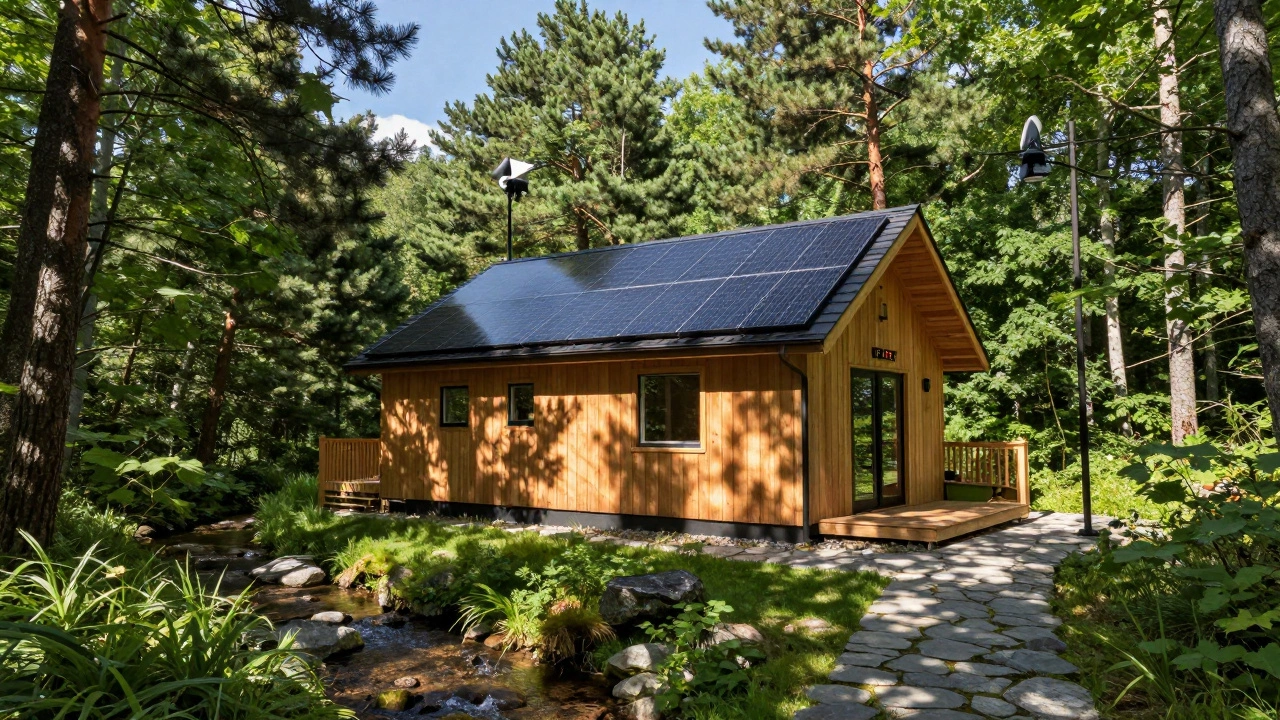
If you are reading this, you probably care about your travel footprint. Staying in a state with poor environmental policies complicates your efforts. Even if the property owner installs a rainwater harvest system, the grid powering the fridge remains dirty.
Consider the concept of embodied carbon. This refers to the carbon emitted during the creation of buildings. In older industrial states, retrofitting old buildings might use less material than tearing them down. However, if the heating system relies on oil instead of heat pumps, the operational carbon stays high.
This is where the distinction between a "green building certification" and a "regional green policy" becomes clear. Look for certifications like LEED (Leadership in Energy and Environmental Design) or BREEAM. These apply to specific buildings, giving you a reliable metric regardless of the state's ranking.
Alternatives and Better Choices
On the flip side, there are states leading the pack. Vermont and Vermont State regularly top the charts for clean energy and air quality. They invest heavily in wind and hydroelectric power. Public transport exists, even if sparse compared to London.
Then there is California. Despite its size, it pushes aggressively toward electric vehicle mandates and zero-waste goals. Staying in Northern California might mean access to better public transport networks around cities like San Francisco. Southern California still battles smog, but the state policies are forward-thinking regarding renewables.
For a balanced view, look at the Midwest. Some rural areas have high renewable capacity due to wind farms. Iowa, for example, produces significant wind energy. It is a great option for nature lovers who want lower carbon electricity than the national average offers.
Practical Tips for Eco-Conscious Travellers
You cannot always choose the perfect location, especially when work or family ties restrict your dates. Here is how to adjust:
- Check the Grid Mix: Look for accommodation that mentions renewable sourcing. Some providers offer certificates showing they buy green power offsets.
- Limit Transport: Once you arrive, reduce car rentals. Walking and cycling eliminate travel emissions within the stay.
- Support Local Policies: Ask hosts about waste disposal practices. Do they compost? Do they separate recyclables?
- Water Usage: Keep showers short, particularly in arid states like Arizona or New Mexico.
- Offset Flights: Since flying to the US itself creates massive emissions, ensure you purchase verified carbon credits for your journey.
Remember, the goal is progress, not perfection. Choosing a state with worse stats doesn't make you a villain if you take steps to mitigate harm elsewhere. Awareness drives change. As a traveller, your demand for greener options forces accommodation providers to improve their own standards.
The landscape is shifting. More states are setting net-zero targets for 2030 or 2040. In a few years, the "least friendly" list might look very different. For now, knowing the difference helps you vote with your wallet. Whether you are after a luxury chalet or a humble cabin, the underlying energy mix tells the true story of your impact.
Frequently Asked Questions
Is Wyoming really the worst state for the environment?
Wyoming often ranks low due to high per-capita emissions driven by coal mining and natural gas production. However, rankings vary depending on whether you measure policy, pollution, or resource consumption. It is one of the leaders in fossil fuel output.
Does staying in a green cottage offset a dirty state?
Partially. A green cottage reduces direct operational costs like heating and cooling. However, you are still connected to the regional power grid. Ideally, choose properties that run independently via solar batteries or wind turbines.
Which US states lead in environmental protection?
Hawaii, Vermont, and California typically lead rankings. Hawaii is unique for pushing 100% renewable energy usage quickly. Vermont focuses on forestry protection and community-led energy projects.
Can I find eco-certified accommodation in high-pollution states?
Yes. Certifications like LEED or Energy Star exist nationwide. These are independent of state laws. Always look for these logos on booking platforms to verify the building's efficiency.
How do state rankings change year to year?
They shift based on economic activity and weather. A drought year lowers water scores. New coal plants can drop air quality scores rapidly. Reports are usually updated annually by groups like the Yale School of the Environment.