Leave No Trace: How to Travel Responsibly in the UK and Beyond
When you step out into nature—whether it’s a quiet lake in the Lake District, a cliffside path in Cornwall, or a forest trail in the Scottish Highlands—you’re not just passing through. You’re sharing space with plants, animals, and people who live there. Leave No Trace, a set of practical principles for minimizing human impact on natural environments. Also known as responsible tourism, it’s not about being perfect—it’s about being aware. This isn’t a rulebook for rangers. It’s for anyone who’s ever packed a picnic, pitched a tent, or walked a dog on a beach. And if you’re planning a cottage stay or a weekend hike in the UK, it’s even more important.
Many people think leave no trace means just picking up litter. But it goes deeper. It’s about where you walk, what you bring, and how you treat the land. A single path worn down by too many boots can turn a meadow into a muddy scar. A candle left burning near dry grass can spark a wildfire. Even biodegradable soap in a stream can poison insects that fish rely on. That’s why sustainable travel, travel that respects ecosystems and supports local communities isn’t a trend—it’s a necessity. And it’s not just about the outdoors. It’s about how you choose your accommodation. Many UK holiday cottages now use solar panels, composting toilets, and local materials. Choosing one of those isn’t just eco-friendly—it’s a quiet act of support for the people who maintain these places.
Then there’s eco-friendly holidays, vacations designed to reduce environmental harm through thoughtful planning and behavior. It’s not about flying less (though that helps). It’s about what you do once you arrive. Do you stick to marked trails? Do you carry out everything you bring in? Do you avoid feeding wildlife, even if it seems harmless? These choices add up. And they’re exactly what the posts below explore—real stories from people who’ve stayed in UK cottages, hiked national parks, and learned the hard way what happens when you don’t respect the land. You’ll find advice on packing light, choosing local food, and even how to talk to other travelers about leaving nature as you found it. No guilt trips. No preaching. Just clear, honest ways to enjoy the UK’s wild places without wearing them out.
What you’ll find here aren’t abstract ideas. These are real experiences—from families who learned to clean up after their campfires, to couples who swapped plastic bottles for refillable flasks, to hikers who discovered how one wrong step can damage centuries-old moss. This isn’t about being a hero. It’s about being thoughtful. And if you’re reading this, you’re already on the right path.
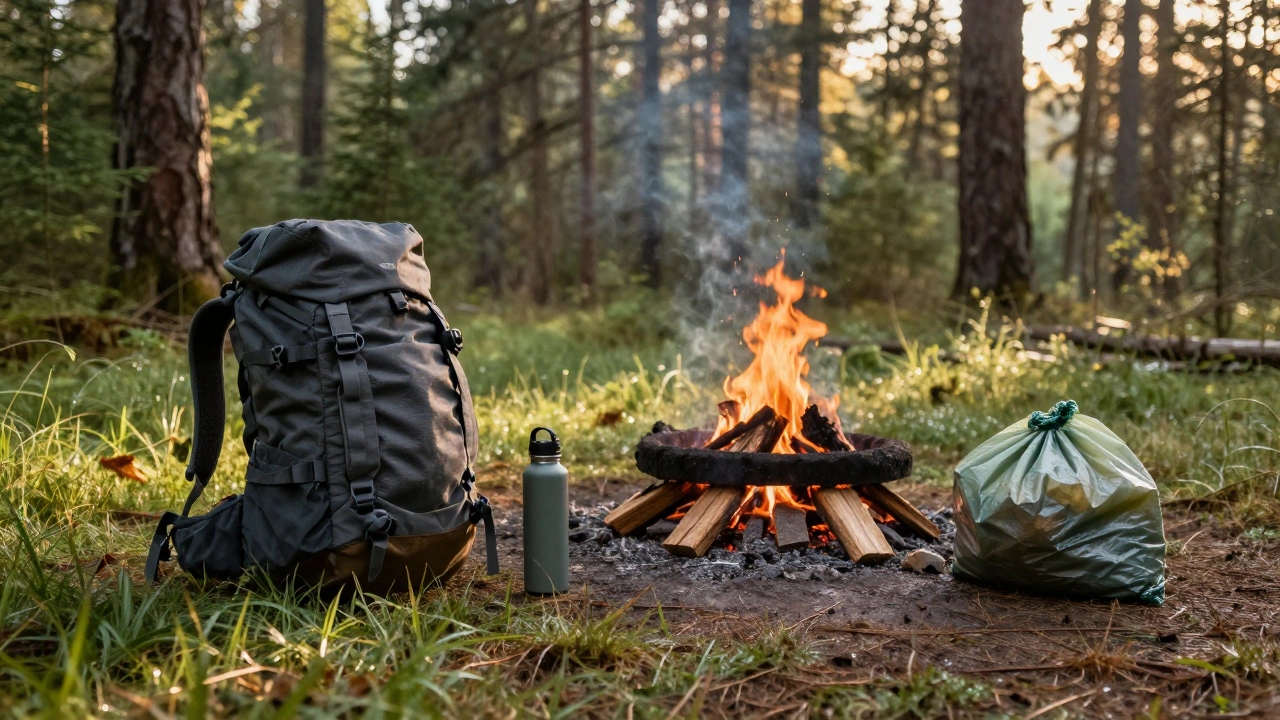
What Is the Golden Rule of Camping? Protect Nature Like It’s Your Own Backyard
The golden rule of camping is simple: leave no trace. Protect nature by packing out all trash, avoiding fires where banned, and never disturbing wildlife. This rule keeps wild spaces alive for everyone.