
Hotel Child Policy & Cost Estimator
Trip Details
Estimation Results
£0
Estimated Extra Bed Charges
- Total Guests 0
- Occupancy Status OK
- Teen Surcharge Risk Low
Imagine booking a dream holiday, only to find an unexpected charge on your credit card statement because the hotel considers your ten-year-old a 'teenager' or an 'adult.' It happens more often than you might think. The simple question of what age is considered a child for hotels does not have a single, universal answer. Instead, it depends entirely on the brand, the location, and sometimes even the specific room type you book.
If you are planning a trip with young ones, understanding these policies is crucial. It can save you hundreds of pounds and prevent awkward check-in conversations. In this guide, we will break down how major hotel chains define childhood, where the hidden costs lie, and how to navigate the confusing world of family-friendly accommodation.
The General Rule: Under 18 vs. Under 12
In the broadest sense, most legal frameworks and international organizations consider anyone under the age of 18 to be a child. However, the hospitality industry operates on its own set of commercial rules. For many independent hotels and smaller boutique properties, the cutoff for "child" pricing and policies is often under 12 years old. Once a guest turns 13, they are frequently classified as an adult or a teenager, which can trigger different rates and occupancy limits.
This distinction matters because it affects two main things: cost and space. If your child is counted as an adult, you may need to pay full price for their stay. More importantly, if your room has a maximum occupancy of three guests, adding a fourth person-even if that person is a twelve-year-old-might mean you cannot stay in that room at all, or you will be forced to upgrade to a larger, more expensive suite.
| Category | Typical Age Range | Implications |
|---|---|---|
| Baby/Toddler | 0-2 years | Often free, no bed provided (crib/cot) |
| Child | 3-11 years | Free or discounted if sharing parents' bed |
| Teenager | 12-17 years | May require extra bed fee or count as adult |
| Adult | 18+ years | Full rate, counts toward max occupancy |
Major Hotel Chains and Their Specific Policies
When you book with a large chain, the rules become slightly more standardized, but there are still significant variations between brands owned by the same parent company. Let’s look at some of the biggest players in the market.
Maryott International is one of the largest hotel companies in the world, operating brands like Marriott, Sheraton, and Westin. Generally, children aged 17 and under stay free when using existing bedding. This is a generous policy compared to some competitors. However, if you need an extra rollaway bed, there is usually a daily fee, regardless of the child's age. Always check the specific property page, as individual hotels within the chain can have slight variations.
Hilton Worldwide is a global hospitality company known for brands like Hilton, Conrad, and DoubleTree. Hilton typically allows children 17 and under to stay free when sharing a room with an adult. Like Marriott, the caveat is about bedding. If your child needs their own bed, you will likely pay an extra-person charge. Some resort locations within the Hilton portfolio may have stricter rules, so reading the fine print before booking is essential.
On the other end of the spectrum, many European luxury hotels and older independent establishments stick to the traditional model where children under 12 stay free, but those aged 12-17 are charged a reduced rate, often around 50% of the adult price. This is particularly common in cities like London, Paris, and Rome, where room sizes are smaller and occupancy laws are strict.
The Hidden Cost: Extra Beds and Occupancy Limits
The age definition is only half the battle. The other half is physical space. Hotels have strict fire codes and safety regulations that dictate how many people can sleep in a room. This is where families often get caught out.
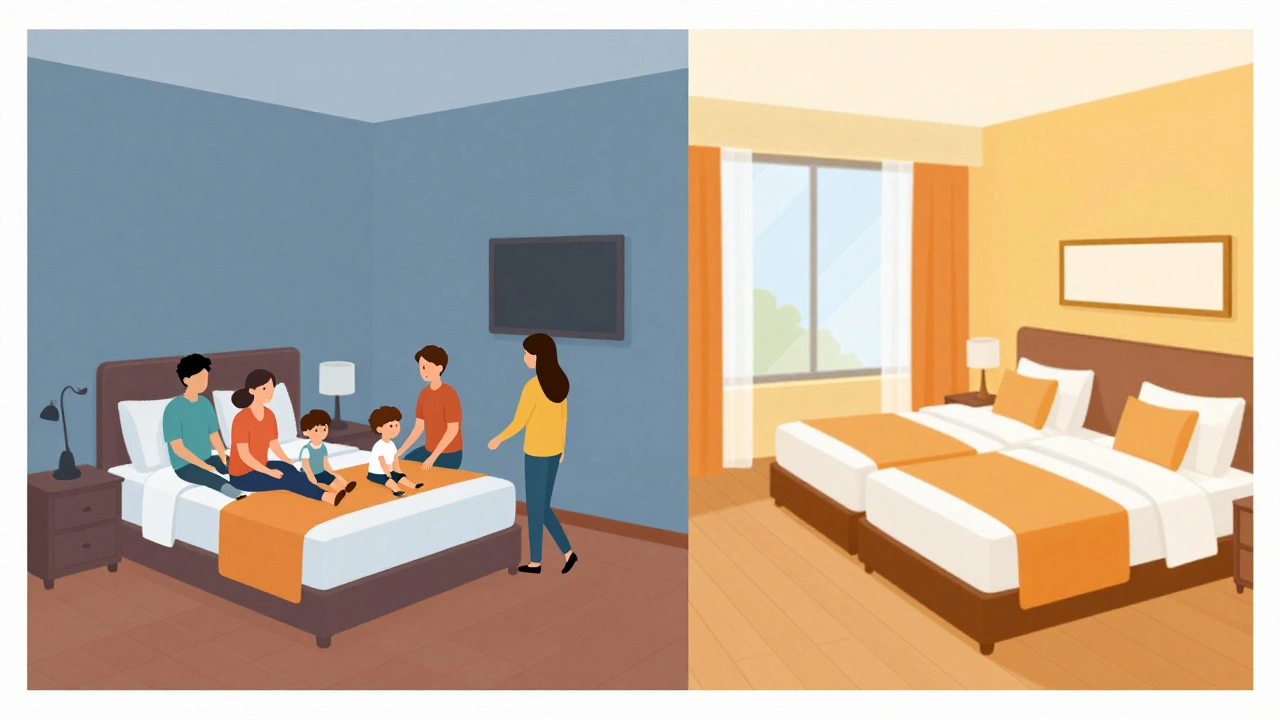
A standard double room usually has a maximum occupancy of two adults. If you bring one child, you might be allowed in for free if they share the bed. But if you bring two children, you now have four people in a room designed for two. Many hotels will not allow this due to safety regulations. You would need to book a family room or a suite, which comes at a higher price point.
Even if the room can accommodate four people, the cost of an extra bed can add up quickly. An extra rollaway bed might cost anywhere from £30 to £60 per night. Over a week-long stay, that is an additional £210 to £420 that wasn't in your initial budget. Always ask yourself: Does my child really need their own bed, or can they comfortably share with a parent?
Resorts vs. City Hotels: Different Rules Apply
The type of accommodation you choose also influences the age policy. Resorts, especially those marketed as family-friendly, tend to have more lenient and inclusive policies. They want families to stay longer and spend more on amenities like pools, kids' clubs, and restaurants.
For example, many all-inclusive resorts in the Caribbean or Mediterranean offer "kids eat free" promotions and allow children of all ages to stay without extra charges, provided they don't require additional beds. These properties are designed with families in mind, so their definitions of "child" are broader and more flexible.
In contrast, city hotels in business districts are focused on efficiency and turnover. They are less likely to offer complimentary stays for older children. A five-star hotel in Central London might charge full price for any guest over the age of 10, simply because their target demographic is business travelers who rarely bring children.
How to Avoid Surprise Charges
To ensure your holiday remains stress-free, follow these practical steps before you confirm your booking:
- Read the small print: Don't just look at the headline price. Click through to the "Policies" or "Guest Services" section of the hotel website. Look for terms like "child age limit," "extra person charge," and "maximum occupancy."
- Contact the hotel directly: Online booking engines sometimes have outdated information. Calling the front desk and asking, "What is your policy for a 12-year-old staying in a double room?" can clarify everything.
- Consider alternative accommodations: If you are traveling with multiple children, holiday cottages or apartments might be a better option. They often have separate bedrooms and kitchens, allowing you to save money on meals and avoid strict occupancy limits.
- Check for family packages: Many hotels offer special rates for families that include breakfast for children or access to kids' clubs. These packages can offset the cost of extra beds.
Special Cases: Babies and Toddlers
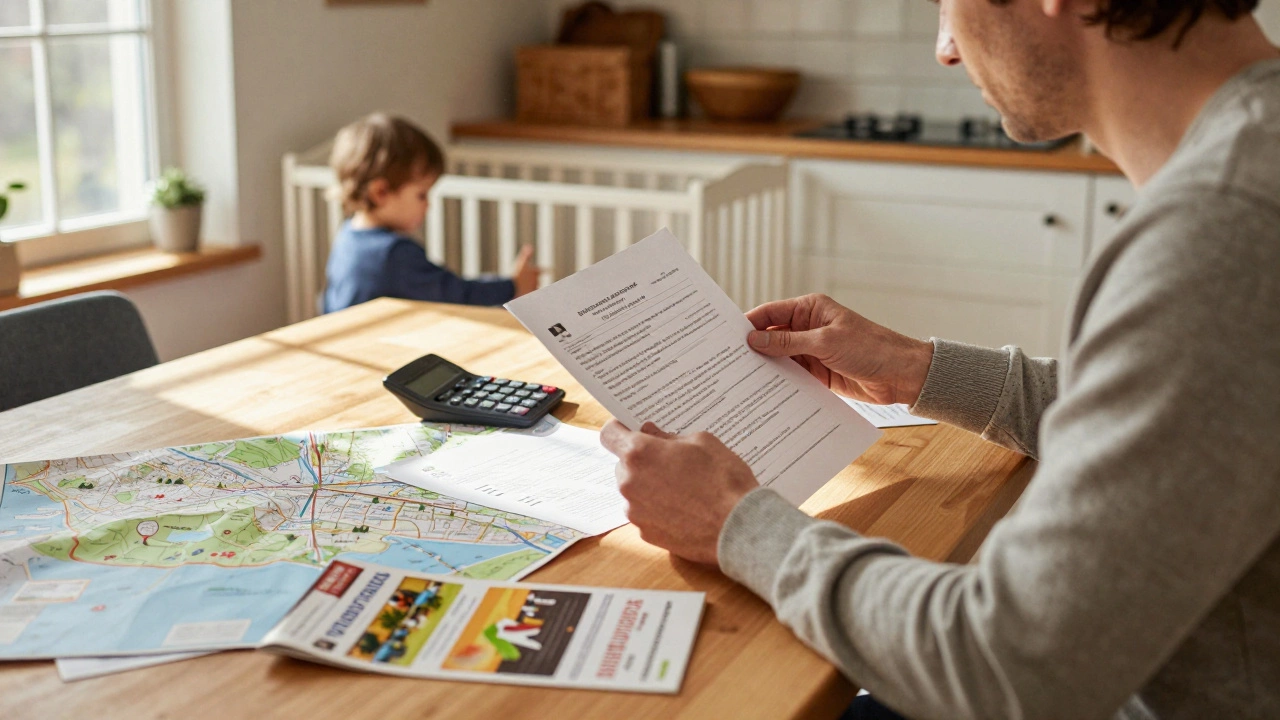
What about the little ones? Most hotels welcome babies under the age of 2 or 3 for free. However, they rarely provide a crib or cot without notice. You must request one in advance, and while it is usually complimentary, some high-end hotels may charge a small fee for the setup and cleaning.
Also, consider the safety aspect. Standard hotel rooms are not always baby-proofed. Outlets, sharp corners, and balconies can pose risks. If you are traveling with a toddler, look for hotels that explicitly mention "family-friendly" features like cribs, bottle warmers, and fenced play areas.
The Future of Family Travel Policies
As family travel continues to grow, we are seeing a shift towards more transparent and inclusive policies. Brands like InterContinental Hotels Group (IHG) is a British multinational hospitality company that owns and franchises numerous hotel brands including Holiday Inn and Crowne Plaza. have started to standardize their child policies across more brands, making it easier for families to plan trips without guessing the rules.
However, the core issue remains: hotels are businesses, and they make money from every guest. Understanding how they define a "child" is the first step to getting the best value for your family holiday. By doing your research and asking the right questions, you can avoid unpleasant surprises and focus on what really matters-making memories with your loved ones.
Do hotels charge for children under 12?
It depends on the hotel. Many hotels allow children under 12 to stay free if they share existing bedding with parents. However, if an extra bed is required, there is usually a charge. Some luxury or city hotels may charge a reduced rate for children aged 6-11. Always check the specific property's policy.
What age is considered an adult for hotel bookings?
Legally, 18 is the age of adulthood. However, for hotel pricing and occupancy purposes, some hotels consider anyone over 12 or 13 to be an adult. This means they may be charged full price and count toward the maximum number of guests allowed in a room.
Can I bring a baby to a hotel for free?
Yes, most hotels allow infants (usually under 2 or 3 years old) to stay free. They do not occupy a bed, so they do not count toward the occupancy limit. However, you should request a crib or cot in advance, as availability is limited.
Why do some hotels charge for teenagers?
Teenagers consume more resources than younger children, such as food, towels, and sometimes extra bedding. Additionally, they take up more space. Hotels classify them as adults or teenagers to reflect these higher costs and to manage room occupancy safely.
Is it cheaper to book a family room or two double rooms?
It varies. A family room is often cheaper than two separate double rooms, but it may be smaller and less private. If you have older children who value privacy, two rooms might be worth the extra cost. Compare the total price including any extra bed fees before deciding.