Self-Catering vs. Hotel Cost Calculator
Trip Details
Estimated Breakdown
*Estimates assume cooking at home costs approx. £20/person/day including cleaning fees. Actual savings vary by location and spending habits.
Imagine waking up on a Saturday morning. You stretch, walk into the kitchen, and realize you have total freedom. There is no breakfast buffet closing at 10 AM. No concierge waiting for your tip. Just you, a fresh pot of coffee, and a schedule that belongs entirely to you. This is the essence of self-catered residences.
If you are tired of the rigid structures of traditional hotels or the impersonal nature of standard hostels, understanding what these accommodations offer might change how you plan your next trip. They are not just 'places to sleep'; they are temporary homes designed for independence.
The Definition: More Than Just a Room
So, what exactly defines a self-catered residence? At its core, it is an accommodation unit where guests provide their own meals and manage their daily living needs without hotel-style service. Unlike a hotel room, which offers a bed and perhaps a mini-fridge, a self-catered property includes a fully equipped kitchen, a living area, and often separate sleeping quarters.
Self-catered residences are independent holiday accommodations that include full kitchen facilities, allowing guests to prepare their own meals and live with a degree of autonomy similar to their own home. Common examples include holiday cottages, apartments, and villas.
The key differentiator is the kitchen. It’s not just a microwave in a corner; it’s a functional space with stoves, ovens, refrigerators, and cookware. This setup shifts the responsibility of dining from the provider to the guest, offering flexibility but also requiring a bit more effort.
Why Choose Independence Over Service?
You might wonder why anyone would choose to wash dishes when they could order room service. The answer usually comes down to three factors: cost, comfort, and control.
Cost Efficiency: Eating out for every meal adds up quickly. A family of four spending £80 on dinner twice a week is looking at nearly £600 extra. By cooking simple meals like pasta, salads, or grilled chicken using local ingredients, you can slash food costs by half or more.
Dietary Control: If you have allergies, dietary restrictions, or specific health goals, self-catering is a lifesaver. You know exactly what goes into your food. There’s no guessing if the sauce contains nuts or gluten.
Social Space: Hotels isolate you in a box. Self-catered residences provide a living room. This is crucial for families who need space for kids to play board games or for groups of friends who want to gather after exploring the day’s attractions. It feels less like a transit point and more like a destination.
The Spectrum of Self-Catered Options
Not all self-catered residences look the same. The term covers a wide range of properties, each suited to different types of travelers. Understanding these variations helps you pick the right fit for your needs.
| Type | Best For | Amenities Included | Typical Location |
|---|---|---|---|
| Holiday Cottage | Families, Couples | Full kitchen, garden, fireplace, laundry | Rural countryside, coastal villages |
| City Apartment | Solo travelers, Business trips | Kitchenette, Wi-Fi, central heating | Urban centers, near business districts |
| Villa | Large groups, Luxury seekers | Private pool, multiple bedrooms, staff option | Tropical destinations, Mediterranean coast |
| Cabin/Chalet | Adventure seekers, Nature lovers | Wood stove, basic kitchen, outdoor deck | Forests, mountains, national parks |
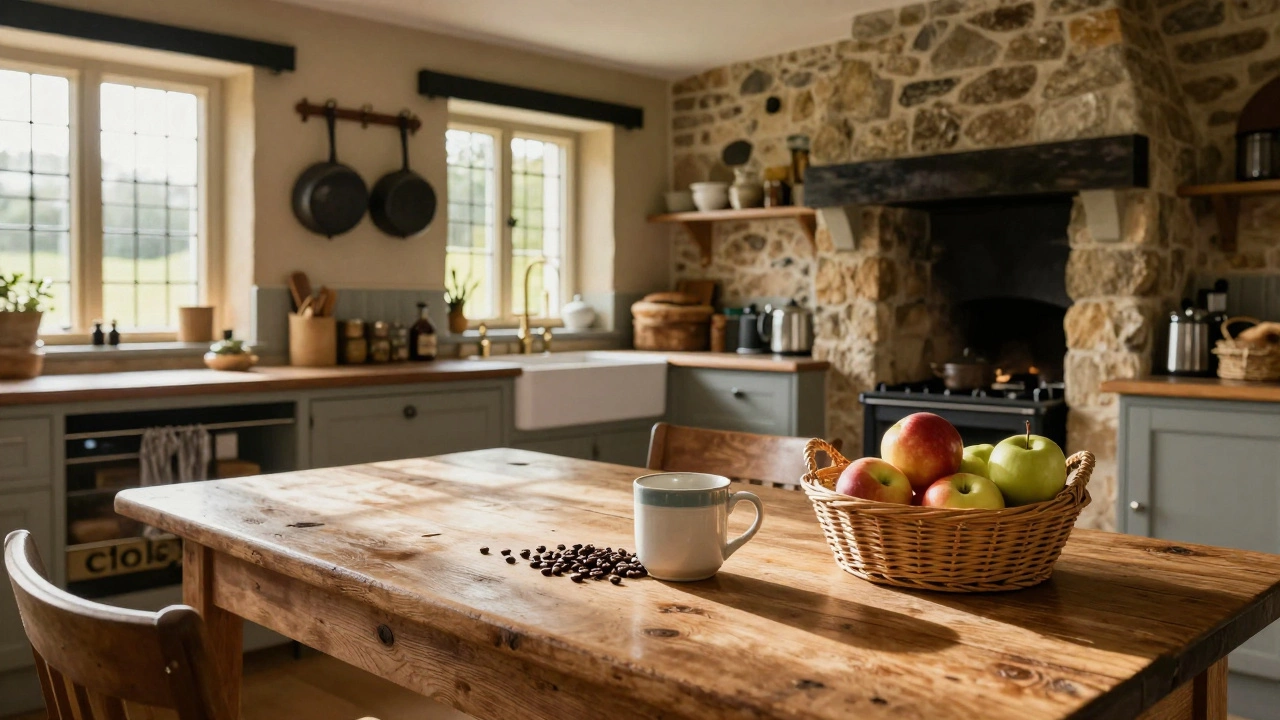
Holiday Cottages are particularly popular in the UK and Europe. These are often standalone stone or brick buildings with character features like inglenook fireplaces. They offer privacy and immersion in the local landscape. In contrast, city apartments prioritize convenience and proximity to transport links, making them ideal for short urban breaks.

What to Expect: Amenities and Standards
When booking a self-catered residence, you need to know what is included. While standards vary by region and price point, most reputable properties provide:
- Kitchen Essentials: Pots, pans, cutlery, plates, glasses, and basic spices (salt, pepper, oil). However, do not expect a stocked pantry. You will need to buy your own food.
- Bedding and Towels: Most holiday cottages provide linens and towels, unlike some budget Airbnb listings where you must bring your own. Always check the listing details.
- Heating and Utilities: Electricity, water, and heating are usually included in the rent, though some rural cottages may charge separately for wood-burning stoves or high-energy usage.
- Wi-Fi: Connectivity has become a standard expectation, even in remote locations. Speeds can vary, so check reviews if you need to work remotely.
It is worth noting that 'self-catered' does not mean 'self-managed.' Many properties offer optional services like pre-stocked fridges, weekly cleaning, or welcome packs with local produce. These add-ons bridge the gap between total independence and hotel-like convenience.
The Hidden Costs and Pitfalls
While self-catering saves money on food, there are hidden costs to watch out for. Cleaning fees are common, especially for shorter stays. Some platforms charge a 'service fee' that can add 15-20% to the nightly rate. Additionally, damage deposits may be required, though many modern providers use insurance waivers instead.
Another pitfall is the 'cleaning burden.' If you leave the place messy, you might face penalties. Conversely, if you enjoy tidying up, you can save on end-of-stay cleaning fees by doing a light clean yourself. Always read the house rules carefully before you book.

Who Is It For?
Self-catered residences are not for everyone. If you value luxury service, daily housekeeping, and 24-hour front desk support, a hotel is still your best bet. But for certain traveler profiles, self-catering is superior:
- Families with Young Children: You need space to spread out, a kitchen for baby food, and the ability to nap on a schedule rather than a hotel wake-up call.
- Pet Owners: Many hotels ban pets or charge exorbitant fees. Holiday cottages are often pet-friendly, offering gardens for dogs to run safely.
- Long-Term Travelers: Staying a week or more makes the logistical hassle of eating out exhausting. Self-catering provides a rhythm similar to home life.
- Budget-Conscious Groups: Splitting the cost of a large cottage among six people is often cheaper per person than booking three hotel rooms.
Booking Tips for Success
To get the best experience, treat booking a self-catered residence like buying a home for a week. Scrutinize the photos. Look for recent reviews that mention cleanliness and accuracy of the description. Check the location map-some 'countryside' cottages are miles from the nearest shop, which is great for peace but tricky for last-minute grocery runs.
Communicate with the host early. Ask about check-in procedures, as many self-catered properties use lockboxes or smart locks for contactless entry. Clarify what is included in the kitchen inventory so you aren’t surprised to find no toaster upon arrival.
Are self-catered residences cheaper than hotels?
Generally, yes, especially for groups and longer stays. While the nightly rate might seem comparable, the savings come from cooking your own meals and having more space for the same price. For solo travelers staying one night, a hotel might still be more economical due to lower overheads like cleaning fees.
Do I need to bring my own sheets and towels?
Most professional holiday cottages and self-catered rentals include bedding and towels. However, some peer-to-peer listings (like certain Airbnb hosts) may require you to bring your own or pay an extra fee. Always check the 'amenities' section of the listing before booking.
Is it safe to stay in a self-catered cottage alone?
Yes, provided you choose reputable platforms and read reviews. Look for properties with verified hosts, clear emergency contact information, and secure entry systems. Rural locations may feel isolated, so ensure you have a reliable way to communicate and access help if needed.
Can I request additional cleaning during my stay?
Unlike hotels, daily cleaning is rarely included in self-catered residences. However, many hosts offer mid-stay cleaning services for an additional fee. This is useful for longer bookings (over a week) to maintain freshness without disrupting your routine.
What happens if something breaks during my stay?
Reputable providers have maintenance contacts listed in the property guidebook. For minor issues, you may be asked to report them via email or app. For urgent problems like heating failure, there should be a 24-hour emergency number. Always document any existing damage upon arrival to avoid disputes later.