Hotel Revenue & Perishability Simulator
Explore how the "perishable" nature of hotel rooms impacts your bottom line. Adjust variables to see how empty rooms represent lost revenue that cannot be recovered.
Why This Matters
Unlike retail, an unsold hotel room tonight is worth $0 tomorrow. This simulator demonstrates the concept of perishability. When occupancy is low, fixed costs remain, but revenue evaporates. Dynamic pricing attempts to balance filling rooms against maximizing the rate, a core challenge in hotel economics described in the article.
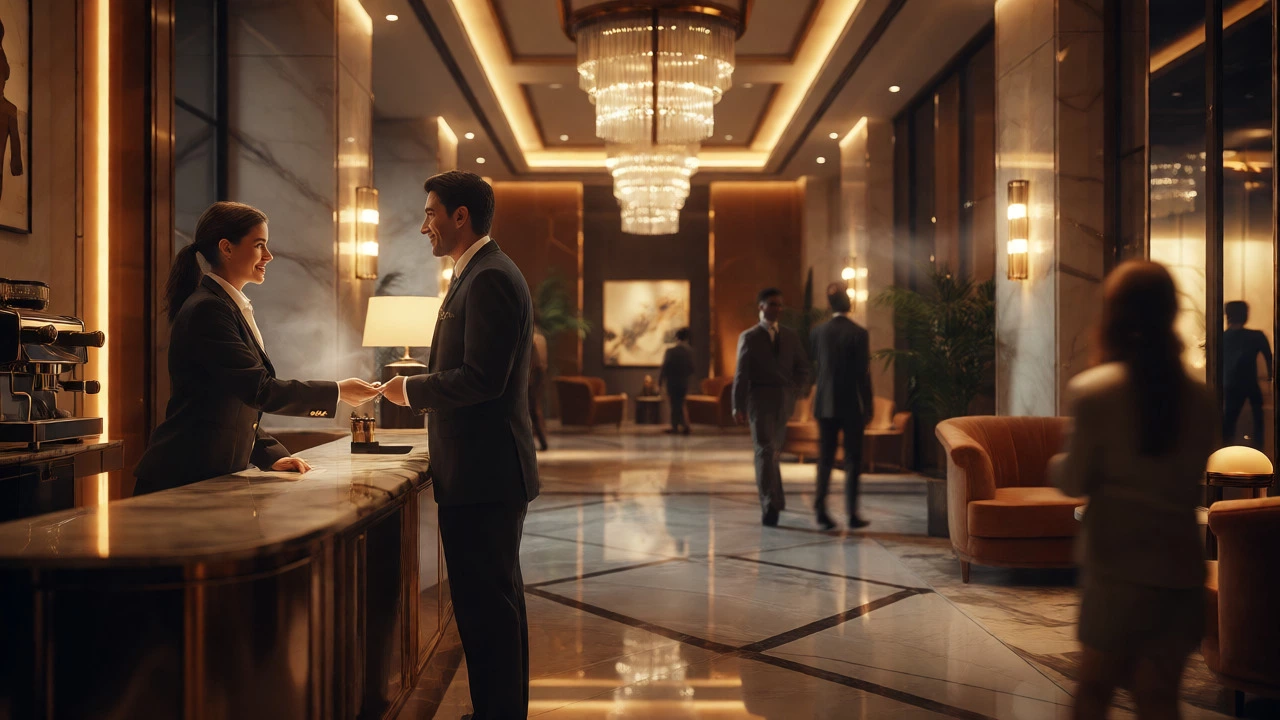
You walk into a lobby. The air smells faintly of cedar and expensive coffee. A receptionist knows your name before you reach the desk. You feel like you’ve stepped into a different world, one where the chaos of travel has been smoothed over by invisible hands. This isn’t magic. It’s engineering. But not just any engineering-it’s the specific, often frustrating, complex machinery of the hotel business, which operates on a model unlike almost any other service industry.
Why does this matter to you? Maybe you’re thinking of opening a boutique inn in Bath, or perhaps you’re trying to understand why your local chain feels so soulless compared to that weirdly charming B&B down the road. The truth is, what makes a hotel business unique isn’t just about beds and breakfast. It’s about selling time, space, and memory in a highly perishable inventory system that runs 24/7 with zero margin for error.
The Perishability Problem: Selling Time That Expires
Here’s the first thing that trips people up when they look at hotels from the outside. If you own a shoe store and don’t sell a pair of sneakers today, you can sell them tomorrow. The inventory sits there. In the hotel business, if you don’t sell a room tonight, that revenue is gone forever. You cannot bank it. You cannot store it. You cannot put it on a shelf.
This concept, known as perishability, dictates every major decision a hotelier makes. It’s why prices fluctuate wildly based on demand. It’s why last-minute deals exist. It’s why overbooking is standard practice rather than an accident. When you buy a product elsewhere, you take ownership of a physical object. When you book a hotel, you are renting a slice of time within a physical structure. Once that time passes, the value evaporates.
Think about it this way: a concert ticket has some resale value. A hotel night has none. Once midnight strikes, that empty room is worth zero dollars. This forces hotel managers to become obsessed with yield management-using algorithms to predict exactly how much someone will pay for a room on a Tuesday in November versus a Saturday in June. It’s less about hospitality and more about high-stakes gambling with real-time data.
The Intangibility Trap: Buying a Promise
You can’t touch a hotel stay before you experience it. You can see photos, read reviews, and watch videos, but you never truly know if the bed is comfortable or if the shower pressure is adequate until you’re already checked in. This intangibility creates a massive trust gap.
In retail, you inspect the goods. In the hospitality industry, the product is an experience that is consumed simultaneously with its production. You can’t return a bad night’s sleep. You can’t un-experience a rude waiter. This means the marketing must be hyper-specific and the reputation management relentless. One bad review about a dirty carpet can undo months of positive feedback because potential guests rely entirely on social proof to mitigate their risk.
This is why brands invest heavily in consistency. When you book a Marriott in London or a Hilton in New York, you aren’t buying a unique adventure; you’re buying insurance against disappointment. You want to know the Wi-Fi will work and the towels will be white. Uniqueness is great for boutique properties, but predictability is the currency of large-scale hotel businesses. They sell certainty in an uncertain world.
Simultaneity: Production Happens While You Consume
Most services allow for quality control before delivery. A chef cooks, tastes, plates, and then serves. In a hotel, the "production" of the service happens right in front of you, often while you are tired, jet-lagged, or stressed. There is no buffer zone for fixing errors before the customer sees them.
If a housekeeper misses a spot on the mirror, you see it immediately. If the check-in software crashes, you stand in line while it reboots. The staff cannot hide behind a curtain. This simultaneity places immense pressure on employee training and empowerment. Front-line staff have to make split-second decisions to resolve issues because waiting for a manager might mean losing a future booking. This human element is both the biggest asset and the biggest liability of the business.
| Feature | Hotel Business | Traditional Retail |
|---|---|---|
| Inventory Nature | Perishable (time-based) | Durable (goods-based) |
| Customer Interaction | High frequency, high intensity | Low frequency, transactional |
| Quality Control | Real-time, during consumption | Pre-delivery inspection |
| Pricing Strategy | Dynamic/Yield Management | Fixed/Cost-plus |
| Capital Requirement | Extremely High (Real Estate + OpEx) | Moderate (Stock + Lease) |

The Capital Heavy Reality: Real Estate Meets Operations
Let’s talk money. Starting a restaurant is expensive. Starting a hotel is brutal. You need the land, the building, the plumbing, the electrical systems, the furniture, the linens, and the technology stack. And unlike a tech startup, you can’t scale without bricks and mortar.
A significant portion of hotel revenue goes back into maintaining the physical asset. Roofs leak. Carpets stain. Air conditioners break. These aren’t minor inconveniences; they are existential threats to the brand promise. If the AC fails in August, your five-star rating drops to three stars instantly, regardless of how friendly the staff is.
Furthermore, the operational costs are staggering. Labor accounts for 30-50% of total expenses in many full-service hotels. You need staff available 24 hours a day, 365 days a year. Security, cleaning, maintenance, front desk, concierge-the payroll never sleeps. This fixed-cost structure means that once the doors open, you need high occupancy just to break even. Low occupancy doesn’t just mean lower profit; it means bleeding cash.
The Experience Economy: Where Memory Is the Product
So, if the product is perishable, intangible, and capital-intensive, what exactly are we selling? We are selling memories. Or more accurately, we are selling the conditions under which memories are formed.
This is where the concept of Unique Selling Proposition (USP) becomes critical. In a saturated market, a clean room is table stakes. To stand out, a hotel must offer something distinct. This could be architectural heritage, like converting an old textile mill into lofts. It could be a specific culinary focus, partnering with local farmers for farm-to-table dining. Or it could be a niche community focus, such as pet-friendly policies that go beyond a simple fee.
Consider the rise of "workcations." Post-pandemic, travelers started mixing leisure and work. Hotels that adapted quickly by offering ergonomic desks, reliable fiber-optic internet, and quiet zones captured a new demographic. Those that stuck to traditional "business center" models with outdated computers lost relevance. The uniqueness wasn’t in the bed; it was in the infrastructure supporting a modern lifestyle.
Technology as the Invisible Concierge
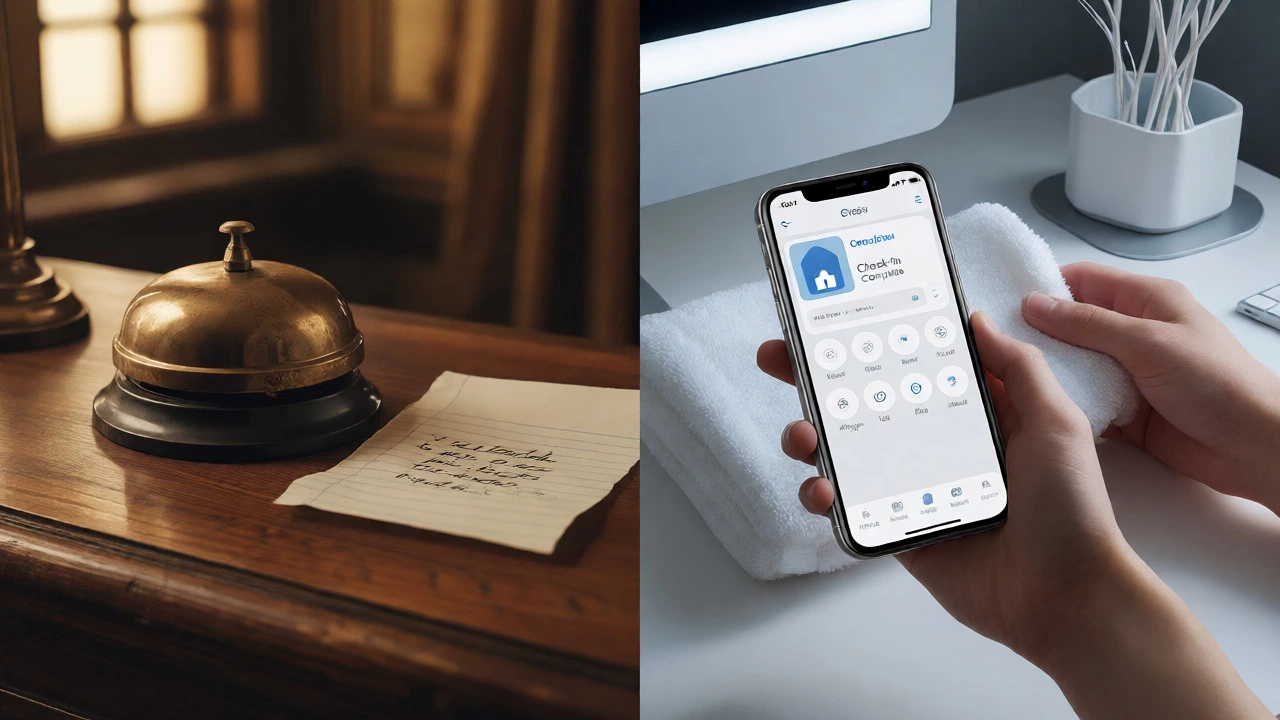
We used to judge hotels by the size of their lobby. Now, we judge them by the speed of their app. Technology has shifted from being a support function to being the core interface of the hotel business.
Keyless entry via smartphone eliminates the friction of standing in line. Chatbots handle routine requests like extra towels or late checkout, freeing up human staff for complex interactions. Data analytics track guest preferences, allowing a hotel to remember that you prefer feather pillows and a high floor. This personalization at scale is only possible through robust Property Management Systems (PMS) and Customer Relationship Management (CRM) tools.
However, tech alone doesn’t create uniqueness. It enables efficiency. True uniqueness comes from using that efficiency to free up human resources to do things machines can’t: tell a story, show empathy, or surprise a guest with a handwritten note. The best hotel businesses use technology to remove barriers, not to replace the human connection.
Regulatory and Environmental Pressures
Running a hotel isn’t done in a vacuum. You are subject to strict zoning laws, health and safety regulations, and increasingly, environmental standards. In cities like Bath or London, historic preservation rules dictate what you can change about the exterior. You can’t just slap on solar panels if they ruin the view.
Moreover, eco-friendliness is no longer a bonus; it’s a baseline expectation. Guests notice if plastic bottles are still in the bathroom. They ask about energy sources. Supply chains are scrutinized for ethical sourcing. Navigating these regulatory and ethical landscapes adds a layer of complexity that few other industries face. A factory can move; a hotel is rooted in its location, bound by its community’s rules and expectations.
Building Your Own Unique Angle
If you’re looking to enter this space or improve an existing property, stop asking "How can I make my rooms better?" Start asking "Who am I serving, and what problem am I solving?"
- For the Digital Nomad: Focus on connectivity, workspace ergonomics, and community events. Your USP is productivity.
- For the Family: Focus on safety, kids’ clubs, and flexible dining options. Your USP is stress-free parenting.
- For the Luxury Seeker: Focus on exclusivity, privacy, and bespoke services. Your USP is status and comfort.
The hotel business is unique because it combines the heaviness of real estate with the lightness of service. It requires the precision of an airline schedule and the warmth of a grandmother’s kitchen. It is unforgiving of mistakes but rewarding of genuine care. Understanding these structural quirks is the first step to surviving-and thriving-in one of the most competitive industries on the planet.
Why is hotel pricing so volatile?
Hotel pricing is volatile due to perishability. Unlike goods, an unsold room night cannot be stored for later sale. Hotels use dynamic pricing algorithms to maximize revenue based on real-time demand, seasonality, and competitor rates, ensuring that high-demand periods command higher prices while low-demand periods attract price-sensitive travelers.
What is the biggest financial challenge for new hotel owners?
The primary financial challenge is the high initial capital expenditure combined with high fixed operating costs. Building or renovating a property requires massive upfront investment, and ongoing labor and maintenance costs remain high regardless of occupancy levels. Achieving breakeven occupancy is difficult, especially in the first few years of operation.
How does technology impact the uniqueness of a hotel?
Technology impacts uniqueness by enabling personalization and efficiency. Features like mobile check-in, smart room controls, and AI-driven recommendations allow hotels to tailor experiences to individual guest preferences. However, technology itself is rarely a unique selling point unless integrated seamlessly to enhance the human service aspect rather than replacing it.
Can a small B&B compete with large hotel chains?
Yes, small B&Bs can compete effectively by leveraging agility and authenticity. Large chains offer consistency, but independent properties can offer personalized service, local insights, and unique character that chains often lack. By focusing on niche markets and building strong direct booking relationships, small operators can avoid competing solely on price.
Why is staff retention critical in the hotel business?
Staff retention is critical because the service is produced and consumed simultaneously. High turnover leads to inconsistent service quality and increased training costs. Experienced staff possess institutional knowledge and emotional intelligence that directly influence guest satisfaction and repeat business, making them key assets in a labor-intensive industry.