Cottage Location Finder
Find your ideal holiday cottage location based on your priorities. Select what matters most to you, and we'll recommend the best regions.
Recommended Regions
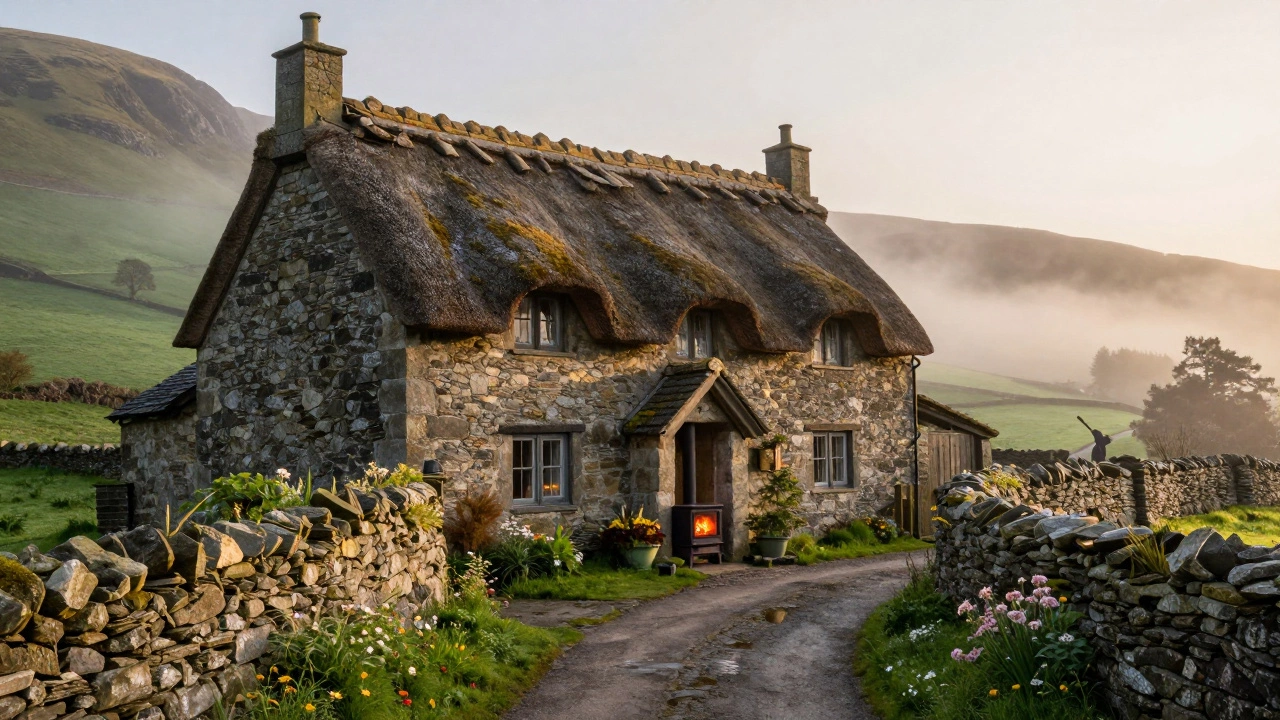
When you think of a holiday cottage, you probably picture a cozy stone cottage with a thatched roof, a wood-burning stove, and a view of rolling hills. But where are these cottages actually located? The answer isn’t as simple as "somewhere rural." Holiday cottages are spread across specific regions that offer the right mix of scenery, accessibility, and charm. And where you choose makes a huge difference in your experience.
England’s Countryside Still Leads the Pack
England has the highest concentration of holiday cottages in the UK, with over 65,000 listed properties as of 2025. The Lake District, Yorkshire Dales, and Northumberland are the top three hotspots. Why? These areas have centuries-old stone buildings, strict planning laws that preserve traditional architecture, and strong local rental networks. A cottage in Grasmere isn’t just a place to sleep-it’s a piece of literary history, with Wordsworth’s footsteps just outside the door.
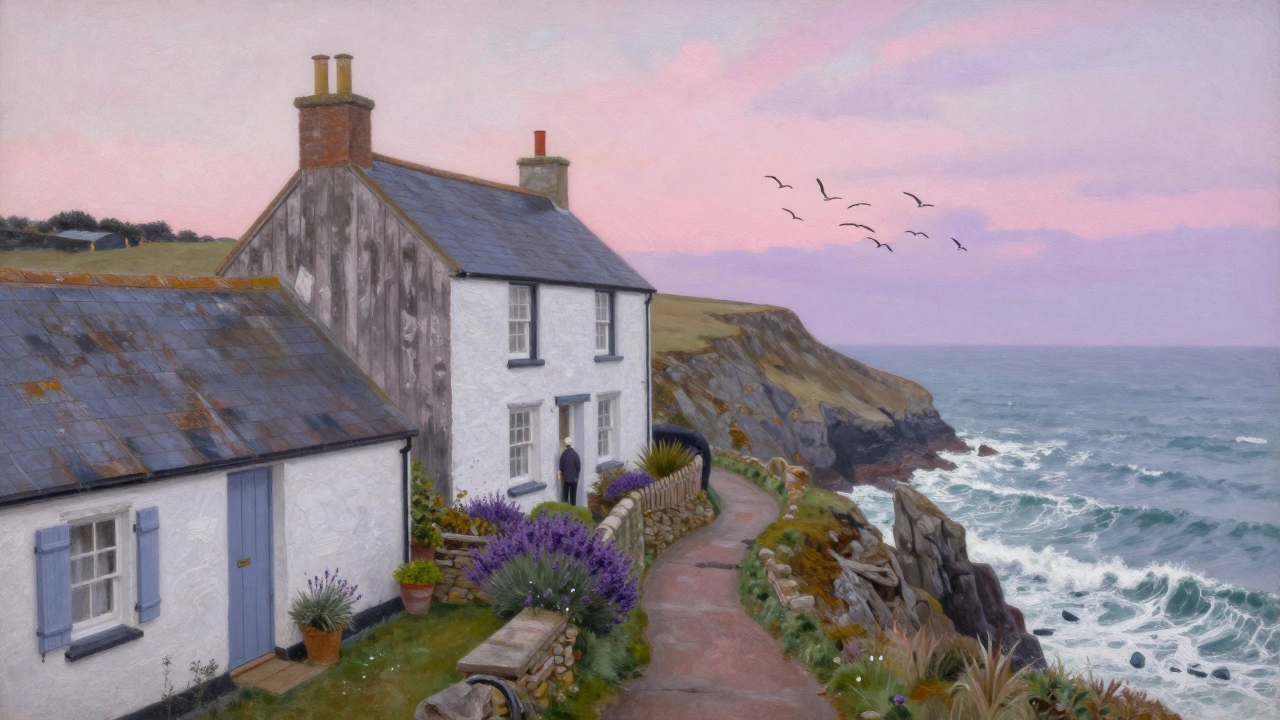
Devon and Cornwall also rank high, especially for families. The South West Coast Path runs right past hundreds of cottages, making it easy to walk to beaches, cliffs, and hidden coves. In 2024, 42% of all UK cottage bookings were for properties in these two counties. That’s not just because of the weather-it’s because these areas have invested in infrastructure. Many cottages now offer electric vehicle charging, dog-friendly trails, and even local produce delivery.
Scotland’s Highlands and Islands Are Growing Fast
Scotland’s holiday cottage scene has exploded since 2020. The Highlands, Isle of Skye, and the Cairngorms now account for nearly 18% of all UK cottage bookings. What changed? Remote work. People aren’t just visiting-they’re staying longer. A 2025 survey found that 31% of Scottish cottage renters stayed for more than two weeks, compared to just 9% in 2019.
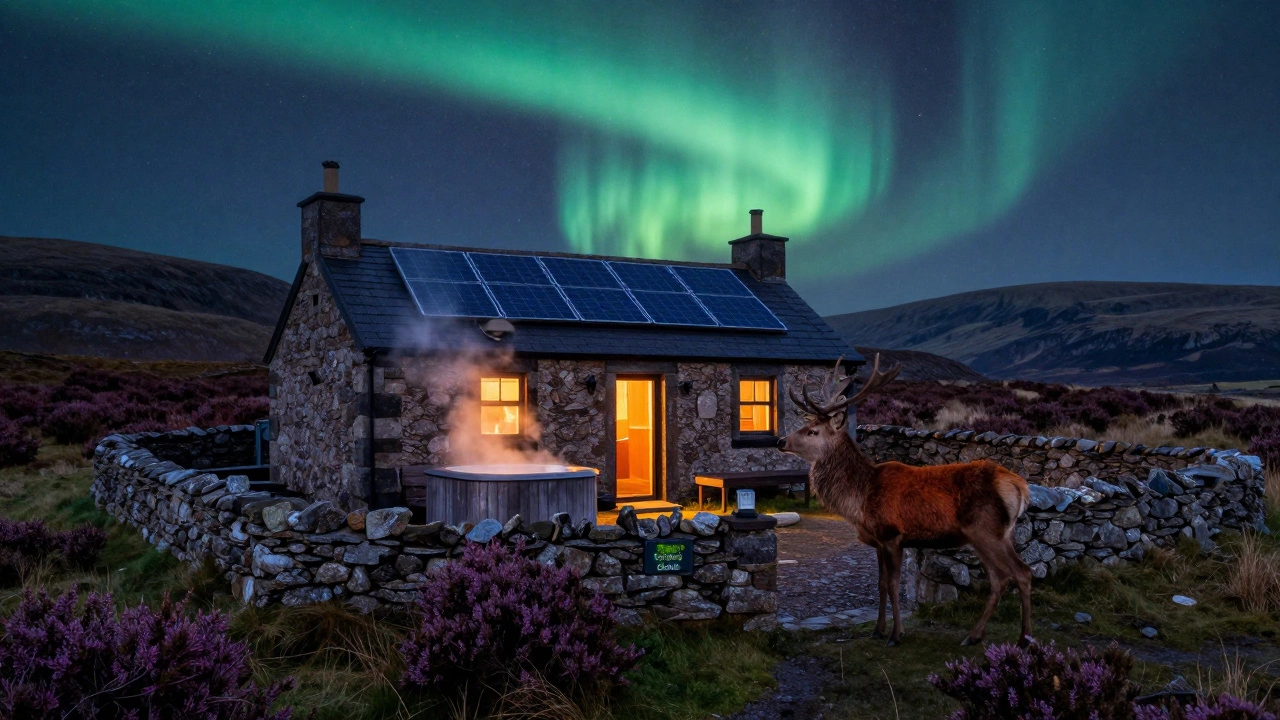
These cottages are often more rustic-think log cabins, off-grid solar power, and wood-fired hot tubs. But they’re also better equipped than ever. Many now have high-speed broadband, smart thermostats, and even satellite TV for winter nights. The key draw? Privacy and wild beauty. You won’t find chain restaurants here. Instead, you’ll find local butchers, artisan cheese makers, and fishing boats that deliver fresh salmon straight to your door.
Wales: The Hidden Gem for Coastal and Mountain Stays
Wales punches above its weight. With just 5% of the UK’s population, it hosts over 12,000 holiday cottages. Snowdonia National Park and the Pembrokeshire Coast are the stars. Snowdonia offers mountain views and historic slate cottages, while Pembrokeshire gives you clifftop homes with direct access to 186 miles of coastline.
What makes Welsh cottages unique? They’re often owned by local families who rent them out seasonally. This means you get insider tips-like which beach has the best rock pools at low tide, or which pub serves the only real Welsh cawl (lamb stew) in the valley. In 2024, 78% of Welsh cottage guests said they booked because a friend recommended it. Word-of-mouth still drives this market.
North Ireland: Quiet, Scenic, and Underrated
North Ireland’s holiday cottage market is small but growing fast. The Causeway Coast, the Glens of Antrim, and the Fermanagh Lakelands are the main clusters. Here, cottages are often built from local basalt or limestone, with thick walls that keep out the damp. The Giant’s Causeway is a major draw, but most guests come for the peace. You won’t find crowds here. In fact, many cottages in this region are booked by repeat visitors who return every year.
What’s new? A surge in eco-certified properties. Since 2023, over 200 cottages in North Ireland have earned the Green Tourism Gold award. They use rainwater harvesting, composting toilets, and locally sourced timber. If you care about sustainability, this region is quietly leading the way.
Coastal vs. Inland: What’s the Difference?
Not all holiday cottages are the same. Location shapes everything-from the type of property to the kind of guests it attracts.
- Coastal cottages are usually smaller, older, and built to withstand salt air. Many have sea views, but fewer have gardens. They’re popular in summer and often book up months in advance. Think Cornwall, Pembrokeshire, and the Northumberland coast.
- Inland cottages tend to be larger, with bigger gardens, woodpiles, and sometimes even private lakes. They’re quieter in summer but busier in autumn and winter for cozy getaways. The Lake District and Yorkshire Dales dominate here.
- Mountain cottages are often remote and built for harsh weather. Heating costs are higher, but the views are unmatched. Think Scottish Highlands and Snowdonia.
Price reflects this too. A coastal cottage in Cornwall might cost £1,200 a week in July. An inland cottage in the Yorkshire Dales? Around £850. The difference isn’t just location-it’s demand, accessibility, and maintenance costs.
Why Location Matters More Than You Think
Choosing a cottage isn’t just about picking a pretty photo. Location affects your whole trip.
Is the nearest town 20 minutes away? That means you’ll need a car. Is there a pub within walking distance? That changes your evening plans. Are there walking trails right from the doorstep? That’s a game-changer for families or solo hikers.
Also, weather varies wildly. A cottage in the Lake District can be rainy 20 days in a row in May. One in Devon might be sunny. If you’re planning a summer holiday, don’t assume all rural areas are the same. Check local climate data. The Met Office has detailed regional averages you can look up.
And don’t forget the little things. In some areas, like the Cotswolds, you’ll find thatched roofs that need special insurance. In Scotland, you might need to pay a deposit for wood supply. These aren’t gimmicks-they’re part of the local reality.
What’s Trending in 2025?
Two big shifts are changing where people book:
- Proximity to nature, not just beauty. People don’t just want a view-they want to swim in rivers, forage for mushrooms, or spot red deer. Cottages near protected wildlife areas are booking fastest.
- Self-sufficiency. More guests want cottages with vegetable gardens, beehives, or even small orchards. In 2025, 34% of new listings include some form of on-site food production.
There’s also a quiet rise in "cottage clusters"-groups of 3 to 5 cottages on one estate, perfect for extended families. These are common in the Peak District and the Isle of Wight. You get privacy, but you’re still close enough to share a BBQ or babysit.
Where Should You Book?
If you want:
- History and walking trails → Lake District or Yorkshire Dales
- Beach days and seafood → Cornwall or Pembrokeshire
- Wilderness and solitude → Scottish Highlands or North Ireland
- Family-friendly and easy access → Devon or the Cotswolds
- Eco-conscious stays → North Ireland or Snowdonia
Don’t just search by price. Search by what you want to do when you’re there. The best holiday cottage isn’t the cheapest or the prettiest. It’s the one that fits your rhythm.
Are holiday cottages only in the UK?
No, holiday cottages exist across Europe, especially in France (gîtes), Italy (agriturismi), Spain (casas rurales), and Ireland. But the UK has the highest density and most standardized booking system. If you’re looking for a classic cottage experience with clear rental rules, the UK is still the easiest place to start.
Can I find holiday cottages near cities?
Yes, but they’re different. Near cities like York, Bath, or Edinburgh, you’ll find converted barns or townhouse cottages. They’re smaller, more modern, and often lack gardens. These are perfect for short breaks or weekend trips where you want to be close to culture but still feel rural. They’re not the same as deep countryside cottages, but they serve a different need.
Are holiday cottages pet-friendly?
Most are. Around 85% of UK holiday cottages welcome dogs, and many now list pet amenities like beds, bowls, and fenced gardens. Always check the listing details-some places have breed or size limits, especially in remote areas where livestock is nearby.
How far in advance should I book a holiday cottage?
For popular areas like the Lake District or Cornwall, book at least 6 to 9 months ahead for summer. For shoulder seasons (April-May, September-October), 3 to 4 months is usually enough. Last-minute deals do exist, but they’re rare in high-demand regions and often mean fewer choices.
Do holiday cottages have Wi-Fi?
Most do now-over 90% as of 2025. But speed varies. Rural areas still struggle with bandwidth. If you need reliable Wi-Fi for work, look for listings that specify "fiber-optic" or "high-speed broadband." Avoid cottages that just say "Wi-Fi available" without details.