Black Friday History Timeline Explorer
Explore how Black Friday evolved from a local curse word to a global retail event. Click through each era to discover the surprising truth behind the name.
Did You Know?
The term "Black Friday" was originally used by police officers who had to work double shifts managing traffic and crowds. It wasn't until decades later that marketers rebranded it with the "in the black" accounting myth to make it sound more appealing to shoppers.
It’s November. The air turns crisp, and suddenly every store window glows with red tags promising massive discounts. You see "Black Friday" everywhere-on billboards, in emails, even on social media feeds that won’t stop refreshing. But have you ever paused to wonder: why is Black Friday called that?
Most people assume the name comes from accountants finally turning a profit for the year. They think "in the black" means money made, so Black Friday must be when retailers go from losing money (red) to making money (black). It sounds logical. It feels satisfying. But here’s the twist: that explanation is completely wrong.
The truth behind the name is far more interesting-and honestly, a bit gritty. It didn’t start in a boardroom. It started on a street corner in Philadelphia, back in the 1950s, and it had nothing to do with profits at first. In fact, locals hated the day. So much so that they tried to rename it.
The Police Problem in Philadelphia
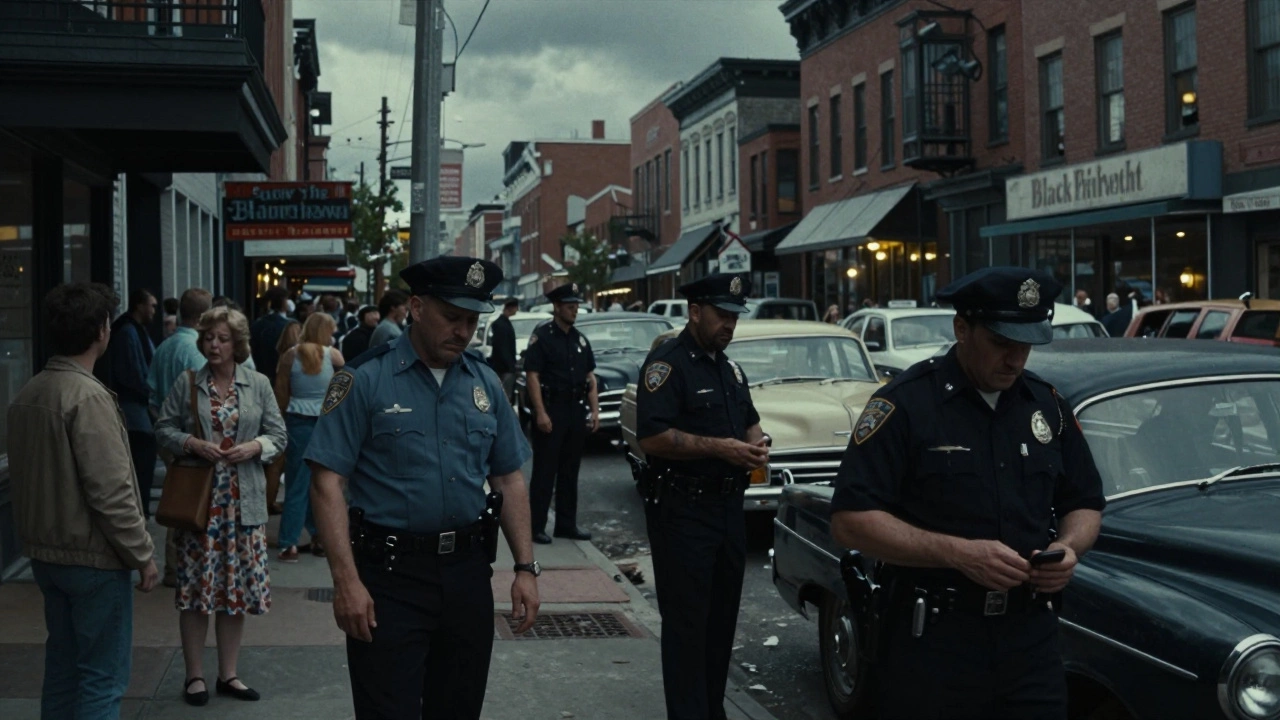
To understand the name, we need to rewind to the mid-20th century. Every year, just before Thanksgiving, the University of Pennsylvania held its annual football game against Rutgers. This wasn’t just any game; it was a huge event. Fans poured into Philadelphia from all over the country. At the same time, major department stores hosted their own pre-Thanksgiving parades.
For the city, this combination created chaos. Streets were gridlocked. Pedestrians jammed sidewalks. And for the police force, it meant one thing: overtime. Officers had to work double shifts managing traffic, dealing with crowds, and handling thefts. Stores would bring out extra stock early, attracting shoplifters who knew security was stretched thin.
Cops started using the term "Black Friday" to describe the day after Thanksgiving. Why "black"? Because it was a bad day. A dark day. A day full of trouble. There are even stories about them calling it "the Friday after Thanksgiving" but shortening it to something darker because of the sheer volume of complaints and incidents. It was never a compliment.
The Myth of "In the Black"
If you ask ten people why it’s called Black Friday, nine will tell you about accounting. They’ll say that historically, businesses recorded losses in red ink and profits in black ink. Since Thanksgiving marked the start of the holiday shopping season, the following Friday was supposedly the moment retailers finally moved "into the black" for the fiscal year.
This story is neat. It makes sense. But historians agree it’s a retroactive myth. Retailers didn’t use this phrase until decades after the term "Black Friday" was already established in Philadelphia. In fact, many companies didn’t adopt the term nationally until the 1980s, long after the original meaning was forgotten.
So how did a local curse word become a national celebration? Well, marketers are good at rebranding things.
How Marketers Flipped the Script
In the 1970s and 80s, Philadelphia merchants realized the negative connotation was hurting business. No one wants to shop on a "bad" day. So they launched a campaign to change the narrative. They suggested calling it "Big Friday" instead. It sounded friendlier. More inviting.
Did it work? Not really. "Big Friday" didn’t catch on outside the city. Meanwhile, other parts of the US were hearing the term "Black Friday" from travelers or news reports, but without the context of police overtime. To outsiders, it just sounded like a big shopping day.
Retailers across the country began adopting the term in the late 1980s. By then, the original meaning was lost. The phrase "Black Friday" stuck because it was punchy, memorable, and easy to brand. Marketing teams leaned into the "in the black" myth because it gave shoppers a reason to feel good about spending money. It turned a day of chaos into a day of opportunity.
From Local Curse to Global Phenomenon
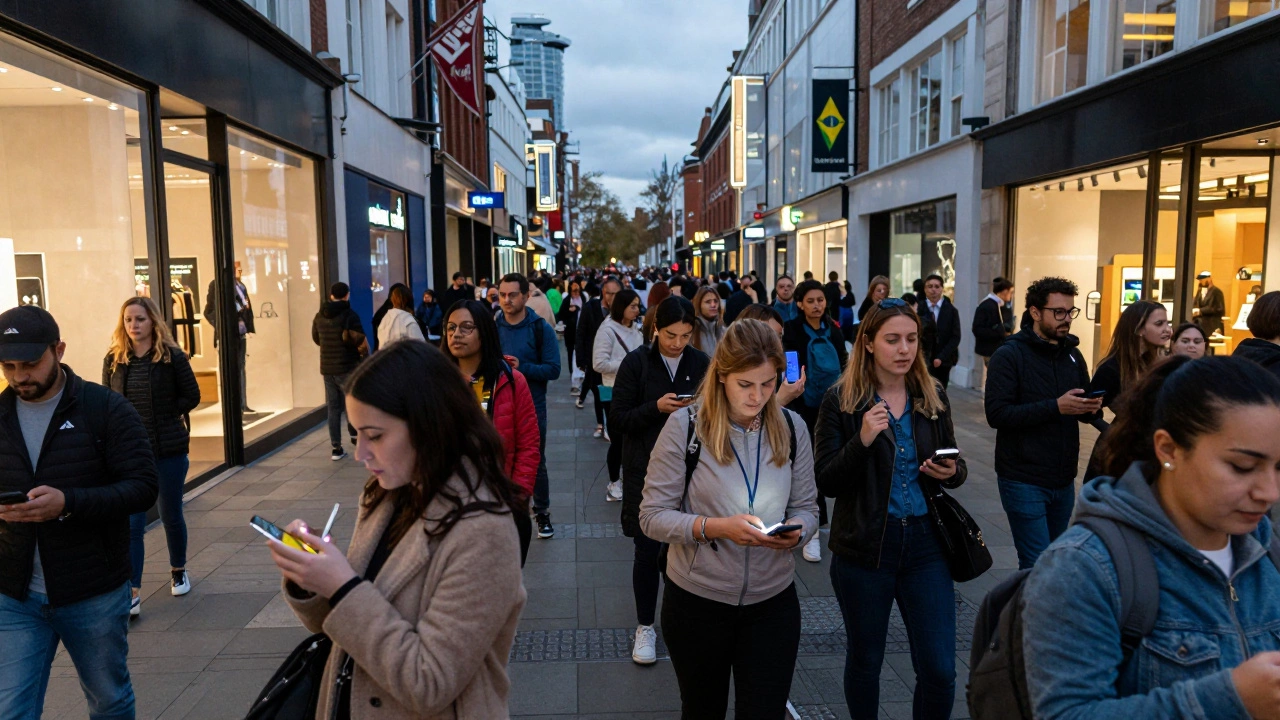
Once the name was detached from its Philadelphia roots, it spread fast. The rise of online shopping in the 2000s accelerated this. Suddenly, Black Friday wasn’t just about standing in line at 4 AM-it was about clicking a button from your couch. The day became synonymous with deals, not disasters.
Today, Black Friday is a global event. Countries that don’t even celebrate Thanksgiving participate. In the UK, Australia, and Brazil, retailers run "Black Friday" sales simply because American brands popularized the concept. The name travels with the marketing, regardless of local culture.
But here’s the irony: while the name has been sanitized, the chaos hasn’t disappeared. Just because we’re shopping online doesn’t mean the pressure is gone. Servers crash. Inventory sells out in seconds. And for warehouse workers, it’s still a grueling period of intense labor. The "black" part might refer to profits now, but for some, it still reflects the stress behind the scenes.
Does the Origin Matter Today?
You might be thinking, "Who cares where the name came from? I’m just here for the deals." And fair enough. If you’re looking for a new TV or winter boots, the history lesson isn’t going to lower the price tag.
But knowing the origin changes how you see the day. It reminds us that consumer habits aren’t natural-they’re constructed. What started as a headache for police officers became a multi-billion dollar industry through sheer persistence and clever branding. It shows how language can be reshaped to serve commerce.
Next time you hear "Black Friday," you can smile and remember: it wasn’t always a sale. It was once a warning. And maybe that’s worth keeping in mind when you’re deciding whether to join the rush.
Is Black Friday always the day after Thanksgiving?
Yes, traditionally Black Friday falls on the Friday immediately following Thanksgiving in the United States. Since Thanksgiving is celebrated on the fourth Thursday of November, Black Friday typically occurs between November 23rd and November 29th.
Why do some people call it 'Big Friday' instead?
In the 1960s, Philadelphia merchants tried to rebrand the negative term 'Black Friday' to 'Big Friday' to improve public perception. However, the term failed to gain traction nationally, and 'Black Friday' remained the dominant name due to its widespread recognition and eventual positive rebranding by retailers.
Did Black Friday originate in the United States?
Yes, Black Friday originated in Philadelphia, USA, in the 1950s. It was initially used by police to describe the chaotic day after Thanksgiving caused by large crowds attending the Army-Navy football game and early holiday shopping. The concept later spread globally through American retail influence.
What does 'being in the black' mean in accounting?
In accounting, 'being in the black' refers to a business operating at a profit. Historically, accountants used black ink to record positive balances and red ink for losses. While this phrase is often cited as the origin of 'Black Friday,' it is actually a retrospective myth adopted by marketers decades after the term was coined.
Is Black Friday only about shopping?
While primarily known as a major shopping event, Black Friday has evolved beyond retail. Many organizations now offer charitable donations, volunteer opportunities, and community events on this day. Additionally, it marks the unofficial start of the holiday season for many families, involving travel gatherings and festive preparations.
How has Black Friday changed with online shopping?
Online shopping has transformed Black Friday from a physical in-store experience to a digital one. Consumers can now access deals from home, reducing crowding but increasing competition for limited inventory. Cyber Monday emerged as a companion event focused exclusively on online discounts, extending the sales period throughout the weekend.